Is Self-Drive in Serengeti National Park Allowed?
Yes — self-drive is officially permitted in Serengeti National Park, and it has quietly become one of the most rewarding ways to experience Tanzania’s most famous wildlife ecosystem. The Tanzania National Parks Authority (TANAPA) welcomes independent travelers in properly equipped 4×4 vehicles, granting them the same access to roads, gates, viewpoints, and campsites as guided safari vehicles. That said, “allowed” is not the same as “effortless.” Self-driving the Serengeti comes with specific vehicle requirements, permit rules, and on-road regulations that every independent traveler needs to understand before setting off.
| QUICK ANSWER
Self-drive is legal and welcomed in Serengeti National Park. You’ll need a roadworthy 4×4 vehicle, valid driving documents, and TANAPA park permits purchased at the gate or in advance. There are no special “self-drive licenses” — the same rules that apply to guided vehicles apply to you. |
Why People Assume Self-Drive Isn’t Allowed
The confusion is understandable. Many safari operators discourage self-driving because it costs them a booking, and older travel forums repeat outdated warnings about “restricted access.” In reality, TANAPA has never banned private vehicles from Serengeti. The rules are the same ones that keep every visitor — guided or independent — safe: stay on designated tracks, remain inside your vehicle except at marked spots, and respect wildlife distances. Once you understand these ground rules, self-driving is simply a different way to see the same park.
The Legal and Regulatory Basis
Serengeti National Park falls under TANAPA, the government body responsible for managing Tanzania’s national parks. TANAPA’s regulations govern all vehicles entering the park, whether privately owned, rented, or operated by a licensed tour company. There is no clause in TANAPA policy that requires visitors to be accompanied by a professional guide. What is required is that:
- The vehicle is a registered, roadworthy 4×4 capable of handling unpaved terrain.
- The driver holds a valid driving license recognized in Tanzania (an International Driving Permit is strongly recommended for non-East African citizens).
- All park entry, vehicle, and — where applicable — camping fees are paid before or upon arrival at the gate.
- Occupants follow standard park conduct rules once inside (covered in detail below).
What You Need Before You Go
1. A Proper 4×4 Vehicle
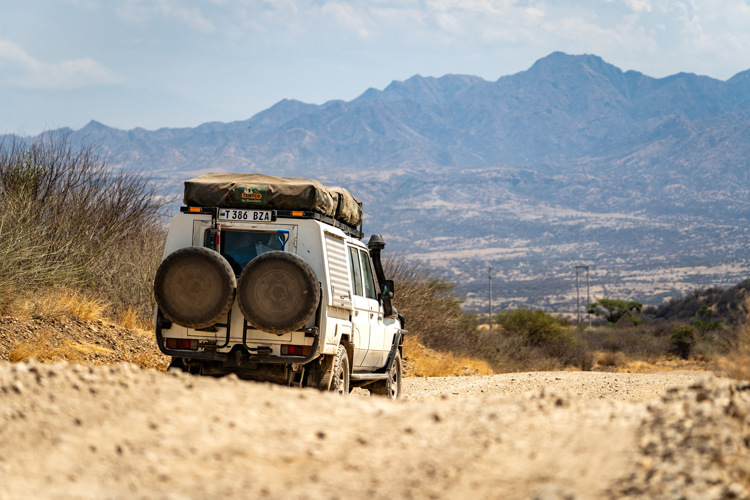
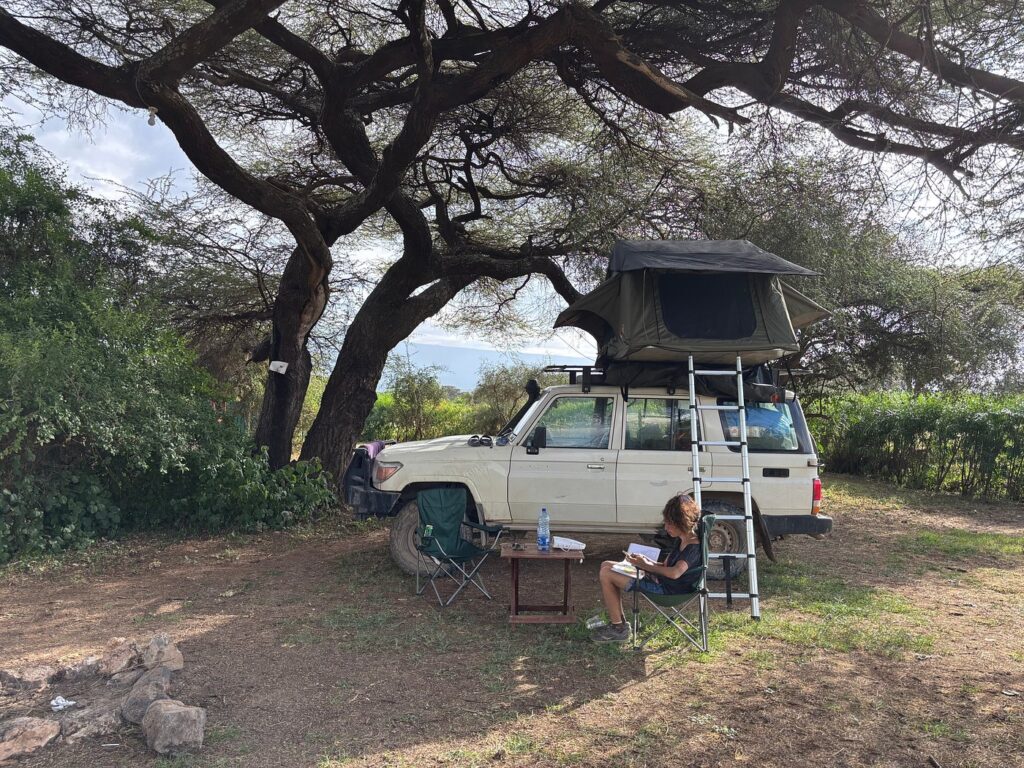
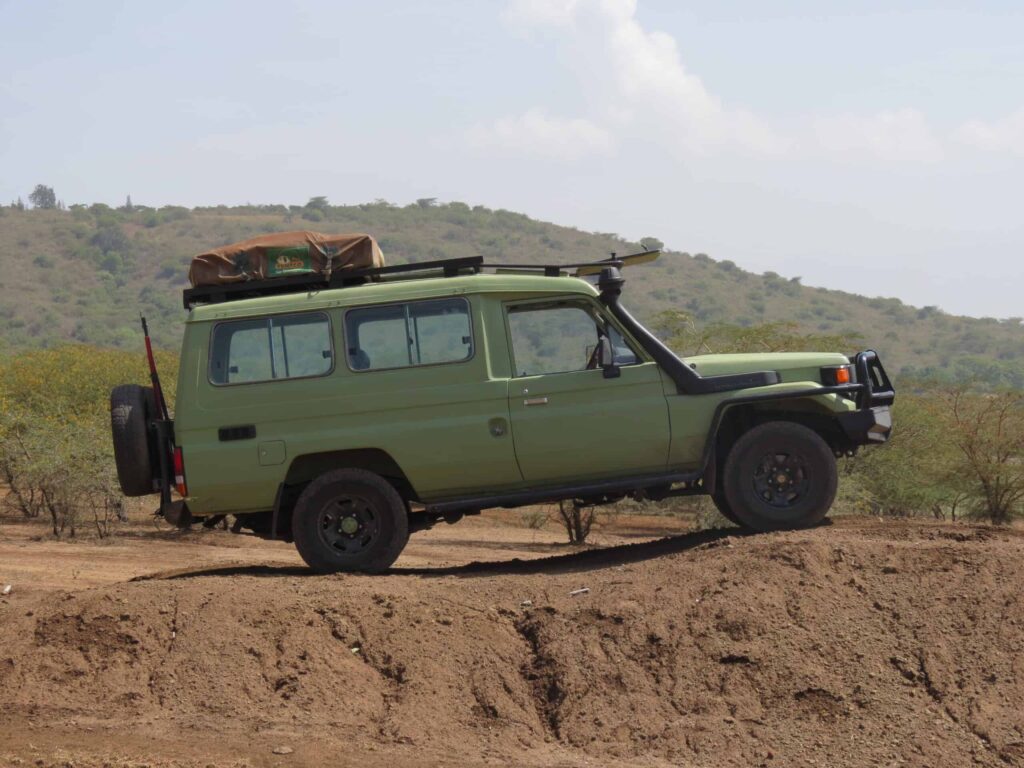
A 4×4 is not a suggestion — it’s effectively mandatory. Serengeti’s internal road network includes graded main routes but also long stretches of rough, rocky, and washboard surfaces, especially on the approach from Naabi Hill Gate toward Seronera. During the rainy seasons (roughly April–May and November), black cotton soil sections become slippery or completely impassable for two-wheel-drive vehicles. A Toyota Land Cruiser or similar high-clearance 4×4, ideally with a snorkel, all-terrain tires, and a spare tire (or two), is the standard choice among self-drivers.
2. Documentation
- Valid passport (and visa, if applicable)
- Driving license plus an International Driving Permit
- Vehicle registration and insurance documents (arranged automatically if you’re renting locally)
- Proof of residency status if claiming East African resident rates
3. Park Permits and Fees
TANAPA fees are charged per person and per vehicle, valid for 24 hours from the time you check in — not per calendar day. This trips up a lot of first-time self-drivers who assume a single payment covers an overnight stay. Payments at the gate are card-only; TANAPA no longer processes cash for foreign visitors, so arrive with a charged, working card.
| Fee category | Non-resident foreigner | Notes |
| Park entry fee (per adult, per 24 hrs) | ≈ USD 70–83 | Premium-tier TANAPA park pricing |
| Vehicle entry fee (foreign-registered 4×4) | ≈ USD 40–75 | Depends on seating capacity and registration |
| Vehicle entry fee (Tanzania-registered 4×4) | ≈ USD 20–40 | Locally registered rental vehicles are cheaper |
| Public campsite (per person, per night) | ≈ USD 30–35 | Basic, unfenced, shared facilities |
| Special campsite (per person, per night) | ≈ USD 50–60 | Private, no facilities, book far ahead |
| Ngorongoro transit fee (if passing through) | ≈ USD 70+ | Charged even if you don’t descend into the crater |
| BUDGET TIP
Because fees run on a strict 24-hour clock, time your entry deliberately. Entering early in the morning gives you a fuller first day before the clock resets, and sleeping just outside the park boundary on your final night can save you an entire extra day’s entry fee. |
Where to Enter the Park
Serengeti has several gates, and your entry point depends on where you’re coming from:
- Naabi Hill Gate — the main entrance from Ngorongoro/Arusha, and the busiest for self-drivers.
- Ndabaka Gate — the western entrance, used by travelers arriving from Mwanza and Lake Victoria.
- Klein’s Gate — the northern entrance, linking Serengeti to Lake Natron and Ol Doinyo Lengai.
- Bologonja Gate — near the Kenyan border, used by travelers combining Serengeti with the Masai Mara.
Most self-drive itineraries starting in Arusha route through Naabi Hill, which also means passing through — and paying transit fees for — the Ngorongoro Conservation Area, even if you don’t descend into the crater itself.
Rules Every Self-Driver Must Follow Inside the Park
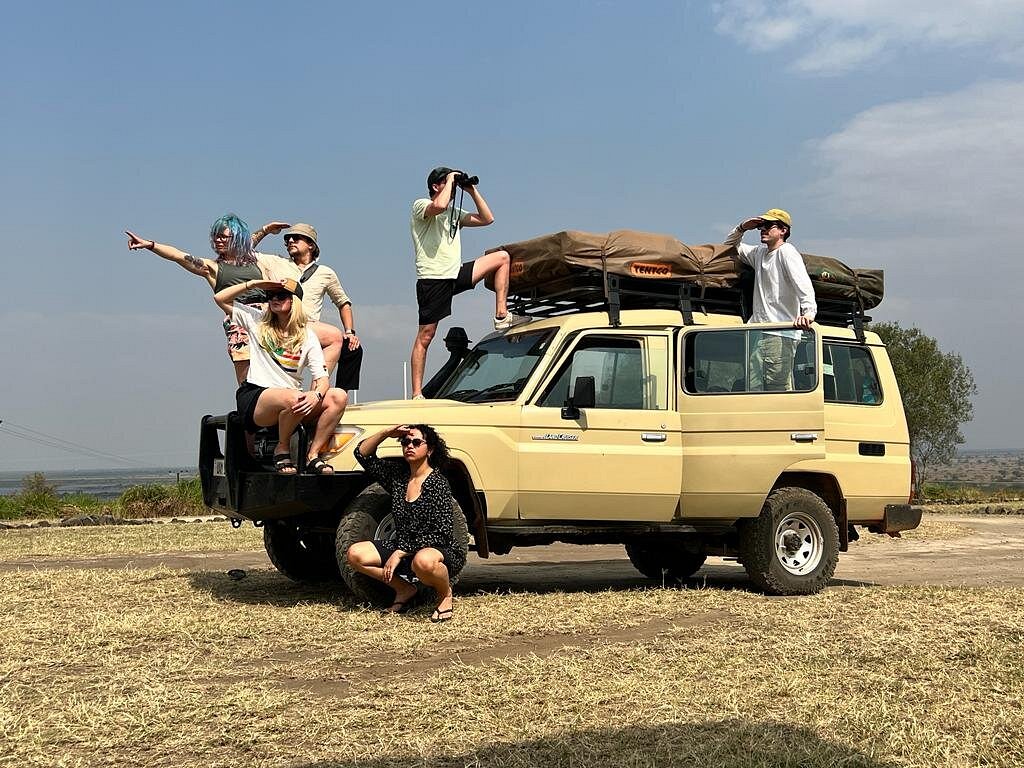
Once inside, self-drive vehicles are held to exactly the same code of conduct as guided ones. Rangers do check compliance, and fines or expulsion from the park are real consequences for breaking these rules:
- Stay on designated roads and tracks at all times — off-road driving is prohibited and heavily fined.
- Remain inside the vehicle except at marked picnic sites, visitor centers, or designated viewpoints.
- Observe the park speed limit, typically 50 km/h on main roads and 25 km/h near wildlife or in central areas.
- Night game drives are not permitted inside Serengeti National Park proper; you must be at your lodge or campsite by the designated closing time (generally around 6:00 pm).
- Keep a respectful distance from animals — do not approach, feed, or attempt to attract wildlife.
- Carry out all litter; the park operates on a strict pack-in, pack-out policy.
| SAFETY WARNING
Serengeti is vast, and mobile network coverage is patchy outside the Seronera area. Breakdowns or getting stuck can mean a long wait for help. Always carry two spare tires, basic recovery gear, extra fuel, drinking water, and a satellite communicator or two-way radio if venturing beyond the central circuit. |
Best Routes for First-Time Self-Drivers
If you’re new to self-driving in East Africa, ease into the Serengeti rather than tackling the remote western or northern sectors first:
- Central Serengeti (Seronera) — the most accessible region, with the best road network, highest wildlife density year-round, and fuel available at Seronera itself.
- Southern Serengeti / Ndutu — ideal January to March for the calving season and predator action, reachable via Naabi Hill.
- Western Corridor (Grumeti) — worthwhile June–July for river-crossing season, but roads are longer and less trafficked.
- Northern Serengeti (Mara River) — August–October for the famous river crossings, but this is the most remote sector and best suited to experienced self-drivers.
Many travelers new to independent driving choose to build confidence in smaller, easier parks — such as Tarangire, Lake Manyara, or Arusha National Park — before attempting the longer distances and rougher tracks of the Serengeti.
Self-Drive vs. Guided Safari: A Quick Comparison
- Cost: Self-driving typically saves 30–50% versus a fully guided package, mainly on guide fees and vehicle mark-ups.
- Flexibility: You set your own pace, routes, and stopping points rather than following a group itinerary.
- Expertise: Guided drivers bring tracking skills and local knowledge that are hard to replicate independently, especially for spotting elusive predators.
- Risk and effort: Self-drivers take on full responsibility for navigation, vehicle problems, and safety planning.
A popular middle-ground option is hiring a driver-guide to accompany your self-drive vehicle for the Serengeti leg of a longer trip, then reverting to independent driving in easier parks.
Frequently Asked Questions
Do I need a special permit to self-drive, separate from the normal park fee?
No. There is no separate “self-drive permit.” You pay the same TANAPA entry and vehicle fees as any other visitor; there’s simply no requirement that a licensed guide be present in the vehicle.
Can I drive a Kenyan-registered rental car into the Serengeti?
Generally, no. Cross-border vehicle restrictions between Kenya and Tanzania mean Kenyan-registered vehicles are frequently denied entry to Tanzanian parks, and vice versa. Most self-drive travelers combining the Masai Mara and Serengeti switch vehicles at the border.
Is it safe to self-drive in the Serengeti as a first-time visitor to Africa?
It’s possible, but it demands serious preparation: a reliable 4×4, recovery equipment, offline navigation, and a realistic buffer in your schedule. Many first-timers choose to combine a self-drive rental with a driver-guide for the Serengeti portion specifically.
Can I camp inside the park on a self-drive trip?
Yes. Both public and special campsites are open to self-drivers and must be booked in advance through TANAPA’s booking system, particularly during the June–October and January–February high seasons.
Final Word
Self-drive in Serengeti National Park is not just allowed — it’s a fully supported, TANAPA-endorsed way to experience one of Africa’s greatest wildlife spectacles on your own terms. The trade-off for that independence is preparation: the right vehicle, the right documents, a clear understanding of park rules, and a realistic respect for how remote parts of the park can be. Get those fundamentals right, and a Serengeti self-drive safari delivers a level of freedom and personal discovery that few guided trips can match.