Land Cruiser Prado Rental with Rooftop Tent in Arusha
Land Cruiser Prado Rental with Rooftop Tent in Arusha, the complete guide to self-drive camping safaris across Tanzania’s Northern Circuit – vehicle specs, package inclusions, prices, park fees, campsites, routes and a 7-day sample itinerary.
Why Rent a Land Cruiser Prado with Rooftop Tent in Arusha?
Arusha is the gateway to Tanzania’s legendary Northern Safari Circuit. Within a few hours’ drive of the city lie Tarangire, Lake Manyara, the Ngorongoro Crater and the endless plains of the Serengeti – some of the finest wildlife country on Earth. For travellers who want to explore these parks on their own schedule, few setups beat a Toyota Land Cruiser Prado fitted with a rooftop tent.
The Prado combines genuine off-road capability with car-like comfort on the long tarmac stretches between parks. Add a rooftop tent and the vehicle becomes your transport, your game-viewing platform and your bedroom. You wake up inside the park at first light, skip expensive lodge rates, and enjoy the freedom to stay longer wherever the wildlife is best.
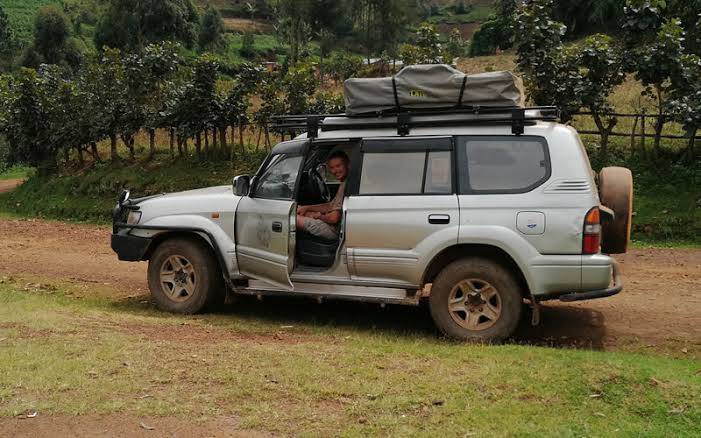
This guide covers everything you need to plan a Land Cruiser Prado rental with rooftop tent in Arusha: what the vehicle and package include, what it costs, which parks and campsites to target, how to plan your route, what documents you need and how to stay safe on the road.
| Quick Facts at a Glance
Vehicle: Toyota Land Cruiser Prado (J120/J150 series), 4×4 diesel, automatic or manual Sleeps: 2 adults in the rooftop tent (a ground tent can be added for children or a third adult) Typical daily rate: about US$120–US$190 per day, depending on season, model year and gear level Pick-up points: Arusha city, Kilimanjaro International Airport (JRO) or Arusha Airport (ARK) Best for: couples, honeymooners, photographers and confident independent travellers Ideal trip length: 5–14 days on the Northern Circuit |
The Toyota Land Cruiser Prado: Specifications
The Prado is the mid-size member of Toyota’s Land Cruiser family. It is lighter and more fuel-efficient than the heavy-duty Land Cruiser 70 series, yet it keeps the full-time four-wheel drive, low-range gearbox and locking centre differential that Tanzania’s park roads demand. Most rental fleets in Arusha run the J120 (2003–2009) and J150 (2009 onwards) generations.
| Feature | Typical Specification (rental fleet) |
| Engine | 3.0L 1KD-FTV D-4D turbo-diesel or 2.8L 1GD-FTV turbo-diesel |
| Drivetrain | Full-time 4WD with low range and centre differential lock |
| Transmission | Automatic (most common) or manual |
| Ground clearance | Roughly 215–220 mm |
| Fuel tank | Around 87 litres; some vehicles carry a long-range tank or jerrycans |
| Fuel consumption | Approx. 10–13 L/100 km depending on terrain, load and speed |
| Seating | 5 seats (rear row folded or removed on 7-seaters to carry camping gear) |
| Safari extras | Dual battery system, inverter/USB charging, roof rack, 1–2 spare wheels |
| Rooftop tent | Hard-shell or soft-shell tent for 2, foam mattress, ladder, mosquito netting |
Why the Prado Is Ideal for Northern Tanzania
- Comfort on long transfers: The coil-spring suspension handles the tarmac from Arusha to Karatu and the corrugated gravel of the Serengeti far better than older leaf-sprung trucks.
- Real 4×4 ability: Low range and a diff lock get you through black-cotton mud in the green season and the steep roads into and out of the Ngorongoro Crater.
- Economy: It uses noticeably less diesel than a Land Cruiser 76/79 – a real saving on a 1,000+ km safari.
- Easy to drive: Automatic versions are relaxed for first-time African self-drivers.
- Ample payload: Room for a 40–50 L fridge, two people’s luggage, water and a full camping kitchen.
Rooftop Tent Camping: How It Works
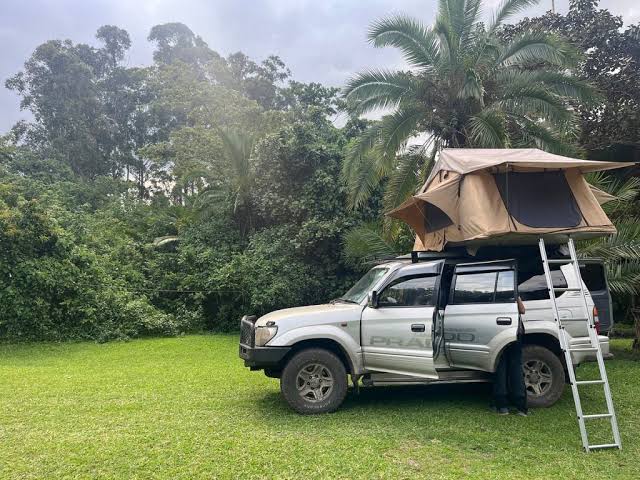
A rooftop tent is mounted on the Prado’s roof rack and folds out in just a few minutes. You climb in by an aluminium ladder and sleep on a built-in foam mattress, well above the ground. Hard-shell models pop up with gas struts in under a minute; soft-shell fold-out models take a little longer but often give extra floor space and an annex.
Rooftop Tent vs. Ground Tent vs. Lodge
| Factor | Rooftop Tent | Ground Tent | Lodge / Tented Camp |
| Set-up time | 2–10 minutes | 15–30 minutes | None |
| Comfort | Flat, thick mattress, off the ground | Depends on pad and ground | Proper bed, en-suite |
| Safety from wildlife | Elevated, away from crawling insects and snakes | Ground level | Highest |
| Cost per night | Campsite fee only | Campsite fee only | US$150–US$1,500+ per person |
| Flexibility | Very high | High | Limited by bookings |
| Drawback | Must pack up before every drive | Muddy in rain; slower | Expensive in peak season |
| Practical Tip
Because the tent sits on the vehicle, you must fold it away before every game drive. Most tents close with sleeping bags left inside, so packing up at dawn takes only a few minutes. |
What’s Included in a Prado Rooftop Tent Package in Arusha
Packages vary between rental companies, so always ask for a written inventory. A well-equipped Arusha package typically includes the following.
Sleeping
- Rooftop tent with foam mattress, pillows and sleeping bags or duvets
- Mosquito-proof mesh windows and a rain fly
Kitchen and Camp
- Two-burner gas stove with refillable gas cylinder
- Pots, pans, kettle, plates, mugs, cutlery and washing-up bowl
- 12V compressor fridge/freezer (40–50 L) or a large cool box
- Folding camp table and two camping chairs
- 20–40 litre water container and a solar or rechargeable LED lantern
Vehicle and Safety
- Comprehensive insurance (with an excess – check the amount) and third-party cover
- Two reflective warning triangles and a fire extinguisher (required by Tanzanian traffic law)
- First-aid kit, tyre repair kit, compressor, jack and tow strap
- One or two spare wheels and basic tools
- 24/7 roadside assistance and emergency contact list
Optional Extras
- Ground tent for a third traveller, awning, camping shower, GPS or offline maps, satellite phone, Wi-Fi router, child seats and cross-border paperwork for Kenya or Uganda
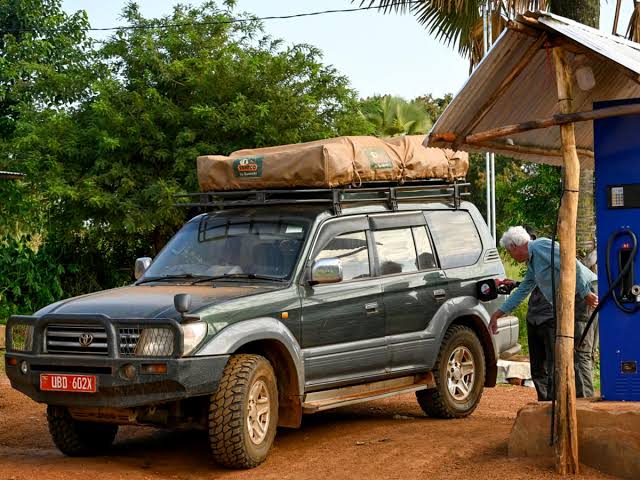
Land Cruiser Prado Rooftop Tent Rental Prices in Arusha
Rates depend on season, vehicle age, transmission, the quality of the camping gear and how long you rent. Longer rentals usually unlock lower daily rates. The figures below are indicative 2026 ranges – confirm current prices when you request a quote.
| Rental Option | Low Season (Apr–May, Nov) | High Season (Jun–Oct, Dec–Feb) |
| Prado only (no camping gear) | US$90 – US$120 / day | US$110 – US$140 / day |
| Prado + rooftop tent (basic kit) | US$120 – US$150 / day | US$140 – US$170 / day |
| Prado + rooftop tent (fully equipped, fridge) | US$140 – US$170 / day | US$160 – US$190 / day |
| With driver-guide (not self-drive) | add approx. US$40 – US$60 / day | add approx. US$50 – US$70 / day |
What the Rental Price Usually Excludes
- Fuel (diesel)
- National park and conservation fees, camping fees and the Ngorongoro Crater vehicle fee
- Insurance excess / security deposit (often US$500 – US$1,500, held on a card)
- Airport delivery or one-way drop-off fees (for example, ending in Dar es Salaam, Nairobi or Kampala)
- Food, drinking water, firewood and personal items
Sample Budget: 7 Days for 2 People
| Item | Estimated Cost (US$) |
| Prado + rooftop tent, 7 days (fully equipped) | 1,050 – 1,300 |
| Park & conservation fees (Tarangire, Manyara, Ngorongoro, Serengeti) | 1,300 – 1,550 |
| Ngorongoro Crater vehicle service fee (one descent) | approx. 250 – 300 |
| Campsite fees (6 nights, 2 people) | 250 – 400 |
| Diesel (approx. 1,100 – 1,300 km) | 170 – 250 |
| Groceries, water and supplies | 150 – 250 |
| Indicative total | 3,170 – 4,050 |
| Good to Know: Park Payments
Tanzania National Parks (TANAPA) and the Ngorongoro Conservation Area Authority (NCAA) run cashless gates. Fees are paid by Visa or Mastercard or arranged in advance through your rental company. Carry two cards in case one is declined, and remember that most fees are charged per person per 24-hour period plus 18% VAT. Always check the latest official tariffs before travel. |
Best Parks for a Prado Rooftop Tent Safari from Arusha
| Destination | Distance from Arusha | Drive Time | Highlights |
| Arusha National Park | approx. 35 km | 45 min – 1 hr | Momella Lakes, Mount Meru views, colobus monkeys, walking safaris |
| Tarangire National Park | approx. 120 km | 2 – 2.5 hrs | Huge elephant herds, baobabs, dry-season concentrations |
| Lake Manyara National Park | approx. 125 km | 2 – 2.5 hrs | Groundwater forest, flamingos, occasional tree-climbing lions |
| Ngorongoro Crater | approx. 180 km | 3.5 – 4 hrs | Big Five in a volcanic caldera, black rhino |
| Serengeti (Seronera) | approx. 325 km | 7 – 8 hrs | Great Migration, big cats, endless plains |
| Lake Natron | approx. 240 km | 5 – 6 hrs | Lesser flamingos, Ol Doinyo Lengai, waterfalls |
| Lake Eyasi | approx. 220 km | 4 – 5 hrs | Hadzabe and Datoga cultural visits |
Tarangire National Park
Just two hours from Arusha on good tarmac, Tarangire is the perfect first night for a rooftop-tent safari. Between July and October the Tarangire River draws hundreds of elephants along with buffalo, zebra, wildebeest, lions and leopards. The public campsite near the park headquarters is a short drive from the river circuits.
Lake Manyara National Park
Manyara is compact and easy to explore in half a day, making it a natural stop between Tarangire and Ngorongoro. Most self-drivers camp just outside the gate in Mto wa Mbu, where private campsites offer hot showers, a swimming pool and easy access to fuel and groceries.
Ngorongoro Crater
The crater floor supports an estimated 25,000 large animals, including one of Tanzania’s few remaining black rhino populations. Camping is not permitted inside the crater; rooftop campers stay at Simba A public campsite on the crater rim, at roughly 2,300 m, where nights get genuinely cold – pack warm layers and a hat. Time on the crater floor is limited, and the descent and ascent roads are steep, so engage low range and drive slowly.
| Check Before You Go: Crater Descents
NCAA rules on self-drive crater descents and per-vehicle service fees have changed several times in recent years. Ask your rental company to confirm the current rules, and whether a local guide is required or recommended, before you set out. Carry the vehicle’s registration papers at the Lodoare gate. |
Serengeti National Park
The Serengeti is the highlight of any Northern Circuit trip. The central Seronera area offers year-round big cat sightings and several public campsites with basic ablution blocks. Follow the Great Migration for the most dramatic scenes:
- December – March: Southern Serengeti and Ndutu – calving season and predator action
- April – June: Central and Western Corridor – herds moving north, rutting season
- July – October: Northern Serengeti – Mara River crossings (a long drive; allow extra days)
- November: Herds return south through the Seronera area with the short rains
Recommended Campsites for Rooftop Tents
| Campsite | Location | Type | Facilities |
| Tarangire Public Campsite | Inside Tarangire, near HQ | Public (TANAPA) | Basic toilets, cold water |
| Twiga Campsite & Lodge | Mto wa Mbu (Manyara) | Private | Hot showers, pool, restaurant, power |
| Kudu Campsite | Karatu | Private | Hot showers, bar, gardens, power |
| Simba A Campsite | Ngorongoro Crater rim | Public (NCAA) | Basic ablutions, cooking shelter |
| Seronera Public Campsites (e.g. Pimbi, Tumbili, Nyani) | Central Serengeti | Public (TANAPA) | Basic toilets/showers, dining shelter |
| Serengeti Special Campsites | Various, remote | Special (pre-booked) | No facilities – fully self-sufficient |
| Wildlife Safety in Unfenced Campsites
Public campsites inside Tarangire and the Serengeti are unfenced. Hyenas, buffalo, elephants and occasionally lions pass through at night. Never leave food outside, keep the fridge and cool box inside the vehicle, scan with a torch before climbing down the ladder at night, and stay close to the vehicle after dark. |
7-Day Sample Itinerary: Arusha Rooftop Tent Safari
| Day | Route | Overnight |
| Day 1 | Collect the Prado in Arusha, stock up on groceries, drive to Tarangire (approx. 2 hrs); afternoon game drive | Tarangire Public Campsite |
| Day 2 | Full-day game drive in Tarangire, exit late afternoon to Mto wa Mbu | Twiga Campsite, Mto wa Mbu |
| Day 3 | Morning in Lake Manyara National Park; afternoon to Karatu to refuel and restock | Kudu Campsite, Karatu |
| Day 4 | Drive through the Ngorongoro Conservation Area via the crater rim and Olduvai Gorge to the Serengeti; afternoon game drive | Seronera Public Campsite |
| Day 5 | Full day in the Serengeti – Seronera River valley, kopjes, big cats | Seronera Public Campsite |
| Day 6 | Early game drive, then return to the Ngorongoro rim | Simba A Campsite |
| Day 7 | Dawn descent into Ngorongoro Crater (half day), then drive back to Arusha and return the vehicle | – |
Extending to 10 Days
With three more days, add a second full day in the Serengeti (or head to Ndutu between December and March), then finish with a night at Lake Eyasi for a cultural visit with the Hadzabe hunter-gatherers, or a night in Arusha National Park for a walking safari and canoeing on the Momella Lakes.
Driving in Tanzania: Road Conditions and Rules
Road Conditions
- Arusha – Makuyuni – Mto wa Mbu – Karatu: good tarmac; watch for speed bumps, livestock and pedestrians in towns
- Ngorongoro rim road and Serengeti access road: gravel and heavily corrugated; dusty in the dry season, slippery after rain
- Inside the Serengeti: gravel and black-cotton tracks that turn to mud in the rains – low range is essential
- Lake Natron road: rough and isolated; travel with full fuel, extra water and ideally a second vehicle
Key Traffic Rules
- Drive on the left. Typical speed limits are 50 km/h in towns and 80 km/h on open roads unless signed otherwise.
- Inside national parks the limit is usually 40–50 km/h; off-road driving and night driving are prohibited.
- Traffic police checkpoints are common – stay polite, carry your licence and rental papers, and keep the triangles and fire extinguisher accessible.
- Seat belts are mandatory and using a handheld phone while driving is illegal.
Fuel Planning
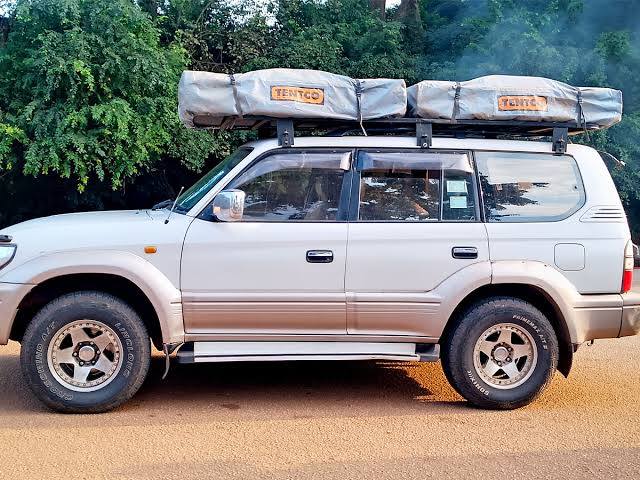
Fill up in Arusha, Makuyuni, Mto wa Mbu or Karatu. Fuel inside the Serengeti is limited and not always available, so leave Karatu with a full tank. A full Prado tank plus one 20-litre jerrycan comfortably covers the Karatu – Serengeti – Ngorongoro loop, including game drives.
Rental Requirements and Travel Documents
| Requirement | Details |
| Minimum age | Usually 23–25 years, with at least 2–3 years of driving experience |
| Driving licence | Valid national licence in English; an International Driving Permit (IDP) is strongly recommended |
| Passport & visa | Passport valid 6+ months; Tanzania e-Visa applied for online in advance, or visa on arrival where eligible |
| Yellow fever | Certificate required if arriving from, or transiting more than 12 hours through, a country with yellow fever risk (e.g. Kenya, Uganda) |
| Deposit | Refundable security deposit, usually held on a credit card |
| Cross-border travel | Requires written authorisation, COMESA Yellow Card insurance and vehicle export papers – arrange in advance |
Best Time for a Rooftop Tent Safari from Arusha
| Period | Conditions | Rooftop Camping Verdict |
| June – October | Dry, cool nights, excellent game viewing | Best overall; book early |
| November – mid-December | Short rains, green landscapes | Good value; some muddy tracks |
| Mid-December – February | Warm, migration calving in the south | Excellent for Ndutu & Southern Serengeti |
| March | Rains begin | Fair; quieter parks |
| April – May | Long rains, heavy downpours | Challenging; experienced drivers only |
Packing Checklist for a Prado Rooftop Tent Safari
- Warm fleece, beanie and thermal layer for Ngorongoro’s cold nights
- Neutral-coloured clothing (avoid dark blue and black, which attract tsetse flies)
- Head torch with spare batteries
- Binoculars and a camera with a 100–400 mm zoom lens
- Insect repellent, sunscreen, sunhat and sunglasses
- Personal medication, malaria prophylaxis (consult your doctor) and a small personal first-aid kit
- Power bank and 12V car charger
- Offline maps (Maps.me, Tracks4Africa or Google offline areas)
- Reusable water bottles, wet wipes, biodegradable soap and rubbish bags
- Tanzanian shillings for campsites outside the parks, markets and tips
Safety and Practical Tips
- Inspect the vehicle at pick-up: check tyres (including spares), fluids, the jack, the tent mechanism and the fridge. Photograph any existing damage.
- Practise opening and closing the tent before you leave Arusha so you can do it quickly in the bush.
- Arrive at campsites before dark: park gates close around 6:00–7:00 pm and night driving is not allowed.
- Level the vehicle before opening the tent – a slight slope makes for a poor night’s sleep.
- Book campsites in advance during peak months; Serengeti special campsites must always be pre-booked.
- Keep a fuel reserve: never let the tank drop below a quarter in the Serengeti.
- Respect wildlife: stay inside the vehicle except at designated areas and never block animals’ paths.
Why Book Your Prado Rooftop Tent Rental with Arusha Car Rental
At Arusha Car Rental, our Arusha fleet of Land Cruiser Prados is serviced before every trip and fitted with quality rooftop tents and complete camping kits. We offer delivery to Kilimanjaro International Airport, a thorough vehicle and tent briefing, route planning with offline maps, campsite booking assistance and 24/7 roadside support throughout your safari. One-way and cross-border options to Kenya, Uganda and Rwanda are available on request.
| Ready to Plan Your Self-Drive Safari?
Tell us your travel dates, number of travellers and the parks you want to visit, and we’ll send a tailored quote for your Land Cruiser Prado with rooftop tent – including park fee estimates and a suggested route. |
Frequently Asked Questions
How much does a Land Cruiser Prado with rooftop tent cost to rent in Arusha?
Expect roughly US$120–US$190 per day depending on season, vehicle age and how well equipped the camping kit is. Fuel, park fees and camping fees are paid separately.
How many people can sleep in a Prado rooftop tent?
Most rooftop tents comfortably sleep two adults. Families of three or four can add a ground tent, or a second rooftop tent where the rental company offers one.
Can I drive a rented Prado into the Serengeti and Ngorongoro Crater myself?
Yes. Tanzanian-registered rental vehicles can be self-driven in the Northern Circuit parks. Because Ngorongoro Crater descent rules and fees change from time to time, confirm the current requirements with your rental company before your trip.
Is it safe to sleep in a rooftop tent in Tanzanian parks?
Rooftop tents at designated campsites are widely used and considered safe when you follow campsite rules: store food away, stay close to the vehicle at night and use a torch before climbing down.
Do I need an International Driving Permit in Tanzania?
A valid national licence in English is often accepted for visitors, but an International Driving Permit is strongly recommended and can save time at police checkpoints.
Can I pick up the Prado at Kilimanjaro International Airport?
Yes. Most Arusha-based rental companies deliver to Kilimanjaro International Airport (JRO) or Arusha Airport, sometimes for an additional fee.
Is a manual or automatic Prado better for a safari?
Both work well. Automatics are easier for drivers new to African roads, while manuals give a little more control on steep descents and are sometimes cheaper to rent.
Can I take the Prado across the border to Kenya or Uganda?
Usually yes, with prior written authorisation, COMESA Yellow Card insurance and cross-border paperwork arranged by the rental company. Extra fees apply.
Final Thoughts
A Land Cruiser Prado rental with rooftop tent in Arusha is one of the most rewarding ways to experience Tanzania’s Northern Circuit. You get the reliability and comfort of a proven safari 4×4, the freedom to set your own pace, and the unforgettable experience of falling asleep to the sounds of the Serengeti. Plan your route carefully, book campsites early in peak season, and you’ll return home with memories to last a lifetime.