4×4 Car Rental in Arusha with Drop-Off at Seronera Airstrip, Serengeti
The complete 2026 guide to a one-way self-drive safari from Arusha into the heart of the Serengeti, with vehicle options, the route, park fees, sample itineraries, drop-off logistics and onward flights.
4×4 Car Rental in Arusha with Drop-Off at Seronera Airstrip, Serengeti, Picture this: you collect a fully equipped 4×4 in Arusha, drive past the baobabs of Tarangire, look down into the Ngorongoro Crater from its misty rim, roll across the endless short-grass plains at Naabi Hill, and spend your final days tracking lions and leopards around Seronera. Then, instead of facing a long, dusty eight-hour drive back to Arusha, you hand over the keys at Seronera Airstrip and board a light aircraft to Arusha, Kilimanjaro or the beaches of Zanzibar.
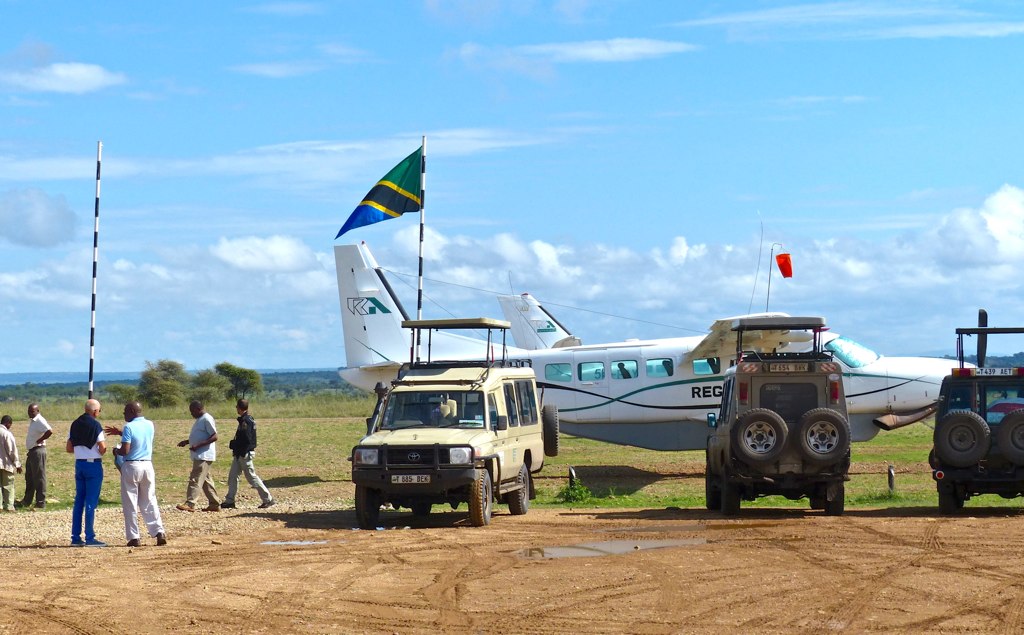
That is exactly what a one-way 4×4 car rental from Arusha with drop-off at Seronera Airstrip makes possible. It is one of the smartest ways to self-drive Tanzania’s Northern Circuit, because it removes the backtracking, saves a full day of driving and lets you end your safari where the wildlife is at its best. This guide explains how the arrangement works, which vehicle to choose, what it costs, how to plan the route and exactly what happens on handover day.
| Quick Facts at a Glance
Pick-up: Arusha city, Arusha Airport (ARK) or Kilimanjaro International Airport (JRO) Drop-off: Seronera Airstrip (IATA: SEU), central Serengeti National Park Road distance: approx. 320–330 km via Karatu and the Ngorongoro Conservation Area Minimum driving time: 7–9 hours without game viewing (plan at least 2–3 days for the journey) Entry gates: Lodoare Gate (Ngorongoro) and Naabi Hill Gate (Serengeti) Best vehicles: Toyota Land Cruiser Prado, Land Cruiser 70-series, Toyota Hilux double cab, RAV4 (dry season) Onward flights from Seronera: Arusha, Kilimanjaro, Zanzibar, Lake Manyara and other Serengeti airstrips |
Why Choose a One-Way Arusha to Seronera Rental?
Most self-drive safaris in northern Tanzania are planned as loops: Arusha to the Serengeti and back again. The problem is geography. Seronera sits roughly 325 km from Arusha, and the return leg repeats the same rough gravel road through Ngorongoro, which means paying conservation fees a second time and losing a full day of your holiday. A one-way rental solves this.
- No backtracking. Every kilometre you drive is new scenery, and your final day can be spent on a game drive rather than on the road.
- Lower fee exposure. Avoiding a second transit of the Ngorongoro Conservation Area saves you another round of per-person conservation fees and vehicle fees.
- Perfect for safari-and-beach trips. Seronera has scheduled flights to Zanzibar, so you can go from lion sightings to the Indian Ocean in under two hours of flying.
- Less driver fatigue. The corrugated road between the crater rim and Naabi Hill is tiring. Driving it once is plenty for most travellers.
- Ideal for tight schedules. Travellers with international flights out of Kilimanjaro or Zanzibar can connect via Seronera on the same day.
How the One-Way Drop-Off Works
A Seronera drop-off is a planned, pre-arranged service, not something you can decide on the day. Here is the typical process with a reputable Arusha-based rental company:
- Request a quote. Share your dates, number of travellers, preferred vehicle and the fact that you want to drop off at Seronera Airstrip. Mention your departure flight time if you already have one.
- Confirm the booking and drop-off fee. The company adds a one-way (relocation) fee to cover a driver travelling to Seronera, the extra park fees they pay to drive the vehicle back, and fuel.
- Collect your vehicle in Arusha. You receive a full briefing, maps, camping gear (if booked), a vehicle inspection sheet and the paperwork needed at park gates.
- Drive your safari. Explore at your own pace through Tarangire, Lake Manyara, Ngorongoro and the Serengeti, paying park fees at each gate by card or as arranged.
- Meet the handover driver at Seronera. A company driver meets you at the airstrip at an agreed time, usually 60–90 minutes before your flight. You inspect the vehicle together, return the gear and sign off.
- Board your flight. You check in for your light-aircraft flight while the driver takes the vehicle back to Arusha.
| Insider Tip
Confirm the handover time and a backup meeting point (for example the Serengeti Visitor Centre) in writing before you set off. Mobile coverage around Seronera is generally fair, but it can drop out, so agree a plan that does not depend on a phone call. |
Best 4×4 Vehicles for the Arusha to Seronera Route
The road to Seronera includes paved highway, steep escarpment climbs at Ngorongoro and long stretches of corrugated gravel and black-cotton soil that turns slippery after rain. A proper high-clearance 4×4 is essential. These are the vehicles most commonly offered for this route:
| Vehicle | Seats | Best For | Indicative Rate / Day* |
| Toyota RAV4 | 4 | Couples on a budget, dry-season trips, lodge stays | USD 70 – 95 |
| Toyota Land Cruiser Prado | 5 | Comfort, families, all-season reliability | USD 120 – 165 |
| Toyota Hilux Double Cab + Rooftop Tent | 4 (sleeps 2) | Camping safaris at public campsites | USD 130 – 175 |
| Land Cruiser 70-Series Pop-Up Roof | 5–7 | Serious game viewing, photographers, groups | USD 160 – 220 |
| Land Cruiser 70-Series + Rooftop Tents | 4 (sleeps 4) | Fully self-sufficient camping families | USD 180 – 240 |
Which vehicle should you choose?
For most travellers, the Land Cruiser Prado is the sweet spot: comfortable on long gravel stretches, capable in the wet season and spacious enough for luggage. If you plan to camp at Serengeti public campsites, a Hilux or Land Cruiser with a rooftop tent gives you freedom and cuts accommodation costs considerably. A RAV4 can manage the route in the dry season (June to October and January to February), but it has lower clearance and less margin for error after heavy rain.
| What a Good Rental Package Should Include
✔ Unlimited mileage and comprehensive insurance (check the excess amount) ✔ Two spare tyres, a high-lift or bottle jack, tow rope and basic tool kit ✔ Fridge or cool box, phone chargers (USB/12V) and a first-aid kit ✔ Route map or offline GPS and a 24/7 roadside support number ✔ Camping gear if booked: tent, mattresses, bedding, chairs, table, stove and cookware ✔ A written one-way agreement stating the Seronera handover time and fee |
The Route: Arusha to Seronera Airstrip
There is effectively one main road from Arusha to central Serengeti. It is straightforward to follow, but distances inside the protected areas are slow because of gravel surfaces, speed limits and, of course, wildlife stops.
| Leg | Distance (approx.) | Road Surface | Driving Time |
| Arusha → Makuyuni junction | 80 km | Tarmac | 1 – 1.5 hrs |
| Makuyuni → Mto wa Mbu (Lake Manyara) | 40 km | Tarmac | 35 – 45 min |
| Mto wa Mbu → Karatu | 35 km | Tarmac, escarpment climb | 40 – 50 min |
| Karatu → Lodoare Gate (Ngorongoro) | 15 km | Tarmac | 20 min |
| Lodoare Gate → Crater rim → Naabi Hill Gate | ~85 km | Gravel, corrugated | 2.5 – 3 hrs |
| Naabi Hill Gate → Seronera | ~50 km | Gravel, corrugated | 1 – 1.5 hrs |
Key stops along the way
- Arusha: Stock up on groceries, drinking water, cash in Tanzanian shillings for small purchases and a local SIM card.
- Mto wa Mbu: A lively market town at the foot of the Rift Valley escarpment and the gateway to Lake Manyara National Park.
- Karatu: The last town with reliable fuel, ATMs and supermarkets. Fill the tank and any jerry cans here before entering the conservation area.
- Ngorongoro Crater rim: Spectacular viewpoints over the crater. If you descend to the crater floor, budget extra time and the per-vehicle crater service fee.
- Olduvai Gorge: A short detour to the famous paleoanthropological site and museum, roughly halfway between the crater rim and Naabi Hill.
- Naabi Hill Gate: Serengeti’s main southeastern entrance, where you pay park fees. Climb the kopje for sweeping views over the plains, especially during the calving season.
- Seronera: The heart of the Serengeti, with the visitor centre, public campsites, lodges and the airstrip.
| Fuel Warning
Karatu is your last dependable refuelling point. There is limited fuel at Seronera, but supply is not always guaranteed and prices are higher. Leave Karatu with a full tank, and if your rental includes a long-range tank or jerry cans, fill them too. |
Park Fees and Government Charges (2027)
Park fees are the largest fixed cost of any Serengeti self-drive. They are set by TANAPA (for Serengeti, Tarangire and Lake Manyara) and the Ngorongoro Conservation Area Authority (NCAA), and they are usually reviewed every July. Fees are charged per 24-hour period from your time of entry, not per calendar day. Gates do not accept cash, so carry a Visa or Mastercard and confirm payment arrangements with your rental company before departure.
| Fee (Foreign Non-Resident) | Amount (approx.) | Notes |
| Serengeti entry fee (adult 16+) | USD 70 + 18% VAT (≈ USD 82.60) | Per person, per 24 hours |
| Serengeti entry fee (child 5–15) | USD 20 + VAT | Under 5s enter free |
| Serengeti concession fee | ≈ USD 71 per adult per night | Payable when staying at lodges/camps inside the park |
| Serengeti public campsite fee | USD 30 – 36 per adult per night | Instead of concession fee when camping |
| Ngorongoro conservation fee (adult) | ≈ USD 70.80 | Per person, per 24 hours, including transit |
| Ngorongoro Crater service fee | USD 295 per vehicle | Only if descending to the crater floor |
| Vehicle fee – Tanzanian registered | TSh 23,600 – 41,300 / day | Depends on vehicle tare weight |
| Why a Tanzanian-Registered Rental Saves Money
Vehicles registered in Tanzania pay far lower daily vehicle fees in national parks than foreign-registered vehicles. Renting in Arusha rather than driving in from Kenya or Uganda keeps this cost low, and it avoids cross-border paperwork altogether. |
Sample Itineraries Ending at Seronera Airstrip
Option 1: 3-Day Express Serengeti Self-Drive
Best for travellers short on time who want to experience Ngorongoro and the Serengeti before flying to Zanzibar.
- Day 1 – Arusha to Karatu: Collect your 4×4 in the morning, drive via Mto wa Mbu and overnight in Karatu. Optional afternoon game drive in Lake Manyara National Park.
- Day 2 – Karatu to Seronera: Early start through Lodoare Gate, stop at the crater rim viewpoints and Olduvai Gorge, enter at Naabi Hill and game drive to Seronera for the night.
- Day 3 – Seronera game drive and drop-off: Sunrise game drive along the Seronera River for big cats, then hand over the vehicle at the airstrip and catch a late-morning or midday flight.
Option 2: 6-Day Northern Circuit Self-Drive
A well-paced classic covering four of Tanzania’s headline parks.
| Day | Route & Highlights | Overnight |
| 1 | Arusha → Tarangire National Park: elephants, baobabs, Tarangire River | Tarangire / Mto wa Mbu |
| 2 | Tarangire → Lake Manyara National Park: tree-climbing lions, flamingos | Karatu |
| 3 | Ngorongoro Crater descent: full-day game drive on the crater floor | Karatu / Crater rim |
| 4 | Crater rim → Olduvai Gorge → Naabi Hill → Seronera | Seronera |
| 5 | Full-day game drive: Seronera River, kopjes, Moru Kopjes | Seronera |
| 6 | Morning game drive → drop-off at Seronera Airstrip → flight | Zanzibar / Arusha |
Flights from Seronera Airstrip
Seronera Airstrip (IATA: SEU, ICAO: HTSN) is a government-owned airstrip operated by TANAPA and is the busiest airstrip in the central Serengeti. Several scheduled light-aircraft operators serve it daily, so finding a connecting flight after your drop-off is usually straightforward, especially in the peak season.
| Airline | Common Destinations from Seronera |
| Coastal Aviation | Arusha, Kilimanjaro, Zanzibar, Lake Manyara, Dar es Salaam, other Serengeti airstrips |
| Auric Air | Arusha, Zanzibar (direct), Lake Manyara, Grumeti, Kogatende, Lobo |
| Regional Air | Arusha, Kilimanjaro, Lake Manyara, Zanzibar, northern Serengeti airstrips |
| Air Excel | Arusha, Lake Manyara |
Routes and schedules change seasonally. Check directly with the airline or through your safari operator before booking.
| Light-Aircraft Baggage Rules
Most bush airlines limit luggage to about 15 kg per person, including hand luggage, packed in soft-sided bags with no wheels or rigid frames. Pack accordingly before leaving Arusha. Many rental companies can carry excess bags back to Arusha with the vehicle by prior arrangement. |
Timing your drop-off
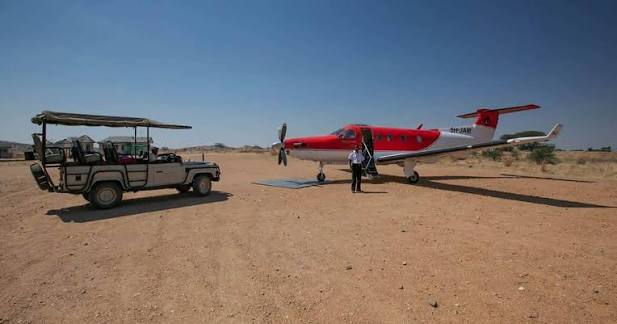
Most flights out of Seronera depart from late morning onwards, which leaves time for a final sunrise game drive. Aim to be at the airstrip 60 to 90 minutes before departure so the handover inspection is not rushed. Remember that your Serengeti park permit is valid for 24 hours from entry; plan your entry time so your final day does not tip you into an extra day’s fees.
What Happens at the Seronera Handover
The handover is quick when you have prepared well. Expect the following:
- Joint inspection: The driver checks bodywork, windscreen, tyres and spares against the original inspection sheet. Take photos at pick-up so you have a record.
- Equipment check: Camping gear, fridge, jacks and tools are counted and returned. Clean and pack them the night before.
- Fuel level: Confirm the fuel policy in advance. Some companies require a minimum level so the driver can reach Karatu.
- Paperwork: Hand back the vehicle documents and park receipts, and sign the return form.
- Deposit release: Your security deposit is normally released after the vehicle returns to Arusha and passes a final check, typically within a few working days.
Road Conditions and Self-Drive Tips
- Drive in daylight only. Game viewing inside the Serengeti is restricted to daylight hours, roughly 6:00 am to 6:30 pm, and night driving on rural roads is dangerous.
- Respect speed limits. Observe posted limits inside the parks (often 50 km/h on main roads and lower near wildlife and campsites). Speeding fines are enforced.
- Stay on designated tracks. Off-road driving is prohibited in most areas of the Serengeti and carries heavy fines.
- Manage tyre pressure. Slightly lower pressure improves comfort on corrugated gravel. Ask for guidance at pick-up and carry a compressor if available.
- Expect dust and mud. Dry-season dust reduces visibility, while black-cotton soil can be extremely slippery after rain. Engage 4WD early.
- Never leave your vehicle except at designated picnic sites, campsites, lodges and viewpoints.
- Keep the support number handy. Save your rental company’s 24/7 number and know your approximate location in case of a breakdown.
Best Time for an Arusha to Seronera Self-Drive
Seronera is excellent year-round thanks to the permanent water of the Seronera River, which supports one of Africa’s densest concentrations of resident lions, leopards and cheetahs. The Great Migration adds extra drama depending on the season.
| Months | Conditions | Wildlife Highlights |
| June – October | Dry, cool mornings, easiest driving | Excellent resident game; migration moves through west and north |
| November – December | Short rains, green landscapes | Herds return south through central Serengeti |
| January – February | Mostly dry, warm | Calving season on southern plains near Naabi Hill and Ndutu |
| March – May | Long rains, muddy roads | Lush scenery, fewer visitors, lower rates; 4×4 essential |
Rental Requirements
- Minimum driver age of 23 to 25, depending on the company, with at least two years of driving experience.
- A valid national driving licence plus an International Driving Permit (IDP) if your licence is not in English.
- A valid passport and Tanzania visa or e-Visa.
- A refundable security deposit, usually by card or bank transfer.
- A Visa or Mastercard for park fee payments, as gates are cashless.
- A Yellow Fever certificate if arriving from a country with risk of transmission.
Packing Checklist for the Journey
| Category | Essentials |
| Documents | Passport, visa, driving licence, IDP, rental agreement, insurance, payment cards |
| Navigation | Offline maps (Maps.me or Google offline), printed park map, power bank |
| Safari gear | Binoculars, camera with zoom lens, neutral-coloured clothing, hat, sunglasses |
| Health | Malaria prophylaxis, insect repellent, sunscreen, personal medication, hand sanitiser |
| Food & water | At least 5 litres of water per person per day, snacks, cool-box supplies |
| Flight-ready | Soft duffel bag within 15 kg, light jacket for cool mornings |
Why Book with Arusha Car Rental
At Arusha Car Rental, one-way safaris across East Africa are part of our everyday work. When you book a 4×4 from Arusha with drop-off at Seronera Airstrip, you get a well-maintained Toyota fleet, transparent pricing with the one-way fee shown upfront, a thorough route briefing, optional camping equipment and 24/7 support throughout your trip. We can also help you coordinate your onward flight so that your handover and departure fit together seamlessly.
| Perfection Anytime
Ready to plan your Arusha to Serengeti self-drive? Contact Arusha Car Rental with your travel dates, group size and preferred vehicle, and we will send you a tailored quote including the Seronera drop-off. |
Frequently Asked Questions
Can I really drop off a rental car at Seronera Airstrip?
Yes. Several Arusha-based companies offer one-way drop-off at Seronera Airstrip by prior arrangement. A company driver meets you at the airstrip, takes over the vehicle and drives it back to Arusha. You pay a one-way fee to cover the driver’s travel, park fees and fuel.
How much is the one-way drop-off fee?
It typically ranges from about USD 350 to 600, depending on the company, the vehicle and the season. The fee reflects the cost of positioning a driver at Seronera and the park fees paid to bring the vehicle back.
How long does it take to drive from Arusha to Seronera?
The driving time is about 7 to 9 hours without stops, covering roughly 325 km. Because of park speed limits and wildlife viewing, most travelers spread the journey over two or three days.
Is it safe to self-drive to the Serengeti?
Yes, for confident drivers in a suitable 4×4. Roads are well signposted, park rangers patrol the main routes and Seronera is well visited. Drive in daylight, stay on designated tracks and follow park rules.
Do I need to pay Ngorongoro fees just to drive through to the Serengeti?
Yes. The main road to the Serengeti from Arusha passes through the Ngorongoro Conservation Area, so you pay NCAA conservation and vehicle fees even if you do not descend into the crater. The crater service fee applies only if you drive down to the crater floor.
Can I fly from Seronera directly to Zanzibar?
Yes. Scheduled light-aircraft operators fly from Seronera to Zanzibar, with direct flight times of roughly 1 hour 45 minutes. Some services route via Arusha.
Can I camp in the Serengeti with a rental 4×4?
Absolutely. Seronera has several public campsites. Rent a Hilux or Land Cruiser with a rooftop tent or ground camping gear, and book campsite permits through TANAPA or your rental company.
What if my flight is delayed or cancelled?
Agree a contingency plan with your rental company in advance. In most cases the driver will wait or arrange for you to stay one more night at Seronera, though additional park fees and accommodation costs may apply.
Final Thoughts
A 4×4 car rental in Arusha with drop-off at Seronera Airstrip turns a classic out-and-back safari into a seamless one-way adventure. You drive the most scenic part of Tanzania once, end your trip in the wildlife-rich heart of the Serengeti and fly onward to your next destination without losing a day on the road. With the right vehicle, a well-planned route and a clear handover arrangement, it is one of the most rewarding ways to experience northern Tanzania on your own terms.