How Many Spare Tires Should I Bring on a Self-Drive Trip in Tanzania?
How Many Spare Tires Should I Bring on a Self-Drive Trip in Tanzania?, A practical, experience-based guide to tire numbers, types, and flat-tire preparedness for the Serengeti, Ngorongoro, Tarangire, and beyond.
| Quick Answer
For most self-drive safaris in Tanzania, bring two full-size spare tires. One spare is the bare legal minimum and is not enough for national park routes; two is the industry standard used by reputable 4×4 rental companies; and three is worth considering for long, remote circuits such as Lake Natron, Selous/Nyerere, or the far south during the rainy season. |
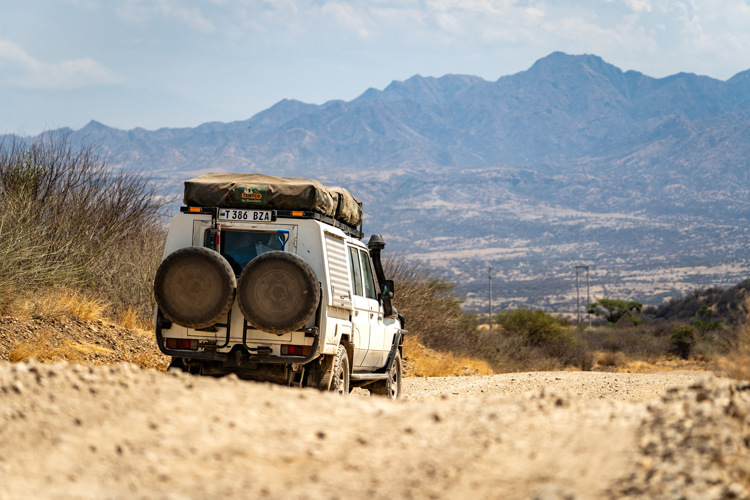
Why Spare Tires Matter So Much in Tanzania
Tanzania’s national parks were built for wildlife, not for smooth asphalt. Once you leave the tarmac at Arusha, Karatu, or Dar es Salaam, the vast majority of your driving happens on unpaved park tracks: sun-baked and cracked in the dry season, deeply rutted and waterlogged in the rains, and littered year-round with sharp volcanic rock, acacia thorns, and eroded gravel. These conditions are the single biggest reason flat tires are the most common mechanical issue self-drive travelers report in the Serengeti, Ngorongoro Conservation Area, and Tarangire.
A flat tire in a national park is rarely a five-minute roadside job. Mobile network coverage inside the parks is patchy to nonexistent, the nearest tire repair shop (locally called a “fundi wa matairi”) may be hours away in the nearest town, and self-recovery rules mean you cannot simply flag down a passing guided vehicle and expect a quick tow. Carrying enough spares to absorb more than one puncture is what turns a flat tire from a trip-ending emergency into a minor delay.
The Short Answer, by Trip Type
There is no single number that fits every itinerary. How many spares you need depends on where you are driving, how long you will be away from a town with tire repair services, and the season. The table below reflects what established Tanzanian self-drive operators actually equip their vehicles with.
| Trip Type | Recommended Spares | Why |
| City or paved-road only (Arusha, Dar es Salaam) | 1 | Tarmac roads and easy access to tire repair shops reduce risk. |
| Single park, short loop (e.g., Tarangire, Arusha NP, 2–4 days) | 2 | Rougher tracks and thorns raise puncture risk; a second spare covers a repeat flat. |
| Northern circuit multi-park (Serengeti, Ngorongoro, 7–14 days) | 2 | Standard practice among reputable rental fleets; long stretches between repair towns. |
| Remote or off-grid routes (Lake Natron, Selous/Nyerere, southern circuit) | 2–3 | Very limited fuel and repair infrastructure; rescue can take a full day. |
| Rainy season anywhere (March–May, Nov) | +1 above baseline | Mud and hidden ruts increase sidewall damage and rim strikes. |
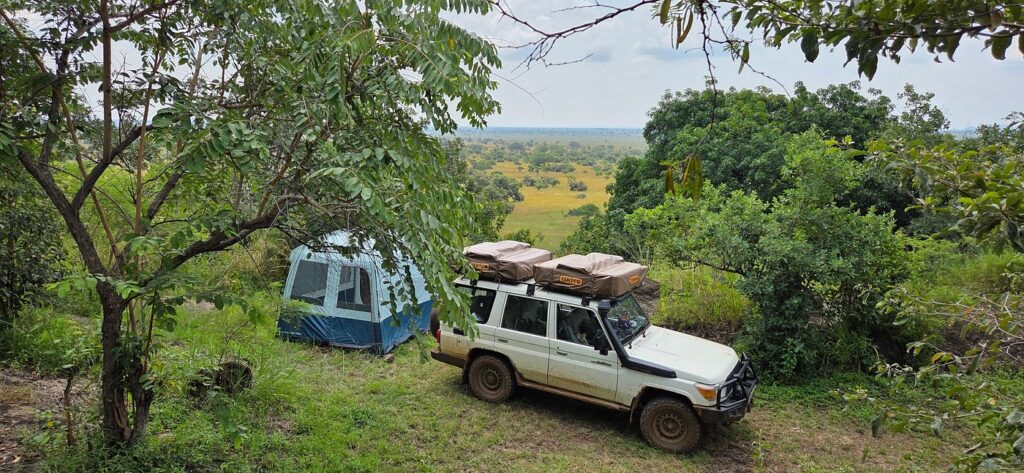
What Reputable Rental Companies Actually Provide
If you are hiring a 4×4 rather than bringing your own vehicle, you rarely need to source spares yourself — they come with the car. Across Tanzanian self-drive operators, two full-size spare tires mounted on matching rims is the norm for Land Cruiser Hardtops and Double Cabs used on safari, alongside a working jack, wheel wrench, and often a compressor and tire repair kit. Some outfitters running longer or more remote itineraries, particularly those including Lake Natron or the southern parks, will fit a third spare or a heavy-duty tube-and-tire combination on request.
This matters because it sets your baseline expectation: if you collect a rental vehicle in Arusha with only one spare and you’re heading into the Serengeti or south to Ruaha, ask the rental company directly for a second spare before you leave the yard. It is a normal, low-friction request, and a good operator will already anticipate it.
| Before You Drive Off the Rental Lot
Physically check that both spares are inflated to the correct pressure, not just present in their carriers. Confirm the jack and wheel wrench actually fit your specific vehicle — mismatched kits happen more often than travelers expect. Ask whether a tire repair kit (plug kit, extra valve stems) is included, and where the compressor is stored. Photograph the tread depth on all spares; this protects you if a dispute arises over pre-existing wear at drop-off. |
Full-Size Spares vs. Space-Savers: Why It Matters Here
Not all spare tires are equal, and the distinction is more important in Tanzania than almost anywhere else you might rent a car. A space-saver (the narrow, temporary spare found in many sedans) is rated for low speeds on paved roads for short distances only. It has no place on a safari vehicle. What you want, and what quality 4×4 rental companies provide by default, is a full-size spare that matches the tire specification on the other four wheels — same diameter, load rating, and ideally the same tread pattern.
- Full-size, matching spares: safe for extended off-road use at safari speeds, including on a second or third puncture.
- Mismatched or worn spares: can cause uneven handling and increase the chance of a second failure on rough tracks.
- All-terrain (A/T) tread: preferred over highway tread for the Serengeti’s combination of rock, sand, and mud.
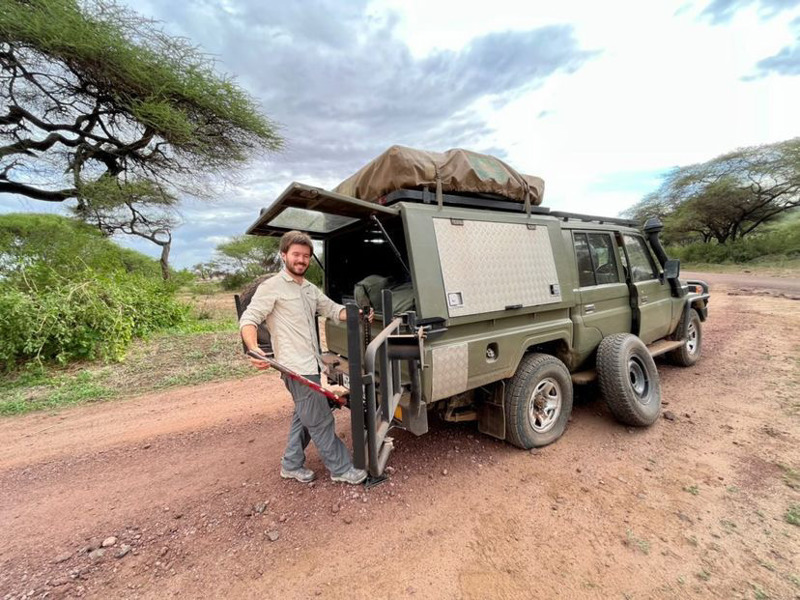
Factors That Push You Toward More Spares
1. Remoteness of the Route
Distance from the nearest town with a tire repair service is the single biggest factor. A day trip through Arusha National Park is forgiving; a multi-day loop through Nyerere National Park (formerly Selous) or the drive out to Lake Natron along the base of the Rift Valley escarpment is not. On these routes, a second flat with only one spare in reserve means you are stranded, not simply delayed.
2. Season
The long rains (March to May) and short rains (November) turn many park tracks into a mix of soft mud and hidden, sharp-edged ruts. Sidewall damage from getting stuck or from driving through washed-out sections is more common in the wet season, which is why several operators quietly add a third spare to vehicles booked for rainy-season departures.
3. Vehicle Load and Group Size
A fully loaded Land Cruiser carrying four to six passengers, camping gear, and a rooftop tent puts significantly more stress on tires than an empty vehicle. Heavier loads increase the chance of a puncture on rocky or corrugated sections and make it more important to have a genuine backup, not just a single spare you are relying on for the entire trip.
4. Trip Length
The longer the itinerary, the more cumulative exposure to rough surfaces, and the higher the statistical odds of more than one flat. A 3-day Tarangire loop and a 15-day northern-and-southern-circuit combination carry very different risk profiles even though both might nominally call for “2 spares” as a starting point.
What to Do If You Use Both Spares
Even with two spares, it is possible to have three flats on a long or unlucky trip. If this happens:
- Call your rental company’s emergency line first — reputable operators run 24/7 breakdown support and can dispatch a replacement tire or vehicle, particularly around the Serengeti, Ngorongoro, and Tarangire circuits.
- Ask lodge or camp staff for the nearest fundi wa matairi; most park gate towns (Naabi Hill, Seronera, Karatu) have informal repair options nearby.
- Do not attempt to drive far on a badly damaged tire, even at low speed — a shredded tire can damage the rim and turn a repairable problem into an expensive one.
- Keep a tire repair/plug kit and a 12V compressor in the vehicle regardless of how many spares you carry; a slow puncture can often be sealed and reinflated without ever touching the spare.
| A Word of Caution
Never rely on a single spare for a multi-day national park itinerary, even if the rental company only offers one as standard. Two punctures on the same trip are common enough that Tanzanian self-drive operators plan around them as a matter of course, not as a rare worst case. |
Packing Checklist: Tires and Related Essentials
- Two full-size spare tires (three for remote or rainy-season routes), correctly inflated
- Working jack rated for the vehicle’s loaded weight, plus a wheel wrench that fits the lug nuts
- 12V tire compressor and a basic tire repair/plug kit
- Tire pressure gauge — check spares at the start of every driving day, not just at pickup
- Gloves and a torch/headlamp for changing a tire after dark or in dusty conditions
- Wheel chocks or large rocks, useful for changing a tire safely on uneven or sloped ground
- Contact number for the rental company’s roadside assistance, saved offline
Frequently Asked Questions
Is one spare tire ever enough in Tanzania?
Only for short trips confined to paved roads and cities, such as staying within Arusha or Dar es Salaam. The moment your route includes national park tracks, one spare is considered inadequate by every established self-drive operator in the country.
Do rental companies charge extra for a second or third spare tire?
Generally no. A second full-size spare is standard equipment on safari-spec 4×4 rentals and is included in the daily rate. A third spare for remote itineraries is sometimes a request-based add-on, so it’s worth confirming at the time of booking rather than assuming.
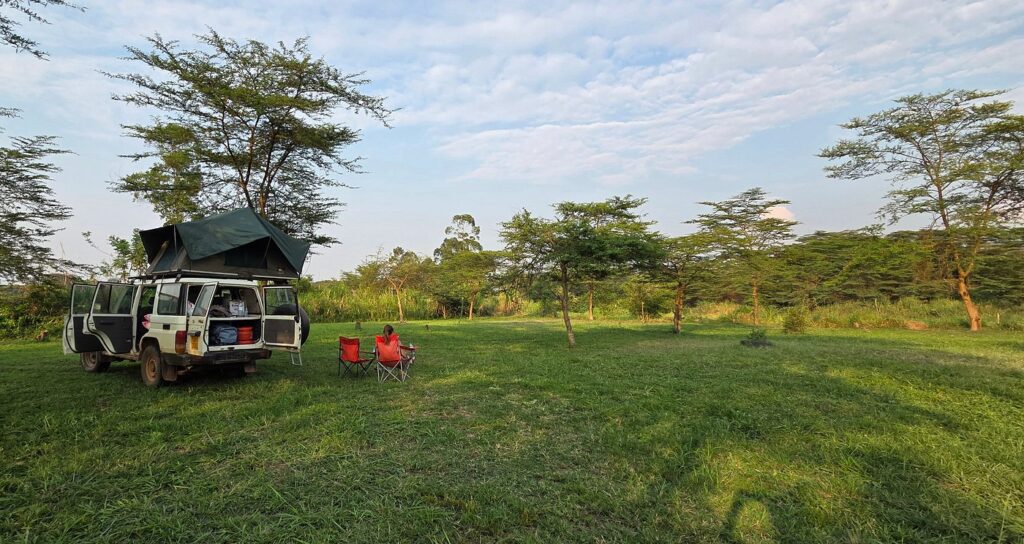
Can I buy a spare tire locally if mine gets damaged beyond repair?
Yes, tires are available in Arusha, Moshi, and Dar es Salaam, though selection for less common rim sizes can be limited. Inside the parks themselves, options are minimal, which is exactly why carrying enough spares before you set off matters more than being able to buy one later.
Does tire choice affect how many spares I need?
Indirectly, yes. Durable all-terrain tires in good condition puncture less often than worn or highway-pattern tires, but they do not remove the need for at least two full-size spares on any multi-day park itinerary — sharp rocks and thorns puncture good tires too.
Planning a self-drive route through Tanzania’s parks? Confirm your vehicle’s spare-tire count, jack, and compressor with your rental company before departure — it’s the single easiest step that prevents a puncture from becoming the story of your entire trip. Reach out to us, We can assist you plan your trip.