Self-Driver’s Guide to Serengeti National Park, Tanzania
Routes, gates, park fees, the Great Migration, campsites, road rules and a sample itinerary for exploring the Serengeti behind your own wheel
Few places on Earth match the sheer scale of the Serengeti. Almost 15,000 square kilometres of golden grassland, granite kopjes and acacia woodland stretch from the Ngorongoro highlands to the Kenyan border, hosting the largest overland animal migration on the planet and one of the densest concentrations of predators anywhere in Africa. Most visitors see it from the back seat of a tour operator’s Land Cruiser. But a growing number of travellers are discovering that Serengeti National Park can be explored on your own terms, in your own rented 4×4, at your own pace.
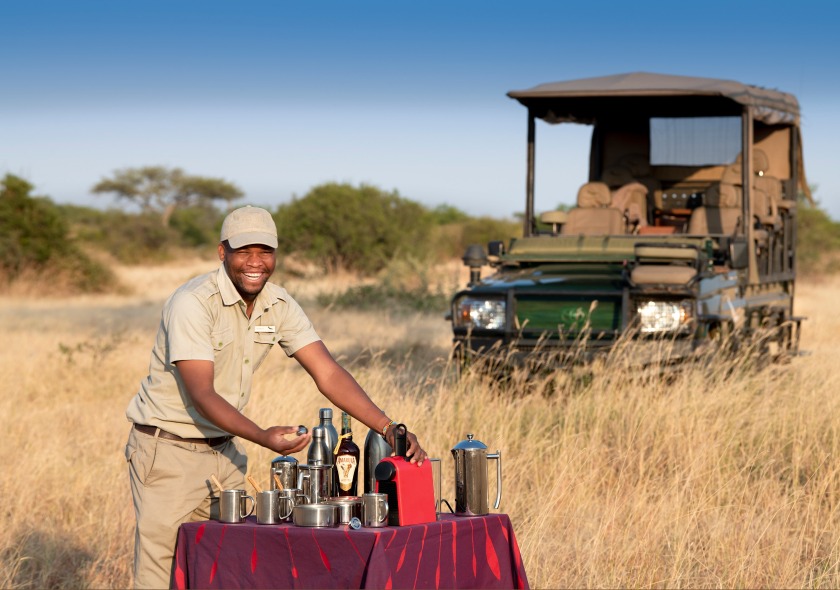
This self-driver’s guide to Serengeti National Park covers everything you need to plan an independent safari: whether self-driving is allowed, which vehicle to rent, how to get there from Arusha, Mwanza or Kenya, the park’s regions and gates, current park fees, where to camp or stay, road rules, fuel and navigation, Great Migration timing, a day-by-day itinerary, a budget breakdown and answers to the questions self-drivers ask most.
| Quick Answer: Can You Self-Drive in the Serengeti?
Yes. Tanzania National Parks Authority (TANAPA) allows private self-drive vehicles in Serengeti National Park. You need a capable 4×4, valid documents, a park permit paid at the gate (card or electronic payment — no cash), and a willingness to follow park rules: stay on marked tracks, drive only between roughly 6:00 am and 6:30 pm, and remain inside your vehicle except at designated areas. The most important caveat: the classic route from Arusha passes through the Ngorongoro Conservation Area, which charges its own separate entry and vehicle fees. Budget for both parks. |
Why Self-Drive the Serengeti?
A guided safari is easy, but a self-drive Serengeti safari offers a different kind of experience. You decide when to linger at a lion pride, when to move on, and when to sit quietly by a river crossing for three hours waiting for the herds to commit. For experienced overlanders, photographers and repeat visitors, that freedom is the whole point.
Advantages of a Self-Drive Safari
- Complete freedom of schedule. No fixed lunch stops or rushed sightings; stay with a cheetah hunt as long as you like.
- Lower costs for groups and long trips. Rental plus fuel is often cheaper than a guided package, especially for families or friends sharing one vehicle and camping.
- A deeper sense of adventure. Reading tracks, interpreting animal behavior and navigating the plains yourself is genuinely rewarding.
- Flexible accommodation. Mix public campsites, rooftop tent nights and the occasional lodge splurge.
- Easy multi-park routes. Combine Serengeti with Ngorongoro, Lake Manyara, Tarangire, or continue west toward Lake Victoria and Uganda.
Challenges to Be Honest About
- Distances are huge. Seronera to the Mara River is a full day of rough driving; underestimate distance and you risk being caught out after dark.
- No guide’s radio network. Guides share sightings constantly. Self-drivers rely on their own eyes, so finding leopards and rhinos takes patience.
- Corrugations and black cotton soil. Washboard gravel shakes vehicles hard; rain turns some tracks into slick, sticky mud.
- Limited services. Fuel, mechanics and supplies inside the park are scarce and unreliable.
- Fees add up. Serengeti and Ngorongoro charge per person per 24 hours, plus vehicle and camping fees.
Understanding the Serengeti’s Regions
The Serengeti is not one uniform plain. Each region has its own landscape, wildlife highlights and best season, and choosing the right area for your travel dates is the single biggest factor in a successful self-drive trip.
| Region | Landscape & Highlights | Best For | Self-Drive Notes |
| Central (Seronera) | Seronera River valley, kopjes, acacia; year-round resident wildlife | Leopards in sausage trees, lion prides, cheetah, year-round game | Best road network and visitor centre; easiest region for first-time self-drivers |
| Southern (Ndutu & Gol Kopjes) | Short-grass plains bordering Ngorongoro; Lake Ndutu and Lake Masek | Wildebeest calving (Jan–Mar), cheetah, big cats hunting newborns | Ndutu area lies partly in Ngorongoro Conservation Area (NCA fees apply); tracks become muddy in rain |
| Western Corridor (Grumeti) | Grumeti River, gallery forest, open plains stretching toward Lake Victoria | Migration and Grumeti crocodile crossings (May–July) | Reached easily from Mwanza via Ndabaka Gate; good alternative entry avoiding Ngorongoro |
| Northern (Kogatende, Lobo, Bologonja) | Rolling hills, Mara River, Lamai Wedge | Dramatic Mara River crossings (July–October) | Long drive from Seronera (5–7 hrs); very few services; fuel planning essential |
| Eastern (Gol Kopjes, Lobo area) | Remote kopjes and open plains | Solitude, cheetah, raptors | Some areas restricted; check current access rules at Naabi Hill |
| Moru Kopjes | Granite outcrops south-west of Seronera | Black rhino (rare), lion, Maasai rock paintings at Gong Rock | Short detour from Seronera; good half-day loop |
The Great Migration Month by Month
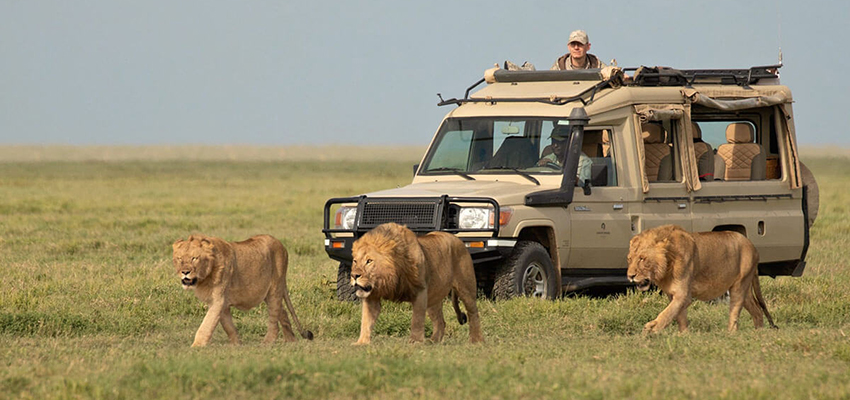
Over a million wildebeest, accompanied by zebra and gazelle, move in a continuous clockwise loop between the Serengeti and Kenya’s Maasai Mara, following rain and fresh grazing. Timing varies year to year with rainfall, so treat the table below as a guide rather than a guarantee.
| Month | Typical Herd Location | What You’ll See |
| January – February | Southern Serengeti (Ndutu, Kusini) and Ngorongoro plains | Calving season peaks in February; around 8,000 calves born daily; intense predator action |
| March | Southern plains | Late calving; herds start gathering for the move north-west |
| April – May | Central Serengeti, moving toward Western Corridor | Long rains; herds on the move; lush green landscapes and fewer visitors |
| June – July | Western Corridor (Grumeti River) and moving north | Grumeti River crossings; rutting season; herds head toward the north |
| August – October | Northern Serengeti (Kogatende, Lamai) and Maasai Mara | Famous Mara River crossings; peak season and busiest crossing points |
| November | Moving south through Lobo and eastern Serengeti | Short rains begin; herds stream back south |
| December | Arriving in Southern Serengeti | Herds settle on the short-grass plains ahead of calving |
| Self-Driver’s Tip: Follow the Herds, but Don’t Chase Them
Ask rangers at Naabi Hill Gate or the Seronera Visitor Centre where the main herds are concentrated before you set off. Herd locations shift weekly, and a single conversation can save you hundreds of kilometres of unnecessary driving. |
Best Time to Self-Drive the Serengeti
The Serengeti is a year-round destination, but road conditions matter far more to self-drivers than to guided travelers.
| Season | Months | Road Conditions | Verdict for Self-Drivers |
| Long dry season | June – October | Dry and dusty, firm tracks, heavy corrugations | Best overall. Easiest driving, excellent game viewing, migration in the west and north; busiest period |
| Short rains | November – December | Brief afternoon showers; mostly passable | Good. Fewer crowds, green scenery, herds moving south |
| Short dry season | January – February | Generally firm; occasional showers | Excellent. Calving season in the south; book campsites early |
| Long rains | March – May | Heavy rain, black cotton mud, flooded crossings | Challenging. Only for experienced off-road drivers; carry recovery gear; some lodges close |
Choosing the Right Vehicle for the Serengeti
Your vehicle is your lifeline. Serengeti roads range from graded gravel near Seronera to rocky, deeply rutted tracks in the north. A genuine 4×4 with high ground clearance, low-range gearing and good all-terrain tyres is non-negotiable.
| Vehicle | Seats | Best For | Pros | Considerations |
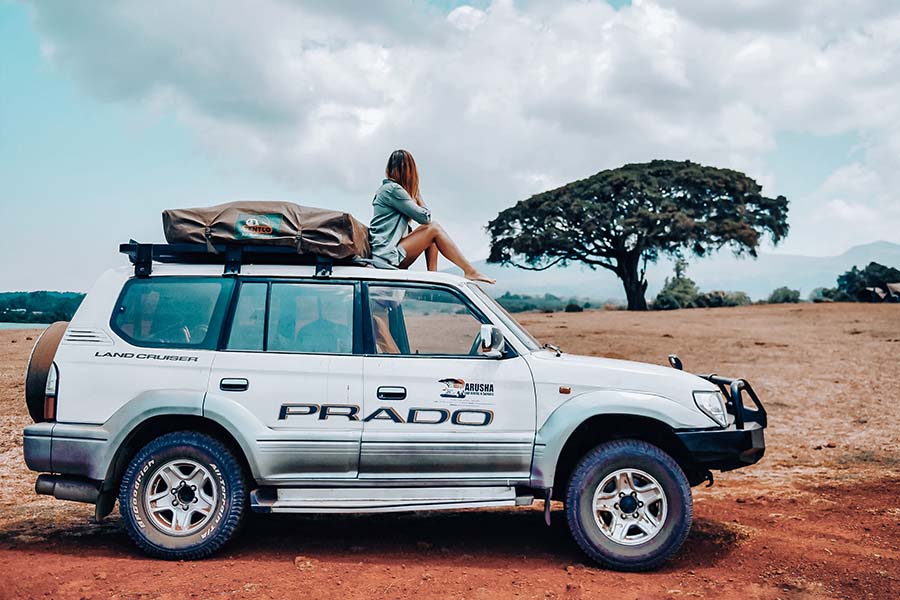
| Toyota Land Cruiser Prado | 4–5 | Couples and small families | Comfortable, reliable, good fuel economy for its class | Less cargo space for long camping trips |
| Toyota Land Cruiser 76/78/79 (often with rooftop tent) | 2–5 | Serious overlanders, long camping safaris | Bulletproof, huge fuel range, ideal for rough northern tracks | Firm ride; higher daily rate |
| Toyota Hilux Double Cab (rooftop tent) | 2–4 | Budget-conscious campers | Rugged, easy to repair in Tanzania, rooftop tent setup | Open load bed exposed to dust unless canopy fitted |
| Land Cruiser with pop-up roof | 5–7 | Photographers, groups | 360° viewing from a standing position | Larger, thirstier; higher rental cost |
| Toyota RAV4 / small SUV | 4–5 | Not recommended for Serengeti | Cheap to rent and run | Low clearance and soft suspension unsuited to corrugations and mud |
Essential Vehicle Equipment
- Two full-size spare tyres (punctures are common on volcanic rock and acacia thorns)
- High-lift or bottle jack, wheel spanner and tyre repair kit
- Tyre pressure gauge and compressor (deflate slightly on corrugations and sand)
- Long-range fuel tank or two 20-litre jerrycans
- Recovery gear: tow strap, shovel, sand tracks (especially March–May)
- Fridge or cool box, plus at least 20 litres of drinking water
- Rooftop or ground tent, sleeping gear and cooking equipment if camping
- Dual-battery system or USB charging for phones, GPS and cameras
- First aid kit and fire extinguisher (required by Tanzanian traffic regulations)
- Two reflective warning triangles (also legally required in Tanzania)
How to Get to Serengeti National Park by Car
Route 1: Arusha to Naabi Hill Gate (Classic Northern Circuit)
This is the most popular route for self-drivers. From Arusha, take the tarmac road west through Makuyuni and Mto wa Mbu to Karatu, the last major town with reliable fuel, ATMs and supermarkets. Beyond Karatu you enter the Ngorongoro Conservation Area at Lodoare Gate, climb the crater rim, and descend on a rough gravel road across the plains to Naabi Hill Gate, the main southern entrance to the Serengeti. From Naabi Hill, Seronera is another 45–50 km.
| Ngorongoro Transit Fees — Don’t Get Caught Out
Driving from Arusha to the Serengeti means crossing the Ngorongoro Conservation Area, which is managed separately by the Ngorongoro Conservation Area Authority (NCAA), not TANAPA. You will pay NCAA conservation fees per person and a vehicle fee to transit — even if you do not descend into the crater. Descending into the crater itself carries an additional crater service fee per vehicle. Your NCAA permit is valid for 24 hours, so time your transit carefully. If you plan to visit the crater on the way back, you will pay again. |
Route 2: Mwanza to Ndabaka Gate (Western Corridor)
From Mwanza on Lake Victoria, drive north-east on the tarmac Mwanza–Musoma highway for roughly 140 km to Ndabaka Gate. This is an excellent option for travellers coming from Uganda via the Mutukula border and Bukoba, or for anyone wanting to avoid the Ngorongoro transit fees. It is also the best entry point for the Grumeti River crossings between May and July.
Route 3: Musoma to Fort Ikoma Gate
From Musoma, head toward Bunda and then east to Ikoma and Fort Ikoma Gate, which gives quick access to the northern Seronera area and the Grumeti region.

Route 4: From Kenya
The Bologonja Gate on the Kenya–Tanzania border near the Maasai Mara has historically been closed to tourist cross-border traffic, so you cannot drive directly from the Mara into the Serengeti. Self-drivers coming from Kenya usually cross at Namanga (to Arusha) or Isebania/Sirari (toward Tarime and Musoma). Always confirm current border status before you travel, and ensure your rental company has authorised cross-border use with the correct paperwork, including COMESA Yellow Card insurance and a Temporary Import Permit.
| Route | Approx. Distance | Approx. Driving Time | Road Surface |
| Arusha → Karatu | 140 km | 2.5 hrs | Tarmac |
| Karatu → Naabi Hill Gate (via Ngorongoro) | 145 km | 3.5–4 hrs | Gravel and rough corrugations |
| Naabi Hill Gate → Seronera | 48 km | 1–1.5 hrs | Gravel (corrugated) |
| Mwanza → Ndabaka Gate | 140 km | 2.5 hrs | Tarmac |
| Ndabaka Gate → Seronera | 145 km | 3.5–4 hrs | Gravel |
| Seronera → Kogatende (Mara River) | 190 km | 5–7 hrs | Rough gravel and rocky track |
| Seronera → Ndutu | 90 km | 2.5–3 hrs | Gravel and off-plain tracks |
Park Gates and Entry Procedures
At the gate, park your vehicle in the designated area and head to the TANAPA office with your documents. The process typically takes 20–60 minutes, longer during peak season mornings.
Step-by-Step Entry Process
- Present passports for all passengers, the vehicle registration and your rental authorisation letter.
- State your planned number of days and where you will stay (lodge name or campsite), as concession or camping fees depend on this.
- Pay the conservation, vehicle and camping/concession fees by Visa or Mastercard, or through a GePG control number paid in advance via bank or mobile money. Cash is not accepted.
- Collect your printed permit and receipt; keep them accessible, as rangers may check at any point in the park.
- Pick up a park map and ask about current herd locations, closed tracks and any special rules.
| The 24-Hour Rule
Serengeti permits are valid for 24 hours from the time of entry. If you enter at 2:00 pm on day one and exit at 9:00 am on day three, you will be charged for two periods. Plan entry and exit times to avoid paying for an extra day, and exit the gate before your permit expires to avoid penalties. |
Serengeti National Park Fees for Self-Drivers (2027)
Park fees are reviewed by TANAPA, usually with new rates taking effect on 1 July. Published rates vary between sources, so the figures below are approximate guidelines for foreign non-residents. Always confirm current rates with TANAPA or your rental company before travelling.
| Fee Type | Approx. Rate (Foreign Non-Resident) | Notes |
| Adult conservation fee | USD 70 + 18% VAT (≈ USD 82.60) | Per person per 24 hours; often quoted as USD 83 |
| Child conservation fee (5–15 yrs) | ≈ USD 20–24 + VAT | Per child per 24 hours; under-5s free |
| Public campsite | ≈ USD 30 + VAT | Per adult per night |
| Special campsite | ≈ USD 50 + VAT | Per adult per night; must be booked in advance |
| Lodge/tented camp concession fee | ≈ USD 60 + VAT | Per adult per night; usually added to your lodge bill |
| Vehicle fee – Tanzania-registered | Charged in Tanzanian shillings (modest) | Per vehicle per entry; depends on vehicle weight |
| Vehicle fee – foreign-registered | ≈ USD 40 or more | Per vehicle per entry; applies to Kenyan or Ugandan-registered rentals |
| Money-Saving Tip
Renting a Tanzania-registered vehicle (rather than driving a Kenyan or Ugandan vehicle across the border) keeps vehicle fees much lower. Entering from Mwanza via Ndabaka Gate also avoids Ngorongoro transit fees entirely if you do not need to pass through the NCA. |
Documents You Need
| Document | Required? | Notes |
| Valid passport | Yes | At least 6 months validity and blank pages |
| Tanzania visa / e-Visa | Yes (most nationalities) | Apply online via the official Tanzania Immigration e-Visa portal before travel |
| Driving licence | Yes | Home licence in English; an International Driving Permit (IDP) is strongly recommended |
| Vehicle registration (logbook copy) | Yes | Supplied by the rental company |
| Rental agreement and authorisation letter | Yes | Confirms you are permitted to drive the vehicle in national parks |
| Insurance certificate | Yes | Comprehensive cover; COMESA Yellow Card if crossing borders |
| Yellow fever certificate | Sometimes | Required if arriving from or transiting a yellow-fever-risk country (including Kenya and Uganda) |
| Payment card | Yes | Visa or Mastercard for cashless park payments; carry a backup card |
Serengeti Road Conditions and Driving Rules
What the Roads Are Like
Main routes between Naabi Hill, Seronera and Ndabaka are graded gravel, but heavy traffic creates severe corrugations that rattle vehicles and loosen bolts. Further north and in the Western Corridor, tracks become narrower, rockier and less defined. In the rainy season, black cotton soil turns into a deep, slippery clay that can trap even capable 4x4s, and seasonal river crossings may flood.
TANAPA Park Rules Every Self-Driver Must Follow
- Stay on designated roads and tracks. Off-road driving is prohibited in most of the park and carries heavy fines.
- Observe the 50 km/h speed limit. Slower is safer; animals cross unexpectedly and corrugations punish speed.
- Drive only during daylight. Game drives are allowed roughly from 6:00 am to 6:30 pm. Be at your campsite or lodge before dark.
- Stay inside your vehicle. Exit only at designated picnic sites, campsites, lodges and visitor centres.
- Keep a respectful distance from wildlife. Never block an animal’s path, surround a predator or crowd river crossing points.
- No feeding of animals, no littering, no loud music. Carry all rubbish out of the park.
- Do not use drones. Drone flying is prohibited without special permits.
- Respect closed areas. Some tracks and crossing points are restricted seasonally or for conservation reasons.
Fuel, Navigation and Connectivity
Fuel: Fill up completely in Karatu (from Arusha) or Mwanza/Bunda (from the west). A fuel station operates at Seronera, but supply is unreliable and prices are high. Carry extra fuel in jerrycans, particularly if heading north to Kogatende, where a round trip can exceed 400 km.
Navigation: Download offline maps before you go. Tracks4Africa (T4A) is the gold standard for African overland navigation; Maps.me and offline Google Maps are useful backups. Carry a printed TANAPA map, as junctions are poorly signposted away from Seronera.
Connectivity: Mobile coverage exists around Seronera, some lodges and parts of the Western Corridor, but is patchy or absent elsewhere. A Tanzanian SIM (Vodacom or Airtel) is worth buying in Arusha. For remote northern routes, consider a satellite messenger for emergencies.
Where to Stay: Campsites and Lodges
Public Campsites
Public campsites are the backbone of a budget self-drive Serengeti safari. Facilities are basic: usually a toilet block, cold or occasionally warm showers, a kitchen or dining shelter and water (not always drinkable). They are unfenced, so wildlife, including hyenas, lions and buffalo, may wander through at night.
| Area | Campsites | Notes |
| Seronera (Central) | Pimbi, Tumbili, Nyani, Dik Dik, Ngiri and others | Closest to the visitor centre; busiest; good base for central game drives |
| Lobo (North-East) | Lobo public campsite | Quieter; useful stop on the way to the north |
| Western Corridor | Campsites near Ndabaka and Kirawira area | Check availability at the gate; ideal during Grumeti crossings |
| Southern / Ndutu | Campsites in the Ndutu area (NCA jurisdiction) | NCA camping and conservation fees apply; superb in calving season |
Special Campsites
Special campsites are private, remote sites with no facilities, booked exclusively for your group. They offer an unforgettable wilderness experience but must be reserved in advance through TANAPA or a licensed operator, and you must be fully self-sufficient with water, toilet arrangements and supplies.
Lodges and Tented Camps
| Budget Level | Examples | Approx. Price Per Person/Night |
| Budget / Mid-range | Seronera Wildlife Lodge, Serengeti public campsites with rooftop tent | USD 30 – 250 |
| Mid-range | Serengeti Sopa Lodge, Serengeti Serena Safari Lodge, mobile tented camps | USD 250 – 600 |
| Luxury | Four Seasons Safari Lodge Serengeti, Singita Grumeti properties, high-end northern tented camps | USD 800 – 2,500+ |
Prices are indicative and vary by season; lodge rates usually exclude park and concession fees. Self-drivers staying at lodges should confirm that the property is accessible by private vehicle and ask for directions or GPS coordinates in advance.
Wildlife to Look For and Where to Find It
| Animal | Best Areas | Self-Driver’s Spotting Tip |
| Lion | Seronera, Simba Kopjes, Moru Kopjes, Ndutu | Scan the tops of kopjes in the early morning; look for vehicles clustered in one spot |
| Leopard | Seronera River valley | Check the branches of sausage and yellow-barked acacia trees, especially along the river |
| Cheetah | Southern plains, Gol Kopjes, Ndutu | Look for upright silhouettes on termite mounds and open grassland during the day |
| Elephant | Seronera, Lobo, Western Corridor, Northern Serengeti | Common near woodland and rivers; give breeding herds plenty of space |
| Black rhino | Moru Kopjes (rare) | Sightings are rare; ask rangers about recent activity |
| Hippo & crocodile | Retima Hippo Pool, Grumeti River | Retima Pool near Seronera is a designated stop with hundreds of hippos |
| Wildebeest & zebra | Varies with the migration | Ask at the gate where herds are currently concentrated |
| Birdlife | Throughout; Ndutu lakes for flamingos | Look for ostrich, secretary bird, kori bustard and the endemic grey-breasted spurfowl |
Sample 5-Day Self-Drive Itinerary: Arusha to the Serengeti
This route suits first-time Serengeti self-drivers travelling in the dry season and combines Serengeti with the Ngorongoro Crater on the return.
| Day | Route | Highlights | Overnight |
| 1 | Arusha → Karatu (140 km, tarmac) | Stock up on fuel, food and water; optional visit to Lake Manyara | Karatu lodge or campsite |
| 2 | Karatu → Ngorongoro → Naabi Hill → Seronera (~190 km) | Crater rim viewpoint, Olduvai Gorge detour, Naabi Hill picnic and views, afternoon game drive in Seronera | Seronera public campsite or lodge |
| 3 | Full day in Central Serengeti | Seronera River leopards, Retima Hippo Pool, Simba Kopjes lions | Seronera |
| 4 | Seronera → Moru Kopjes → Seronera, or seasonal detour to Ndutu or Western Corridor | Gong Rock paintings, rhino search, migration herds (seasonal) | Seronera or chosen region |
| 5 | Seronera → Naabi Hill → Ngorongoro Crater → Karatu | Early exit, crater descent (crater fee applies), return to Karatu | Karatu |
Have more time? Add two days to drive north to the Mara River between July and October, or extend west via Ndabaka to Mwanza and continue toward Rubondo Island or the Uganda border.
Budget Breakdown: 5-Day Self-Drive for Two
The figures below are approximate estimates for two foreign non-resident adults camping in the dry season. Use them as a starting point and adjust for your travel style.
| Expense | Approx. Cost (USD) | Notes |
| 4×4 rental with rooftop tent (5 days) | 600 – 1,000 | USD 120–200 per day depending on vehicle and season |
| Fuel (approx. 900 km) | 250 – 350 | Diesel prices are higher inside the park |
| Serengeti conservation fees (2 adults × 3 days) | ≈ 495 | Based on ≈ USD 82.60 per adult per 24 hours |
| Serengeti camping fees (2 adults × 3 nights) | ≈ 210 | Public campsites at ≈ USD 35 including VAT |
| Vehicle entry fees (Tanzania-registered) | ≈ 20 – 50 | Depends on vehicle weight and entries |
| Ngorongoro transit and crater fees | ≈ 450 – 600 | Conservation fees for two people, vehicle fees and crater service fee |
| Food, water and supplies | 150 – 250 | Self-catering; buy supplies in Arusha or Karatu |
| Karatu accommodation (2 nights) | 60 – 300 | Campsite to mid-range lodge |
| Estimated total | ≈ 2,250 – 3,250 | Roughly USD 1,100 – 1,600 per person |
Safety Tips for Self-Driving the Serengeti
| Top Safety Rules
Never leave your vehicle near wildlife. Lions and buffalo can be hidden in long grass just metres away. Plan to arrive before dark. Build in buffer time for punctures, sightings and slow corrugated roads. At campsites, stay alert at night. Use a torch, never walk far from your tent, and store food inside the vehicle. Tsetse flies are common in wooded areas. Wear light, neutral colours (avoid blue and black) and use repellent. Carry enough water. Have at least 5 litres per person per day plus an emergency reserve. Share your route. Tell your rental company and the gate staff where you are heading each day. Know who to call. Save your rental company’s 24/7 roadside number and the Seronera park headquarters contact. |
Health Considerations
Serengeti lies in a malaria zone, so consult a travel clinic about antimalarial medication before travelling. Use insect repellent containing DEET or picaridin, sleep under a net if your tent is not sealed, and carry rehydration salts. Medical facilities inside the park are minimal; the nearest well-equipped hospitals are in Arusha and Mwanza. Comprehensive travel insurance that includes medical evacuation is strongly recommended.
Self-Drive Serengeti Packing Checklist
| Category | Items |
| Clothing | Neutral-coloured layers, warm fleece for cold mornings, rain jacket, wide-brimmed hat, sturdy closed shoes |
| Wildlife viewing | Binoculars (one pair per person), camera with 100–400 mm or longer zoom lens, bean bag for window support, spare batteries and memory cards |
| Navigation | Offline maps (Tracks4Africa, Maps.me), printed park map, phone mount, power bank |
| Camping | Sleeping bag rated to around 10°C, headlamp, camp chairs, cooking stove and gas, cool box, water containers |
| Health & hygiene | Sunscreen, insect repellent, antimalarials, first aid kit, hand sanitiser, wet wipes, toilet paper |
| Documents & money | Passport, visa, driving licence and IDP, rental papers, insurance, two payment cards, small amount of Tanzanian shillings for outside the park |
| Vehicle extras | Duct tape, cable ties, multi-tool, spare fuses, torch, rubbish bags |
Responsible Self-Drive Safari Practices
Self-drivers have a special responsibility because there is no guide to set the standard. Keep a respectful distance from wildlife, switch off your engine at sightings, never pressure animals at river crossings and avoid crowding predators on a hunt. Take all waste out of the park, conserve water at campsites and support local communities by buying supplies in Karatu, Mto wa Mbu or Mugumu. Your park fees directly fund anti-poaching patrols, research and community projects around the Serengeti ecosystem.
Frequently Asked Questions
Is it safe to self-drive in Serengeti National Park?
Yes, for prepared drivers who follow park rules. The main risks are vehicle breakdowns, punctures and getting caught out after dark rather than wildlife. Stay in your vehicle, drive in daylight, carry spare tyres and plan conservative daily distances.
Do I need a guide to enter the Serengeti?
No. Private self-drive vehicles can enter without a guide. However, some activities, such as walking safaris and certain restricted areas, require an armed ranger or licensed guide.
Can I pay park fees in cash?
No. TANAPA operates a cashless system. Pay by Visa or Mastercard at the gate, or obtain a GePG control number to pay via bank or mobile money in advance.
What is the best vehicle for a Serengeti self-drive?
A Toyota Land Cruiser (Prado, 76, 78 or 79) or Toyota Hilux double cab with high clearance and low-range 4×4. Small SUVs such as the RAV4 are not recommended for Serengeti roads.
Can I drive from Kenya’s Maasai Mara directly into the Serengeti?
Not usually. The Bologonja border crossing has historically been closed to tourist traffic. Drivers from Kenya typically cross at Namanga or Isebania/Sirari. Check current status before you travel.
Is there fuel inside the Serengeti?
There is a fuel station at Seronera, but supply is unreliable and prices are high. Fill up in Karatu or Mwanza and carry jerrycans.
How many days do I need in the Serengeti?
A minimum of two full days in the park is recommended, with three to four days ideal. Allow additional days if you want to visit the Mara River in the north or the Western Corridor.
Can I camp anywhere in the Serengeti?
No. Camping is permitted only at designated public or special campsites. Wild camping outside these sites is not allowed.
Do I need to book public campsites in advance?
Public campsites are generally paid on arrival at the gate. Special campsites must be booked in advance. In peak season, arrive early in the day to secure the best spots.
Can I visit the Ngorongoro Crater on a self-drive?
Yes, but separate NCAA fees apply, including a crater service fee per vehicle. Check current NCAA regulations for private vehicles and descent times before you go.
Final Thoughts
A self-drive safari in Serengeti National Park is one of the great overland adventures in Africa. With the right 4×4, careful route planning, a realistic budget and respect for the park’s rules, you can experience the endless plains, the drama of the Great Migration and close encounters with Africa’s great predators entirely on your own terms. Start early, drive slowly, ask rangers for advice, and leave plenty of time for those unplanned moments that make the Serengeti unforgettable.
| Plan Your Serengeti Self-Drive Safari
Need a fully equipped 4×4 with a rooftop tent, camping gear and cross-border paperwork for your Tanzania road trip? Arusha Car Rental can help you choose the right vehicle, plan your route through the Northern Circuit and prepare every document for a smooth Serengeti self-drive adventure. |