Best Serengeti National Park Guide for Self-Drivers in Tanzania
Routes, Gates, Park Fees, Campsites, Migration Timing, Itineraries & Driving Tips for 2026
Why Self-Drive the Serengeti?
Few places on Earth match the raw scale of the Serengeti. Stretching across roughly 14,763 square kilometres of open grassland, acacia woodland and granite kopjes in northern Tanzania, Serengeti National Park is home to the Great Wildebeest Migration, one of the densest lion populations in Africa, and a cast of predators and grazers that makes every game drive unpredictable. It is a UNESCO World Heritage Site and, for many travelers, the very definition of an African safari.
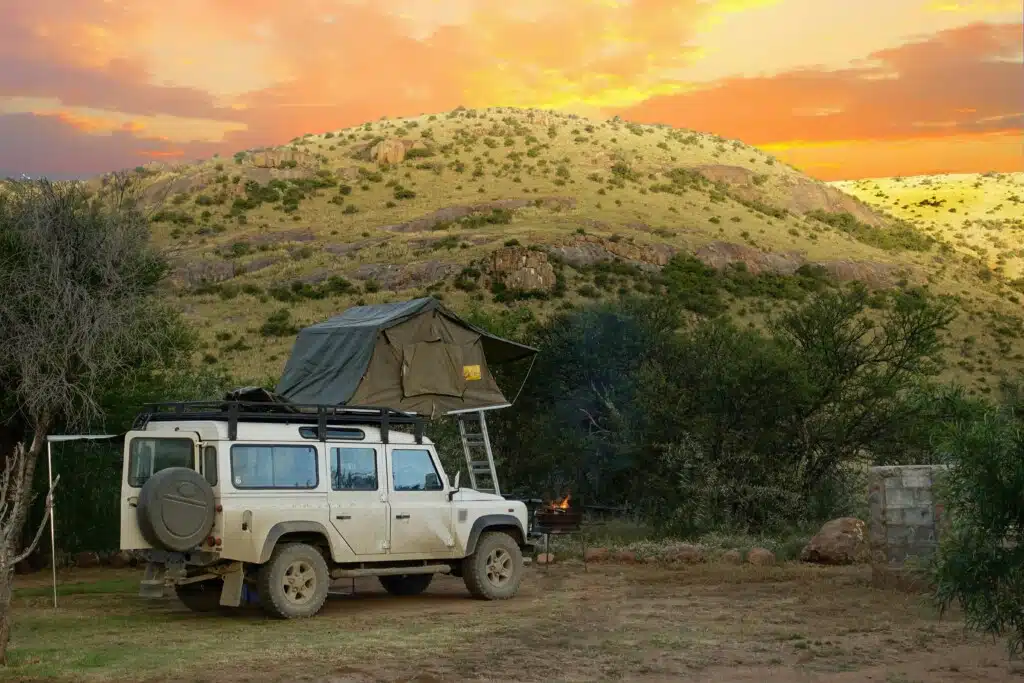
Most visitors experience the Serengeti from the back seat of a tour operator’s Land Cruiser. But a growing number of independent travelers are choosing a different path: renting a 4×4, loading up a rooftop tent or booking lodges themselves, and driving the park on their own terms. A self-drive safari offers freedom to linger at a lion sighting for two hours, to leave camp before sunrise, to follow your own curiosity down a quiet track, and often to save significantly on the cost of a fully guided trip.
Self-driving the Serengeti is entirely possible and legal, but it rewards careful preparation. Distances are vast, roads are corrugated and dusty, fuel is limited, mobile coverage is patchy and park rules are strictly enforced. This guide gives you everything you need: the best routes and entry gates, 2026 park fees, the right vehicle, where to camp or stay, how to time the migration, sample itineraries, driving rules, safety advice and a full packing checklist.
| Quick Facts: Serengeti National Park
Location: Northern Tanzania, Mara and Simiyu regions, bordering Kenya’s Maasai Mara Size: Approx. 14,763 km² Managed by: Tanzania National Parks Authority (TANAPA) Nearest city: Arusha (approx. 325 km to Naabi Hill Gate) or Mwanza (approx. 145 km to Ndabaka Gate) Main gates for self-drivers: Naabi Hill (southeast), Ndabaka (west), Ikoma (northwest), Klein’s (northeast) Park entry (non-resident adult): approx. USD 70 + 18% VAT = USD 82.60 per 24 hours Best for: Great Migration, big cats, open-plains photography, camping under vast skies Self-drive difficulty: Moderate — 4×4 strongly recommended; good navigation and planning essential |
Is a Serengeti Self-Drive Safari Right for You?
Before you book a vehicle, it is worth being honest about what self-driving the Serengeti involves. The table below compares a self-drive trip with a traditional guided safari.
| Factor | Self-Drive Safari | Guided Safari |
| Cost | Lower — you pay for vehicle, fuel, fees and accommodation only | Higher — guide, vehicle and operator margin included |
| Flexibility | Total freedom over timing, route and pace | Fixed itinerary; group decides pace |
| Wildlife spotting | Depends on your own skill; can miss hidden animals | Guides use radio network and expert tracking |
| Navigation | You handle maps, tracks and junctions | Guide knows every track |
| Mechanical issues | You manage punctures and breakdowns (with rental support) | Driver handles everything |
| Experience | Adventurous, immersive, rewarding | Relaxed, informative, low-stress |
| Best for | Confident drivers, repeat safari-goers, campers, photographers | First-timers, families wanting ease, short trips |
A self-drive suits you if you are comfortable driving long distances on gravel and dirt, can change a tyre, enjoy planning, and are happy to accept that you will sometimes miss a leopard that a trained guide would have spotted. Many travellers find a middle ground: self-drive for most of the trip, then hire a local guide for a day in the Seronera area to learn the ropes.
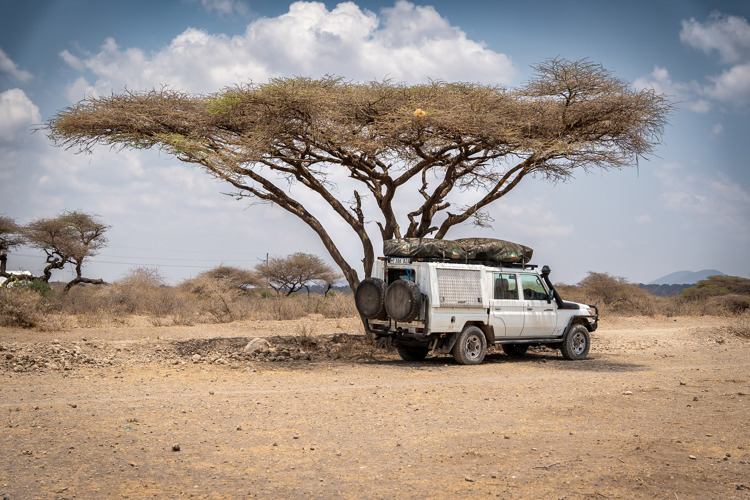
Understanding the Serengeti: Key Regions for Self-Drivers
The Serengeti is not one uniform landscape. Each region has its own character, road network and best season. Knowing them helps you plan a route that follows the wildlife.
1. Central Serengeti (Seronera Valley)
Seronera is the heart of the park and the best starting point for first-time self-drivers. The Seronera River valley holds water year-round, which means resident wildlife is present in every season. This is the classic place for leopards in sausage trees, lion prides on kopjes, cheetahs on the plains, and large herds of buffalo, giraffe, topi and Thomson’s gazelle.
- Road network: Dense and well-signposted, making navigation easier than elsewhere
- Facilities: Park headquarters, visitor centre, fuel station, public campsites, airstrip and several lodges
- Highlights: Seronera visitor centre walkway, Retima hippo pool, Simba Kopjes, Maasai Kopjes, Makoma Hill
- Best time: Year-round
2. Southern Serengeti and Ndutu
The short-grass plains of the south are where the migration herds gather during the green season. Between January and March, hundreds of thousands of wildebeest give birth here, attracting lions, cheetahs, hyenas and wild dogs in extraordinary numbers. The Ndutu area straddles the boundary with the Ngorongoro Conservation Area (NCA), so different fees and rules may apply depending on exactly where you stay.
- Highlights: Calving season, Lake Ndutu and Lake Masek, Gol Kopjes, Naabi Hill viewpoint
- Self-drive note: Tracks become muddy and confusing in the rains; GPS tracks are essential
- Best time: December to March
3. Western Corridor (Grumeti)
A long finger of the park reaching toward Lake Victoria, the Western Corridor is quieter and greener. Between May and July, the migrating herds move through here and attempt the Grumeti River crossings, where some of Africa’s largest Nile crocodiles lie in wait. It is the most convenient region if you enter from Mwanza via Ndabaka Gate.
- Highlights: Grumeti River crocodiles, Kirawira area, Ndabaka plains, black-and-white colobus in riverine forest
- Best time: May to July
4. Northern Serengeti (Lobo and Kogatende)
The north is wild, remote and spectacular. From July to October, the herds reach the Mara River near Kogatende, producing the dramatic river crossings seen in wildlife documentaries. The Lobo area offers rolling hills and kopjes with good resident game. Distances from Seronera are long (around 3 to 5 hours of driving each way), so allow at least two nights here.
- Highlights: Mara River crossings, Lamai Triangle, Bologonja Springs, Lobo Kopjes
- Self-drive note: The Bologonja border post to Kenya is not open to tourist vehicles — you cannot cross directly into the Maasai Mara
- Best time: July to October (also a good shoulder period in November)
5. Eastern Serengeti (Gol and Moru Kopjes)
East of Seronera, the plains open into an endless horizon dotted with granite outcrops. The Moru Kopjes shelter a small population of black rhino and the famous Gong Rock, decorated with Maasai paintings. The Gol Kopjes are prime cheetah country. Some eastern areas have restricted access, so stick to designated roads and ask at the gate.

| Region | Best Months | Main Draw | Self-Drive Difficulty |
| Central (Seronera) | All year | Big cats, resident game | Easy–Moderate |
| Southern / Ndutu | Dec–Mar | Calving season, predators | Moderate (muddy in rains) |
| Western Corridor | May–Jul | Grumeti River crossings | Moderate |
| Northern (Lobo/Kogatende) | Jul–Oct | Mara River crossings | Moderate–Challenging (remote) |
| Eastern (Moru/Gol) | Nov–Jun | Cheetah, rhino, kopjes | Moderate |
How to Get to the Serengeti by Car
Route 1: Arusha to Naabi Hill Gate (Most Popular)
The classic route starts in Arusha and heads west on the tarmac road through Makuyuni and Mto wa Mbu (near Lake Manyara) to Karatu. Karatu is your last reliable stop for fuel, cash, groceries and supplies. From there you enter the Ngorongoro Conservation Area at Lodoare Gate, climb up and over the crater rim, then descend onto the plains to Naabi Hill Gate, the main southeastern entrance to the Serengeti.
| Leg | Distance (approx.) | Driving Time | Road Surface |
| Arusha → Mto wa Mbu | 120 km | 1.5–2 hrs | Tarmac |
| Mto wa Mbu → Karatu | 30 km | 30 min | Tarmac |
| Karatu → Lodoare Gate (NCA) | 15 km | 20 min | Tarmac |
| Lodoare Gate → Naabi Hill Gate | ~95 km | 2.5–3 hrs | Rough gravel, corrugated |
| Naabi Hill Gate → Seronera | ~50 km | 1–1.5 hrs | Gravel, heavily corrugated |
| Total Arusha → Seronera | ~325 km | 7–8 hrs | Mixed |
| Important: The Ngorongoro Transit Fee
There is no way to reach Naabi Hill Gate from Arusha without passing through the Ngorongoro Conservation Area. Even if you do not stop at the crater, you must pay the NCA conservation/transit fee per person (approx. USD 70.80 for non-resident adults, including VAT) plus a vehicle fee. Foreign-registered vehicles pay considerably more than Tanzanian-registered ones. Your NCA permit is time-limited, so plan to drive through without long detours. If you want to visit the crater floor, budget for the crater service fee (approx. USD 295 per vehicle) and a separate permit. |
Route 2: Mwanza to Ndabaka Gate (Western Access)
If you are arriving from Lake Victoria, Uganda via Mutukula, or flying into Mwanza, the western approach is shorter and avoids the Ngorongoro transit fees entirely. From Mwanza, follow the tarmac Musoma road northeast for about 145 km (2.5 hours) to Ndabaka Gate, which leads straight into the Western Corridor. From Ndabaka it is roughly 145 km more on gravel to Seronera (3.5 to 4 hours).
Route 3: Northern and Northwestern Access
Ikoma (Fort Ikoma) Gate in the northwest is reached via Musoma and Mugumu, and provides a quieter entrance to central and northern Serengeti. Klein’s Gate in the northeast is accessed through Loliondo from Lake Natron — a rugged, remote route through Maasai country that suits experienced drivers combining Lake Natron with the northern Serengeti.
Serengeti Entry Gates at a Glance
| Gate | Location | Access From | Best For |
| Naabi Hill | Southeast | Arusha via Ngorongoro | Most self-drivers; south and central |
| Ndabaka | West | Mwanza / Lake Victoria | Western Corridor; travellers from Uganda |
| Ikoma (Fort Ikoma) | Northwest | Musoma / Mugumu | Central and northern Serengeti |
| Handajega | West | Bunda area | Western Corridor (less used) |
| Klein’s | Northeast | Loliondo / Lake Natron | Remote northern loop |
| Bologonja | North | Kenya border | Not open to tourist cross-border traffic |
Gates generally operate from about 6:00 am to 6:00 pm. Arrive at your gate with plenty of time — paperwork and payment can take 30 to 60 minutes in busy periods, and you must reach your campsite or lodge before driving hours end.
Serengeti Park Fees for Self-Drivers (2026)
All Serengeti fees are charged per 24-hour period from your time of entry, not per calendar day. If you enter at 2:00 pm, your permit expires at 2:00 pm the following day. Fees below are approximate non-resident rates including 18% VAT; TANAPA revises tariffs periodically, so always confirm current rates before travel.
| Fee Type | Non-Resident (USD, approx.) | Notes |
| Park entry — adult (16+) | 82.60 per 24 hrs | USD 70 + 18% VAT |
| Park entry — child (5–15) | 23.60 per 24 hrs | Under 5 years free |
| Public campsite — adult | 35.40 per night | Basic facilities; pay at gate |
| Special campsite — adult | 59.00 per night | Exclusive, no facilities; book in advance |
| Concession fee (lodge/tented camp) | ~71 per night | Usually added to lodge bill |
| Vehicle — Tanzanian registered | Approx. USD 10–20 equiv. per day | Based on tare weight; paid in TSh |
| Vehicle — foreign registered | Approx. USD 40–150 per entry | Varies by weight; much higher than local rates |
| NCA transit — adult | 70.80 per 24 hrs | Charged when driving via Ngorongoro |
| Ngorongoro crater descent | 295 per vehicle | Only if visiting the crater floor |
| How to Pay at the Gate
Cash is not accepted at Serengeti gates. Pay by Visa or Mastercard (carry two cards in case one is declined), or through the government e-payment system using a control number arranged in advance by your rental company or lodge. Card terminals depend on network signal and occasionally fail. Ask your rental company whether they can pre-arrange permits for you, and keep printed booking confirmations for campsites and lodges. |
Sample Fee Budget: 2 Adults, 3 Nights Camping, Tanzanian-Registered 4×4
| Item | Calculation | Total (USD, approx.) |
| Serengeti entry (2 adults × 4 permits) | 82.60 × 2 × 4 | 660.80 |
| Public campsite (2 adults × 3 nights) | 35.40 × 2 × 3 | 212.40 |
| NCA transit (2 adults, in and out) | 70.80 × 2 × 2 | 283.20 |
| Vehicle fees (Serengeti + NCA) | Estimate | ~80 |
| Estimated total government fees | ~1,236 |
Note that a 3-night stay typically needs four 24-hour Serengeti permits if you enter in the afternoon and leave in the late morning or afternoon of your final day. Time your entry and exit carefully to avoid paying for an extra day.
Choosing the Right Vehicle for a Serengeti Self-Drive
Your vehicle is the single most important decision you will make. The Serengeti’s main roads are wide gravel but brutally corrugated, while side tracks can be sandy, rocky or deep black-cotton mud after rain. A proper high-clearance 4×4 is strongly recommended — and in the wet season it is essential.
| Vehicle | Seats | Strengths | Considerations | Best For |
| Toyota Land Cruiser 76/79 Hardtop | 2–4 | Bulletproof, high clearance, fits rooftop tent, long-range tank | Firm ride, higher fuel use | Camping, remote north, wet season |
| Toyota Land Cruiser Prado | 4–5 | Comfortable, capable, good on long gravel | Less cargo space | Couples, small families, lodge trips |
| Toyota Hilux Double Cab | 4–5 | Load bed for gear, rooftop tent option | Bed exposed to dust | Camping on a budget |
| Land Cruiser Safari (pop-up roof) | 5–7 | Pop-up roof for 360° viewing | Larger, pricier, heavier fuel use | Groups, photographers |
| Toyota RAV4 / Nissan X-Trail | 4–5 | Economical, easy to drive | Low clearance; struggles in mud | Dry season, central Serengeti only |
What Your Rental Should Include
- Two full-size spare tyres — punctures are common on the Naabi–Seronera road
- High-lift jack, wheel spanner, tyre repair kit and a portable compressor
- Recovery gear: tow strap, shovel and sand tracks if travelling in the rainy season
- Long-range fuel tank or at least one 20-litre jerrycan
- Fridge or cool box, plus dual battery system for camping vehicles
- Camping equipment (rooftop or ground tent, chairs, table, stove, cookware) if not lodging
- Comprehensive insurance and a 24/7 roadside support number that actually works in the park
- Written authorisation to enter national parks and, if applicable, to cross borders
| Pro Tip: Choose Tanzanian Registration
If you are renting in Uganda or Kenya and driving into Tanzania, expect much higher park vehicle fees for foreign-registered vehicles. Renting a Tanzanian-registered 4×4 in Arusha for the Serengeti portion of your trip can save a meaningful amount on vehicle fees over several days. |
Best Time to Self-Drive the Serengeti
The Serengeti is a year-round destination, but the experience — and the driving conditions — change dramatically by season. The long dry season (June to October) offers the easiest driving and the famous river crossings, while the green season (November to May) brings calving, lush scenery, fewer vehicles and lower lodge rates, at the cost of muddier tracks.
| Month | Weather | Migration Location | Driving Conditions |
| January | Short dry spell, warm | Southern plains / Ndutu | Generally good |
| February | Warm, some showers | Ndutu — peak calving | Good to fair |
| March | Long rains begin | Southern plains, moving | Fair; muddy patches |
| April | Heaviest rains | Moving to central/west | Challenging; some tracks impassable |
| May | Rains easing | Central → Western Corridor | Fair; rutting season |
| June | Dry, cool | Western Corridor / Grumeti | Very good |
| July | Dry, cool | Grumeti → Northern | Very good; busy |
| August | Dry | Northern — Mara River | Very good; dusty, busy |
| September | Dry, warming | Northern — Mara River | Very good |
| October | Dry, hot | Northern, starting south | Very good |
| November | Short rains | Moving south via east | Good to fair |
| December | Short rains | Arriving on southern plains | Good to fair |
| Migration Timing Is Never Guaranteed
The wildebeest follow the rain, not the calendar. A late or early rainy season can shift the herds by several weeks. Ask your lodge, rental company or rangers at the gate for the latest herd positions — and build some flexibility into your route so you can follow them. |
Wildlife You Can See on a Serengeti Self-Drive
The Serengeti supports an estimated 1.5 million wildebeest, several hundred thousand zebras and gazelles, and one of the largest lion populations on the continent. Four of the Big Five are seen regularly; black rhino is present but rare and confined to a few protected areas such as the Moru Kopjes.
| Animal | Where to Look | Self-Drive Spotting Tip |
| Lion | Seronera kopjes, Simba Kopjes, Ndutu | Scan rock tops and shade under trees at midday |
| Leopard | Seronera River sausage and fever trees | Look up at horizontal branches; check for dangling tails |
| Cheetah | Gol Kopjes, southern and eastern plains | Watch termite mounds and vehicles stopped on the plains |
| Elephant | Lobo, Western Corridor, Seronera woodlands | Common near water and wooded areas |
| Buffalo | Seronera, northern grasslands | Large herds near rivers |
| Hippo | Retima Hippo Pool, Grumeti and Mara rivers | Stay in the vehicle except at designated spots |
| Spotted hyena | Everywhere, especially southern plains | Active at dawn and dusk near dens |
| Black rhino | Moru Kopjes area | Rare sightings; ask rangers for guidance |
| Birds (500+ species) | Park-wide | Look for secretary birds, kori bustards, ostriches, Fischer’s lovebirds |
Where to Stay: Campsites and Lodges for Self-Drivers
Public Campsites
Public campsites are the most popular choice for self-drivers on a budget. The largest cluster is around Seronera, where several sites — including Pimbi, Nyani, Tumbili, Dikdik and Ngiri — offer basic ablution blocks, cooking shelters and (sometimes unreliable) water. Further public campsites are found in the Lobo and Kogatende areas in the north. Sites are unfenced, so wildlife including hyenas, buffalo and occasionally lions may wander through at night.
- Pay for public campsites at the entry gate when you buy your park permit
- Arrive before dark, choose your pitch, and set up before sunset
- Water may run out — carry at least 20 litres of drinking water
- Store all food inside the vehicle; hyenas will raid cool boxes left outside
Special Campsites
Special campsites are exclusive, private sites with no facilities at all — just you and the wilderness. They are more expensive and must be booked in advance through TANAPA (usually via your rental company or an operator). They are ideal for fully self-sufficient rooftop-tent travellers who want total solitude.
Lodges and Tented Camps
If you prefer comfort, many lodges and tented camps welcome self-drive guests. Remember that a concession fee applies per person per night when staying inside the park. Options span every budget:
| Category | Typical Price (per person/night) | What to Expect |
| Budget / public camping | USD 35–60 (fees only) | Your own tent, shared ablutions |
| Mid-range lodges & tented camps | USD 200–450 | En-suite tents or rooms, meals, sometimes a pool |
| Luxury lodges & mobile camps | USD 600–1,500+ | Prime locations, gourmet meals, exclusive areas |
| Outside the park (e.g., Ikoma, Mugumu, Karatu) | USD 60–200 | Saves concession fees; longer drive to game areas |
| Self-Drive Booking Tip
When booking a lodge, confirm that it accepts self-drive guests, ask for precise GPS coordinates, and check whether it offers secure parking and a packed breakfast for early game drives. Some mobile camps move with the migration, so their location changes by month. |
Serengeti Driving Rules Every Self-Driver Must Know
TANAPA rangers patrol the Serengeti and fines for breaking park rules can be steep. More importantly, the rules protect wildlife and keep you safe.
- Stay on designated roads. Off-road driving is prohibited in Serengeti National Park and damages fragile grasslands.
- Respect speed limits — generally 50 km/h on main roads and lower in busy areas such as Seronera. Slower speeds also reduce punctures and dust.
- Observe game drive hours. Driving is permitted only between roughly 6:00 am and 6:30 pm. Night driving is not allowed.
- Never leave your vehicle except at designated picnic sites, campsites, visitor centres and viewpoints.
- Keep your distance from wildlife, never block an animal’s path, and never get between a mother and her young.
- Do not feed animals or make noise to attract their attention.
- Carry your permit at all times and present it at ranger checkpoints.
- Take all rubbish out with you. Littering carries heavy fines.
- No drones without special permits — they are confiscated at the gate.
- Report breakdowns and incidents to rangers or park headquarters as soon as possible.
Practical Driving Tips for the Serengeti
Handling Corrugated Roads
The main road between Naabi Hill and Seronera is notorious for washboard corrugations that shake vehicles violently. Many experienced drivers lower tyre pressure slightly (by around 15 to 20 percent, following your rental company’s guidance) to soften the ride and reduce the risk of punctures, then reinflate before returning to tarmac. Keep a steady speed and avoid sudden braking.
Navigation
- Download offline maps before you leave Arusha or Mwanza — Tracks4Africa, me and offline Google Maps all work well
- Buy a printed Serengeti map at the gate or in Arusha as a backup
- Note the GPS coordinates of your campsite or lodge, fuel stops and gates
- Junction signposts exist in Seronera but are sparse elsewhere — track your position constantly
Fuel Planning
Fuel is the self-driver’s biggest logistical challenge. Fill up completely in Karatu (from the east) or Mwanza/Bunda (from the west). Inside the park, fuel is sold at Seronera, but supplies can occasionally run dry and prices are higher. Fuel may also be available near Fort Ikoma outside the park. Carry at least one full 20-litre jerrycan, and never let your tank fall below half when heading to remote regions like the north.
| Route Segment | Approx. Distance | Fuel Strategy |
| Karatu → Seronera | ~160 km | Fill tank and jerrycan in Karatu |
| Seronera → Kogatende (north) | ~150 km one way | Refill at Seronera; return trip needs ~300 km range |
| Seronera → Ndabaka Gate (west) | ~145 km | Refill at Seronera or carry reserve |
| Game driving per day | 80–150 km | Budget extra for unplanned detours |
Connectivity
Mobile coverage (Vodacom, Airtel and others) is reasonable around Seronera and some lodges, but disappears across much of the park, particularly in the north and west. Share your itinerary with someone before entering, and consider renting a satellite communicator for remote stretches.
Sample Serengeti Self-Drive Itineraries
Itinerary 1: 3 Days — Serengeti Highlights (from Arusha)
| Day | Route & Activities | Overnight |
| Day 1 | Early start from Arusha; refuel in Karatu; transit Ngorongoro; enter Naabi Hill Gate by early afternoon; game drive to Seronera | Seronera public campsite or central lodge |
| Day 2 | Full day in Seronera Valley: dawn drive for big cats, Retima Hippo Pool, Simba and Maasai Kopjes, sunset drive | Seronera |
| Day 3 | Morning game drive; exit via Naabi Hill; return through Ngorongoro to Karatu or Arusha | Karatu or Arusha |
Itinerary 2: 5 Days — Central and Northern Serengeti (Dry Season)
| Day | Route & Activities | Overnight |
| Day 1 | Arusha → Karatu → Ngorongoro transit → Naabi Hill → Seronera | Seronera |
| Day 2 | Full day exploring Seronera and the Moru Kopjes | Seronera |
| Day 3 | Drive north via Lobo (4–5 hrs with game viewing) | Lobo or Kogatende |
| Day 4 | Full day at the Mara River — wait patiently for crossings | Kogatende |
| Day 5 | Long return drive south to Naabi Hill and onward to Karatu (start at dawn) | Karatu |
Itinerary 3: 7 Days — Ngorongoro, Serengeti Migration Loop
| Day | Route & Activities | Overnight |
| Day 1 | Arusha → Lake Manyara or Tarangire game drive | Karatu |
| Day 2 | Ngorongoro Crater descent (half day), continue to Ndutu/southern Serengeti | Ndutu area |
| Day 3 | Southern plains — calving (Dec–Mar) or Gol Kopjes cheetahs | Ndutu / Seronera |
| Day 4 | Seronera Valley full day | Seronera |
| Day 5 | Western Corridor and Grumeti River (best May–Jul) | Western Corridor |
| Day 6 | Game drive in the west; return to Seronera | Seronera |
| Day 7 | Morning drive; exit via Naabi Hill to Arusha — or exit Ndabaka to Mwanza | Arusha / Mwanza |
For longer journeys, the Serengeti fits neatly into the 12-, 15- and 21-day Tanzania self-drive itineraries in our Tanzania Safari Series, or into cross-border routes from Uganda via the Mutukula border and Mwanza.
How Much Does a Serengeti Self-Drive Cost?
Costs vary with season, vehicle and accommodation. The table below gives approximate daily figures for two people sharing a vehicle.
| Expense | Budget (Camping) | Mid-Range (Lodges) | Notes |
| 4×4 rental per day | USD 120–180 | USD 150–250 | Rooftop tent adds ~USD 30–50/day |
| Park entry (2 adults) | USD 165 | USD 165 | Per 24-hour period |
| Accommodation (2 people) | USD 71 (public camping) | USD 400–900 + concession | Concession ~USD 71 pp/night |
| Fuel per day | USD 40–70 | USD 40–70 | Depends on distance driven |
| Food & water | USD 20–40 | Usually included | Self-catering if camping |
| Vehicle park fee | USD 10–20 | USD 10–20 | Tanzanian-registered estimate |
| Approx. daily total for 2 | USD 425–545 | USD 900–1,600+ | Excludes NCA transit fees |
Safety Tips for Self-Driving in the Serengeti
- Never drive at night. Besides being prohibited, animals on the road and unseen hazards make it extremely dangerous.
- Stay inside the vehicle around wildlife. Lions resting by the roadside can move with startling speed.
- Keep windows partly up near elephants and buffalo, and give bull elephants plenty of room — back away slowly if one shows signs of agitation such as flapping ears or head shaking.
- Camp smart: never sleep outside your tent, use the vehicle for toilet trips at night if needed, and keep a torch and car keys within reach.
- Tsetse flies are present in wooded areas, especially in the west and north. Wear light, neutral colours (avoid dark blue and black) and keep windows closed when driving through tsetse zones.
- Health: take malaria prophylaxis as advised by your doctor, use insect repellent, and carry a well-stocked first-aid kit.
- Breakdowns: stay with the vehicle, call your rental company’s emergency line, and flag down passing safari vehicles — guides are generally very helpful.
- Travel insurance: ensure it covers emergency medical evacuation; consider a flying-doctor membership such as AMREF Flying Doctors.
Documents You Need
| Document | Details |
| Valid passport | At least 6 months’ validity and blank pages |
| Tanzania visa | Apply online via the official Tanzania e-Visa portal well in advance; East African residents may be exempt |
| Driving licence | National licence plus an International Driving Permit (IDP) if not in English |
| Rental agreement & authorisation | Must permit national park entry; include cross-border letter if coming from Uganda or Kenya |
| Vehicle papers | Registration, insurance, and COMESA Yellow Card for cross-border rentals |
| Yellow fever certificate | Required if arriving from, or transiting through, a yellow fever risk country |
| Bookings & permits | Printed lodge, campsite and special campsite confirmations |
Serengeti Self-Drive Packing Checklist
Vehicle & Recovery
- Two spare tyres, jack, compressor, tyre repair kit, tow strap, shovel, jump leads
- 20-litre jerrycan for fuel and 20+ litres of drinking water
- Torch/headlamp with spare batteries, multi-tool, duct tape, cable ties
Navigation & Electronics
- Offline maps, printed map, phone mount, 12V charger, power bank
- Binoculars (one pair per person ideally) and a camera with a 100–400 mm zoom lens
- Bean bag for stabilising your camera on the window frame
Clothing & Personal
- Neutral-coloured, lightweight clothing; warm fleece for cold mornings (June–August)
- Wide-brimmed hat, sunglasses, high-SPF sunscreen, lip balm
- Insect repellent, malaria tablets, personal medication, first-aid kit
- Dust cover or bags for cameras and electronics
Camping (if applicable)
- Tent, sleeping bags, pillows, camping chairs and table
- Gas stove, spare gas, cookware, cool box/fridge, biodegradable soap, rubbish bags
- Non-perishable food supplies bought in Arusha or Karatu
Common Self-Drive Mistakes to Avoid
| Mistake | Why It Matters | How to Avoid It |
| Underestimating distances | Roads are slow; 100 km can take 3 hours | Plan short daily distances and start early |
| Running low on fuel | Few fuel stops; Seronera can run dry | Carry a jerrycan, refuel at every opportunity |
| Arriving late at the gate | You may not reach camp before drive hours end | Aim to arrive at the gate by early afternoon |
| Mistiming 24-hr permits | Paying for an unnecessary extra day | Calculate entry and exit times carefully |
| Bringing cash only | Gates do not accept cash | Carry two Visa/Mastercard cards |
| Chasing the migration blindly | Herds move unpredictably | Ask rangers and lodges for current positions |
| Choosing a 2WD or low-clearance car | Risk of getting stuck, especially in the rains | Rent a proper high-clearance 4×4 |
Frequently Asked Questions
Can you self-drive in Serengeti National Park?
Yes. Self-driving is legal and increasingly popular. You need a suitable 4×4, valid licence, park permits paid at the gate by card, and confirmed accommodation inside or near the park.
Do I need a 4×4 for the Serengeti?
A high-clearance 4×4 is strongly recommended. In the dry season a capable SUV can manage central Serengeti, but the rough roads, remote regions and wet-season mud make a true 4×4 the safe choice.
How long does it take to drive from Arusha to the Serengeti?
About 7 to 8 hours to reach Seronera, covering roughly 325 km. Allow extra time for gate formalities and wildlife stops along the way.
Can I avoid the Ngorongoro fees when driving to the Serengeti?
Not from Arusha via the main route. To avoid NCA transit fees, enter from the west via Ndabaka Gate (from Mwanza) or from the northwest via Ikoma Gate.
Can I drive from the Serengeti into Kenya’s Maasai Mara?
No. The Bologonja border post between the Serengeti and the Maasai Mara is closed to tourist cross-border traffic. You must cross elsewhere, such as at Namanga or Isebania/Sirari.
Is it safe to camp in the Serengeti?
Yes, provided you follow the rules: stay in your tent at night, store food in your vehicle, keep a torch handy, and never approach wildlife. Thousands of travellers camp safely every year.
Is there fuel inside the Serengeti?
Fuel is available at Seronera, but supply can be inconsistent. Always fill up fully before entering and carry a reserve jerrycan.
How many days do I need in the Serengeti?
A minimum of 2 to 3 nights for central Serengeti; 4 to 6 nights if you want to reach the north or Western Corridor and follow the migration.
Can I hire a guide for just part of my self-drive?
Yes. Many travellers hire a local guide for a day in Seronera to learn where to look for big cats, then continue on their own. Your rental company or lodge can usually arrange this.
Final Thoughts: Your Serengeti, Your Way
Driving yourself across the Serengeti — watching dawn break over endless plains, finding your own pride of lions on a kopje, and falling asleep to the whoop of hyenas — is one of the great travel experiences in Africa. With the right vehicle, careful fuel and permit planning, respect for park rules and realistic daily distances, a self-drive safari here is both achievable and unforgettable.
Plan around the season you want, follow the herds with flexibility, and leave room in your schedule for the unexpected. In the Serengeti, the best sightings often happen when you simply switch off the engine and wait.
| Plan Your Serengeti Self-Drive with Arusha Car Rental
From fully equipped Land Cruisers with rooftop tents to park permit guidance, route planning and 24/7 roadside support, Arusha Car Rental helps independent travelers explore Tanzania with confidence. Perfection Anytime — contact our team to reserve your 4×4 and start planning your Serengeti adventure. |