SUV Rental in Arusha
SUV Rental in Arusha, Arusha, often called the ‘Safari Capital of Africa,’ is the gateway city to some of the world’s most celebrated wildlife destinations. Nestled at the foot of Mount Meru and within striking distance of Kilimanjaro, the Serengeti, Ngorongoro Crater, Tarangire National Park, and Lake Manyara, Arusha draws hundreds of thousands of adventurous travelers every year — and almost all of them need reliable, powerful transportation.
Renting an SUV in Arusha is not merely a convenience — it is a necessity. The roads connecting Arusha to the national parks vary dramatically: from well-maintained tarmac highways to deeply rutted, unpaved bush tracks that demand high ground clearance, four-wheel drive, and serious off-road capability. Whether you are a solo backpacker, a family embarking on a once-in-a-lifetime safari, a corporate group, or an overland expedition team, an SUV rental provides the freedom, flexibility, and safety that ordinary sedans simply cannot offer.
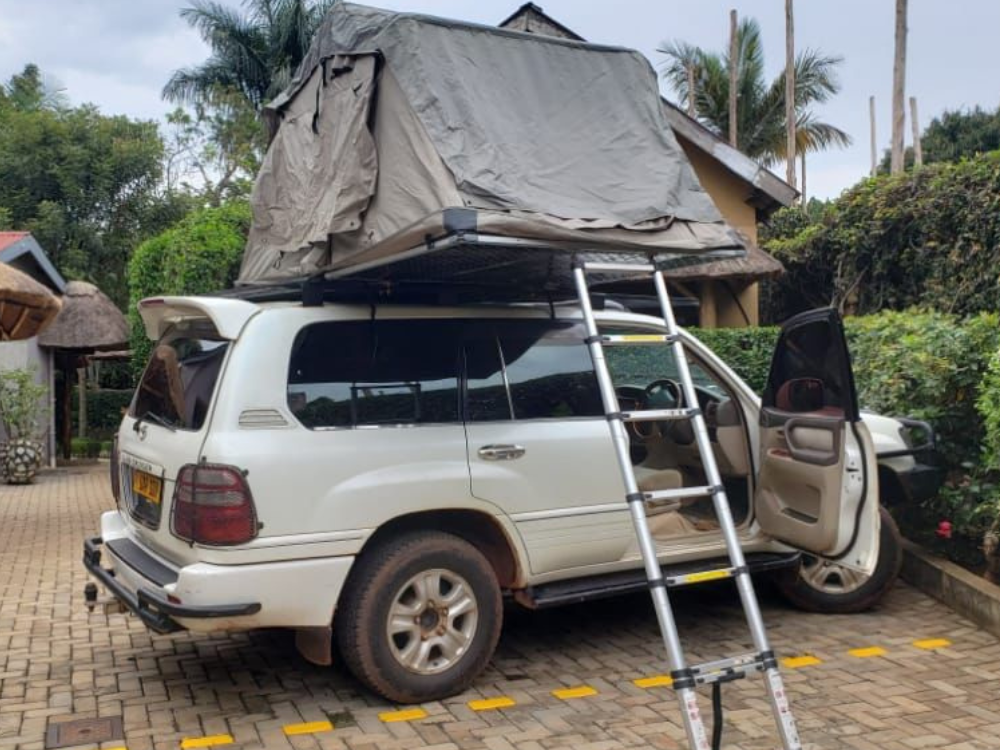
| Arusha receives over 300,000 international visitors annually, the vast majority of whom rent vehicles for self-drive safaris or hire driver-guided SUVs to explore Tanzania’s Northern Circuit national parks. |
This comprehensive guide covers everything you need to know about SUV car rental in Arusha: the best vehicles available, trusted rental companies, pricing ranges, road conditions, legal requirements, safety tips, and insider advice to make your Northern Tanzania journey unforgettable.
Why Rent an SUV in Arusha? Key Reasons & Benefits
1. Terrain Demands It
Tanzania’s national parks are not designed for standard passenger cars. The dirt tracks inside Serengeti National Park, the steep crater rim descent into Ngorongoro, the boulder-strewn roads of Tarangire, and the flooded seasonal tracks after rain make 4×4 SUVs the only sensible option. High ground clearance (typically 200–250mm on quality SUVs) prevents undercarriage damage on rutted roads.
2. Safety on Long Distances
Distances between parks can be significant. Arusha to the Serengeti gate is approximately 335 km, mostly on unpaved roads. A robust SUV with modern safety features — ABS, electronic stability control, reinforced chassis — protects occupants far better than lighter vehicles on roads where potholes, livestock crossings, and unexpected obstacles are common.
3. Capacity & Comfort
Most SUVs available for rent in Arusha seat between 5 and 8 passengers, making them ideal for families or groups. With generous luggage space, roof racks, and pop-up game viewing roofs (on safari-converted models), they offer outstanding comfort across long drives through the bush.
4. Versatility
An SUV rental covers every leg of your itinerary: city driving in Arusha itself, smooth highway travel to Moshi or Nairobi, and the demanding off-road environments of the parks. One vehicle handles it all.
5. Cost Efficiency for Groups
Splitting the daily rental cost and fuel costs among 4–6 passengers makes SUV rental highly economical compared to booking multiple smaller vehicles or relying on tour operator shuttle vans.
Most Popular SUV Models Available for Rent in Arusha
Rental companies in Arusha maintain fleets calibrated for Tanzania’s unique driving environment. Below are the most commonly available models, each with distinct strengths:
Toyota Land Cruiser 70 Series & 200 Series
The Toyota Land Cruiser is the undisputed king of Tanzanian safari roads. Its legendary reliability, part availability throughout East Africa, and exceptional off-road capability make it the first choice for serious bush driving. The 70 Series (Land Cruiser Hardtop/Troopy) is rugged and functional, while the 200 Series offers luxury appointments alongside brutal performance.
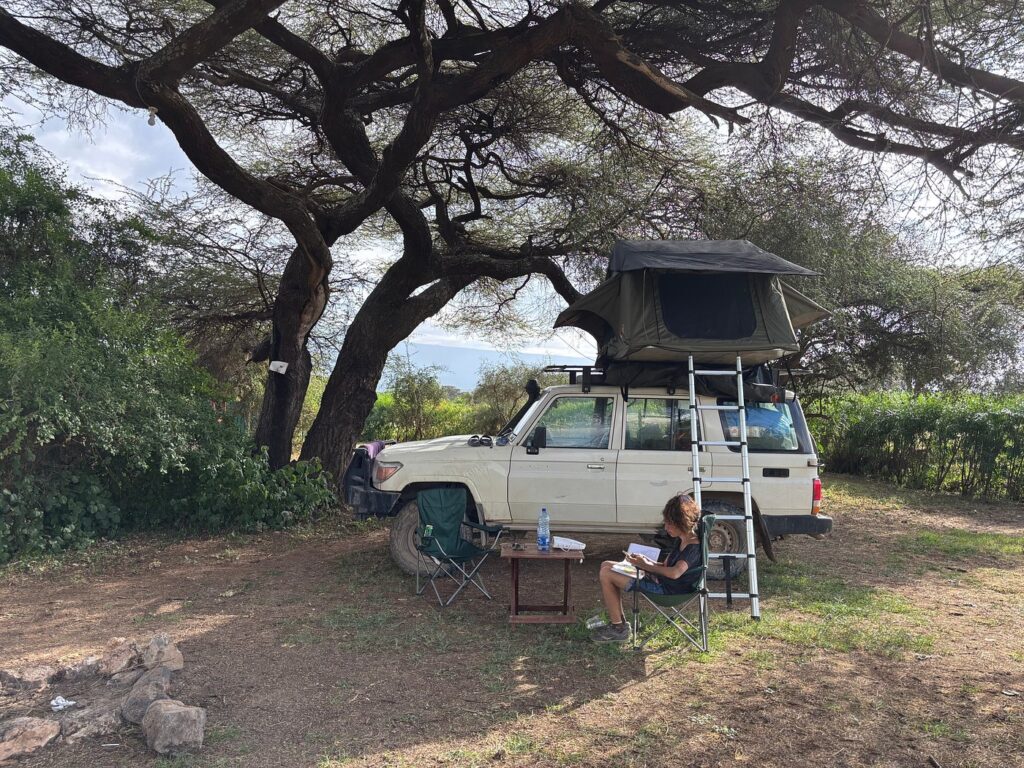
- Engine: 4.5L V8 diesel (200 Series) / 4.2L inline-6 diesel (70 Series)
- Ground clearance: 225–230mm
- Seating: 5–8 passengers
- Best for: Serengeti, Ngorongoro, Tarangire — extended multi-day safaris
- Availability: Very high; most popular rental vehicle in Arusha
Toyota Land Cruiser Prado 150 Series
Slightly smaller and more fuel-efficient than the full Land Cruiser, the Prado 150 is a modern, well-appointed SUV that handles rough tracks with ease while providing a more comfortable, car-like driving experience on tarmac roads. Popular with families and corporate travelers.
- Engine: 3.0L or 2.8L diesel
- Ground clearance: 215mm
- Seating: 5–7 passengers
- Best for: Mixed itineraries combining city and park driving
- Availability: High
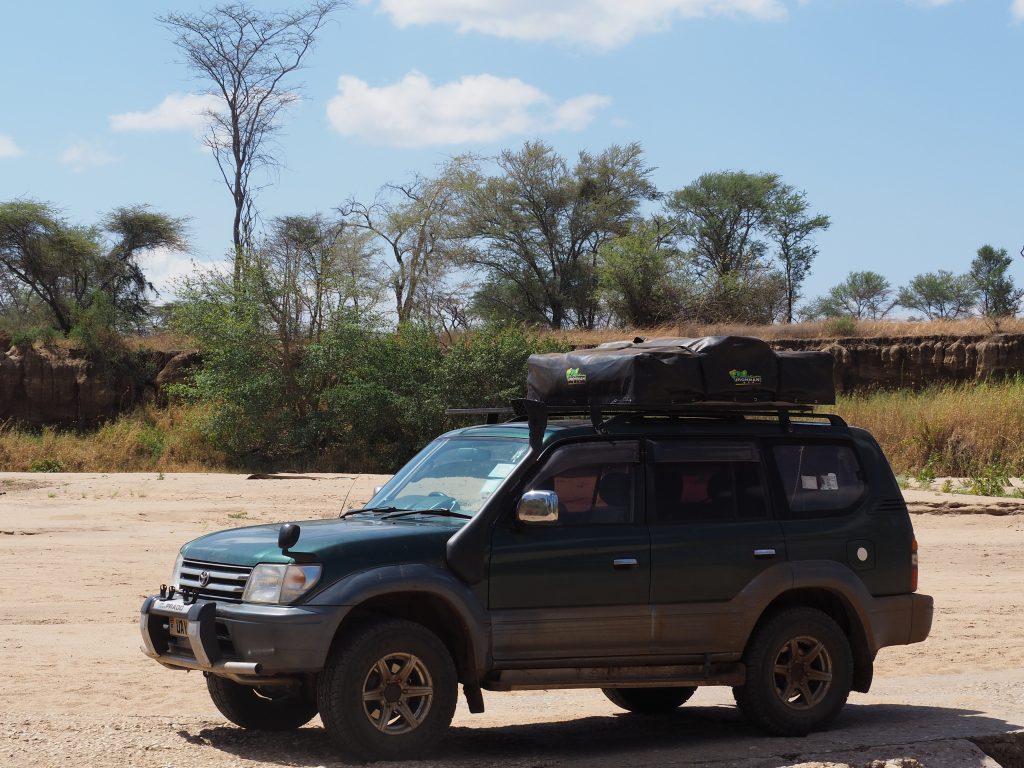
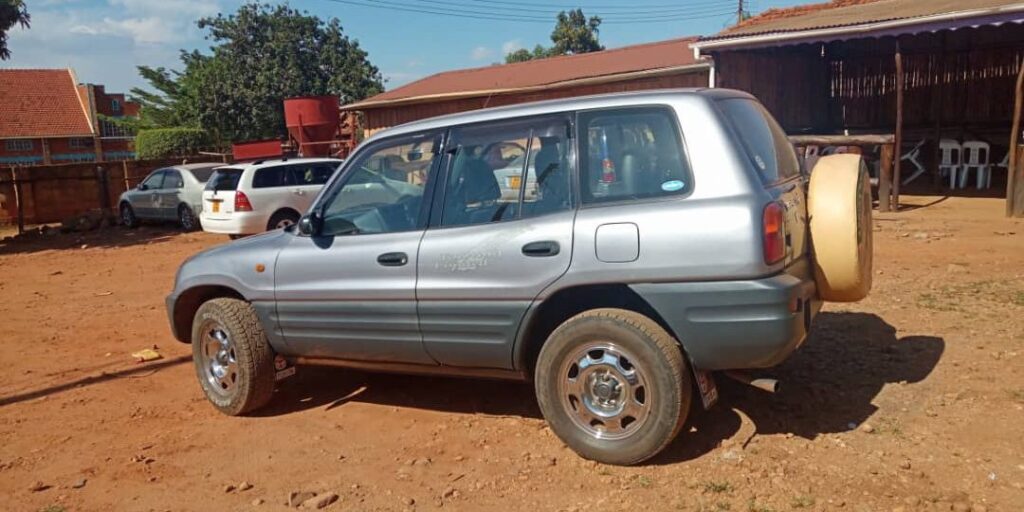
Toyota Hilux Surf / 4Runner
Versatile and mid-sized, the Hilux Surf (known globally as the 4Runner) delivers reliable 4WD performance with a more urban aesthetic. It is well-suited to lighter off-road use and is a popular choice for budget-conscious travelers who still demand dependability.
- Engine: 2.7L petrol or 3.0L diesel
- Ground clearance: 200mm
- Seating: 5 passengers
- Best for: Lake Manyara, Arusha National Park, day trips
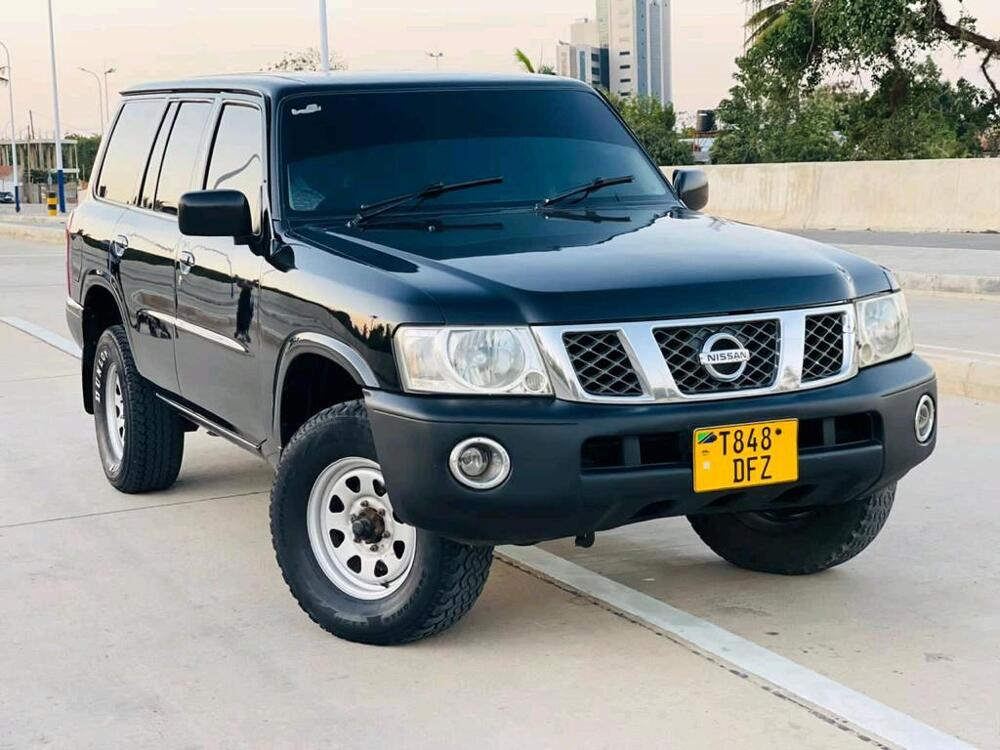
Nissan Patrol (Y61/Y62)
The Nissan Patrol is a competitive alternative to the Land Cruiser and is widely used by rental companies across Arusha. The Y61 is a proven workhorse, while the Y62 offers premium comfort. Both are exceptional on the roughest terrain.
- Engine: 4.8L petrol (Y61) / 5.6L V8 petrol (Y62)
- Ground clearance: 215–235mm
- Seating: 7–8 passengers
- Best for: Large group safaris, extended expeditions
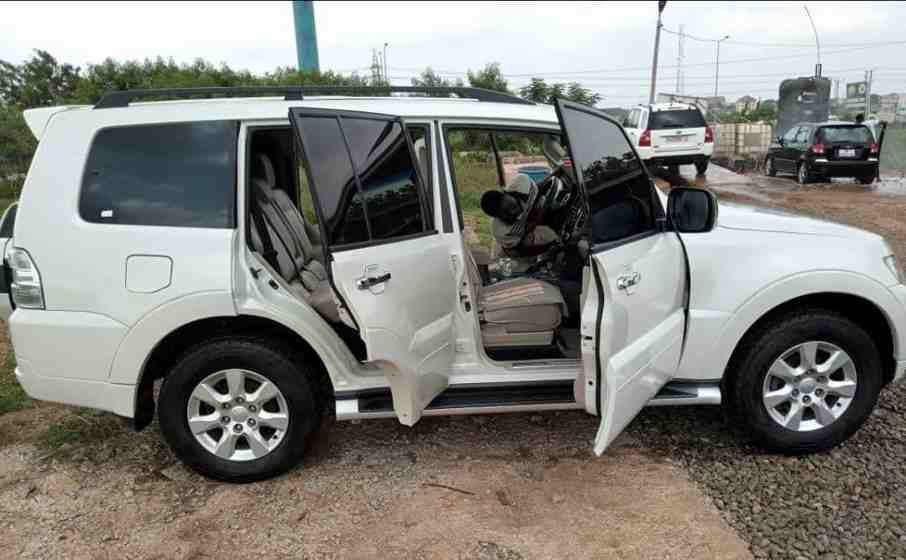
Mitsubishi Pajero / Shogun
The Pajero offers a balance between comfort and capability at a typically lower price point than the Land Cruiser. Available in short and long wheelbase variants, it is a solid choice for moderate off-road use across Tanzania’s Northern Circuit.
- Engine: 3.2L diesel
- Ground clearance: 200–220mm
- Seating: 5–7 passengers
- Best for: Mid-range budget; Tarangire, Lake Manyara
Safari-Converted Pop-Top SUVs
Many rental companies offer specially modified Land Cruisers with elevated pop-top roofs for game viewing, reinforced roof racks for luggage, fridges, and custom seating configurations. These vehicles are specifically designed for safari use and are the most requested by serious wildlife photographers and professional guides.
- Typically based on Land Cruiser HZJ78, FZJ75, or VDJ78 chassis
- Features: pop-up roof hatch, bench seating, steel roof rack, ARB bumpers
- Premium pricing applies
SUV Rental Price Guide: Arusha 2025
Prices fluctuate based on season, vehicle age, included extras (driver, fuel, insurance), and rental duration. The table below reflects approximate market rates for self-drive, excluding driver and fuel:
| SUV Model | Daily Rate (USD) | Weekly Rate (USD) | Monthly Rate (USD) |
| Toyota Land Cruiser 200 Series | $120 – $180 | $780 – $1,150 | $2,800 – $3,800 |
| Toyota Land Cruiser 70/Troopy | $100 – $150 | $650 – $980 | $2,300 – $3,200 |
| Toyota Land Cruiser Prado | $85 – $130 | $560 – $850 | $1,900 – $2,800 |
| Nissan Patrol (Y61) | $80 – $120 | $520 – $780 | $1,800 – $2,500 |
| Toyota Hilux Surf / 4Runner | $65 – $95 | $420 – $610 | $1,400 – $2,000 |
| Mitsubishi Pajero | $60 – $90 | $380 – $580 | $1,300 – $1,900 |
| Safari Pop-Top Land Cruiser | $150 – $220 | $980 – $1,450 | $3,500 – $5,000 |
| Important: Prices above are for self-drive rentals. Driver-guided rental adds approximately $30–$60/day for an experienced safari driver-guide. Most visitors to Tanzania’s national parks prefer the guided option for navigational expertise and wildlife spotting knowledge. |
Top SUV Rental Companies in Arusha
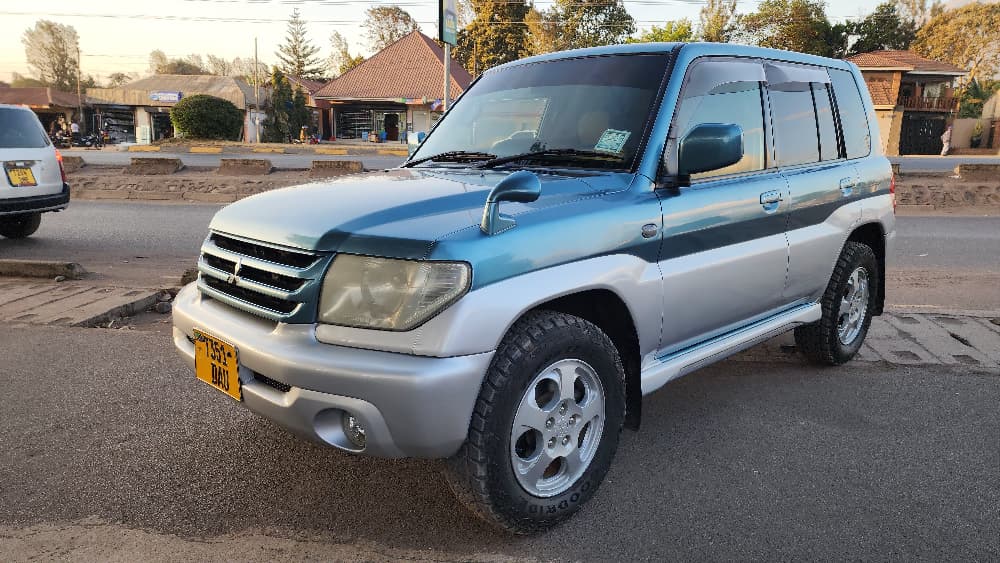
1. Arusha-Based Specialty Safari Rental Firms
Arusha hosts a dense cluster of dedicated safari vehicle rental companies operating along Sokoine Road, Old Moshi Road, and near the Kilimanjaro International Airport (JRO) corridor. These specialist operators maintain safari-ready fleets, provide 24/7 roadside support, and employ staff who understand the specific demands of park driving.
- Typical services: Vehicle hire, driver-guide assignment, park permit assistance, route planning
- Fleet size: 10–50 vehicles (varies by operator)
- Recommended: Book direct through verified operators with TATO (Tanzania Association of Tour Operators) or TTB (Tanzania Tourism Board) accreditation
2. International Car Rental Chains
Global brands such as Europcar, Sixt, and Hertz maintain presences in Arusha and at Kilimanjaro International Airport. These companies offer standardized booking processes, credit card guarantees, and multinational customer support, though their SUV fleets may be less customized for off-road safari use than local specialists.
- Best for: Travelers who prefer established booking platforms and brand accountability
- Note: Verify off-road permissions in rental agreement before booking for park use
3. Online Aggregators & Brokers
Platforms such as RentalCars.com, Discover Cars, and regional East African aggregators allow comparison of multiple Arusha operators. These are useful for price comparison but verify operator credentials independently before payment.
What to Look For in a Reputable Arusha SUV Rental Company
- TATO or TANAPA partnership certification
- Verifiable physical office and contact in Arusha
- Clear, written rental agreement in English
- Comprehensive insurance including third-party liability
- Roadside assistance and emergency contact protocols
- Recent customer reviews on Google Maps, TripAdvisor, or Safari Bookings
- Well-maintained vehicles with service records available on request
Road Conditions Around Arusha & Northern Tanzania
Arusha City & Surroundings
Arusha city roads range from well-paved tarmac on main arteries (Sokoine Road, Colonel Middleton Road) to rough, unpaved suburban streets. Traffic congestion is common during peak hours (7–9am and 4–7pm). An SUV is not strictly necessary for city driving but provides confidence on broken side roads and speed bump-heavy residential zones.
Arusha to Kilimanjaro Airport (JRO)
The A23 highway connecting Arusha to JRO Airport (approximately 40km east) is a well-maintained tarmac road, suitable for any vehicle. Journey time is 35–50 minutes depending on traffic.
Arusha to Serengeti (Via Ngorongoro)
This iconic route runs west from Arusha approximately 335km through Karatu town, up the Ngorongoro crater rim, and down into the Serengeti plains. The first 150km to Karatu is mostly tarmac. Beyond Lodoare Gate into the Ngorongoro Conservation Area, the road becomes rough gravel and dirt, requiring 4WD in wet season and high clearance year-round. Journey time: 6–9 hours.
Arusha to Tarangire National Park
Approximately 120km south on the A104 Dodoma Highway, turning off at Kwa Kuchinja. The road is well-sealed to the junction, with a rougher approach track to the park gate. Journey time: 2–3 hours.
Arusha to Lake Manyara National Park
Approximately 125km southwest via the Great North Road through Makuyuni and Mto wa Mbu town. Good tarmac for most of the route. Journey time: 2–2.5 hours.
Inside National Parks
All game drive tracks inside Serengeti, Ngorongoro, Tarangire, and Lake Manyara are unpaved. They range from manageable packed-dirt tracks to deeply rutted mud roads during long rains (March–May) that can challenge even capable 4WD vehicles. High clearance and low-range 4WD engagement are essential in wet season.
| Wet Season Alert: The long rains (March–May) and short rains (October–December) can make certain tracks inside national parks impassable. Always check road conditions with your rental company before departure, and carry recovery gear including a tow rope, shovel, and sand tracks if self-driving. |
Legal Requirements for SUV Rental in Arusha
Driving License
Tanzania accepts International Driving Permits (IDP) alongside a valid national driving license from your home country. Travelers from East African Community member states (Kenya, Uganda, Rwanda, Burundi) may use their national licenses directly. Non-EAC visitors should obtain an IDP from their home country’s automobile association before traveling.
Minimum Age
The minimum age for renting an SUV in Arusha is typically 23 years old, with most companies also requiring at least 2 years of licensed driving experience. Some operators extend the minimum to 25 years for premium or specialist safari vehicles. Young driver surcharges may apply for renters aged 23–25.
Insurance Requirements
All rental vehicles in Tanzania must carry third-party liability insurance as a legal minimum. Reputable rental companies include Collision Damage Waiver (CDW) in their rates or offer it as a compulsory add-on. Verify that your rental agreement specifies:
- Third-party liability coverage (mandatory by law)
- Collision damage waiver (CDW) terms and excess/deductible amount
- Theft protection policy
- Coverage area — confirm it includes national park driving
- Whether tyre, glass, and underbody damage are covered
Tanzania National Parks Entry Fees
Note that vehicle entry fees (separate from personal park entrance fees) apply for driving privately registered or rental vehicles into TANAPA-managed national parks. These fees vary by vehicle type and number of axles. Your rental company can advise on current fee schedules or arrange permits.
Documents to Carry While Driving
- Valid passport or national ID
- International Driving Permit (IDP) and national driving license
- Original rental agreement
- Vehicle registration certificate (provided by rental company)
- Insurance documentation
- National park permits (where applicable)
Self-Drive vs. Driver-Guided SUV Rental: Which Is Right for You?
Self-Drive SUV Rental
Self-drive rental gives you complete independence to set your own itinerary, drive at your own pace, and explore off the beaten tourist path. It is best suited to experienced drivers with 4WD competency, good navigational skills, and prior knowledge of East African driving conditions.
Advantages:
- Full itinerary flexibility
- More private and intimate safari experience
- Cost savings (no driver fees)
- Freedom to spend extended time at game sightings
Considerations:
- Navigation inside parks can be complex without local knowledge
- You are solely responsible for the vehicle
- Park regulations require staying on designated tracks
- Wildlife tracking skill needed to spot animals effectively
Driver-Guided SUV Rental
Hiring a professional driver-guide with your SUV is the preferred choice for first-time Tanzania visitors and those who want to maximize wildlife sightings. Guides have park-specific knowledge, wildlife tracking expertise, and established relationships with other guides who share sighting information by radio.
Advantages:
- Expertise in tracking the Big Five and other wildlife
- Fluency in Swahili — essential for interacting with local communities and park rangers
- Comprehensive knowledge of park rules and restricted zones
- Emergency support and mechanical troubleshooting capability
- Natural English (and often multiple language) communication
Additional Cost:
- Driver-guide fees: $30–$60/day (plus accommodation and meals in the park)
- Gratuity: $10–$20/day is customary for excellent service
| Recommendation: For first-time visitors to the Serengeti or Ngorongoro, a driver-guided SUV rental dramatically enhances the quality and quantity of wildlife sightings. The investment is well worth it. |
How to Book an SUV Rental in Arusha: Step-by-Step Guide
- Plan your itinerary first — know which parks you’ll visit, how many days, and how many passengers. This determines the vehicle class you need.
- Research multiple operators using TATO’s directory, TripAdvisor Arusha forums, or SafariBookings.com. Shortlist 3–5 companies with verified reviews.
- Request written quotations specifying vehicle model/year, daily rate, insurance terms, driver fees (if applicable), fuel policy, mileage limits, and deposit requirements.
- Verify the vehicle’s condition via photos or video call before confirming. Ask for service records and confirm the spare tyre and recovery kit are included.
- Confirm booking with a written agreement and a secure deposit (typically 20–30% of total rental). Use bank transfer or reputable payment platform — avoid cash-only operators.
- Collect the vehicle and conduct a thorough pre-departure inspection. Document all existing dents, scratches, and mechanical issues in writing and photograph the vehicle comprehensively.
- Confirm the operator’s 24-hour emergency number and keep it saved. Ensure you know the nearest service agent for your vehicle brand on your planned route.
Essential Tips for Driving an SUV in Arusha & Northern Tanzania
Before You Set Off
- Check tyre pressure and spare tyre condition before every long journey
- Carry at least 20 litres of extra fuel in a jerry can for remote park driving
- Download offline maps of Tanzania (Maps.me or Google Maps offline) in case of no signal
- Carry a physical paper map or park guide as backup
- Stock sufficient drinking water — a minimum of 2 litres per person per day
On the Road
- Drive on the LEFT — Tanzania follows left-hand traffic like Kenya and Uganda
- Speed limits: 50 km/h in towns, 80 km/h on open roads, 40 km/h inside national parks
- Watch for livestock, pedestrians, and cyclists, especially at dusk and dawn
- Road humps (speed bumps) are frequent and often unmarked — slow down in any town
- Do not drive inside national parks after dark (prohibited by TANAPA regulations)
- Engage 4WD before encountering difficult terrain — not after you are already stuck
Inside National Parks
- Stay on designated tracks at all times — off-road driving is strictly prohibited
- Do not feed animals or approach wildlife on foot outside your vehicle
- Keep noise levels low and engines at idle speed near predator sightings
- Exit the park before gate closing time (typically 6:00 PM)
- Carry your park entry receipts and vehicle registration at all times
Fuel & Breakdowns
- Fuel up in Arusha and at Karatu (Ngorongoro gateway town) before entering parks — no fuel inside
- In the event of a breakdown, contact your rental company immediately; reputable firms offer roadside recovery
- Keep emergency contact numbers for TANAPA rangers and the nearest park headquarters
| Pro Tip: Many experienced self-drive safari visitors carry a Garmin GPS device pre-loaded with Africa-specific maps (e.g., Tracks4Africa). This provides reliable navigation on unmarked bush tracks where mobile data is unavailable. |
Best Destinations Accessible by SUV from Arusha
Serengeti National Park (335km, 7–9 hours)
The world’s most famous wildlife reserve. Best accessed via the Ngorongoro Conservation Area. The Great Migration — the annual movement of over 1.5 million wildebeest — passes through year-round in different sections of the park. 4WD essential.
Ngorongoro Conservation Area (180km, 3–4 hours)
The Ngorongoro Crater is the world’s largest intact volcanic caldera and home to the densest concentration of wildlife in Africa. The steep crater rim descent requires experienced 4WD driving. Permits are required for crater floor descents.
Tarangire National Park (120km, 2–3 hours)
Famous for massive elephant herds and ancient baobab trees. The Tarangire River is a year-round wildlife magnet during the dry season (June–October). Accessible roads make it suitable even for moderately capable SUVs.
Lake Manyara National Park (125km, 2–2.5 hours)
A compact but wildlife-dense park along the base of the Great Rift Valley escarpment. Famous for tree-climbing lions and vast flocks of flamingos. Good roads make this an excellent first-day park.
Arusha National Park (30km, 45 minutes)
Located practically in Arusha’s backyard, this underrated park encompasses Mount Meru (Tanzania’s second-highest peak), Momela Lakes, and diverse wildlife. Ideal for a short game drive without the long transfer distances.
Mount Kilimanjaro (80km via Moshi)
While summiting Kilimanjaro is done on foot, an SUV is necessary to reach the mountain’s trailhead gates (Marangu, Machame, Lemosho) via rough approach roads from Moshi. The journey from Arusha to Moshi is 80km on good tarmac.
Best Time to Rent an SUV & Drive in Northern Tanzania
Dry Season: June – October (Peak Safari Season)
The long dry season offers the best wildlife viewing conditions. Animals congregate around permanent water sources, vegetation is sparse making sightings easier, and park tracks are firm and passable. July–September coincides with the Serengeti river crossings during the Great Migration. This is peak season — book vehicles 3–6 months in advance.
Short Dry Season: January – February
A secondary dry spell between the two rainy seasons offers excellent wildlife viewing in most parks. The Serengeti calving season (January–March) is one of the most spectacular wildlife events in Africa, with thousands of wildebeest calves born on the short-grass plains of the southern Serengeti and Ndutu area.
Green Season: March – May (Long Rains)
Tanzania’s long rains bring lush green landscapes, fewer tourists, significantly lower rental rates, and exceptional birdwatching as migratory species arrive. However, some tracks become impassable, and reduced operator presence means fewer guides. Travelers should have genuine 4WD experience and recovery equipment. Rental rates can drop 20–35% during this period.
Short Rains: October – December
The short rains are generally less disruptive than the long rains. Parks remain largely accessible, wildlife viewing is good, and dramatic thunderstorm light creates extraordinary photography conditions. A slight shoulder season dip in rates offers good value.
Conclusion: Making the Most of Your SUV Rental in Arusha
Renting an SUV in Arusha is the cornerstone of any successful Northern Tanzania safari. The right vehicle — properly maintained, correctly insured, and suited to your group’s needs — transforms an ordinary travel itinerary into an extraordinary wildlife adventure. Whether you choose a self-drive expedition across the Serengeti plains or opt for the knowledge and expertise of a professional driver-guide, your SUV is your most important piece of safari equipment.
Take time to research operators carefully, read rental agreements thoroughly, and prepare your vehicle and supplies before departing Arusha. The roads of Tanzania are demanding but immensely rewarding, and the wildlife that waits along those rutted tracks — elephants, lions, cheetahs, wildebeest in their millions — is beyond compare.