Rent a 4×4 Land Cruiser in Arusha and Drop Off in Serengeti
The Complete 2027 Guide to One-Way Self-Drive Safaris on Tanzania’s Northern Circuit
Every great Tanzanian safari tells a story that moves in one direction: from the bustle of Arusha, past the baobab-dotted plains of Tarangire, up the misty rim of the Ngorongoro Crater and finally out onto the endless grasslands of the Serengeti. So why drive the whole story backwards just to return a car?
That is exactly the problem a one-way rental solves. When you rent a 4×4 Land Cruiser in Arusha and drop off in Serengeti, you collect a fully equipped safari vehicle in Tanzania’s safari capital, drive yourself through the northern circuit at your own pace, and hand the keys over inside the park. From there you can fly back to Arusha in about an hour, catch a flight to Zanzibar, or continue by road toward Lake Victoria — without spending a full day retracing the same 300 kilometres of road.
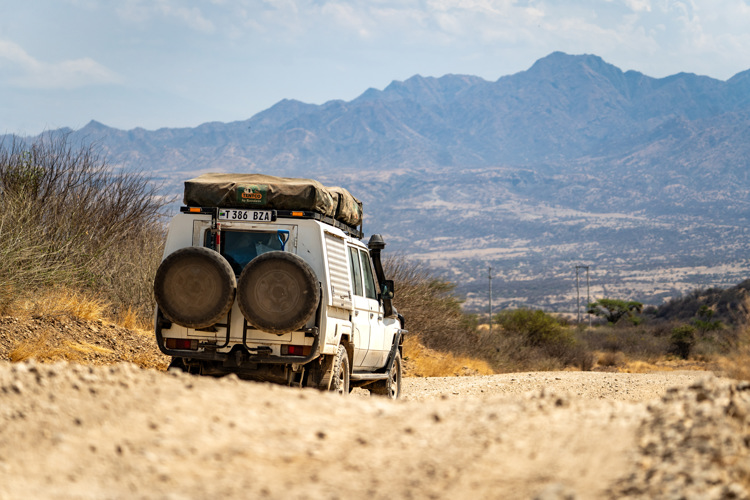
This guide covers everything you need to plan the trip properly: which Land Cruiser to choose, what the rental package should include, the exact route and driving times, where in the Serengeti you can drop off, realistic 2026 costs and park fees, a sample 6-day itinerary, documents, driving rules and the questions travellers ask us most often.
What Is an Arusha-to-Serengeti One-Way Rental?
A one-way rental means the vehicle is collected at one location and returned at another. In this case, your Land Cruiser is handed over in Arusha — at your hotel, at Kilimanjaro International Airport (JRO) or at Arusha Airport (ARK) — and collected from you at an agreed point inside or near Serengeti National Park.
Because the rental company still needs the vehicle back in Arusha, a member of staff (usually an experienced driver) travels out to meet you, inspects the car, takes over the keys and drives it back. You pay for that repositioning through a one-way or drop-off fee, which is quoted upfront.
How the Process Works, Step by Step
- Choose your Land Cruiser model, travel dates and the Serengeti drop-off point.
- Receive a written quote showing the daily rate, drop-off fee, insurance and any camping equipment.
- Confirm with a deposit and send copies of your driving licence and passport.
- Collect the vehicle in Arusha with a full briefing, inventory check and route map.
- Drive the northern circuit independently, paying park fees at each gate by card.
- Meet the company’s driver at the agreed drop-off point, complete the handover and continue your journey by air or road.
| Good to Know
Drop-off times inside the Serengeti are usually set for the morning or early afternoon so the returning driver can exit the park before gates close. Plan your final game drive around the handover, not the other way round. |
Why Choose a One-Way Rental to the Serengeti?
- You save a full day of driving. The return trip from central Serengeti to Arusha takes 7 to 9 hours on mixed gravel and tarmac. Dropping off in the park gives you that day back for wildlife.
- You avoid paying park fees twice. Driving out of the Serengeti means another transit through the Ngorongoro Conservation Area, with a fresh round of per-person fees. A one-way rental removes that cost entirely.
- Your route follows the migration. You can drop off in the southern plains in calving season, in the central Seronera valley year-round, or near the Mara River in the dry season — wherever the herds are.
- It links neatly with flights. Seronera, Ndutu, Kogatende and other airstrips have daily scheduled flights to Arusha, Kilimanjaro and Zanzibar, making a beach extension effortless.
- You keep full independence. You still enjoy the freedom of self-drive: your own start times, your own pace at sightings and no shared vehicle.
- It opens onward overland options. From the western Serengeti, travelers can continue toward Mwanza and Lake Victoria, or link into a longer East Africa road trip.
Choosing the Right 4×4 Land Cruiser
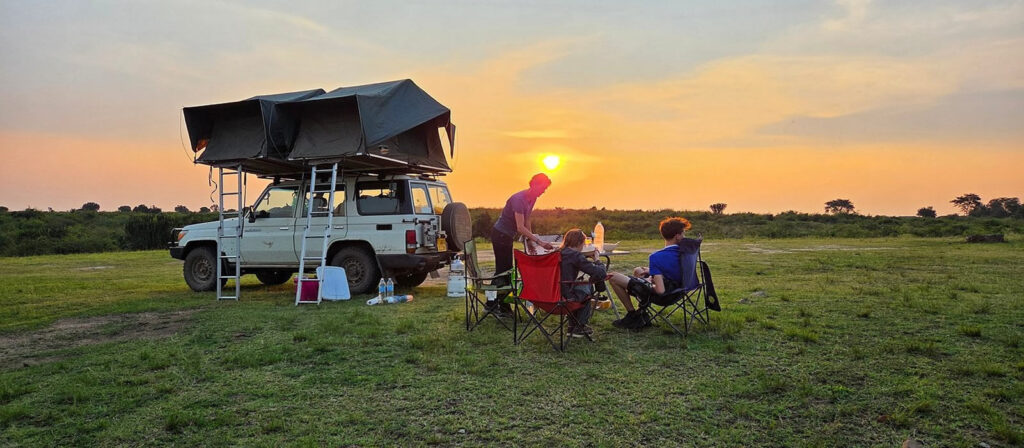
The Toyota Land Cruiser is the undisputed workhorse of the Tanzanian bush. Spare parts are available in every town, mechanics know it inside out, and it handles the corrugated Ngorongoro road and black-cotton soil of the Serengeti with ease. Four versions dominate the Arusha rental market.
| Model | Seats | Best For | Sleeping Option | Indicative Daily Rate |
| Land Cruiser Prado (TX/VX) | 5 | Couples and small families staying in lodges | Lodges / ground tent | US$120 – 160 |
| Land Cruiser 76 Hardtop | 5 | Rugged self-drivers wanting durability | Ground tent or rooftop tent | US$150 – 190 |
| Land Cruiser 79 Pickup + Rooftop Tent | 2 – 3 | Couples camping in public campsites | Rooftop tent (sleeps 2) | US$170 – 230 |
| Land Cruiser 78 Extended (Pop-Up Roof) | 6 – 7 | Families, groups and photographers | Lodges / ground tents | US$200 – 280 |
Rates are indicative for self-drive in 2026 and vary with season, rental length and equipment. Always confirm in a written quote.
Land Cruiser Prado
Comfortable, fuel-efficient and smooth on tarmac, the Prado suits travelers who will sleep in lodges and want a car that feels familiar. It has less ground clearance and luggage space than the 70 Series, but it copes comfortably with the main Serengeti tracks in the dry season.
Land Cruiser 76 Hardtop
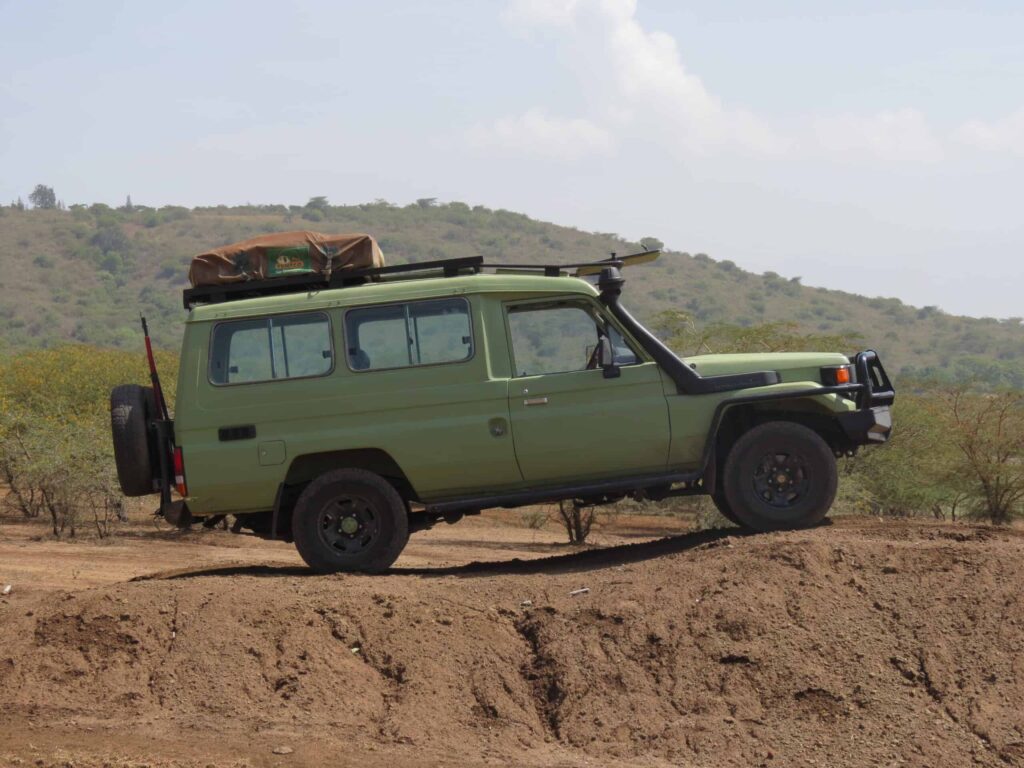
The 76 is the classic, near-indestructible station wagon. Most come with dual fuel tanks (around 180 litres combined), a snorkel, heavy-duty suspension and two spare wheels. It is our first recommendation for travelers in the wet season or anyone heading to remote areas like Lobo or the far north.
Land Cruiser 79 Pickup with Rooftop Tent
This is the favourite of camping couples. The rooftop tent opens in minutes, the canopy holds a fridge, water tank and full kitchen box, and sleeping off the ground adds comfort and peace of mind at unfenced Serengeti campsites.
Land Cruiser 78 Extended Safari Cruiser
The vehicle you see on guided safaris: a long-wheelbase body with a pop-up roof for 360-degree viewing, individual window seats and charging points. It is ideal for families and photographers and is often rented with an optional driver-guide.
| Our Tip
If you are camping, choose the Land Cruiser 79 with rooftop tent. If you are staying in lodges, the Prado gives the best balance of cost and comfort. For the green season (March to May), go straight for a 76 or 79 with proper mud tyres. |
What’s Included in the Rental Package
A reputable Arusha rental company should include the following as standard. Check your quote line by line before you pay a deposit.
Standard Inclusions
- Comprehensive insurance with a clearly stated excess (deductible)
- Unlimited mileage within Tanzania
- Two spare tyres, jack, wheel spanner, tow rope and basic toolkit
- First-aid kit, fire extinguisher and warning triangles (required by Tanzanian law)
- Detailed vehicle briefing, route map and offline GPS points
- 24/7 roadside assistance and a local support number
- Hotel or airport delivery in Arusha
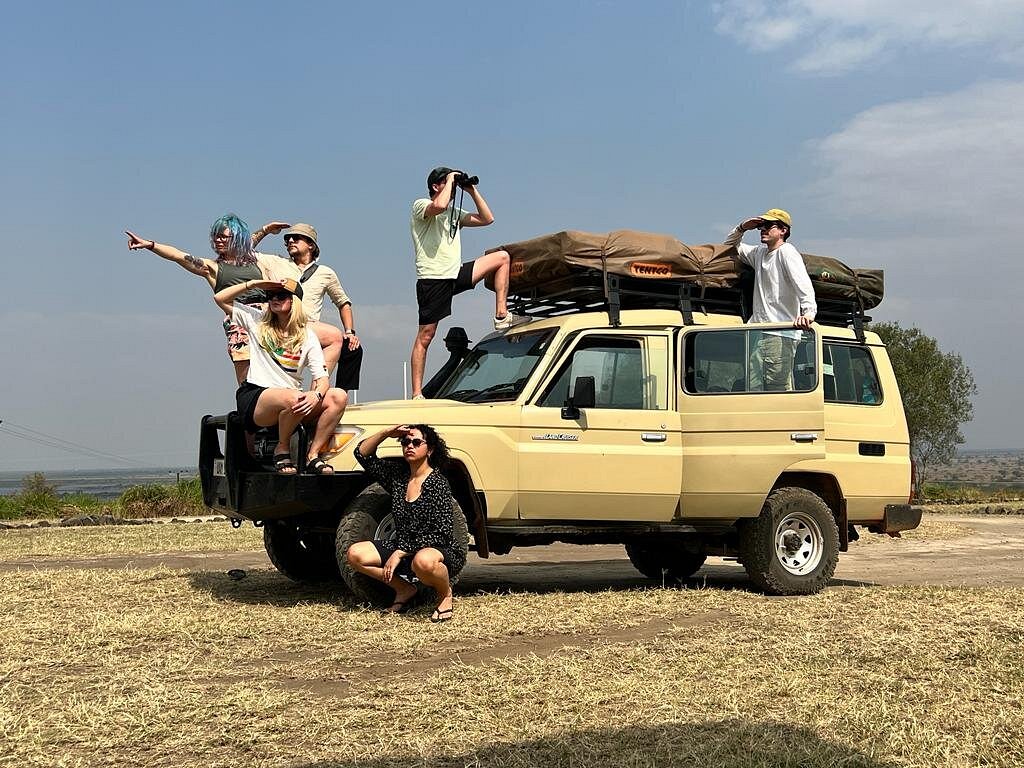
Common Optional Extras
| Extra | Typical Cost |
| Rooftop tent with mattress and bedding | US$30 – 50 per day |
| Full camping kit (chairs, table, stove, cookware, lamp) | US$15 – 25 per day |
| Electric fridge / cool box | US$10 – 15 per day |
| Local SIM card with data | US$10 – 20 one-off |
| Satellite phone or tracker | US$10 – 20 per day |
| Professional driver-guide | US$40 – 60 per day plus accommodation |
| Excess-reduction insurance | US$10 – 20 per day |
The Route: Arusha to the Serengeti
The drive from Arusha to central Serengeti covers roughly 300 kilometers. The first half is good tarmac; the second half is a dusty, corrugated gravel road through the Ngorongoro Conservation Area (NCA). Driving straight through takes 7 to 9 hours including gate formalities, but almost every self-driver splits the journey over several days to enjoy the parks along the way.
| Leg | Distance | Road Surface | Approx. Time |
| Arusha → Makuyuni junction | 80 km | Tarmac | 1 hr 15 min |
| Makuyuni → Mto wa Mbu (Lake Manyara) | 40 km | Tarmac | 40 min |
| Mto wa Mbu → Karatu | 35 km | Tarmac (steep escarpment) | 45 min |
| Karatu → Lodoare Gate (NCA) | 15 km | Tarmac | 20 min |
| Lodoare Gate → Naabi Hill Gate (Serengeti) | 80 km | Gravel, rough in places | 2 – 3 hrs |
| Naabi Hill Gate → Seronera | 45 km | Gravel, corrugated | 1 – 1.5 hrs |
| Total: Arusha → Seronera | ~295 km | Mixed | 7 – 9 hrs incl. stops |
Stops and Detours Worth Building In
- Tarangire National Park: Turn left at Makuyuni and drive 25 km to the main gate. Famous for huge elephant herds and ancient baobabs, especially from June to October.
- Lake Manyara National Park: The gate is right in Mto wa Mbu. Great for a half-day drive: groundwater forest, baboons, flamingos and, with luck, tree-climbing lions.
- Karatu: The last real town before the Serengeti. Fill both fuel tanks, withdraw cash, buy groceries and top up drinking water here.
- Ngorongoro Crater descent: From the crater rim you can drive down to the floor for a game drive. This requires the crater service fee and must be planned within your NCA permit.
- Olduvai Gorge: A short detour off the NCA road to the museum at one of the world’s most important paleoanthropological sites.
| Driving Through the Ngorongoro Conservation Area
You cannot reach the Serengeti from Arusha by road without crossing the NCA. Even if you do not descend into the crater, you pay NCA entry fees for every person in the vehicle, plus a vehicle fee. Permits are valid for 24 hours, so time your entry at Lodoare Gate to exit at Naabi Hill within that window. |
Serengeti Drop-Off Points Explained
The Serengeti covers almost 15,000 square kilometres, so “drop off in Serengeti” can mean very different places. Choose your handover point according to the season, where you want to finish your safari and how you will leave the park.
| Drop-Off Point | Region | Best Season | How You Leave |
| Seronera / Seronera Airstrip | Central | All year | Daily scheduled flights to Arusha, JRO and Zanzibar |
| Ndutu / Kusini area | Southern plains | December – March (calving) | Ndutu airstrip flights |
| Kogatende | Northern (Mara River) | July – October (river crossings) | Kogatende airstrip flights |
| Lobo | North-east | June – November | Lobo airstrip or road transfer |
| Grumeti / Ndabaka Gate | Western Corridor | May – July | Grumeti airstrip, or road to Mwanza |
| Your lodge or camp | Any | Any | Lodge transfer to nearest airstrip |
Seronera is the most popular and usually the cheapest drop-off point. It sits in the heart of the park, has a fuel station and workshop for the returning driver, enjoys excellent resident wildlife year-round and has the busiest airstrip, so flight options are plentiful.
Remote drop-offs such as Kogatende or Lobo carry a higher one-way fee because the returning driver covers far more distance and may need to overnight in the park. If you want to finish in the far north, factor this into your budget.
How Much Does It Cost? 2026 Price Guide
The total cost of a one-way Land Cruiser rental from Arusha to the Serengeti is made up of five parts: daily rental, the one-way drop-off fee, fuel, park and conservation fees, and your onward transport.
1. One-Way Drop-Off Fees
| Drop-Off Zone | Indicative One-Way Fee |
| Seronera (central) | US$300 – 450 |
| Ndutu / southern Serengeti | US$300 – 450 |
| Western Corridor / Ndabaka | US$400 – 550 |
| Lobo / Kogatende (north) | US$500 – 700 |
2. Park and Conservation Fees (Non-Resident Adults)
Government fees are paid electronically at the gate by Visa or Mastercard. Tanzania applies 18% VAT, and the figures below include it. Fees can change at short notice, usually from 1 July, so confirm current rates before travel.
| Fee | Approximate Cost (incl. VAT) | Charged |
| Serengeti entry (peak season) | US$82.60 | Per adult, per 24 hrs |
| Serengeti entry (low season, mid-Mar to mid-May) | US$70.80 | Per adult, per 24 hrs |
| Serengeti concession fee (lodges & camps inside park) | US$70.80 | Per adult, per night |
| Serengeti public campsite | US$35.40 | Per adult, per night |
| Ngorongoro Conservation Area entry / transit | US$70.80 | Per adult, per 24 hrs |
| Ngorongoro Crater service fee (descent) | US$295 | Per vehicle, per descent |
| Tarangire / Lake Manyara entry | US$53 – 59 | Per adult, per 24 hrs |
| Vehicle fee (Tanzania-registered) | Approx. US$10 – 20 | Per vehicle, per entry |
3. Fuel
A Land Cruiser uses roughly 1 litre of diesel per 7 to 9 kilometres on safari. A typical 6-day trip covers 700 to 900 km including game drives, so budget around US$150 to US$250 for diesel. Fuel is available in Arusha, Mto wa Mbu, Karatu and Seronera; prices inside the park are higher.
4. Getting Out of the Serengeti
Scheduled light-aircraft flights from Seronera to Arusha typically cost US$250 to US$400 per person one way, with a luggage limit of around 15 kg in soft bags. Flights to Zanzibar cost more. Road transfers back to Arusha are possible but defeat much of the purpose of a one-way rental.
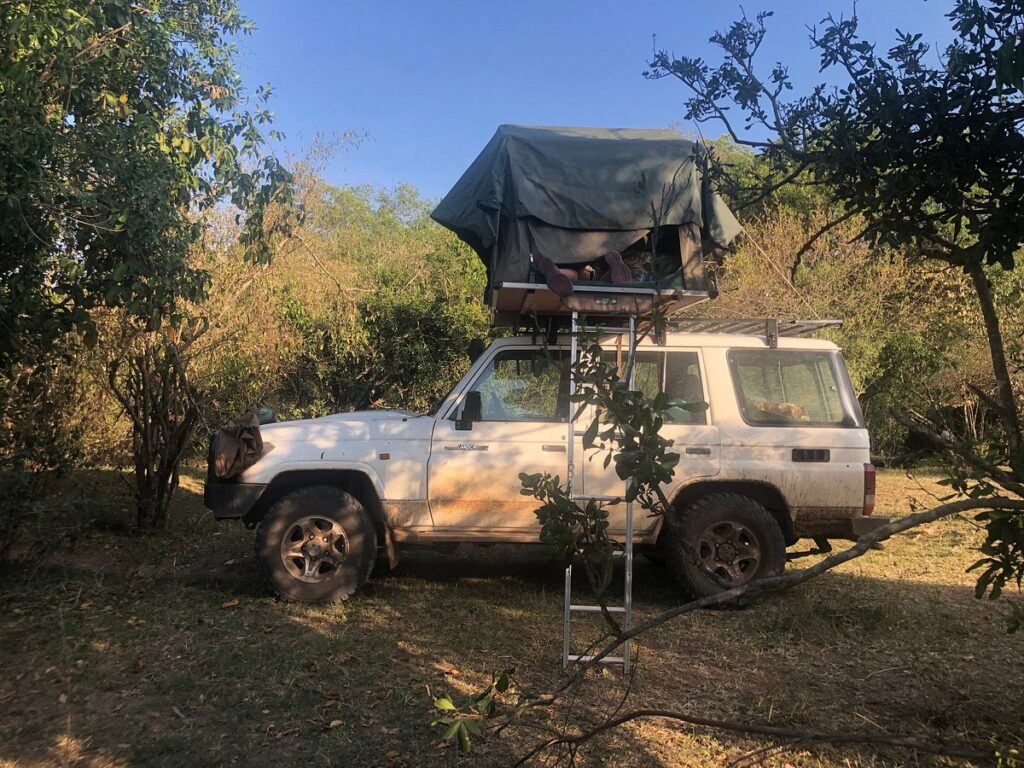
Sample Budget: 2 Adults, 6 Days, Camping, Seronera Drop-Off
| Item | Estimated Cost (US$) |
| Land Cruiser 79 with rooftop tent and camping kit (6 days) | 1,200 – 1,500 |
| One-way drop-off fee (Seronera) | 300 – 450 |
| Diesel | 150 – 250 |
| Park, conservation, campsite and crater fees (2 adults) | 1,350 – 1,550 |
| Food, water and supplies | 150 – 250 |
| Flights Seronera → Arusha (2 people) | 500 – 800 |
| Estimated total for two | 3,650 – 4,800 |
Staying in lodges instead of camping typically adds US$150 – 600+ per person per night, plus the Serengeti concession fee.
Sample 6-Day Self-Drive Itinerary: Arusha to Serengeti
| Day | Route | Highlights | Overnight |
| 1 | Arusha → Tarangire | Vehicle handover, elephant herds, baobabs | Campsite near Tarangire |
| 2 | Tarangire → Karatu | Morning game drive, Lake Manyara views | Karatu |
| 3 | Ngorongoro Crater | Crater floor game drive, black rhino | Simba Campsite (crater rim) or Karatu |
| 4 | Ngorongoro → Serengeti | Olduvai Gorge, Naabi Hill, Seronera | Seronera public campsite |
| 5 | Serengeti full day | Seronera valley, big cats, river drives | Seronera public campsite |
| 6 | Seronera drop-off | Dawn drive, vehicle handover, flight | Arusha or Zanzibar |
Day 1: Arusha to Tarangire National Park
Your Land Cruiser is delivered to your Arusha hotel after breakfast. After the inventory check and briefing, stock up on groceries and water in town before heading west on the tarmac to Makuyuni and turning off to Tarangire. Spend the afternoon among elephants, giraffes and towering baobabs, and camp just outside the park to save on fees.
Day 2: Tarangire to Karatu via Lake Manyara
Enjoy an early game drive along the Tarangire River, when predators are most active. Drive on to Mto wa Mbu, with an optional afternoon in Lake Manyara National Park, then climb the escarpment to the cool highlands of Karatu. Refuel completely here.
Day 3: Ngorongoro Crater
Enter at Lodoare Gate early and descend into the crater, one of the best places in Africa to see the black rhino alongside lions, buffalo and hippos. Picnic at the designated site and climb out before the crater road closes in the afternoon. Overnight on the rim at Simba Campsite or return to Karatu.
Day 4: Ngorongoro to Central Serengeti
Cross the highlands and descend onto the short-grass plains. Stop at Olduvai Gorge, then register at Naabi Hill Gate, where the Serengeti begins. The afternoon drive to Seronera often produces cheetah, lion and big herds of zebra and wildebeest.
Day 5: Full Day in the Serengeti
Explore the Seronera River valley, famous for leopards resting in sausage trees, prides on the kopjes and hippo pools. Return to camp before 6:30 pm, when game driving must stop.
Day 6: Drop-Off at Seronera and Fly Out
Squeeze in a final sunrise drive before meeting our driver at Seronera airstrip. Complete the handover, transfer your bags and board your flight to Arusha, Kilimanjaro or Zanzibar.
| Want More Time?
Add two more nights and drop off at Ndutu during the calving season (December to March), or at Kogatende in the dry season (July to October) to witness the dramatic Mara River crossings. |
Best Time for an Arusha-to-Serengeti Self-Drive
| Period | Conditions | Migration Location | Suggested Drop-Off |
| June – October | Dry, best roads, peak season | Western Corridor, then north | Seronera, Grumeti or Kogatende |
| November – mid-December | Short rains, green and quieter | Moving south | Seronera or Lobo |
| Mid-December – March | Warm, mostly dry, calving | Southern plains (Ndutu) | Ndutu or Seronera |
| April – May | Long rains, muddy, low season | Central and southern | Seronera (4×4 with mud tyres) |
For first-time self-drivers, June to October and January to February offer the easiest road conditions. April and May bring lower prices and beautiful green landscapes, but black-cotton soil can become impassable after heavy rain, so only experienced 4×4 drivers should attempt it.
Rental Requirements and Documents
- Driving licence: A valid licence held for at least two to three years. An International Driving Permit (IDP) is strongly recommended if your licence is not in English.
- Minimum age: Usually 23 to 25 years. Some companies charge a young driver surcharge.
- Passport and visa: A passport valid for at least six months, plus a Tanzania visa (most nationalities can apply for an e-Visa online before travel).
- Yellow fever certificate: Required if you arrive from, or have transited through, a country with risk of yellow fever transmission.
- Payment: A deposit to confirm the booking and a refundable security deposit or card pre-authorisation at collection.
- Bank card for park fees: Tanzanian parks are largely cashless. Carry at least two Visa or Mastercard cards with sufficient limits.
- Vehicle documents: Kept in the car by the rental company: registration, insurance certificate and an authorisation letter naming you as the driver.
Driving Tips for Northern Tanzania
Park Rules You Must Follow
- Observe the speed limit of 50 km/h inside national parks; slower is safer and better for spotting wildlife.
- Driving off designated tracks is prohibited and heavily fined in the Serengeti and Ngorongoro.
- Game driving is allowed from 6:00 am to 6:30 pm only; be at your camp or lodge before dark.
- Never leave the vehicle except at designated picnic sites, campsites and viewpoints.
- Keep a respectful distance from animals and never block a predator’s path or crowd a sighting.
- Keep your gate receipts and permits; rangers may check them anywhere in the park.
On the Road
- Drive on the left. Watch for speed bumps, police checkpoints, livestock and bicycles on the Arusha–Karatu road.
- Slow down on corrugated gravel; drop tyre pressure slightly if the rental company advises it.
- Engage 4WD on steep crater roads and in mud, and avoid sudden braking on loose surfaces.
- Carry offline maps (Maps.me or Google offline) and the GPS points supplied by your rental company.
- Always keep at least a quarter tank as reserve; distances between fuel stops are long.
- Have police checkpoint documents ready: licence, passport copy and the vehicle authorisation letter.
Packing Checklist
| Category | What to Bring |
| Documents | Passport, visa, driving licence, IDP, two bank cards, insurance details, booking confirmations |
| Clothing | Neutral-coloured layers, warm fleece for Ngorongoro nights, hat, rain jacket, closed shoes |
| Health | Malaria prophylaxis, insect repellent, sunscreen, personal medication, hand sanitiser |
| Wildlife viewing | Binoculars, camera with zoom lens, spare batteries, bean bag for steady shots |
| Vehicle & camping | Headlamp, power bank, 12V charger, refillable water containers, rubbish bags |
| Flight out | Soft duffel bag (most bush flights allow around 15 kg including hand luggage) |
Safety Tips for Self-Drivers
- Share your plan: Give your daily route and campsite to your rental company and check in each evening if you have signal.
- Camp wisely: Serengeti campsites are unfenced. Stay in or on your vehicle at night, keep food sealed, and use a torch to check around you before stepping out.
- Respect wildlife: Buffalo, elephants and hippos cause more incidents than predators. Never approach on foot.
- Handle breakdowns calmly: Stay with the vehicle and call the 24/7 assistance line. Ranger posts and lodges can relay messages if needed.
- Watch the tsetse flies: They are common in some wooded areas. Wear light, neutral colours and keep windows up when driving through infested patches.
How to Book with Arusha Car Rental
Arusha Car Rental arranges one-way Land Cruiser rentals from Arusha to every major drop-off point in the Serengeti, with well-maintained vehicles, transparent pricing and support throughout your trip.
- Send us your travel dates, number of travellers and preferred drop-off point.
- Choose your Land Cruiser and any extras such as a rooftop tent or camping kit.
- Receive a detailed quote with all inclusions and the one-way fee clearly listed.
- Confirm with a deposit and share copies of your driving licence and passport.
- Let us help with route planning, campsite or lodge bookings and your flight out.
- Collect your vehicle in Arusha and enjoy the drive of a lifetime.
| Book Early for Peak Season
Land Cruisers with rooftop tents and Serengeti flight seats sell out quickly from July to October and over Christmas. We recommend booking at least three to six months ahead for these periods. |
Frequently Asked Questions
Can I really rent a car in Arusha and leave it in the Serengeti?
Yes. Several Arusha-based companies, including Arusha Car Rental, offer one-way rentals with drop-off at Seronera and other points inside the park. A driver meets you at the agreed place and returns the vehicle to Arusha.
How much is the one-way drop-off fee?
Expect around US$300 to US$450 for central or southern Serengeti and up to US$700 for remote northern points such as Kogatende. The fee covers the driver’s time, fuel and park fees for repositioning the vehicle.
Is it safe to self-drive in the Serengeti?
Yes, for confident drivers who follow park rules. Roads are well signposted from Naabi Hill, rangers patrol main areas and help is reachable at lodges and ranger posts. Avoid driving after dark and never leave the vehicle in unfenced areas.
Do I need a 4×4 to reach the Serengeti?
Yes. The Ngorongoro and Serengeti roads are rough gravel, and rain can make tracks muddy and slippery. A high-clearance 4×4 such as a Land Cruiser is essential.
How long does the drive from Arusha to the Serengeti take?
Around 7 to 9 hours to Seronera if driven straight through, but most travellers break the journey over two to four days with stops in Tarangire, Lake Manyara and Ngorongoro.
Do I pay Ngorongoro fees even if I do not visit the crater?
Yes. The only road from Arusha to the Serengeti crosses the Ngorongoro Conservation Area, so per-person entry fees and a vehicle fee apply. The crater service fee applies only if you descend to the crater floor.
Can I pay park fees in cash?
Generally no. Tanzanian parks use electronic payment at the gates, so carry Visa or Mastercard cards. Some campsite and incidental payments may still be accepted in cash.
How do I get back to Arusha after dropping off the car?
Most travellers take a scheduled light-aircraft flight from Seronera, Ndutu or Kogatende airstrip to Arusha, which takes about one hour. Flights to Zanzibar and Kilimanjaro are also available.
Can I hire a driver-guide instead of driving myself?
Yes. Any of our Land Cruisers can be rented with a professional driver-guide for an additional daily fee, which also removes the need for a separate one-way repositioning fee in many cases.
Can I continue to Kenya or Uganda instead of stopping in the Serengeti?
Yes, with advance planning. Cross-border travel requires the rental company’s permission, COMESA insurance and additional documents. Ask us about extended one-way routes through East Africa.
Final Thoughts
Renting a 4×4 Land Cruiser in Arusha and dropping it off in the Serengeti is the smartest way to experience Tanzania’s northern circuit as a self-driver. You follow the natural flow of the landscape, skip a long and costly return drive, and finish your adventure exactly where it is most spectacular — out on the Serengeti plains.
Choose the right Land Cruiser for your style of travel, time your drop-off point with the migration, budget realistically for park fees and your flight out, and you will have a safari you will talk about for years.
| Ready to Plan Your Self-Drive Safari?
Contact Arusha Car Rental for a free, no-obligation quote on a one-way Land Cruiser rental from Arusha to the Serengeti. Perfection Anytime. |