Advantages of Hiring a Car with a Driver Over Self-Drive
Advantages of Hiring a Car with a Driver Over Self-Drive, Planning a road trip or safari in East Africa raises one big question early on: should you rent a car and drive yourself, or hire a car with a professional driver? Self-drive has become increasingly popular, offering freedom and a sense of adventure. Yet a large share of visitors — especially first-timers — find that hiring a car with a driver gives them a safer, more relaxed and more rewarding trip.
This guide explains the key advantages of hiring a car with a driver over self-drive, compares costs and experiences side by side, and helps you decide which option best fits your travel style, budget and itinerary across Uganda, Rwanda, Tanzania and Kenya.
| Quick Answer
Hiring a car with a driver is the better choice if you want stress-free travel, better wildlife sightings, local expertise, and greater safety on unfamiliar roads. Self-drive suits experienced, confident drivers on tighter budgets who want total independence and are comfortable handling navigation, paperwork and breakdowns themselves. |
What Does “Car Hire with a Driver” Mean?
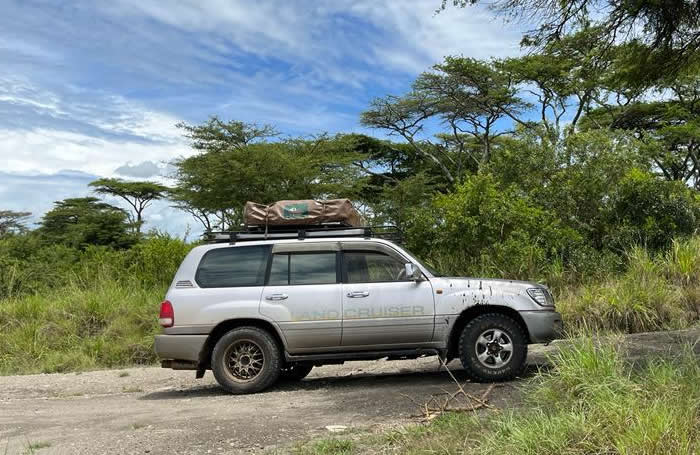
A car with a driver (also called chauffeur-driven car hire or a private driver-guide service) means you rent a vehicle — typically a Toyota Land Cruiser, Land Cruiser Prado, RAV4, safari van or saloon car — together with a professional driver provided by the rental company. The driver handles all the driving, navigation, fuel stops and vehicle care, while you decide the itinerary and pace.
On safari routes, the driver is often a trained driver-guide who also interprets wildlife, landscapes and local culture. In cities, the driver focuses on getting you efficiently between meetings, hotels and airports.
In a self-drive rental, you receive the vehicle and take full responsibility for driving, navigation, fuel, security, traffic stops, park rules and any mechanical issues during the rental period.
Car with Driver vs Self-Drive at a Glance
| Factor | Car with Driver | Self-Drive |
| Navigation | Handled by an expert who knows local roads | Your responsibility; relies on maps and apps |
| Wildlife spotting | Trained eyes and a guide network | Depends on your own luck and research |
| Safety on local roads | High — experienced with local conditions | Varies with your experience |
| Stress and fatigue | Low — you relax and enjoy | Higher, especially on long drives |
| Breakdowns / flat tyres | Driver manages repairs and recovery | You manage, often far from help |
| Police checks / borders | Handled in local language | You handle them yourself |
| Driving licence required | No | Yes (often plus an IDP) |
| Damage liability | Usually with the operator | Usually yours up to the excess |
| Cultural insight | Built-in guide and interpreter | Limited unless you hire local guides |
| Cost | Higher daily rate (driver fee added) | Lower daily rate |
| Independence / privacy | High, but shared with the driver | Complete |
15 Advantages of Hiring a Car with a Driver
1. Local Knowledge of Roads and Routes
East African roads change quickly. A tarmac highway can turn into a rutted murram track within a few kilometres, rains can wash out a bridge overnight, and digital maps often show routes that are impassable in the wet season. A professional driver who covers these routes every month knows which shortcut to Bwindi is safe after heavy rain, where the potholes are on the Fort Portal road, and how long the drive from Kampala to Murchison Falls really takes.
That knowledge translates into shorter, safer journeys and far fewer surprises. With self-drive, you rely on Google Maps, offline apps, and guesswork — tools that frequently underestimate travel times in rural Uganda, Tanzania, Rwanda, and Kenya.
2. Better Wildlife Sightings
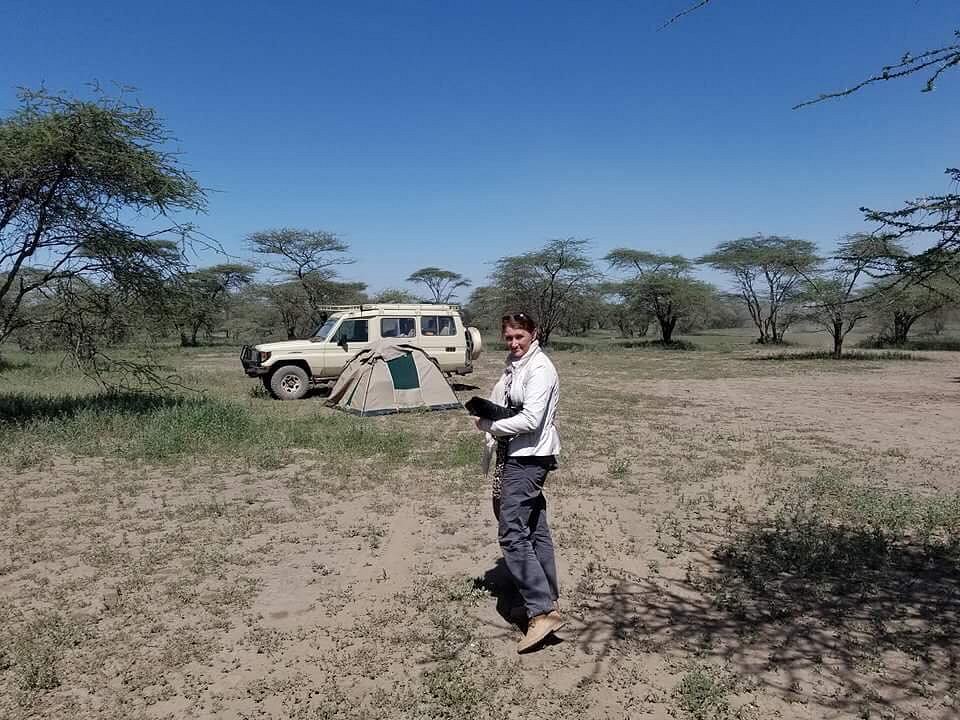
This is the advantage most travelers underestimate. Experienced driver-guides spend years learning animal behavior: where the lions in Ishasha rest in the fig trees, which loop in Queen Elizabeth National Park the leopards favor, and what a sudden alarm call from impalas means. They also stay in radio or phone contact with other guides and rangers, so when a sighting happens, you hear about it.
On a self-drive safari, you are essentially searching blind. You might still enjoy great sightings, but a skilled guide can be the difference between seeing a pride of lions on a kill and driving past the same empty savannah twice.
3. You Actually Get to Enjoy the Scenery
When you are behind the wheel, your eyes must stay on the road — watching for potholes, boda-bodas, livestock, speed bumps, and oncoming trucks. That means missing the terraced hills of Kigezi, the crater lakes around Fort Portal, or the first glimpse of elephants along the roadside.
With a driver, every passenger — including you — gets to look out of the window, take photos, read up on the next destination, or simply rest. For many travellers this alone transforms the trip from a stressful driving marathon into a genuine holiday.
4. Reduced Stress and Fatigue
Safari days are long. Many start before sunrise for morning game drives and end after sunset. Adding six to eight hours of demanding driving between parks leaves many self-drivers exhausted by day three. Fatigue is not just unpleasant — it is one of the leading causes of road accidents.
A professional driver is used to these distances and pace. You arrive at your lodge rested and ready to enjoy the evening, rather than drained and irritable.
5. Improved Road Safety
Driving in East Africa requires skills many visitors have never needed at home: sharing the road with overloaded trucks and buses, anticipating pedestrians and animals on unlit roads, handling slippery murram, and driving on the left side of the road in Uganda, Kenya, and Tanzania (Rwanda drives on the right). Local drivers are trained for these conditions and understand the unwritten rules of the road.
Professional drivers also know when not to drive — for example, avoiding travel after dark on rural highways, a rule many experienced operators enforce for safety.
6. No Need to Navigate Police Checkpoints and Paperwork Alone
Police and traffic checkpoints are common across the region. For a foreign self-driver, these stops can be confusing: Which documents do they need? Is the vehicle permit up to date? A local driver handles these interactions in the local language, carries the correct vehicle documents, and resolves most stops in seconds.
The same applies at park gates and — on multi-country trips — at border posts such as Mutukula, Katuna, Cyanika, Busia, or Malaba, where a driver familiar with the process can save you considerable time.
7. Mechanical Problems Are Handled for You
Flat tyres, a stuck vehicle in mud, or an overheating engine are real possibilities on safari roads. A driver knows how to change a wheel quickly, use recovery gear, perform basic repairs, and — crucially — who to call in the nearest town. Self-drivers must manage all of this themselves, often far from help and with limited phone signal.
Many driver-guides also do daily vehicle checks (tyres, oil, water, spare wheel) that prevent breakdowns in the first place.
8. A Built-In Guide, Interpreter and Cultural Bridge
A good driver-guide is far more than a chauffeur. They explain the history of the places you pass, the cultures of the communities along the way, and the ecology of each park. They help you communicate in Luganda, Swahili, Kinyarwanda, or other local languages, negotiate at markets, and understand local customs and etiquette.
This turns a road trip into a richer cultural experience — stopping at a roadside banana market, visiting the Equator line at Kayabwe, or understanding why Ankole cattle have such enormous horns.
9. Time Efficiency and Better Planning
Drivers know how long each leg realistically takes, where to stop for fuel, clean toilets, and good lunches, and which park gates open earliest. They can also coordinate with lodges, park authorities, and activity providers such as gorilla trekking briefings, boat cruises on the Kazinga Channel, or chimpanzee tracking in Kibale.
The result: less time lost to wrong turns and poor timing, and more time spent on what you came for.
10. Easier Park Rules and Game Drive Logistics
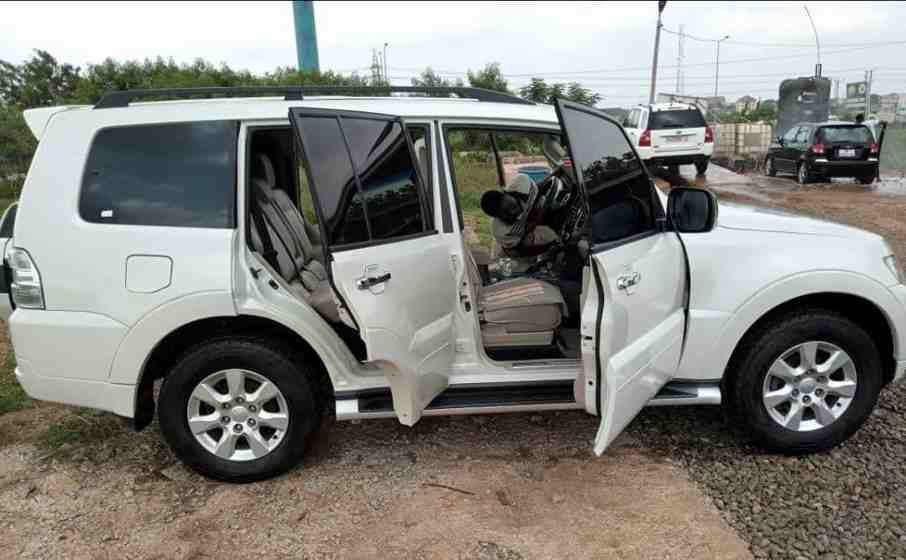
National parks have rules on speed limits, off-road driving, gate times, and designated tracks. Breaking them can mean fines. Driver-guides know these rules and the best circuits within each park, ensuring you make the most of your time without accidental violations.
In parks where ranger-guides are recommended or required for certain areas, your driver will usually know how to arrange them and where to pick them up.
11. Security and Peace of Mind
Having someone who knows the area — which towns to stop in, where to park safely, and how to read a situation — adds a strong layer of security, especially for solo travellers, families with young children, and first-time visitors to Africa. Your driver remains responsible for the vehicle, which also reduces the worry of leaving luggage in the car during activities.
12. No Driving Licence or International Permit Complications
Self-drive rentals require a valid driving licence and, in many cases, an International Driving Permit. Some travellers do not hold a licence, have one in a non-Latin script, or are uncomfortable driving manual 4×4 vehicles. Hiring a car with a driver removes these barriers completely — anyone can travel regardless of their licence situation.
13. Lower Risk of Damage Charges
On a self-drive rental, you are usually liable for damage up to the insurance excess — chipped windscreens from gravel roads, scraped bumpers, and tyre damage are all common. When the company’s driver is behind the wheel, responsibility for the vehicle generally rests with the operator, not you. Always confirm this in your rental agreement, but in most cases it greatly reduces your financial exposure.
14. Ideal for Groups, Families and Older Travellers
With a driver, nobody in the group has to sacrifice their holiday to be the designated driver. Children can be supervised properly, older travellers can relax, and everyone shares in the experience equally. For larger groups, operators can provide a safari van or extended Land Cruiser with a pop-up roof, which works best with a professional driver.
15. Flexibility Without the Hassle
Some travellers worry that a driver limits their freedom. In practice, a private car with driver is still your own private trip — you choose when to stop for photos, how long to spend at a viewpoint, or whether to take a detour. You get the flexibility of self-drive with none of the navigation, mechanical or paperwork burdens.
| Driver-Guide Tip
Ask your driver on day one what they most enjoy showing visitors. Many have favourite viewpoints, local restaurants or little-known wildlife spots that never appear in guidebooks. |
Cost Comparison: Is a Driver Worth the Extra Money?
The most common argument for self-drive is cost. A driver adds a daily fee to the vehicle hire and, on multi-day safaris, the driver’s accommodation and meals are usually covered by the traveller or included in the package. However, the gap is often narrower than it first appears once hidden self-drive costs are considered.
| Cost Item | Car with Driver | Self-Drive |
| Vehicle daily rate | Same vehicle rate | Same vehicle rate |
| Driver fee | Added per day | None |
| Driver accommodation & meals | Often included or charged per night | None |
| Fuel | Usually paid by client (driver plans efficient routes) | Paid by client (wrong turns add cost) |
| Damage / insurance excess | Normally operator’s responsibility | Client liable up to excess |
| Separate guides in parks | Often not needed | May need to hire locally |
| Lost time and missed activities | Minimal | Possible with poor planning |
| Pricing Note
Driver fees, accommodation arrangements and fuel policies vary between operators, seasons and vehicle types. Always request a written, itemised quote so you can compare a chauffeur-driven package and a self-drive rental on equal terms. |
For many travellers, the answer is clear: when you factor in better sightings, reduced damage risk, no need for separate guides, and a far more relaxing trip, the added cost of a driver represents excellent value — particularly for families, groups and first-time visitors, where the per-person cost is shared.
When Self-Drive Might Still Make Sense
To make a fair decision, it helps to know when self-drive can be the right choice. It may suit you if:
- You are an experienced driver who has driven 4×4 vehicles on gravel or dirt roads before.
- You have visited East Africa previously and are comfortable with local road culture.
- You want total privacy — for example, on a honeymoon or a rooftop tent camping trip.
- You are on a tight budget and willing to take on navigation and vehicle responsibility.
- Your route is mostly on good tarmac roads with short driving days.
Even then, many self-drivers choose a hybrid approach: hiring a driver for the most demanding legs (such as the roads to Bwindi or Kidepo) or for city transfers, and self-driving the easier sections.
Who Benefits Most from a Car with a Driver?
| Traveller Type | Why a Driver Works Best |
| First-time visitors to Africa | Removes uncertainty about roads, rules and safety |
| Families with children | Parents can supervise and enjoy the trip together |
| Solo travellers | Added security, company and local support |
| Older travellers | Comfort and no demanding driving days |
| Photographers | Freedom to shoot while the driver positions the vehicle |
| Business and NGO travellers | Punctual, efficient transfers between meetings |
| Gorilla and chimp trekkers | Reliable timing for early briefings in Bwindi, Mgahinga, Volcanoes NP or Kibale |
| Multi-country travellers | Smoother border crossings and document handling |
How to Choose a Good Driver-Guide Service
- Choose a registered, reputable rental company with clear reviews and a physical office.
- Ask about the driver’s experience, languages spoken and wildlife-guiding knowledge.
- Confirm what is included: driver fee, driver accommodation and meals, fuel, park fees and vehicle insurance.
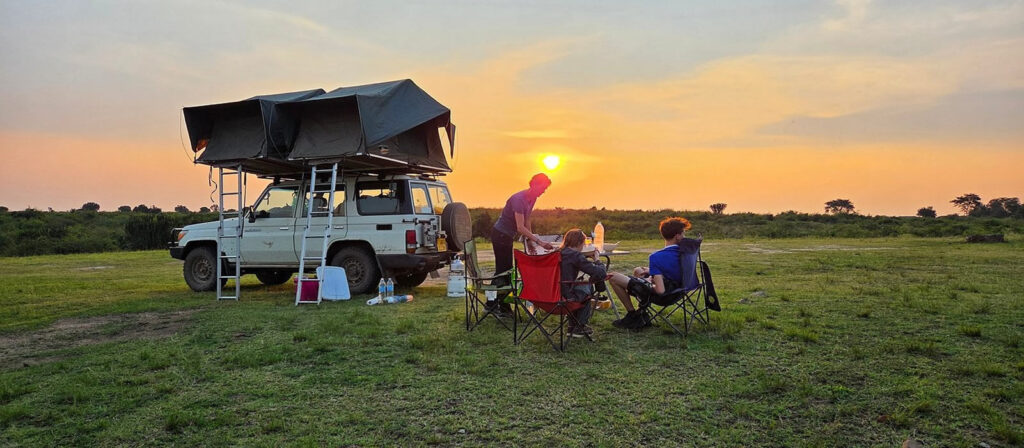
- Check the vehicle type and condition — a 4×4 with a pop-up roof is ideal for game viewing.
- Ask whether the driver will stay with you for the entire trip or change between legs.
- Clarify policies on daily driving hours, night driving and any extra charges.
- Request a detailed written itinerary and quotation before paying a deposit.
Tips for Travelling with a Private Driver
- Share your interests upfront — birds, primates, photography or culture — so your driver can tailor stops.
- Agree on daily start times the evening before, especially on game drive and trekking days.
- Keep valuables with you during activities, even though the driver stays with the vehicle.
- Tipping is customary in East Africa; budget for a tip at the end of the trip if you are happy with the service.
- Treat your driver as part of the team — trips go best when there is good communication and mutual respect.
Frequently Asked Questions
Is it cheaper to self-drive or hire a car with a driver?
Self-drive has a lower daily rate because there is no driver fee or driver accommodation. However, once you include damage liability, separate park guides and the value of better sightings and planning, a car with a driver often offers better overall value, especially for groups.
Do I need a driving licence to hire a car with a driver?
No. Because the company’s professional driver does all the driving, you do not need a licence or an International Driving Permit.
Can the driver also act as my safari guide?
Yes. Many companies provide driver-guides trained in wildlife, birding and local culture. Confirm this when booking if guiding is important to you.
Who pays for the driver’s accommodation and meals?
This depends on the operator. Some include it in the daily rate, while others charge it separately. Many safari lodges also offer dedicated driver quarters at a reduced rate.
Can I still change my itinerary with a driver?
Usually yes. A private driver works for your group, so small changes — extra stops, longer game drives or detours — are generally easy to arrange. Larger route changes may affect fuel and costs.
Is it safe to self-drive in Uganda, Rwanda, Tanzania or Kenya?
Many travellers self-drive successfully, but it requires confidence on rough roads, careful planning, and avoiding night driving. If you are unsure, hiring a driver is the safer option.
Which vehicle is best for a chauffeur-driven safari?
A 4×4 such as a Toyota Land Cruiser or Land Cruiser Prado with a pop-up roof is the most popular choice for game viewing and rough roads. Safari vans suit larger groups on good roads, while saloon cars are fine for city transfers.
Can I hire a driver for only part of my trip?
Yes. Many operators offer flexible arrangements, such as a driver for airport transfers or difficult legs, and self-drive for the rest.
Conclusion
Self-drive offers independence, but hiring a car with a driver delivers something many travellers value more: peace of mind. With an experienced driver-guide, you benefit from local road knowledge, better wildlife sightings, greater safety, freedom from paperwork and breakdown worries, and the chance to truly enjoy every kilometre of East Africa’s spectacular scenery.
Whether you are tracking gorillas in Bwindi, following the Great Migration in the Maasai Mara or Serengeti, or exploring Rwanda’s thousand hills, a professional driver turns a demanding road trip into an unforgettable journey.
| Plan Your Trip with Arusha Car Rental
Looking for a reliable 4×4 with an experienced driver-guide in Uganda, Rwanda, Tanzania or Kenya? Contact Arusha Car Rental for a tailored quotation and let our team handle the driving while you enjoy the adventures. |