
Self-Drive Car Rental in Mikumi National Park
Self-Drive Car Rental in Mikumi National Park, Mikumi National Park is one of the easiest places in Tanzania to experience a genuine big-game safari behind your own wheel. Located roughly 290 km west of Dar es Salaam along the paved Tanzania–Zambia (TANZAM/A7) highway, the park can be reached in a single day’s drive from the country’s commercial capital with no rough approach roads, no charter flights and no need to join a group tour.
Covering around 3,230 square kilometres, Mikumi is Tanzania’s fourth-largest national park and forms part of a vast wilderness ecosystem that connects southward to Nyerere National Park (formerly the northern Selous). Its centrepiece, the open grasslands of the Mkata Floodplain, is often compared to a “mini Serengeti” – flat, wide horizons dotted with zebra, wildebeest, buffalo, giraffe and elephant, framed by the Uluguru and Rubeho mountains.
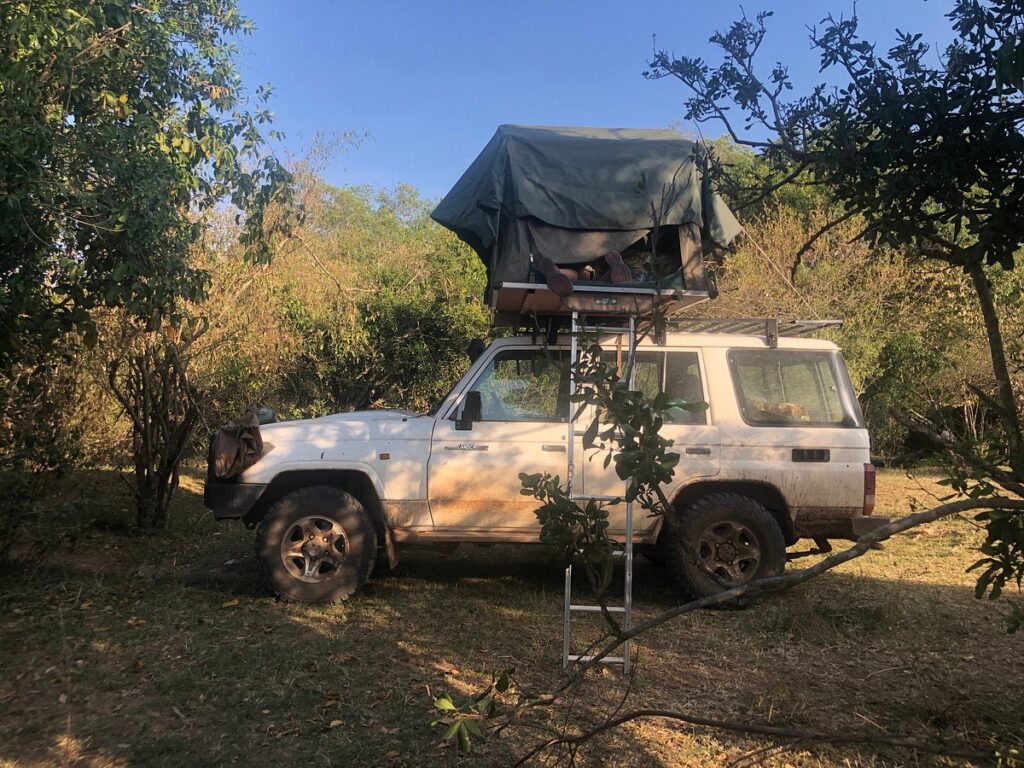
For travellers who want flexibility, privacy and value, hiring a 4×4 and driving yourself is an excellent way to explore Mikumi. You set your own pace, linger at a lion sighting as long as you like, and combine the park with nearby gems such as Udzungwa Mountains National Park, Ruaha or Nyerere. This guide covers everything you need to plan a successful self-drive car rental safari in Mikumi National Park in 2026.
| Mikumi at a Glance
Location: Morogoro Region, south-central Tanzania Size: Approximately 3,230 km² (4th largest national park in Tanzania) Distance from Dar es Salaam: Around 290 km (4.5–6 hours on tarmac) Main access: Main Gate on the TANZAM (A7) highway, near Mikumi town Signature wildlife: Lion, elephant, giraffe, zebra, buffalo, wildebeest, eland, hippo, sable antelope, greater kudu, 400+ bird species Best for self-drive: June to October (dry season) and late December to February Recommended vehicle: 4×4 SUV or safari Land Cruiser; high clearance essential in the wet season |
Why Choose a Self-Drive Safari in Mikumi?
Mikumi’s combination of good road access, a compact game-viewing circuit and relatively simple navigation makes it arguably the best “first self-drive” park in Tanzania. Here are the main advantages:
- Tarmac all the way to the gate. Unlike Ruaha, Katavi or the Serengeti, there are no long gravel transfers. Any competent driver can reach the Main Gate on a fully paved highway.
- Compact, well-signposted game circuits. The most productive game-viewing areas – the Mkata Floodplain loops, Hippo Pools and Chamgore – lie north of the highway within an hour of the gate.
- Excellent value. Park conservation fees are lower than in the northern circuit parks, and a self-drive saves you the cost of a guide, driver allowances and tour-operator margins.
- Complete flexibility. Start at dawn, picnic where you like (at designated sites), and change your plans according to weather or sightings.
- Perfect gateway to the southern circuit. Mikumi links naturally with Udzungwa, Ruaha and Nyerere, allowing you to build a longer road-trip safari.
- Ideal for short breaks. Residents and business travellers in Dar es Salaam or Morogoro can manage a rewarding two-day safari over a weekend.
Best Rental Vehicles for a Mikumi Self-Drive Safari
Choosing the right car is the single most important decision you will make. While a regular saloon can technically travel along the highway through the park, you need a high-clearance 4×4 to use the game-viewing tracks – especially the black-cotton soils of the Mkata Floodplain, which become sticky and treacherous after rain.
| Vehicle | Seats | Best For | Strengths | Consider |
| Toyota RAV4 (4WD) | 4–5 | Couples, budget travellers, dry season | Economical, comfortable on tarmac, easy to drive | Lower clearance; avoid deep mud |
| Nissan X-Trail (4WD) | 5 | Small families, lodge-based trips | Spacious boot, smooth ride | Not ideal for heavy wet-season tracks |
| Toyota Land Cruiser Prado | 5–7 | Families, all-season travel | True 4×4, comfortable, strong resale reliability | Higher fuel consumption |
| Land Cruiser 70-Series with Pop-Up Roof | 5–7 | Photographers, serious game viewers | Stand-up game viewing, rugged, excellent in mud | Firmer ride on long highway stretches |
| Toyota Hilux Double Cab + Rooftop Tent | 2–4 | Campers, adventurous couples | Accommodation built in, big load space | Tent setup each evening |
| Land Cruiser + Rooftop Tent (fully equipped) | 2–4 | Extended southern-circuit road trips | Camping kit, fridge, water tank, dual battery | Highest daily rate |
| Our Recommendation
For a dry-season trip of two to four days focused on Mikumi alone, a Toyota RAV4 is perfectly adequate and the most economical choice. If you are travelling between March and May, combining Mikumi with Ruaha or Nyerere, or you want the best possible game-viewing experience, upgrade to a Land Cruiser Prado or a pop-up roof Land Cruiser. |
What Is Usually Included in a Rental
- Unlimited mileage (confirm this in writing – some budget providers cap daily kilometres)
- Comprehensive or third-party insurance, depending on the package
- Legally required safety kit: two reflective warning triangles, fire extinguisher and first-aid kit
- Spare wheel (ideally two for long southern-circuit trips), jack and wheel spanner
- 24/7 roadside assistance and a local support phone number
- Optional extras: camping gear, cool box or fridge, GPS or local SIM card, child seats, additional driver
Self-Drive Car Rental Costs for Mikumi (2026)
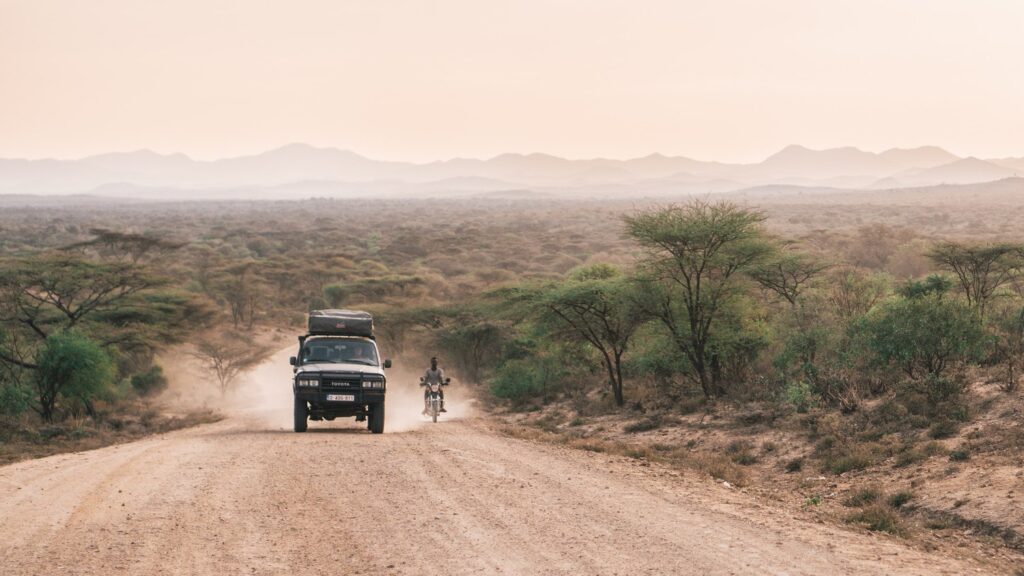
Rental prices vary with season, rental duration and the level of equipment. The figures below are indicative daily rates for self-drive hire starting in Dar es Salaam or Morogoro. Longer rentals (7+ days) usually attract discounts of 10–20%.
| Vehicle Category | Indicative Daily Rate (USD) | Typical Security Deposit |
| Toyota RAV4 / compact 4×4 SUV | $50 – $75 | $300 – $500 |
| Nissan X-Trail | $60 – $85 | $300 – $500 |
| Toyota Land Cruiser Prado | $100 – $140 | $500 – $1,000 |
| Land Cruiser 70-Series (pop-up roof) | $150 – $220 | $1,000 – $1,500 |
| Toyota Hilux with rooftop tent | $110 – $160 | $800 – $1,200 |
| Land Cruiser with rooftop tent & full camping kit | $170 – $250 | $1,000 – $1,500 |
Prices are guideline estimates for 2026 and should be confirmed with your rental provider at the time of booking.
Sample Budget: 3-Day Mikumi Self-Drive for Two
| Cost Item | Estimate (USD) | Notes |
| 4×4 rental (RAV4, 3 days) | $165 – $225 | Collected and returned in Dar es Salaam |
| Fuel (Dar – Mikumi – Dar plus game drives, ~800 km) | $110 – $150 | Depends on vehicle and driving style |
| Park conservation fees (2 adults × 2 days) | ≈ $142 | Based on ~$35.40 per adult per 24 hrs incl. VAT |
| Vehicle entry fee (2 days) | ≈ $20 – $30 | Tanzania-registered vehicle, by weight class |
| Accommodation (2 nights, mid-range) | $200 – $500 | Camping reduces this significantly |
| Food, water & incidentals | $60 – $120 | Stock up in Morogoro or Mikumi town |
| Estimated total | $700 – $1,170 | Roughly $350 – $585 per person |
Mikumi National Park Entry Fees and Payment Rules
Mikumi is managed by Tanzania National Parks (TANAPA). Fees are charged per person per 24-hour period, plus a separate daily fee for your vehicle. As of the latest published TANAPA tariffs, the approximate fees are shown below; always check the current TANAPA schedule before travel, as rates and VAT treatment are periodically revised.
| Category | Non-Resident | East African Citizen |
| Adult (16 years and above) | USD 30 + 18% VAT (≈ $35.40) | TSh 10,000 + VAT |
| Child (5–15 years) | USD 10 + 18% VAT (≈ $11.80) | TSh 2,000 + VAT |
| Child under 5 | Free | Free |
| Public campsite (per person per night) | USD 30 + VAT | TSh 10,000 + VAT |
| Vehicle Entry (per day) | Approximate Fee |
| Tanzania-registered vehicle up to 2,000 kg (e.g. RAV4, X-Trail) | TSh 20,000 – 25,000 (≈ $8 – $10) |
| Tanzania-registered vehicle 2,001 – 3,000 kg (e.g. Prado, Land Cruiser) | TSh 40,000 – 45,000 (≈ $15 – $18) |
| Foreign-registered vehicle (e.g. rented in Uganda or Kenya) | Charged in USD at a higher rate – approx. $40+ per day |
| Important: Payments Are Cashless
TANAPA does not accept cash at park gates. Fees are paid by Visa or Mastercard at the gate, or through the government’s electronic payment system (GePG) via bank or mobile money in advance. Carry at least two working cards, notify your bank before travelling, and keep your receipts until you exit – rangers may ask to see them. |
Getting to Mikumi National Park by Road
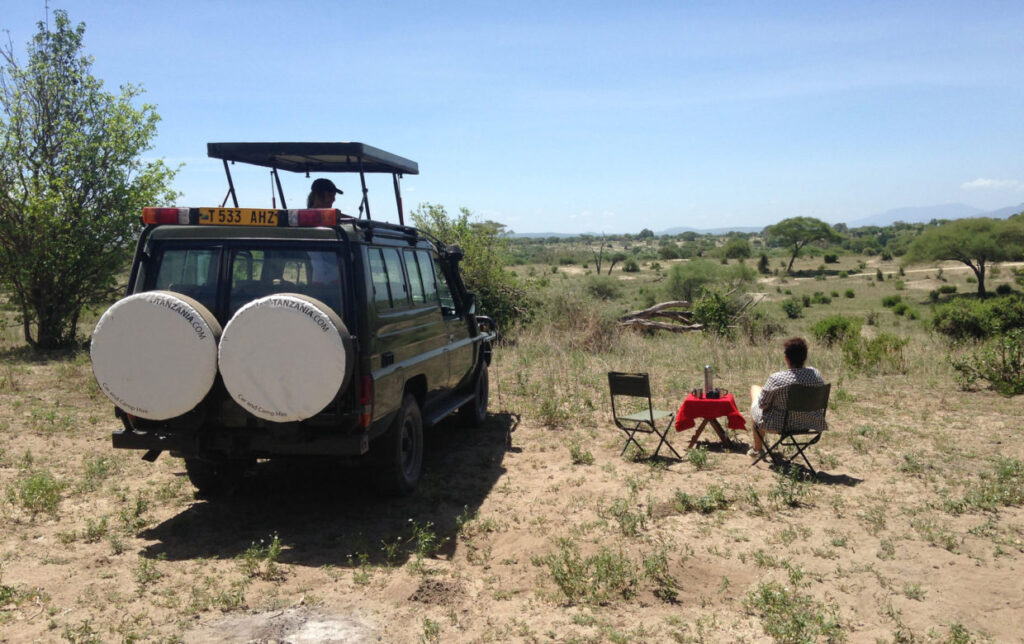
Almost every self-driver reaches Mikumi on the TANZAM (A7) highway, which runs straight through the park for about 50 km. The Main Gate and park headquarters sit beside the highway on the western side of the park, a short drive from Mikumi town.
| Starting Point | Distance to Main Gate | Driving Time | Road Condition |
| Dar es Salaam | ≈ 290 km | 4.5 – 6 hrs | Tarmac; heavy traffic leaving the city |
| Julius Nyerere Int’l Airport (DAR) | ≈ 285 km | 4.5 – 6 hrs | Tarmac |
| Morogoro | ≈ 110 km | 1.5 – 2 hrs | Tarmac |
| Iringa | ≈ 190 km | 3 – 3.5 hrs | Tarmac; scenic Ruaha gorge |
| Dodoma | ≈ 360 km (via Morogoro) | 5 – 6 hrs | Tarmac |
| Udzungwa Mountains NP (Mang’ula) | ≈ 65 km | 1 – 1.5 hrs | Tarmac via Kidatu |
| Ruaha NP (Main Gate) | ≈ 300 km (via Iringa) | 5.5 – 7 hrs | Tarmac to Iringa, then gravel |
Route Tips from Dar es Salaam
- Leave Dar es Salaam before 6:00 am to beat the Morogoro Road traffic, which can add two or more hours at peak times.
- Refuel and stock up on groceries, water and cash (for accommodation and fuel) in Morogoro – it is the last large town before the park.
- Beyond Morogoro, the highway climbs past the Uluguru Mountains and the landscape opens up into savannah as you approach Mikumi.
- Drive carefully through villages: speed limits drop to 50 km/h and traffic police regularly check speeds with radar guns.
- Aim to reach the Main Gate by early afternoon so you can pay fees, check in and still enjoy an evening game drive.
| Driving the Highway Through the Park
The TANZAM highway is a busy freight corridor used by heavy trucks travelling to Zambia and Malawi. Inside the park, strict speed limits apply (typically 50 km/h in the park section), speed humps are frequent, and animals – including elephants and baboons – regularly cross the road. Fines are issued for speeding and for hitting wildlife. Do not stop to view animals on the highway; use the designated game-viewing tracks instead. |
Top Self-Drive Game-Viewing Areas in Mikumi
Mikumi’s road network is concentrated north of the highway, where the terrain is open and the wildlife densest. The southern section, dominated by miombo woodland, is wilder and less visited.
1. The Mkata Floodplain
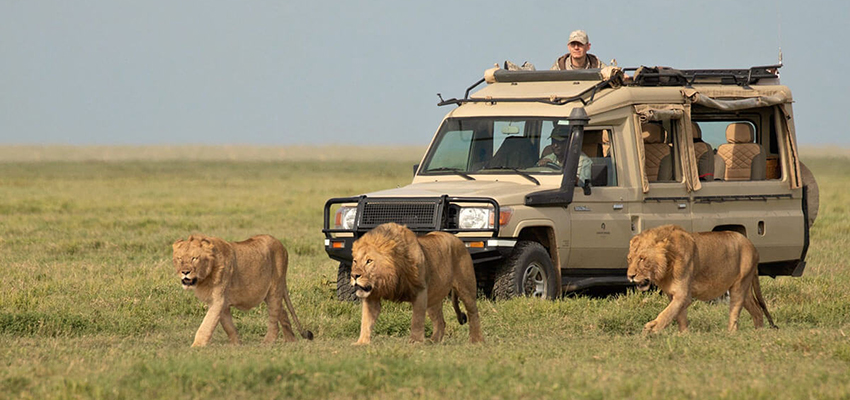
The heart of Mikumi. These open grasslands support large herds of zebra, wildebeest, buffalo, impala and giraffe, with lions frequently seen resting on termite mounds or in the shade of acacias. Visibility is excellent, making it ideal for first-time self-drivers.
2. Hippo Pools
Located a short drive north of the Main Gate, the Hippo Pools are one of the park’s highlights. Dozens of hippos wallow alongside crocodiles, while storks, herons and kingfishers hunt at the margins. A designated area allows you to step out of your vehicle for a closer look – follow any ranger instructions.
3. Chamgore Waterhole and Kikoboga Area
Chamgore (“place of the python”) and the Kikoboga area are productive spots for elephants, buffalo and predators, especially in the dry season when water sources shrink.
4. Mwanambogo Dam Loop
A longer circuit in the north of the floodplain, excellent for elephants, buffalo herds and waterbirds. Allow a half-day and check track conditions at the gate first, particularly after rain.
5. The Southern Miombo Woodlands
Rarely visited, this area is home to specialist antelopes such as sable, greater kudu and Lichtenstein’s hartebeest. Tracks can be rough and poorly marked – attempt this section only in a capable 4×4 and ideally with a ranger or local guide.
Wildlife You Can Expect to See
| Group | Species | Where / When |
| Big cats | Lion (occasionally tree-climbing), leopard (elusive) | Mkata Floodplain; early morning and late afternoon |
| Large mammals | Elephant, buffalo, giraffe, hippo | Floodplain, Hippo Pools, Mwanambogo; year-round |
| Plains game | Zebra, wildebeest, impala, eland, warthog | Open grasslands; best June–October |
| Specialist antelope | Sable, greater kudu, Lichtenstein’s hartebeest | Southern miombo woodland |
| Primates | Yellow baboon, vervet monkey | Throughout; watch for them near picnic sites |
| Other predators | Spotted hyena, black-backed jackal, wild dog (rare) | Floodplain edges; dawn and dusk |
| Birds | 400+ species incl. lilac-breasted roller, bateleur, saddle-billed stork | Excellent November–April with migrants |
Best Time for a Self-Drive Safari in Mikumi
| Period | Season | Self-Drive Conditions | Wildlife & Experience |
| June – October | Long dry season | Excellent; tracks firm and dusty | Peak game viewing as animals gather at water |
| November – mid-December | Short rains | Good; occasional showers | Green landscapes, migrant birds arrive |
| Late December – February | Short dry spell | Very good | Calving season, good predator action, fewer visitors |
| March – May | Long rains | Challenging; floodplain tracks may close | Lush scenery, superb birding, lowest rates |
For first-time self-drivers, June to October offers the most reliable conditions. If you travel in the long rains, rent a Land Cruiser, stick to main loops, ask rangers about closed tracks, and avoid black-cotton soil after heavy downpours.
Requirements for Renting a Self-Drive Car in Tanzania
- Minimum age: Usually 23–25 years, with at least two years’ driving experience. Some providers charge a young-driver surcharge.
- Driving licence: A valid national licence in English. An International Driving Permit (IDP) is strongly recommended and may be requested at police checkpoints.
- Passport and visa: A valid passport and Tanzania visa (e-Visa available online) for international visitors.
- Security deposit: Paid by credit card or cash; refunded after the vehicle is returned undamaged.
- Booking confirmation: A signed rental agreement that lists all authorised drivers and permitted travel areas.
- Cross-border authorisation: Needed only if you plan to drive into Kenya, Uganda, Zambia or Malawi – arrange this in advance with your rental company.
How to Book Your Mikumi Self-Drive Rental
- Decide your travel dates, number of travellers and whether you will stay in lodges or camp.
- Choose a vehicle based on season, route and comfort (see the comparison table above).
- Request a written quotation that lists inclusions, insurance excess, mileage and deposit.
- Confirm with a deposit and share copies of your licence and passport.
- Book accommodation inside or near the park – popular camps fill up in July and August.
- Collect the vehicle, complete a thorough inspection with the rental agent and photograph any existing damage.
Where to Stay on a Mikumi Self-Drive Safari
Mikumi offers accommodation for every budget, from simple campsites to comfortable tented camps. Staying inside or on the edge of the park lets you enjoy early-morning and late-afternoon game drives when wildlife is most active.
| Tier | Options | Why Choose It |
| Luxury / Upper mid-range | Vuma Hills Tented Camp; Stanley’s Kopje | Hilltop views over the plains, swimming pools, full-board dining |
| Mid-range | Mikumi Wildlife Camp (Kikoboga) and similar tented camps | Inside the park near prime game areas; wildlife around camp |
| Budget | Lodges and guesthouses in Mikumi town (e.g. Tan-Swiss Lodge) | Affordable rooms, restaurants and fuel just outside the gate |
| Camping | TANAPA public and special campsites; rooftop tent camping | Closest to nature and the lowest-cost option for self-drivers |
| Camping Tips for Rooftop Tent Travellers
Register your campsite at the gate and pay the camping fee when you pay your entry fees. Arrive before dark, keep food sealed inside the vehicle, never leave rubbish behind, and do not walk around the campsite at night without a torch. Public campsites have basic facilities, so carry enough drinking water, fuel for your stove and a portable light. |
Sample Self-Drive Itineraries Including Mikumi
2 Days: Mikumi Weekend Safari from Dar es Salaam
| Day | Route | Highlights |
| Day 1 | Dar es Salaam → Mikumi (≈ 290 km) | Early departure, lunch in Morogoro, afternoon game drive on the Mkata Floodplain, overnight in or near the park |
| Day 2 | Mikumi → Dar es Salaam | Sunrise game drive to Hippo Pools and Chamgore, brunch, return drive after midday |
4 Days: Mikumi and Udzungwa Mountains
| Day | Route | Highlights |
| Day 1 | Dar es Salaam → Mikumi | Drive via Morogoro; evening game drive |
| Day 2 | Full day in Mikumi | Morning and afternoon drives: Mwanambogo Dam, Hippo Pools, floodplain loops |
| Day 3 | Mikumi → Udzungwa (Mang’ula) | Short drive via Kidatu; hike to Sanje Waterfalls and look for endemic red colobus monkeys |
| Day 4 | Udzungwa → Dar es Salaam | Return drive, arriving in the evening |
7 Days: Southern Circuit Road Trip – Mikumi, Udzungwa and Ruaha
| Day | Route | Highlights |
| Day 1 | Dar es Salaam → Mikumi | Arrive for an afternoon game drive |
| Day 2 | Mikumi | Full day exploring the park |
| Day 3 | Mikumi → Udzungwa | Waterfall hike and primate viewing |
| Day 4 | Udzungwa → Iringa | Scenic drive, overnight in Iringa; restock supplies |
| Day 5 | Iringa → Ruaha National Park | Gravel road to Ruaha; afternoon game drive along the Great Ruaha River |
| Day 6 | Ruaha | Full day for lions, elephants, kudu and wild dog |
| Day 7 | Ruaha → Iringa / onward | Return to Iringa, drop the vehicle (one-way) or continue the journey |
Park Rules and Self-Drive Safety Tips
Mikumi National Park Rules
- Game drives are permitted only between approximately 6:00 am and 6:30 pm; driving on park tracks after dark is not allowed without special permission.
- Stay on designated roads and tracks – off-road driving damages the ecosystem and carries heavy fines.
- Keep to the park speed limit (typically 50 km/h, lower on game tracks) and give animals right of way.
- Remain inside your vehicle except at designated picnic sites, viewpoints and campsites.
- Do not feed, call or harass animals, and keep noise to a minimum.
- Carry all rubbish out of the park; littering and drones are prohibited without permits.
Practical Driving and Safety Tips
- Drive on the left. Tanzania follows left-hand traffic, with most rental cars being right-hand drive.
- Watch for trucks. Overtake only on long, clear straights, and be alert to buses and lorries overtaking towards you.
- Fuel up in town. There are no fuel stations inside the park. Fill up in Mikumi town or Morogoro and keep your tank above half.
- Police checkpoints. Stop when signalled, stay polite and have your licence, IDP, rental agreement and vehicle documents ready.
- Avoid night driving. Pedestrians, cyclists, livestock and unlit vehicles make highway driving after dark hazardous.
- Keep a safe distance from elephants. Leave space to reverse, switch off music and never block their path.
- Download offline maps. Mobile coverage is reasonable near the highway but patchy in remote areas. Save offline maps and pick up the park map at the gate.
- Health precautions. Mikumi is a malaria and tsetse fly area. Consult a travel doctor about prophylaxis, use repellent and wear neutral-coloured clothing (tsetse flies are attracted to dark blue and black).
Self-Drive Packing Checklist for Mikumi
| Essentials | Driving & Camping Gear | Personal Items |
| Passport, visa & driving licence / IDP | Offline maps & phone mount | Sunscreen, hat & sunglasses |
| Rental agreement & vehicle papers | Car charger & power bank | Insect repellent |
| Two bank cards for park fees | Tyre pressure gauge | Neutral-coloured clothing |
| Cash (TSh) for fuel & meals | Tow rope & torch/headlamp | Warm layer for early mornings |
| Travel insurance details | Cool box, water & snacks | Binoculars & camera with zoom lens |
| Yellow fever card (if required) | Camping gear (if camping) | Personal medications & first-aid |
Things to Do Around Mikumi Beyond Game Drives
- Guided walking safaris: Arrange an armed ranger-led walk at park headquarters for a close-up look at tracks, plants and smaller creatures.
- Udzungwa Mountains hiking: Trek to the Sanje Waterfalls and search for Udzungwa red colobus and Sanje mangabey, both endemic primates.
- Cultural visits: Visit local villages near Mikumi town to learn about farming life and traditional crafts.
- Birdwatching: Mikumi and Udzungwa together offer outstanding birding, especially from November to April.
- Extend to Nyerere National Park: Combine Mikumi with a boat safari on the Rufiji River in Nyerere (check road conditions and access routes before setting out).
Why Rent Your Mikumi Self-Drive Car with Arusha Car Rental
Arusha Car Rental provides well-maintained 4×4 vehicles prepared specifically for Tanzanian safari conditions. Every vehicle is serviced before hire and comes with the legally required safety kit, a spare wheel, clear pricing and 24/7 support. Our team helps with route planning, park fee guidance, accommodation bookings and camping equipment, so you can focus on enjoying the wildlife.
- Flexible pick-up in Dar es Salaam, Morogoro, Iringa and other locations on request
- Choice of RAV4, X-Trail, Land Cruiser Prado, pop-up roof Land Cruisers and rooftop tent vehicles
- Transparent quotations with no hidden fees
- One-way and cross-border rental options across East Africa
- Optional driver-guide service if you prefer not to drive yourself
| Ready to Explore Mikumi?
Contact the Marriott Safaris Africa team with your travel dates, number of travellers and preferred vehicle, and we will send a tailored self-drive quotation for your Mikumi National Park adventure. Perfection Anytime. |
Frequently Asked Questions
Can I do a self-drive safari in Mikumi National Park?
Yes. Mikumi is one of the most self-drive-friendly parks in Tanzania. It is reached on a paved highway, has well-marked main game tracks and a compact circuit north of the highway. You pay park fees at the gate and explore independently within park rules.
Do I need a 4×4 to visit Mikumi?
A 4×4 with good ground clearance is strongly recommended for game-viewing tracks, especially in the wet season (March–May) when black-cotton soil becomes slippery. In the dry season, a compact 4WD SUV such as a RAV4 is usually sufficient.
How far is Mikumi National Park from Dar es Salaam?
The Main Gate is roughly 290 km from Dar es Salaam, a drive of about 4.5 to 6 hours depending on traffic leaving the city and around Morogoro.
How much does a self-drive car rental for Mikumi cost?
Indicative daily rates in 2026 range from about $50–$75 for a RAV4 to $150–$250 for a fully equipped Land Cruiser with a pop-up roof or rooftop tent. Park fees, fuel and accommodation are additional.
Can I pay Mikumi park fees in cash?
No. TANAPA gates are cashless. Pay with a Visa or Mastercard at the gate or in advance via the government electronic payment system. Always carry a backup card.
Is it safe to self-drive in Mikumi?
Yes, provided you follow park rules, stay inside your vehicle, respect speed limits and avoid driving at night. The biggest risks are on the highway itself, where heavy trucks and crossing wildlife require careful driving.
Can I combine Mikumi with other parks on a self-drive?
Absolutely. Udzungwa Mountains is about an hour away, Ruaha is reachable via Iringa, and Nyerere National Park lies to the south. Many travellers also include Mikumi on longer 12- to 21-day Tanzania self-drive itineraries.
What is the best time for a self-drive safari in Mikumi?
June to October is the best time for easy driving and concentrated wildlife. Late December to February is also good. March to May brings heavy rain and some track closures, but lower prices and lush scenery.
Can I camp in Mikumi with a rooftop tent?
Yes. Rooftop tent vehicles can use the TANAPA public and special campsites. Book and pay for your campsite with your park fees, arrive before dark and keep food sealed inside the vehicle.
Can I rent a car in Uganda or Kenya and drive to Mikumi?
Yes, with a cross-border authorisation from your rental company, COMESA Yellow Card insurance and the correct vehicle documents. Note that foreign-registered vehicles pay higher park entry fees in Tanzania.
Final Thoughts
A self-drive car rental safari in Mikumi National Park offers an unbeatable mix of accessibility, affordability and authentic wildlife encounters. With a reliable 4×4, a sensible plan and respect for park rules, you can enjoy lions on the Mkata Floodplain, hippos at the Hippo Pools and elephants against a mountain backdrop – all at your own pace. Whether you choose a quick weekend escape from Dar es Salaam or a longer southern-circuit road trip, Mikumi is the ideal place to begin your Tanzanian self-drive adventure.