Which Safari Is Best for Self-Drive in Tanzania?
Which Safari Is Best for Self-Drive in Tanzania, a practical comparison of Tarangire, Serengeti, Lake Manyara, Ngorongoro, and Arusha National Park
Tanzania is one of the few countries in East Africa where renting a 4×4 and driving yourself through national parks is genuinely realistic — but not every park is equally suited to it. Road conditions, park regulations, fuel logistics, and wildlife density all vary widely between circuits. This guide compares the most popular options for self-drive travelers and recommends the best fit depending on experience level, time available, and travel goals.
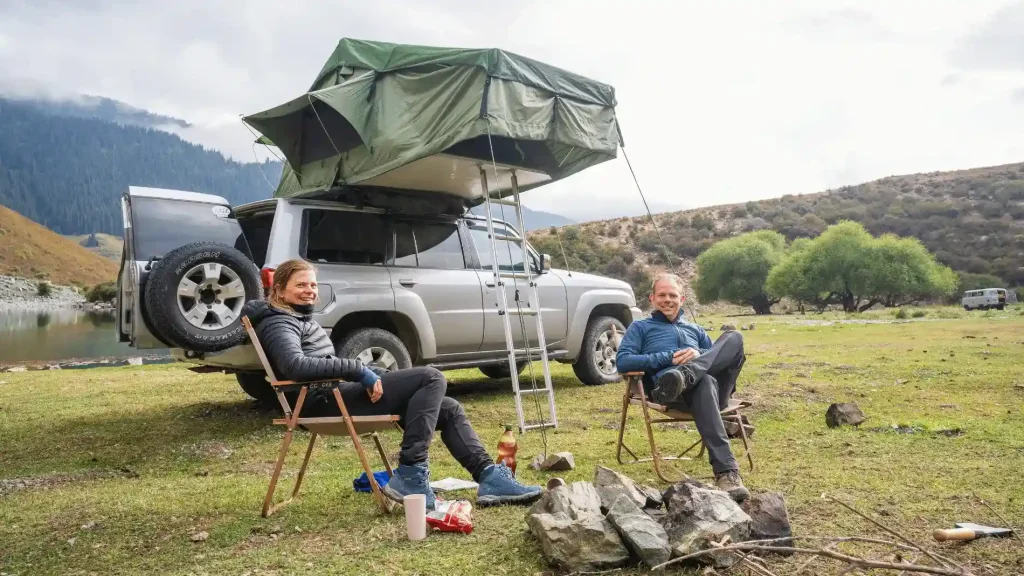
The Short Answer
For most self-drive travelers, Tarangire National Park is the best overall choice. It combines well-maintained roads, clear signage, manageable distances from Arusha, and some of the highest elephant densities in Africa, all without the restrictions that limit self-driving in Ngorongoro Crater. Serengeti rewards experienced self-drivers with bigger budgets and more time, while Lake Manyara and Arusha National Park are excellent low-stakes options for beginners or short trips.
Park-by-Park Comparison
| Park / Circuit | Self-Drive Access | Road Difficulty | Wildlife Density | Best For |
| Tarangire National Park | Excellent — gates, signage, and ranger posts are self-drive friendly | Moderate; graded dirt roads, dusty in dry season | Very high (elephants, dry-season concentrations) | First-time self-drivers, elephant viewing |
| Lake Manyara National Park | Excellent — compact park, clear loop roads | Easy; mostly graded tracks | High in a small area; tree-climbing lions | Quick add-on, easy navigation |
| Serengeti National Park | Good, but distances are vast and fuel planning matters | Moderate to hard; long stretches, seasonal mud | Exceptional, especially during migration | Experienced self-drivers, migration season |
| Ngorongoro Crater | Restricted — compulsory ranger guide required inside the crater | Easy inside crater; steep descent road | Extremely high, concentrated | Day visit combined with a 4×4 rental |
| Arusha National Park | Excellent — close to Arusha town, well-marked trails and good signage | Easy; short loop, some steep volcanic sections | Moderate; giraffe, buffalo, colobus monkeys | Short self-drive trip, Mount Meru views |
Tarangire National Park — Best Overall for Self-Drive
Tarangire sits roughly two hours from Arusha, making it an easy first stop on a self-drive itinerary. Its road network is graded and well marked, gate staff are accustomed to independent travelers, and the park’s compact size keeps fuel and time budgets predictable.
The dry season (June to October) draws large elephant herds to the Tarangire River, along with baobab-studded scenery that makes for some of the most photogenic self-drive routes in northern Tanzania.
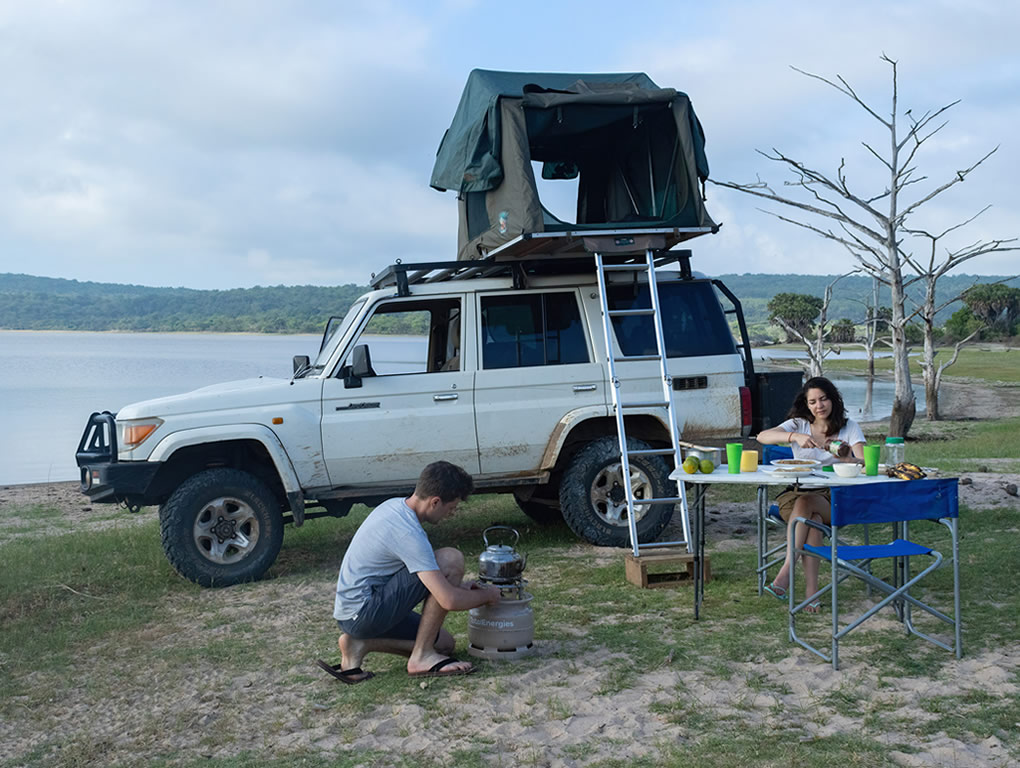
- Distance from Arusha: approximately 120 km (2 to 2.5 hours)
- Road surface: graded dirt, dusty in dry season, some corrugation
- Vehicle recommendation: high-clearance 4×4; a RAV4 or similar is workable in dry months
- Mobile network: generally reliable near the main gate, patchy further in
Serengeti National Park — Best for Experienced Drivers
The Serengeti offers unmatched wildlife density, particularly during the wildebeest migration, but its sheer scale changes the calculus for self-drivers. Distances between gates and campsites can exceed 100 km, fuel stations are limited to a handful of points inside the park, and seasonal rains can turn black-cotton soil roads into serious obstacles.
Self-drive is absolutely possible here, but it suits travelers with prior off-road experience, a properly equipped 4×4, and enough time in the itinerary to avoid rushing between sectors (Seronera, Western Corridor, and the northern Mara River area each function almost like separate parks).
- Distance from Arusha: 325 to 400+ km depending on entry gate
- Road surface: mixed; good main routes, rough and seasonal side tracks
- Vehicle recommendation: Land Cruiser or equivalent with high clearance and a spare fuel can
- Best season for self-drive: dry season (June to October) to avoid impassable mud
Lake Manyara National Park — Best for Beginners
Lake Manyara is small, well-signposted, and forgiving for travelers new to self-driving in Africa. A single loop road covers groundwater forest, the lake shoreline, and open grassland in a half-day visit, making it ideal for easing into the experience before tackling Tarangire or Serengeti.
- Distance from Arusha: approximately 125 km (around 2 hours)
- Road surface: largely graded and well maintained
- Vehicle recommendation: a standard 4×4 SUV is sufficient; not particularly demanding
Ngorongoro Crater — Not a True Self-Drive Park
It’s worth being direct about Ngorongoro: visitors driving their own rental vehicle must still hire a park-approved guide to enter the crater floor itself, and a fixed descent/ascent road schedule applies. This makes it more of a guided self-drive than a fully independent one, though the rim roads and Conservation Area outside the crater remain open to free self-drive exploration.
| Good to Know
A compulsory crater guide adds a separate fee on top of vehicle and park entry costs. Only one descent and one ascent road operate at a time, with set time slots — plan arrival early. The crater floor circuit is best treated as a single, focused half-day rather than rushed alongside other parks. |
Arusha National Park — Best for a Short Trip
Tucked beside Mount Meru and barely 25 km from Arusha town, this park is the most convenient self-drive option in the north. Its short loop road, varied habitats, and lack of lions (making walking safaris and closer game viewing possible) make it a relaxed half-day or full-day add-on rather than a standalone safari destination.
- Distance from Arusha: roughly 25 to 35 km (45 minutes)
- Road surface: easy, with a few steep volcanic sections near Ngurdoto Crater
- Vehicle recommendation: any 4×4 SUV; even a well-maintained RAV4 manages comfortably
Cost Snapshot
Costs vary by season, vehicle type, and how many parks are combined in one itinerary. The figures below offer a general starting point for budgeting a self-drive trip.
| Item | Typical Cost (USD) | Notes |
| 4×4 self-drive rental (Land Cruiser/RAV4) | $70 – $180/day | Price rises with vehicle age and rooftop tent setup |
| Tarangire park entry | $45 – $59/person/day | Plus vehicle concession fee |
| Serengeti park entry | $70/person/day | Higher in high season (June–October) |
| Ngorongoro crater fee + guide | $71/person + guide fee | Self-drive guide mandatory inside the crater |
| Campsite (public) | $30 – $35/person/night | Basic facilities; book through TANAPA |
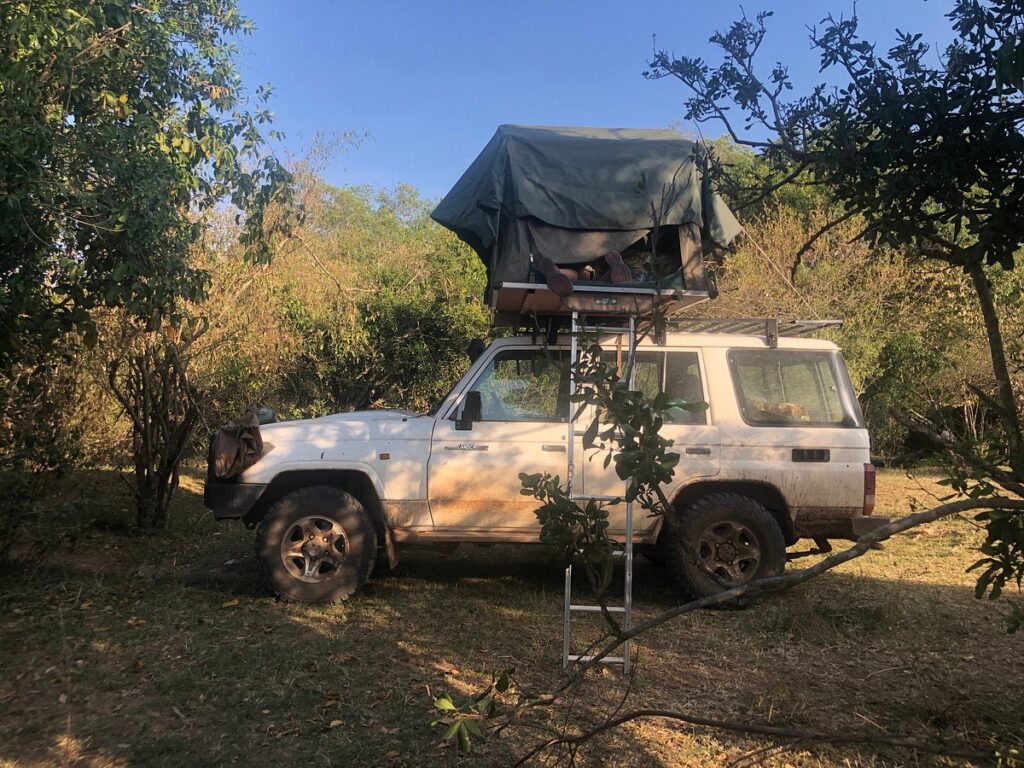
Practical Tips for Self-Driving in Tanzania
- Carry a printed TANAPA park map and download offline maps before entering any park — mobile signal disappears quickly off the main routes.
- Always rent a 4×4 with high clearance for Tarangire, Serengeti, and Ngorongoro; smaller crossover vehicles are realistic only for Manyara and Arusha National Park.
- Carry extra fuel for the Serengeti’s Western Corridor and northern Mara areas, where fuel stations are scarce.
- Stick to posted speed limits (usually 50 km/h) — animals cross roads unpredictably, especially at dawn and dusk.
- Book campsites or lodges in advance during peak season (June to October and December to February).
- Carry cash in USD or Tanzanian shillings for park fees not payable by card at remote gates.
Final Recommendation
If choosing just one park for a first self-drive safari in Tanzania, Tarangire offers the best balance of accessibility, wildlife, and manageable logistics. Travelers with more time and a properly equipped 4×4 should add the Serengeti for the scale of its wildlife, while Lake Manyara and Arusha National Park work well as easy, low-risk additions to round out a northern circuit itinerary. Ngorongoro Crater remains worth visiting, but is best understood as a guided experience rather than a fully independent self-drive.