14 Days Tanzania Self drive Safari tours
14 Days Tanzania Self drive Safari tours , Tanzania is one of Africa’s most celebrated safari destinations, home to the legendary Serengeti, the Ngorongoro Crater, and some of the continent’s largest populations of elephants, lions, and leopards. While guided safaris remain the most popular way to explore this East African giant, self-drive safaris are quickly emerging as a transformative, liberating, and deeply personal alternative
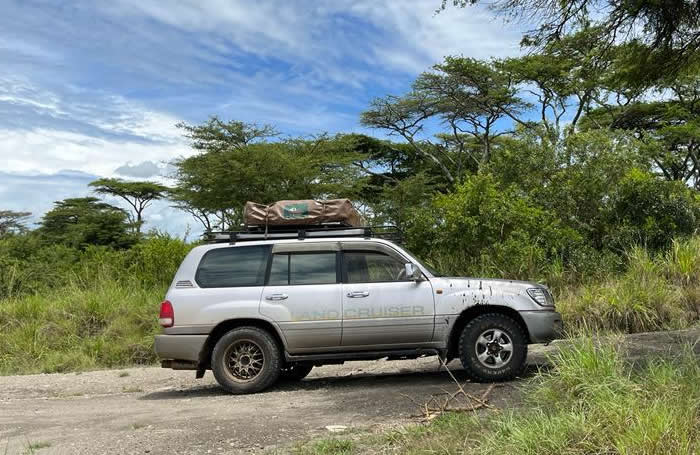
A self-drive safari puts you entirely in control of your adventure. You choose when to wake up, how long to linger at a pride of lions, and which back road to explore on a whim. You are not tied to the schedules of other guests, and you develop an intimate, unhurried relationship with the landscape and its wildlife. With modern navigation tools, well-maintained tracks, and a growing network of camp sites and lodges, Tanzania is increasingly accessible to confident, well-prepared independent travelers.
This 14-day self-drive itinerary takes you from the bustling port city of Dar es Salaam, through the remote wilderness of Ruaha and Selous (Nyerere) National Parks in the south, and then north to the globally iconic Serengeti, Ngorongoro, Lake Manyara, and Tarangire. The journey concludes with well-earned rest on the spice island of Zanzibar. It is an expedition that blends raw wildlife encounters, dramatic landscapes, fascinating culture, and the unparalleled freedom of the open road.
Tour At a Glance
| Duration | 14 Days / 13 Nights |
| Start Point | Dar es Salaam |
| End Point | Zanzibar (Stone Town or Beach Resort) |
| Driving Style | Self-Drive 4×4 (Rental or Own Vehicle) |
| Parks Covered | Ruaha, Nyerere (Selous), Serengeti, Ngorongoro, Tarangire, Lake Manyara |
| Total Distance | Approx. 2,800 – 3,200 km |
| Best Season | June – October (Dry Season) | Dec – Feb (Short Dry Season) |
| Accommodation | Mix of campsites, tented camps & lodges |
| Difficulty | Moderate to Challenging – 4WD essential |
| Recommended Vehicle | Toyota Land Cruiser, Land Rover Defender, or equivalent 4×4 |
The Case for Self-Drive Safaris in Tanzania
Before diving into the itinerary, it is worth understanding what makes self-drive safaris uniquely rewarding in Tanzania, as well as the challenges you should be prepared for.
Advantages
- Complete Freedom: You set your own pace, stop wherever you want, and linger as long as a wildlife sighting captivates you.
- Cost Savings: Self-drive eliminates the cost of a professional guide, which can significantly reduce overall trip expenditure, especially for families or groups.
- Privacy: No sharing game drives with strangers. Your vehicle is your private moving sanctuary.
- Authentic Experience: The effort of navigating, spotting game yourself, and managing logistics creates a deeper connection to the destination.
- Flexibility: Rain causing a road to wash out? You adapt instantly. Heard elephants are massing near a waterhole? You can investigate.
- Sense of Achievement: Completing a self-drive safari through Tanzania is a genuine accomplishment that you will recount for years.
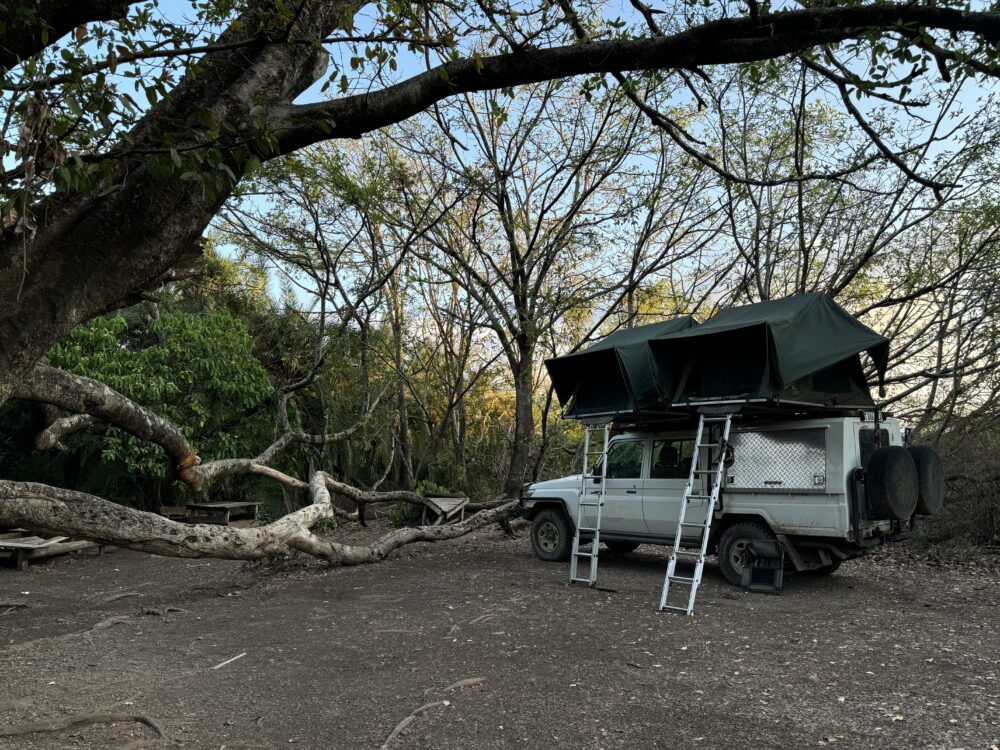
Challenges to Prepare For
- Navigation: GPS and offline maps (Maps.me, Google Maps offline) are essential. Park roads are often unmarked.
- Vehicle Recovery: Getting stuck in sand or mud is common. Carry a high-lift jack, traction boards, tow rope, and shovel.
- Park Rules: Each park has specific speed limits (usually 40 km/h inside), no off-road driving rules, and gate closing times. Familiarise yourself in advance.
- Mechanical Issues: Carry a comprehensive spare parts kit including at least two spare tyres, engine oil, coolant, and a basic toolkit.
- Park Fees: Tanzania National Parks (TANAPA) and the Ngorongoro Conservation Area Authority (NCAA) fees are significant and payable by credit card or Ngorongoro Card at most gates.
- Night Driving: Prohibited inside national parks. Plan to be at your accommodation before dusk.
Vehicle Selection & Preparation
Your vehicle is the most critical element of a successful Tanzania self-drive safari. Do not compromise here.
Recommended Vehicles
- Toyota Land Cruiser 76 or 78 Series (Troop Carrier): The gold standard for East African safari roads. Legendary durability, excellent ground clearance, and mechanical simplicity make this the top choice.
- Toyota Land Cruiser 200 Series (Station Wagon): More comfortable for families, with powerful turbo diesel engines and modern electronics. Best for mixed road/track conditions.
- Land Rover Defender 110: Highly capable off-road, though spare parts can be harder to source in remote areas.
- Toyota Hilux with Rooftop Tent: Excellent for overlanding, though towing capacity and clearance are lower than a Land Cruiser. Best for less severe tracks.
Essential Equipment Checklist
- Two full-size spare tyres (not space saver)
- High-lift (farm) jack and base plate
- Traction boards (e.g. MAXTRAX or sand ladders)
- Tow rope or snatch strap
- Shovel
- Jumper cables or jump starter pack
- Extra fuel (minimum 50-litre jerry can for remote southern parks)
- Extra engine oil, coolant, and brake fluid
- Basic toolkit: spanners, screwdrivers, zip ties, electrical tape, spare fuses
- First aid kit
- GPS device or phone loaded with offline maps
- Satellite communicator (e.g. Garmin inReach) – strongly recommended for remote areas
The 14-Day Itinerary
This itinerary follows a southern-to-northern circuit, beginning in Dar es Salaam and ending in Zanzibar. It is designed to allow acclimatization to off-road driving conditions in the more accessible southern parks before tackling the legendary northern circuit.
| Day 1 | Arrival in Dar es Salaam – Vehicle Collection & City Orientation
Dar es Salaam |
| Fly into Julius Nyerere International Airport and collect your pre-arranged rental 4×4 from one of Dar es Salaam’s reputable rental companies. Spend the afternoon inspecting the vehicle, loading supplies, and testing all equipment. Visit the Mlimani City or Shoprite supermarket for provisions – stock up on a minimum of three days of non-perishable food and water as supermarkets are scarce once you enter the southern circuit. In the evening, explore the Kivukoni Fish Market or enjoy dinner at the elegant waterfront area of Msasani Peninsula. Get an early night – the adventure begins tomorrow.
Highlights: Vehicle inspection, Mlimani shopping run, Msasani waterfront dinner, sunset over the Indian Ocean |
|
| Day 2 | Dar es Salaam to Mikumi or Iringa – Gateway to the South
Approx. 300 km – 4 to 5 hours driving |
| Depart Dar es Salaam early on the TANZAM Highway (A7), one of Tanzania’s main arterial roads. The drive southwest reveals a gradual transition from the humid coastal belt into the drier miombo woodland of the interior. You may choose to stop at Mikumi National Park, which straddles the highway, for a quick game drive. Mikumi is a superb taster of Tanzanian wildlife – lions, elephants, and large herds of buffalo are frequently seen from the road. Continue to Iringa, a charming highland town with good accommodation options and a lively market. Iringa was historically a centre of resistance against German colonial rule and has significant cultural heritage worth exploring briefly.
Highlights: Mikumi National Park roadside game viewing, Iringa town market, Isimila Stone Age Site nearby |
|
| Days 3 & 4 | Ruaha National Park – Tanzania’s Largest Wilderness
Approx. 120 km from Iringa – 2 to 3 hours on rough tracks |
| Ruaha National Park is Tanzania’s largest national park and one of Africa’s finest, yet least-visited, safari destinations. The drive from Iringa descends steeply from the Southern Highlands into the vast, arid Ruaha valley. The landscape is dramatically different from the northern parks – ancient baobab trees punctuate the sandy plains, the Great Ruaha River sustains massive elephant herds, and the predator density rivals the Serengeti. With two full days here, you have ample time to explore at your own pace. Morning and evening game drives are ideal, with the midday heat best spent resting at camp or watching hippos from the river bank. Ruaha supports over 570 bird species, making it a paradise for birders. The lack of crowds makes every sighting feel entirely personal.
Highlights: Great Ruaha River elephant crossings, large prides of lions, wild dogs (seasonal), baobab landscapes, superb birding
|
|
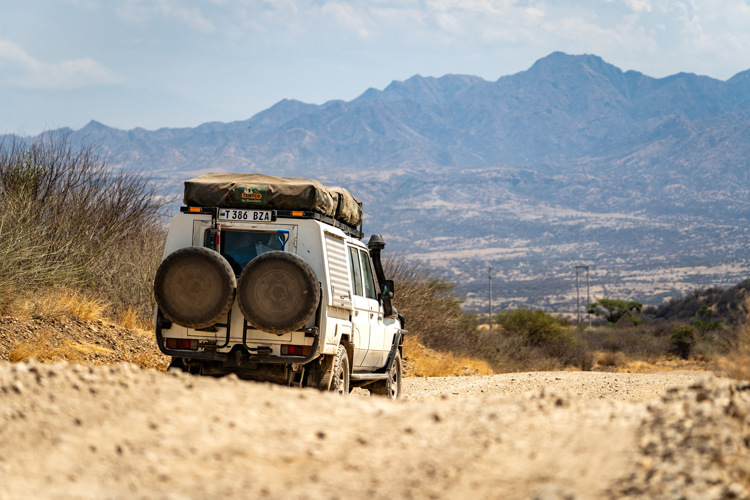
| Days 5 & 6 | Nyerere National Park (Selous) – Africa’s Largest Wildlife Reserve
Approx. 200-250 km – 4 to 5 hours via Kibiti road |
| Designated as a UNESCO World Heritage Site (in its Selous Game Reserve form), Nyerere National Park covers nearly 50,000 square kilometres of pristine southern Tanzanian wilderness. The drive east from Ruaha or north from a rest stop takes you through remote rural Tanzania with very little traffic. Nyerere is famous for its boat safaris along the Rufiji River – an experience unique among Tanzania’s parks and one that self-drivers can arrange at the park gates or through camp booking offices. The park also offers exceptional walking safaris (guided, compulsory). Wildlife includes massive crocodiles, hippos, buffalo herds, wild dogs, and lions. The Rufiji River delta system creates a labyrinthine, primeval landscape unlike anything else in Africa.
Highlights: Rufiji River boat safari, crocodile and hippo pools, wild dog den sites, walking safaris, birdlife |
|
| Day 7 | Nyerere to Dar es Salaam – Overnight Rest Before Northern Circuit
Approx. 230 km – 3 to 4 hours |
| Return to Dar es Salaam for a single overnight rest and vehicle check. This is a strategic pause to refuel (both literally and metaphorically), restock supplies, service or check the vehicle, do laundry, and rest ahead of the northern circuit. The northern parks require more driving and navigation, and arriving fresh is important. Dar es Salaam also offers the option of a quick visit to the Tingatinga Arts Cooperative or the Village Museum, if time permits.
Highlights: Vehicle service check, supply restocking, Dar city rest, Tingatinga art market |
|
| Day 8 | Drive to Arusha – Gateway to the Northern Circuit
Approx. 640 km – 7 to 8 hours on the A7/A104 |
| Today is a long driving day – the longest of the entire trip – from Dar es Salaam north to Arusha. The journey offers sweeping views of the changing Tanzanian landscape: coastal scrub giving way to the vast central plateau, and eventually the stunning emergence of Mount Kilimanjaro (the world’s tallest freestanding mountain) and Mount Meru on the horizon as you approach Arusha. The drives rewards with a romantic first glimpse of Africa’s most iconic peaks. Arusha itself is a vibrant safari hub, full of excellent restaurants, accommodation, and the famous Maasai Market. Use the afternoon to visit the Arusha National Park headquarters and pre-pay park fees if possible.
Highlights: First views of Mount Kilimanjaro and Mount Meru, Arusha town Maasai Market, cultural evening |
|
| Day 9 | Arusha to Tarangire National Park – The Elephant Capital of Tanzania
Approx. 130 km – 2 hours |
| Tarangire National Park is consistently underrated by tourists rushing to the Serengeti, but it is arguably the most visually spectacular park in Tanzania. The ancient baobab-studded landscape along the seasonal Tarangire River creates a scene of biblical beauty. During the dry season (June to October), the river acts as a magnet for extraordinary concentrations of wildlife – elephants (over 3,000 in the dry season), wildebeest, zebra, buffalo, oryx, and an astonishing array of raptors and large birds including the unmistakable southern ground hornbill. Giant termite mounds dot the savannah. Lions and leopards are regularly sighted, and the park is one of the best places in East Africa to see tree-climbing lions. Spend the full afternoon on game drives.
Highlights: Massive elephant herds, baobab-lined Tarangire River, tree-climbing lions, kori bustards, giant termite mounds |
|
| Day 10 | Lake Manyara National Park – Flamingo Shores & Treetop Lions
Approx. 70 km from Tarangire – 1 hour |
| Lake Manyara National Park is compact but astonishingly diverse, squeezed between the towering Rift Valley escarpment and the shallow alkaline lake of the same name. The dense groundwater forest at the park entrance is home to large troops of olive baboons and blue monkeys, as well as the park’s famous tree-climbing lions. As you emerge from the forest, the lake opens before you in a blush of pink – hundreds of thousands of flamingos wading in the shallows. The hippo pools are spectacular, and the birdlife throughout is world-class (over 400 species recorded). In the afternoon, drive up the escarpment for sweeping views over the entire park and lake, and check in at a lodge or camp in the Karatu highlands – a fertile, cool highland farming area that serves as the base for Ngorongoro visits.
Highlights: Tree-climbing lions, vast flamingo flocks, hippo pools, Rift Valley escarpment views, over 400 bird species |
|
| Day 11 | Ngorongoro Conservation Area – The Eighth Wonder of the World
Approx. 60 km from Karatu – 1 hour to crater rim |
| The Ngorongoro Crater requires its own day – and even a full day feels insufficient. At 264 square kilometres and 600 metres deep, the caldera is the world’s largest intact volcanic caldera and functions as a natural enclosure for one of the densest concentrations of wildlife on earth. On a single day’s game drive in the crater floor, you can expect to see lions (often multiple prides), black rhino (one of the last viable populations in East Africa), elephant bulls, hippos, wildebeest, zebra, hyenas, jackals, and an extraordinary range of waterfowl and raptors. The Lerai Forest in the crater’s heart is hauntingly beautiful. Early entry (gates open at 6:00 AM) is strongly recommended to beat crowds and catch the morning predator activity. The crater is also of profound archaeological importance – nearby Olduvai Gorge is the Cradle of Mankind.
Highlights: Black rhino sightings, dense lion prides, Lerai Forest, Olduvai Gorge (Cradle of Mankind), crater floor flamingos |
|
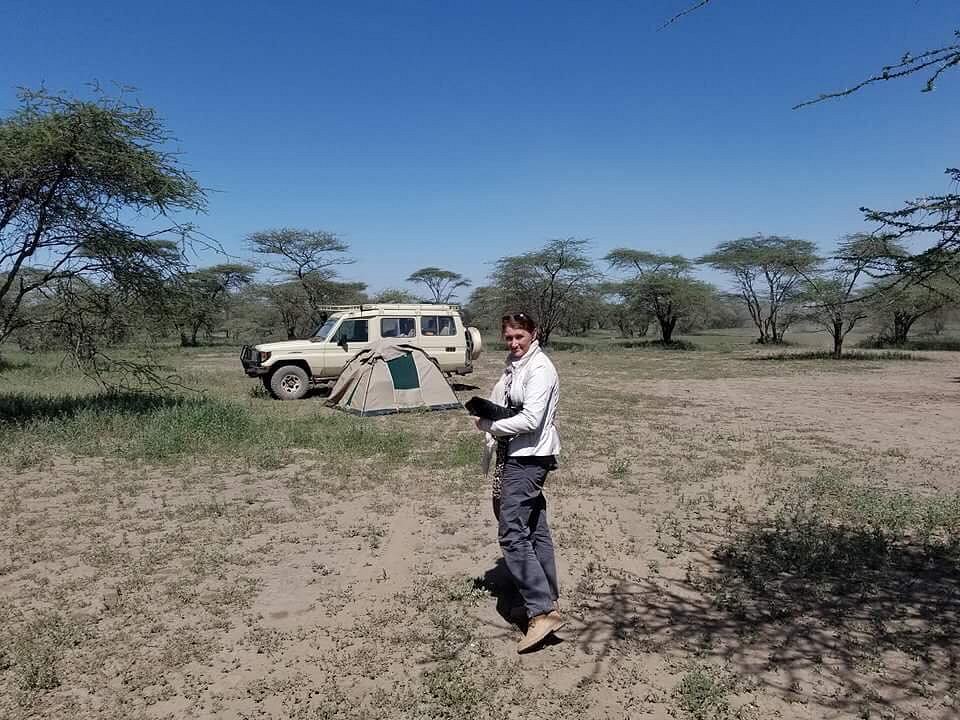
| Day 12 | Serengeti National Park – The Greatest Wildlife Show on Earth
Approx. 145 km from Ngorongoro – 2 to 3 hours via the Naabi Hill Gate |
| The word Serengeti derives from the Maasai word Siringit, meaning endless plains, and no description does justice to the scale of this iconic ecosystem. The Serengeti covers 14,763 square kilometres of open savannah and is home to an astonishing diversity of wildlife year-round. The Great Migration – the largest overland movement of animals on earth – sees over 1.5 million wildebeest and hundreds of thousands of zebra circling the ecosystem seasonally. Depending on the time of year, you may witness river crossings at the Grumeti or Mara rivers, calving season on the southern plains, or massive herds massing in the central Seronera area. Enter through Naabi Hill Gate in the south and explore the central Seronera Valley on your first afternoon – it offers the highest density of predators in the park.
Highlights: Great Migration herds, Seronera Valley predators (lions, leopards, cheetahs), vast open plains, unforgettable sunsets |
|
| Day 13 | Full Day Serengeti – Dawn to Dusk Game Drives
Serengeti National Park |
| Dedicate your second full day to exploring beyond the Seronera Valley. The western corridor offers Grumeti River crossings and beautiful riverside hippo pools. The northern Loliondo area is remote and spectacular. The southern plains between Ndutu and Naabi offer classic big-sky Serengeti scenery. Self-driving allows you to stay at a productive sighting long after guided vehicles have moved on – use this to your advantage. Be at a waterhole, tree, or kill site by first light and allow the scene to unfold naturally. The Serengeti is one of those rare places where simply parking and waiting is invariably rewarded. In the late afternoon, find a kopje (granite outcrop) to watch the sunset – the light on the Serengeti plains at dusk is one of the most beautiful sights on earth.
Highlights: Grumeti River crossings (seasonal), cheetah hunts on open plains, kopje sunset panoramas, night sounds from camp |
|
| Day 14 | Serengeti to Arusha – Flight to Zanzibar
Approx. 335 km – 4 to 5 hours | Afternoon flight to Zanzibar |
| Rise early for a final morning game drive in the Serengeti before exiting through the Naabi Hill Gate. Drive back to Arusha (allow 4-5 hours including the beautiful Ngorongoro highlands road). Hand back the rental vehicle, freshen up, and head to Kilimanjaro International Airport (JRO) for an afternoon flight to Zanzibar – a 50-minute hop across the Indian Ocean. Zanzibar is the perfect finale to a 14-day safari. The ancient spice-scented streets of Stone Town (a UNESCO World Heritage Site), the translucent turquoise waters of Nungwi or Kendwa beach, and the utter relaxation of a sun lounger are the ideal antidote to two weeks behind the wheel. You have earned it.
Highlights: Final Serengeti game drive, Arusha vehicle handover, Stone Town UNESCO heritage, Zanzibar beach relaxation |
|
Essential Planning Information
Park Fees & Permits (2026/2027 Estimates)
Tanzania’s national park fees are among the highest in Africa, reflecting the country’s high-value, low-volume tourism philosophy. All fees are per person per day for the main parks, and payable by credit card or Ngorongoro Card at most gates.
\
| Park / Area | Non-Resident Adult (USD/day) | Vehicle Fee (USD/entry) |
| Serengeti National Park | $82 per person | $59.60 per vehicle |
| Ngorongoro Crater | $82 per person + $295.60 crater fee | $59.60 per vehicle |
| Tarangire National Park | $53.10 per person | $59.60 per vehicle |
| Lake Manyara N.P. | $53.10 per person | $59.60 per vehicle |
| Ruaha National Park | $53.10 per person | $35.40 per vehicle |
| Nyerere (Selous) N.P. | $53.10 per person | $35.40 per vehicle |
Note: Fees are subject to change. Always verify current rates directly with TANAPA (www.tanzaniaparks.go.tz) or NCAA before departure. The Ngorongoro Card allows pre-payment of multiple park fees.
Best Time to Visit
June to October – Peak Dry Season (Recommended)
This is the premier time for wildlife viewing across all parks. Vegetation is sparse, waterholes concentrate animals, and dusty tracks dry out making driving conditions safer and more enjoyable. The Great Migration typically offers Mara River crossings in August and September. Temperatures are pleasant (20-28 degrees C in the north, cooler in Ngorongoro).
December to February – Short Dry Season
Another excellent period, particularly for the southern Serengeti where wildebeest calving (January-March) is spectacular. The rains have receded, game is concentrated, and tourist volumes are lower than the peak season.
March to May – Long Rains (Avoid for Self-Drive)
The long rains make many park roads – especially in Ruaha and Nyerere – impassable even for 4×4 vehicles. River crossings can become dangerous, and some camps close entirely. Only experienced off-road drivers with expedition-level preparation should consider this period.
Accommodation Options
Public Campsites
TANAPA operates public campsites within most parks. These are basic (long-drop toilets, no electricity, no running water) but affordable and often beautifully situated. Book well in advance through the TANAPA website. Always carry your own tent, sleeping bag, cooking equipment, and sufficient food and water.
Special Campsites (Exclusive)
For a premium experience, TANAPA’s special campsites offer exclusive use of a site within the park. Available for a fee, these offer true wilderness camping in locations that feel entirely remote and private.
Tented Camps & Lodges
For comfort, Tanzania’s safari lodge circuit is outstanding. Mixing two or three nights in a well-appointed lodge or tented camp with camping nights allows recovery of energy while maintaining the authentic safari atmosphere. Many lodges welcome self-drive guests who have pre-booked accommodation.
Safety Considerations
- Never exit your vehicle in unfenced parks except at designated areas. Wildlife encounters on foot can be fatal.
- Always lock your vehicle at campsites. Hyenas and baboons are attracted to food smells and have been known to break into vehicles.
- Share your daily itinerary with someone outside the park (family member, hotel reception) and check in at park gates.
- Carry a first aid kit and know basic wilderness first aid. The nearest hospital-level medical care may be hours away.
- Malaria is endemic throughout Tanzania below 1,800 metres. Take prescribed prophylaxis, use DEET-based repellent, and sleep under a mosquito net.
- Drink bottled or filtered water only. Do not consume unbottled water from any source.
- Carry sufficient cash (USD and Tanzanian Shillings) for emergencies, fuel, and smaller purchases. Card payment is not universally available.
Documents & Permits Required
- Valid passport (with minimum 6 months validity from date of travel)
- Tanzania entry visa (obtainable on arrival or online via evisa.immigration.go.tz)
- International Driving Permit (IDP) – strongly recommended alongside national driving license
- Vehicle registration documents (if using own vehicle) or rental agreement
- Third-party vehicle insurance valid in Tanzania
- Yellow fever vaccination certificate (if arriving from endemic countries)
- Park booking confirmations and accommodation vouchers
Budgeting Your Self-Drive Safari
The following is a rough per-person budget estimate for two adults sharing costs:
| Vehicle Rental (14 days 4×4) | USD 1,400 – 2,800 |
| Fuel (est. 3,200 km at ~12 L/100km) | USD 500 – 700 |
| Park Entry Fees (all 6 parks) | USD 1,200 – 1,600 per person |
| Accommodation (mix of camp/lodge) | USD 600 – 1,400 per person |
| Food & Provisions | USD 300 – 500 per person |
| Zanzibar (2 nights estimated) | USD 200 – 500 per person |
| Flights (domestic + international) | USD 800 – 2,000 per person |
| Miscellaneous & Emergency Fund | USD 300 – 500 per person |
| ESTIMATED TOTAL (per person) | USD 3,900 – 6,800 per person |
Wildlife You Can Expect to See
Tanzania supports an extraordinary diversity of wildlife across its ecosystem of parks and reserves. Here is a summary of the key species by park on this itinerary:
| Park | Key Wildlife |
| Ruaha | African wild dog, elephant, lion, leopard, cheetah, greater kudu, roan antelope, 570+ bird species |
| Nyerere (Selous) | Hippo, Nile crocodile, African wild dog, lion, elephant, buffalo, boat safari waterbirds |
| Tarangire | Elephant (3,000+), lion (tree-climbing), leopard, oryx, large bird species, python |
| Lake Manyara | Flamingo (hundreds of thousands), tree-climbing lion, hippo, blue monkey, 400+ bird species |
| Ngorongoro | Black rhino (critically endangered), lion, elephant, hyena, wildebeest, zebra, jackal |
| Serengeti | Wildebeest (1.5 million+), zebra, lion, leopard, cheetah, wild dog, giraffe, crocodile |
Zanzibar: The Perfect Finale
After fourteen days of dust, bush camps, and the exhilarating intensity of the African bush, Zanzibar offers the ultimate counterpoint. The island – also known as the Spice Island – is one of the most beautiful destinations in the Indian Ocean, combining Swahili, Arab, Persian, Indian, and Portuguese cultural influences into an intoxicating blend.
Stone Town
Stone Town, the old quarter of Zanzibar City, is a UNESCO World Heritage Site. Its labyrinthine alleyways are lined with ornate carved wooden doors, crumbling coral stone mansions, mosques, and bustling market stalls fragrant with cardamom, cloves, and cinnamon. The House of Wonders, the Old Fort, and the Forodhani Gardens night market are unmissable.
Beaches
Zanzibar’s beaches are among Africa’s finest. Nungwi and Kendwa in the north offer relatively calm waters year-round and the liveliest beach bar scene. Paje and Jambiani on the east coast offer kitesurfing conditions and a more relaxed, local atmosphere. Matemwe offers boutique luxury and stunning reef snorkelling access.
Experiences
- Spice Farm Tour – visit working clove, nutmeg, vanilla, and cinnamon plantations
- Dolphin Swimming – join dolphin tours in Kizimkazi Bay
- Prison Island (Changuu Island) – giant Aldabra tortoises and snorkelling
- Sunset Dhow Cruise – traditional wooden sailing vessels
- Jozani Forest – home of the endemic Kirk’s red colobus monkey
Pro Tips for a Successful Self-Drive Tanzania Safari
- Download offline maps of every park before you lose mobile signal – Maps.me is free and excellent for track navigation.
- Pre-pay park fees online through the TANAPA portal where possible to avoid gate queues, especially at Serengeti’s Naabi Hill Gate.
- Carry a physical road atlas of Tanzania as a backup to digital navigation. The Tracks4Africa southern Africa GPS map set is the best-in-class option.
- Join self-drive safari Facebook groups and forums (Self-Drive Tanzania, Tracks4Africa Community) before your trip for current road condition reports.
- Inform park rangers at each gate of your intended route for the day. They will advise on road conditions and areas of recent wildlife activity.
- Bring binoculars for every passenger – game viewing from a self-drive vehicle is dramatically enhanced with quality optics.
- Pack a cooler box and shop at the last major town before entering each park. Cold drinks and fresh food make camp life significantly more comfortable.
- Wild camping outside designated sites is illegal and dangerous. Always use TANAPA-approved campsites or permitted accommodation.
- Reconfirm all accommodation bookings 48 hours before arrival. Remote camps occasionally have communication issues.
- Photograph the vehicle for pre-existing damage at collection point, and ensure the rental agreement documents all damage before you sign.
Conclusion: Africa at Your Own Pace
A 14-day self-drive safari through Tanzania is not simply a holiday. It is an initiation – into the rawness of wild Africa, the intimacy of the bush at close quarters, and the quiet pride of having navigated one of the world’s great wilderness routes under your own power. From the primeval floodplains of Nyerere to the rolling golden plains of the Serengeti, from the cathedral silence of Ngorongoro at dawn to the warm spiced air of Zanzibar at dusk, this journey encompasses the very soul of East Africa.
Plan carefully, prepare your vehicle thoroughly, respect the wildlife and environments you pass through, and embrace the unexpected – for it is in the unplanned moments that the deepest memories are made. The road is yours. Tanzania awaits.
Safari njema – Have a great safari!