30 Days Self-Drive Car Rental in Tanzania
30 Days Self-Drive Car Rental in Tanzania, Tanzania is one of Africa’s most extraordinary travel destinations, home to some of the world’s most iconic wildlife, landscapes, and cultural experiences. From the endless plains of the Serengeti to the snow-capped peak of Mount Kilimanjaro, the flamingo-studded shores of Lake Manyara, the ancient Ngorongoro Crater, and the spice-scented beaches of Zanzibar, this East African nation rewards the adventurous traveler with memories that last a lifetime.
A 30-day self-drive car rental adventure in Tanzania offers unmatched freedom, flexibility, and connection with the land that no guided tour can replicate. You set your own pace, linger at a watering hole as lions hunt at dawn, take a detour through a Maasai village, or spend three nights under the stars in a remote campsite. This guide is your comprehensive resource for planning, booking, driving, and thriving on a month-long self-drive rental journey through one of Africa’s most diverse and breathtaking countries.
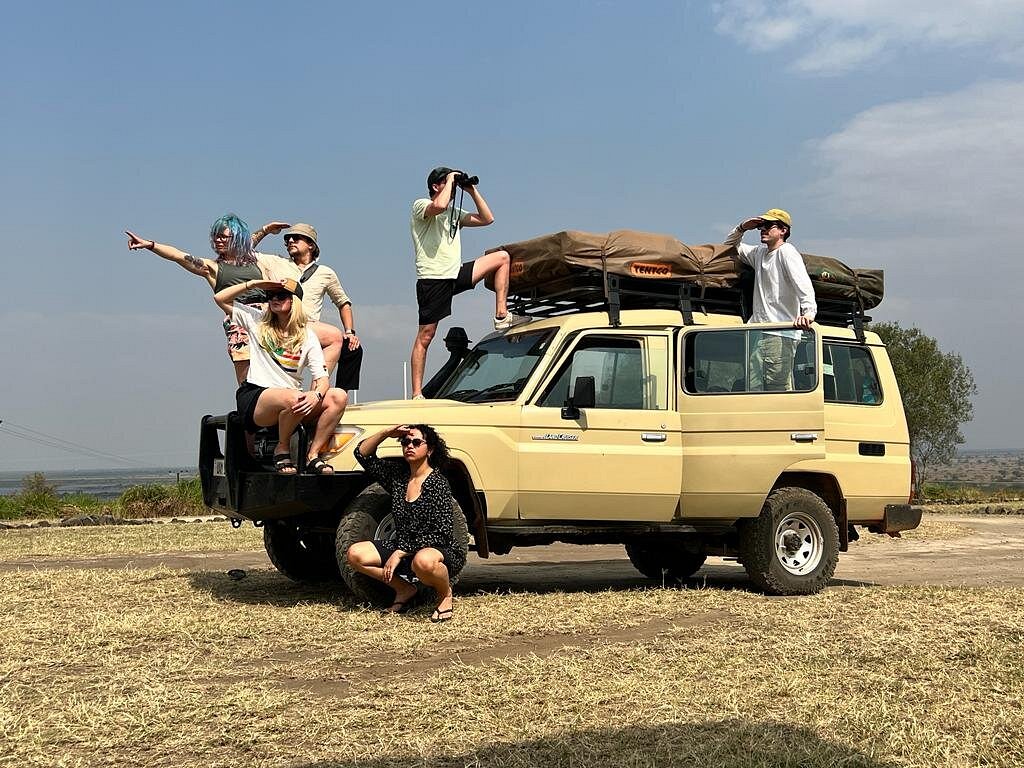
| Why 30 Days?
Thirty days gives you enough time to explore Tanzania’s Northern Circuit (Serengeti, Ngorongoro, Tarangire, Lake Manyara, Arusha), the Southern Circuit (Ruaha, Selous/Nyerere), the coastal gems of Zanzibar, Pemba, and Mafia, the remote wilderness of Katavi and Mahale, and everything in between — without feeling rushed. |
Section 1: Understanding Tanzania’s Road Network
Types of Roads in Tanzania
Tanzania’s road infrastructure ranges from well-maintained tarmac highways to remote dirt tracks that challenge even experienced 4×4 drivers. Understanding what to expect will determine which vehicle you rent and which routes you plan.
| Road Type | Condition | Vehicle Required | Examples |
| Tarmac Highways (A-Roads) | Good to excellent | 2WD or 4WD | A104 Dar es Salaam to Arusha |
| Regional B-Roads | Fair to poor | 4WD recommended | B1 Dodoma to Iringa |
| Game Park Tracks | Variable, often rough | 4WD essential | Serengeti circuit roads |
| Remote Bush Tracks | Very rough / seasonal | High-clearance 4WD only | Katavi, Mahale access |
| Urban Roads | Moderate, congested | Any vehicle | Dar es Salaam, Arusha CBD |
Key Road Corridors
- Dar es Salaam – Arusha (A104): 650 km, mostly tarmac, 8-10 hours. The main northern gateway.
- Arusha – Namanga (A104): 110 km, tarmac, Kenya border crossing.
- Arusha – Dodoma (A104/A7): 460 km, good tarmac, central corridor.
- Dodoma – Iringa (B1): 260 km, improving tarmac, scenic highlands route.
- Iringa – Mbeya (A7): 250 km, excellent tarmac through the Southern Highlands.
- Mbeya – Tunduma (A7): 100 km, Tanzania-Zambia border, well maintained.
- Dar es Salaam – Mtwara (B2): 550 km, southern coastal route, partially tarmac.
Seasonal Road Conditions
Tanzania has two rainy seasons: the long rains (March to May, known as masika) and the short rains (October to December, known as vuli). Road conditions change dramatically between dry and wet seasons, especially on dirt and gravel routes in national parks.
| Season | Road Conditions | Park Access | Best For |
| Jan – Feb (Dry) | Excellent throughout | All parks open | Calving season in Serengeti |
| Mar – May (Wet) | Many dirt roads impassable | Some parks close | Lush scenery, fewer tourists |
| Jun – Sep (Dry) | Best overall | All parks fully open | Great Migration, peak wildlife |
| Oct – Nov (Short Rains) | Mostly accessible | Mostly open | Green season, birdwatching |
| Dec (Transitional) | Generally good | All parks open | Christmas, New Year travel |
Choosing the Right Rental Vehicle
2.1 Vehicle Categories and Recommendations
Selecting the appropriate vehicle is the single most critical decision for a successful Tanzania self-drive. The terrain, season, and your planned itinerary all influence which vehicle type is right for you.
Toyota Land Cruiser 70/76 Series — The Gold Standard
The Land Cruiser 70/76 Series is Tanzania’s most popular self-drive vehicle. Rugged, reliable, and with an enormous parts network across the country, it handles everything from paved highways to deep bush tracks. Available in station wagon (5-seat) and troop carrier (up to 8-seat) variants.
- Engine: 4.2L diesel or 4.5L V8 diesel
- Ground clearance: 230mm — adequate for most park tracks
- Fuel economy: 10-13 liters per 100km on mixed terrain
- Typical rental rate: USD 120-180 per day (self-drive, unlimited km)
- Verdict: Best all-rounder for 30-day Tanzania adventure
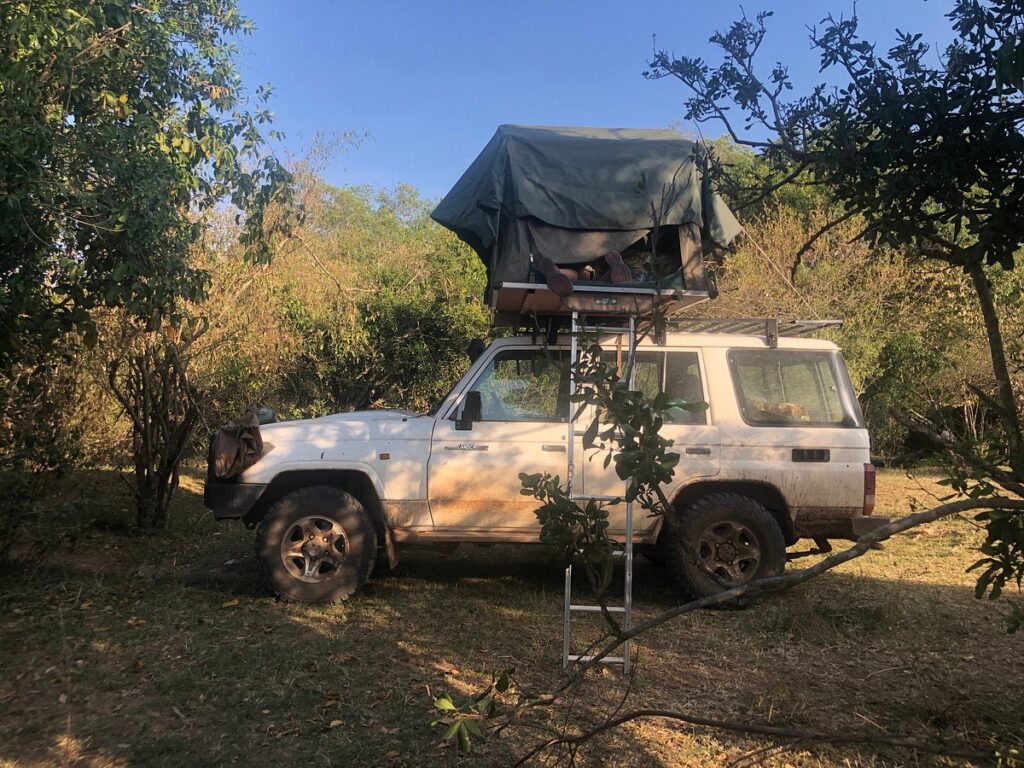
Toyota Land Cruiser Prado (150 Series) — Comfort Meets Capability
The Prado offers a more comfortable ride than the 70 Series with air conditioning, modern entertainment systems, and better road manners. Excellent for families or travelers who want capability without sacrificing comfort. Less ideal for extreme off-road tracks.
- Engine: 3.0L diesel (1KD-FTV)
- Ground clearance: 218mm
- Fuel economy: 9-12 liters per 100km
- Typical rental rate: USD 100-160 per day
- Verdict: Ideal for Northern Circuit with occasional Southern excursions
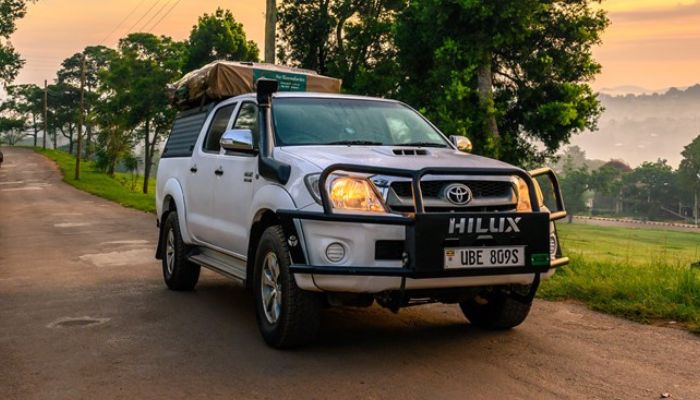
Toyota Hilux Double Cab — Budget-Friendly Workhorse
The Hilux pickup is a cost-effective option that handles well on most Tanzanian roads. The open tray limits luggage security but the low price point makes it attractive for budget travelers. Pair with a roof tent for safari camping.
- Engine: 2.8L diesel (1GD-FTV)
- Ground clearance: 279mm — surprisingly capable
- Fuel economy: 8-10 liters per 100km
- Typical rental rate: USD 80-130 per day
- Verdict: Best value for experienced off-road drivers on a budget
Nissan Patrol / Mitsubishi Pajero — Alternatives
The Nissan Patrol and Mitsubishi Pajero are capable alternatives where Land Cruisers are unavailable. Parts are less universally available than for Toyota products, which is worth considering for remote routes. Both perform well on the Northern Circuit.
2.2 Essential Vehicle Equipment Checklist
Any reputable Tanzania rental agency should equip your self-drive vehicle with the following before departure. Always inspect and confirm each item before signing the rental agreement.
| Category | Item | Why Essential |
| Safety | Full-size spare tire (2 recommended for remote routes) | Punctures are extremely common on bush tracks |
| Safety | Hi-lift jack and base plate | Standard jacks sink in soft ground |
| Safety | Tow rope / snatch strap | Self-recovery from sand or mud |
| Safety | Shovel / spade | Digging out of sand traps |
| Navigation | Offline GPS with African maps (OsmAnd or Gaia GPS) | Mobile signal unreliable in parks |
| Navigation | Paper road atlas of Tanzania | Backup if GPS fails |
| Communication | Fully charged fire extinguisher | Legal requirement and essential safety |
| Recovery | Jumper cables / jump starter | Battery issues in cold highland mornings |
| Camping | Roof tent or camping gear if self-camping | Many parks only have camping options |
| Medical | Comprehensive first aid kit with malaria medication | Medical facilities rare in remote areas |
| Fuel | Jerry can (20 liters minimum) | Long distances between stations in south |
| Tools | Basic tool kit: spanners, zip ties, duct tape, WD-40 | Minor roadside repairs |
3.2 Booking Your 30-Day Rental: Step by Step
- Research and shortlist 3-5 agencies at least 3 months in advance for peak season (June-September).
- Request detailed quotes specifying: vehicle type, rental period (30 days), included mileage, insurance type, and any included equipment.
- Verify that the rental includes comprehensive insurance covering theft, collision, and third-party liability.
- Confirm whether the rental allows crossing into neighboring countries (Kenya, Uganda, Zambia) if your itinerary requires it.
- Negotiate rates for extended 30-day periods — most agencies offer 15-25% discounts over monthly rentals.
- Read the full rental agreement carefully, paying special attention to damage liability clauses and deposit requirements.
- Conduct a thorough pre-departure vehicle inspection and document all existing damage in writing and photographs.
- Ensure you receive emergency contact numbers, a breakdown assistance protocol, and spare parts contact information.
3 Costs and Budget Planning for 30 Days
| Expense Category | Estimated Cost (USD) | Notes |
| Vehicle Rental (30 days) | $3,000 – $5,400 | Based on $100-$180/day |
| Fuel (avg 300km/day × 30) | $900 – $1,500 | At ~$1.20-1.50/liter diesel |
| National Park Entry Fees | $800 – $2,000 | Varies by parks visited |
| Accommodation (camping/lodge mix) | $600 – $3,000 | Budget camping to mid-range |
| Vehicle Insurance Top-up | $150 – $400 | If purchasing additional coverage |
| Zanzibar Ferry/Transport | $150 – $300 | Ferry + local transport |
| Food & Supplies | $600 – $1,200 | Self-catering mix |
| Emergency Fund (10%) | $600 – $1,400 | Always budget for unexpected |
| TOTAL ESTIMATED BUDGET | $6,800 – $15,200 | 30-day full Tanzania road trip |
Legal Requirements and Documentation
4.1 Driving License Requirements
Tanzania recognizes foreign driving licenses from most countries, but the requirements vary depending on your nationality and the class of vehicle you intend to drive.
- International Driving Permit (IDP): Strongly recommended alongside your home country license. Obtain from your national automobile association before travel.
- Home Country License: Must be current and valid. Most agencies require it to be valid for at least 6 months beyond the rental period.
- Minimum age: Most agencies require drivers to be at least 23-25 years old for 4WD vehicles.
- Clean driving record: Some premium agencies conduct background checks for 30-day extended rentals.
4.2 Insurance: What You Must Know
Vehicle insurance in Tanzania is a layered system. Understanding each layer protects you from potentially devastating financial exposure on a 30-day rental.
| CRITICAL INSURANCE WARNING
Never accept a vehicle without confirming that Comprehensive Insurance (not just Third Party) is included in your rental. Read the fine print on the excess/deductible amount — some policies have excesses as high as USD 5,000 per incident. Consider purchasing a Collision Damage Waiver (CDW) to reduce or eliminate this liability. |
- Third Party Liability (Mandatory by Law): Covers damage or injury to other people and property. Legally required in Tanzania.
- Collision Damage Waiver (CDW): Reduces your liability if the rental vehicle is damaged. Often has an excess amount.
- Theft Protection Waiver (TPW): Covers the rental company’s loss if the vehicle is stolen.
- Personal Accident Insurance (PAI): Covers medical costs for you and your passengers in case of accident.
- Travel insurance with car rental coverage: Your personal travel insurance may include rental car coverage — check before purchasing additional policies.
4.3 Road Tax, Tolls, and Park Fees
- Road Tolls: Tanzania has a growing toll road network. Tolls are generally USD 0.50-2.00 per booth. Keep small denomination notes handy.
- TANAPA Entry Fees: Tanzania National Parks charge daily per-person fees ranging from USD 35-70 per day depending on the park, plus a vehicle fee of USD 40-50 per entry.
- Game Park Permits: Some activities (night drives, walking safaris) require additional permits purchased at park gates.
- Zanzibar: Crossing to Zanzibar is by ferry only (vehicles cannot typically be taken to Zanzibar without advance special arrangement — plan to leave the vehicle on the mainland).
The 30-Day Itinerary Blueprint
5.1 Recommended Route: The Grand Tanzania Loop
The following itinerary covers Tanzania’s greatest highlights in a logical, fuel-efficient loop starting and ending in Arusha. Adjust according to your budget, interests, and seasonal road conditions.
Days 1-3: Arusha — Gateway to the North
Begin your journey in Arusha, Tanzania’s safari capital. Spend the first two days acclimatizing, conducting your thorough vehicle inspection, stocking up on supplies, and obtaining any final permits. Visit the Arusha Cultural Heritage Centre, explore the Maasai Market, and dine along the Njiro Road restaurant strip.
- Day 1: Vehicle pickup, inspection, equipment check, overnight Arusha
- Day 2: Supply run, pre-departure route briefing, Arusha city tour
- Day 3: Drive to Arusha National Park (45 minutes), walking safari with ranger, overnight at Momella Gate campsite
Days 4-6: Tarangire National Park
Drive 2.5 hours southwest to Tarangire National Park, famous for its massive elephant herds and ancient baobab trees. Tarangire offers a more intimate experience than the Serengeti, with excellent chances of seeing tree-climbing lions.
- Day 4: Drive to Tarangire (120 km), afternoon game drive, overnight at Tarangire campsite
- Day 5: Full-day game drive, Tarangire River circuit, evening sundowners
- Day 6: Morning game drive, depart for Lake Manyara
Days 7-9: Lake Manyara and Ngorongoro Highlands
Lake Manyara National Park, set against the escarpment of the Great Rift Valley, is famous for its tree-climbing lions and enormous flocks of flamingos. The drive along the escarpment road to Karatu offers stunning views across the Rift Valley floor.
- Day 7: Lake Manyara game drive, flamingos, hippo pools, overnight Karatu
- Day 8: Drive to Ngorongoro Conservation Area, crater rim lodge overnight
- Day 9: Descent into Ngorongoro Crater — the world’s largest intact caldera
| Ngorongoro Crater Tips
Access to the crater floor requires a licensed guide — arrange this through the conservation authority at the Lodoare Gate. Entry is time-limited (6am-6pm). Picnic sites within the crater are the only food option inside, so pack your own lunch. The crater is spectacular at sunrise. |
Days 10-15: Serengeti National Park
The Serengeti is Tanzania’s crown jewel and the world’s most famous wildlife destination. Six days here barely scratches the surface. Navigate between the Seronera Valley (year-round wildlife hub), the Northern Serengeti (August-October Great Migration river crossings), and the Western Corridor (June-July wildebeest crossings at Grumeti River).
- Day 10: Drive from Ngorongoro to Seronera (Central Serengeti), afternoon game drive
- Day 11: Full-day Seronera circuit — lion prides, leopards in fig trees, cheetah on the plains
- Day 12: Drive to Western Corridor (Grumeti area), hippo pools, tsetse fly zone — closed windows!
- Day 13: Return to Seronera, balloon safari option at dawn (book in advance, ~USD 600/person)
- Day 14: Drive to Northern Serengeti (Kogatende area), Mara River crossings in season
- Day 15: Morning game drive, depart Serengeti via Ikoma Gate, drive to Mwanza or Musoma
Days 16-18: Lake Victoria and Western Corridor
Lake Victoria, Africa’s largest freshwater lake, is often bypassed by safari tourists — which is precisely what makes it special. The lakeside town of Mwanza offers fresh Nile perch, vibrant fishing communities, and the dramatic Bismarck Rock. This is genuine, unfiltered Tanzania.
- Day 16: Explore Mwanza waterfront, ferry to Bukoba option, Saa Nane Island wildlife sanctuary
- Day 17: Drive south along Lake Victoria to Shinyanga, cultural immersion, diamond mining history
- Day 18: Continue south to Tabora, historical Swahili trading town, Stanley and Livingstone heritage

Days 19-22: Ruaha National Park — Tanzania’s Hidden Giant
Ruaha is Tanzania’s largest national park and among Africa’s most underrated wildlife destinations. The Great Ruaha River attracts extraordinary concentrations of elephants, hippos, crocodiles, and predators during the dry season. You may have entire sections of the park entirely to yourself.
- Day 19: Drive from Tabora to Iringa (approx 5 hours), overnight Iringa
- Day 20: Enter Ruaha National Park, Ruaha River Drive circuit, enormous elephant herds
- Day 21: Full-day Ruaha game drive, Mwagusi River, wild dog territory
- Day 22: Morning Ruaha drive, depart via Msembe Gate to Iringa
Days 23-25: Nyerere National Park (Selous Game Reserve)
The Nyerere National Park — formerly the Selous Game Reserve — is one of Africa’s largest protected areas and a UNESCO World Heritage Site. Unlike traditional safari parks, Nyerere permits boat safaris on the Rufiji River, walking safaris, and fly camping. Drive access requires a high-clearance 4WD.
- Day 23: Drive from Iringa to Nyerere/Selous (Matambwe Gate), approximately 6 hours
- Day 24: Boat safari on the Rufiji River, hippos, crocodiles, and extraordinary birdlife
- Day 25: Game drive then walking safari with armed ranger escort, overnight camp
Days 26-27: Dar es Salaam — The Coast Awaits
Drive from Nyerere to Tanzania’s largest city, Dar es Salaam. Leave the 4WD at your accommodation or rental depot (Dar has good secure parking). Take the Kilimanjaro Fast Ferry or SeaBus to Zanzibar for a two-night island interlude.
- Day 26: Drive to Dar es Salaam, Coco Beach sunset, seafood dinner at Msasani
- Day 27: Ferry to Zanzibar (2 hours), Stone Town exploration, spice markets, overnight Zanzibar
Days 28-29: Zanzibar — Spice Island Escape
Zanzibar’s Stone Town is a UNESCO World Heritage Site, its ancient coral-stone architecture reflecting centuries of Swahili, Arab, Portuguese, and British influence. Rent a bicycle or scooter to explore the island independently, visiting the northern beaches of Nungwi and Kendwa, or the pristine reefs of Mnemba Atoll.
- Day 28: Stone Town walking tour, slave market memorial, Freddie Mercury House, Forodhani night market
- Day 29: Beach day at Nungwi or Kendwa, optional snorkeling or diving at Mnemba Atoll
Day 30: Return to Arusha — Journey’s End
Return to Dar es Salaam by ferry, collect your vehicle, and make the final 650 km drive up the A104 highway to Arusha. Alternatively, fly from Dar to Kilimanjaro Airport (JRO) for a faster return. Complete your vehicle return inspection with the rental agency and begin planning your next Tanzania adventure.
- Day 30: Ferry to Dar, vehicle collection, drive or fly to Arusha, vehicle return
Section 6: Fuel, Navigation, and Driving Tips
6.1 Fuel Planning and Stations
Fuel availability is one of the most critical logistics considerations for a 30-day Tanzania self-drive. In cities and major towns, petrol stations are plentiful. In national parks and remote areas, you may go 300-500 km without a fuel station.
- Always fill your tank to 100% before entering any national park.
- Carry a minimum 20-liter jerry can when driving southern or western routes.
- Diesel (mafuta ya gari) is the preferred fuel for most rental 4WDs. Confirm your vehicle’s fuel type before departure.
- Current diesel price: Approximately TZS 2,800-3,200 per liter (approx USD 1.10-1.25 at 2024 rates).
- Pay cash (TZS or USD) at fuel stations in remote areas — card terminals are unreliable.
- In the Serengeti, the only fuel available is at the TANAPA petrol station near Seronera — limited supply, often long queues.
6.2 Navigation Tips
Navigation in Tanzania requires combining multiple tools and maintaining flexibility. Cell coverage exists in most towns and corridors but disappears entirely in national parks and remote wilderness areas.
- Download offline maps before departure: OsmAnd, Maps.me, or Gaia GPS with East Africa data packs work well in offline mode.
- Purchase a local SIM card (Vodacom, Airtel, or Halotel) for data connectivity in covered areas. Vodacom has the widest coverage.
- Mark key waypoints in advance: park gates, campsites, fuel stations, and hospitals.
- Park roads are marked with numbered signs in most Tanzania National Parks — carry the official TANAPA park map available at each gate.
- Ask local rangers and guides for current road condition updates before entering remote circuits.
- WhatsApp is widely used in Tanzania — save numbers for your rental agency, accommodation managers, and emergency contacts.
Rules of the Road in Tanzania
- Drive on the LEFT side of the road (British-style).
- Speed limits: 50 km/h in urban areas, 80 km/h on rural roads, 100 km/h on highways (where signed). Strictly enforced by radar in many areas.
- Seat belts are mandatory for all passengers.
- Mobile phone use while driving is illegal without hands-free kit.
- Alcohol limit: 80mg of alcohol per 100ml of blood — same as UK. Roadside checks are common.
- Police checkpoints are frequent on all major routes — always stop, be polite, and have your documents readily accessible.
- Overtaking on blind corners and hills is extremely dangerous on Tanzanian roads — exercise patience.
- Pedestrians and livestock have informal right of way on rural roads — reduce speed through villages.
- Night driving is strongly discouraged outside cities — unlighted vehicles, livestock, and pedestrians create serious hazards.
Section 7: Health, Safety, and Emergency Preparedness
7.1 Health Requirements and Precautions
Tanzania requires specific health preparations for international visitors. Address these items well in advance of your departure date.
| Health Item | Requirement | Action Required |
| Yellow Fever Vaccination | Mandatory if arriving from endemic country | Get vaccinated 10+ days before travel |
| Malaria Prevention | High risk throughout Tanzania | Consult doctor for prophylaxis (Malarone, Doxycycline, or Mefloquine) |
| COVID-19 | Check current requirements | Verify entry requirements before travel |
| Typhoid | Recommended | Vaccination available |
| Hepatitis A & B | Recommended | Course of vaccinations pre-travel |
| Rabies | Consider for remote travel | Pre-exposure vaccination if visiting caves or remote areas |
| Water Safety | Do not drink tap water | Bottled water only — budget USD 1-2/day for water costs |
Vehicle Breakdown Procedure
Breakdowns are a reality of extended self-drive travel in Tanzania. Having a clear protocol reduces panic and keeps you safe.
- Safety first: Move vehicle off the road if possible. Place warning triangles at least 50 meters behind the vehicle.
- Assess the situation: Can you identify the problem? Minor issues (flat tire, stuck in sand) may be self-resolved with your equipment.
- Contact your rental agency immediately: They should have a 24/7 emergency number and a protocol for vehicle replacement or mechanic dispatch.
- Stay with the vehicle during daylight: Do not leave the vehicle unattended in remote areas.
- Signal passing vehicles if needed: Wave a white cloth or flag. Tanzanian road users are generally very helpful.
- Document everything: Take photographs of the breakdown, location (GPS coordinates), and any damage for insurance purposes.
Wildlife Safety on Self-Drives
Encountering wildlife is the highlight of any Tanzania self-drive, but improper behavior around animals creates real danger. Follow these rules absolutely.
- NEVER exit your vehicle inside national parks without express permission from a licensed ranger.
- Maintain a minimum 30-meter distance from elephants and lions at all times. Maintain 20 meters from hippos.
- Turn off your engine when watching wildlife — engine noise disturbs animals and degrades the experience.
- Do not feed any wildlife under any circumstances.
- If an animal approaches or charges your vehicle, remain calm and do not rev the engine — wait for the animal to move away.
- Drive slowly through parks — 25 km/h is appropriate on most tracks. Speed kills animals and destroys road surfaces.
- Camp inside designated campsites only. Never leave food unsecured overnight — baboons and hyenas will raid your camp.
Accommodation Options
8.1 Accommodation Styles for Self-Drivers
Tanzania’s accommodation landscape is as diverse as its geography, from luxury tented camps and boutique lodges to basic public campsites. Self-drivers have the freedom to mix accommodation styles to suit their budget and experience preferences.
Public Campsites (TANAPA/TAWIRI Campsites)
Tanzania National Parks operate public campsites within or adjacent to most parks. These are the most affordable and immersive option, placing you directly in wilderness settings. Facilities range from basic (pit latrine, water point) to moderate (flush toilets, cold showers). Fees typically range from USD 30-50 per person per night inside parks.
Special Campsites (Exclusive Use)
Private or exclusive-use campsites within national parks offer unparalleled immersion with no neighbors. Available for USD 80-200 per person per night, they require advance booking through TANAPA. A mobile camping team or pre-arrangement for your own camping gear is required.
Budget Guesthouses and Bandas
In gateway towns (Karatu, Mto wa Mbu, Mwanza, Iringa, Mikumi), simple guesthouses and bandas (self-catering chalets) offer clean, affordable accommodation from USD 20-60 per room per night. These are ideal for towns between park sections.
Mid-Range Lodges and Tented Camps
Mid-range lodges and permanent tented camps inside or adjacent to Tanzania’s parks offer en-suite facilities, meals included, and ranger-led activities. Rates typically range from USD 150-400 per person per night, all-inclusive. These represent excellent value for the quality of experience offered.
Booking Recommendations
- Book campsites within national parks through the TANAPA website (tanzaniaparks.go.tz) or through your rental agency at least 2-3 months in advance for peak season.
- For town guesthouses, booking.com and Airbnb have expanding listings in major Tanzanian towns.
- Carry sufficient cash in TZS for campsite fees at remote locations — card payment is not always available.
- Always confirm your campsite reservation 24-48 hours before arrival as some parks have had booking system issues.
Money, Communication, and Practical Tips
Currency and Money Management
Tanzania’s official currency is the Tanzanian Shilling (TZS). As of 2024, the exchange rate is approximately TZS 2,500-2,700 per USD. While USD is widely accepted in tourist areas and for park fees, having TZS for daily expenses is essential.
- ATMs: Available in Arusha, Dar es Salaam, Mwanza, and larger towns. Stanbic Bank, CRDB, and NMB have the widest ATM networks. Withdraw maximum limits in cities before heading to remote areas.
- Credit Cards: Accepted in upscale hotels and some lodges, but not at fuel stations, markets, or local restaurants.
- USD Cash: Bring a supply of crisp USD bills (post-2009 print dates) for park fees and emergency expenses. Avoid worn or torn notes.
- Avoid money changers on the street — use licensed bureau de change (forex) offices in cities for competitive rates.
Communication
- SIM Cards: Purchase a local SIM at the airport or any telco shop. Vodacom, Airtel, and Halotel are the main providers. Registration requires your passport.
- Data Bundles: Vodacom data bundles offer the best coverage. 10GB costs approximately TZS 15,000-20,000 (USD 6-8).
- WhatsApp: The primary communication platform in Tanzania. Essential for communicating with accommodation, guides, and rental agencies.
- Satellite Communication: For remote routes (Mahale, Katavi, Selous wilderness), consider renting a satellite phone or personal locator beacon from your rental agency.
Culture, Language, and Etiquette
Tanzania is a culturally rich and diverse nation with over 120 ethnic groups. Swahili (Kiswahili) is the national language and serves as a unifying lingua franca across the country. English is widely spoken in tourist areas.
- Greetings matter enormously in Tanzanian culture — always greet before any transaction or request. ‘Jambo’ (hello) and ‘Habari?’ (how are you?) are universally appreciated.
- Dress modestly outside beach and safari contexts, especially in Zanzibar and inland rural areas. Shoulders and knees covered show respect.
- Bargaining is expected in markets but should be done respectfully. Start at 50-60% of the asking price and meet somewhere in the middle.
- Photography: Always ask permission before photographing people, especially Maasai warriors who sometimes charge for photos.
- Tipping: Expected in the tourism industry. Budget approximately 10-15% of service costs for guides, porters, and camp staff.
Packing List for 30-Day Tanzania Self-Drive
Clothing and Personal Gear
- Lightweight, neutral-colored clothing (khaki, olive, beige) for game drives — avoid blue and black (attract tsetse flies)
- Warm fleece or jacket for cool Highland and Crater mornings (temperatures drop to 5-10°C)
- Rain jacket or poncho for wet season travel
- Sturdy closed-toe hiking boots for walking safaris
- Comfortable sandals for evenings and beach destinations
- Wide-brimmed sun hat and UV-protection sunglasses
- Buff or neck gaiter for dust on open tracks
- Swimwear for Zanzibar, beach hotels, and lodge pools
Technology and Electronics
- Unlocked smartphone loaded with offline navigation apps (OsmAnd, Gaia GPS)
- Dual-port car charger (USB-A and USB-C) for charging devices on the move
- Power bank (20,000mAh) for off-grid charging
- Camera with telephoto lens (300mm+ for wildlife photography)
- Spare memory cards and batteries for camera
- Laptop or tablet if working remotely during the trip
- Universal travel adapter (Tanzania uses UK-style 3-pin plugs at some lodges, but Type D and Type G both appear)
Camping and Cooking Supplies
- Portable camp stove (gas canister type) and spare canisters — available in Arusha and Dar
- Lightweight cooking pot set and cutlery
- Cooler box (51-65 liter) for food and beverage storage — rentable from some agencies
- Water filtration system (Sawyer Squeeze or SteriPen) for emergency water treatment
- Biodegradable soap, shampoo, and dish detergent
- Headlamp with spare batteries for campsite use
- Camp chairs and collapsible table for sundowner setups
Conclusion: The Road Ahead
A 30-day self-drive car rental adventure through Tanzania is not merely a vacation — it is a profound journey of discovery. Few experiences in the world match the freedom of navigating the African bush on your own terms: choosing where to stop, when to stay, and when to drive on into the golden light of an East African afternoon.
From the teeming plains of the Serengeti where a million wildebeest thunder across ancient migration routes, to the intimate solitude of Ruaha where you may not see another vehicle for hours, to the azure clarity of Zanzibar’s Indian Ocean reefs — Tanzania gives generously to those who arrive with curiosity, preparation, and respect.
The month-long format is ideal because Tanzania simply cannot be rushed. Wildlife doesn’t operate on schedules, sunsets don’t clock out, and the conversations you’ll have with a Maasai elder, a Hadzabe hunter, or a fisherman on the shores of Lake Victoria cannot be budgeted into a ten-day itinerary.
With careful planning, the right vehicle, appropriate insurance, a well-stocked cooler, and an adventurous spirit, your 30-day Tanzania self-drive will rank among the defining experiences of your life. The open road awaits — and it is magnificent.
| Final Reminder Before You Go
Book your vehicle at least 3-6 months ahead for peak season (June-September). Ensure comprehensive insurance with a manageable excess. Download offline maps and save emergency contacts. Carry USD cash and local TZS. Start your vehicle inspection before signing anything. Tell someone your itinerary and expected check-in schedule. Drive slowly, stay humble, and embrace the unexpected. Karibu Tanzania — Welcome to Tanzania! |
Quick Reference: Tanzania Self-Drive Essentials
| Category | Key Information |
| Drive Side | LEFT (British system) |
| Speed Limit Urban | 50 km/h |
| Speed Limit Highway | 80-100 km/h |
| Fuel Type | Diesel (most 4WDs) — confirm with rental agency |
| Currency | Tanzanian Shilling (TZS) | ~2,600 TZS = 1 USD |
| Emergency Police | 112 or 999 |
| Emergency Ambulance | 114 |
| International Dialing | +255 (Tanzania country code) |
| Visa | Available on arrival or e-Visa at evisa.immigration.go.tz |
| Driving License | International Driving Permit + home license recommended |
| Park Entry Payment | USD cash or card (check individual park policy) |
| Best Safari Months | June to October (dry season) |
| Peak Serengeti | July-August (Great Migration river crossings) |
| Best Birdwatching | November to April (migratory birds present) |
| TANAPA Bookings | tanzaniaparks.go.tz |
| Swahili Greetings | Jambo (Hello) | Asante (Thank you) | Karibu (Welcome) |