
Car rental from Nairobi to Serengeti
Car rental from Nairobi to Serengeti , the journey from Nairobi, Kenya’s bustling capital, to the Serengeti National Park in northern Tanzania is one of the most iconic overland adventures in all of East Africa. Spanning roughly 600 to 750 kilometres depending on your chosen route, this road trip takes you across two countries, through the Great Rift Valley, past the gleaming shores of Lake Victoria, and ultimately into one of the world’s most celebrated wildlife ecosystems.
Renting a car for this journey offers unmatched flexibility. Unlike packaged bus tours or pre-booked lodge transfers, a self-drive or privately chauffeured vehicle lets you stop wherever inspiration strikes — whether that’s a roadside market in Arusha, a scenic overlook above the Ngorongoro Crater, or a remote watering hole where elephants gather at dusk. This guide covers everything you need to know to plan and execute a car rental from Nairobi to the Serengeti with confidence.
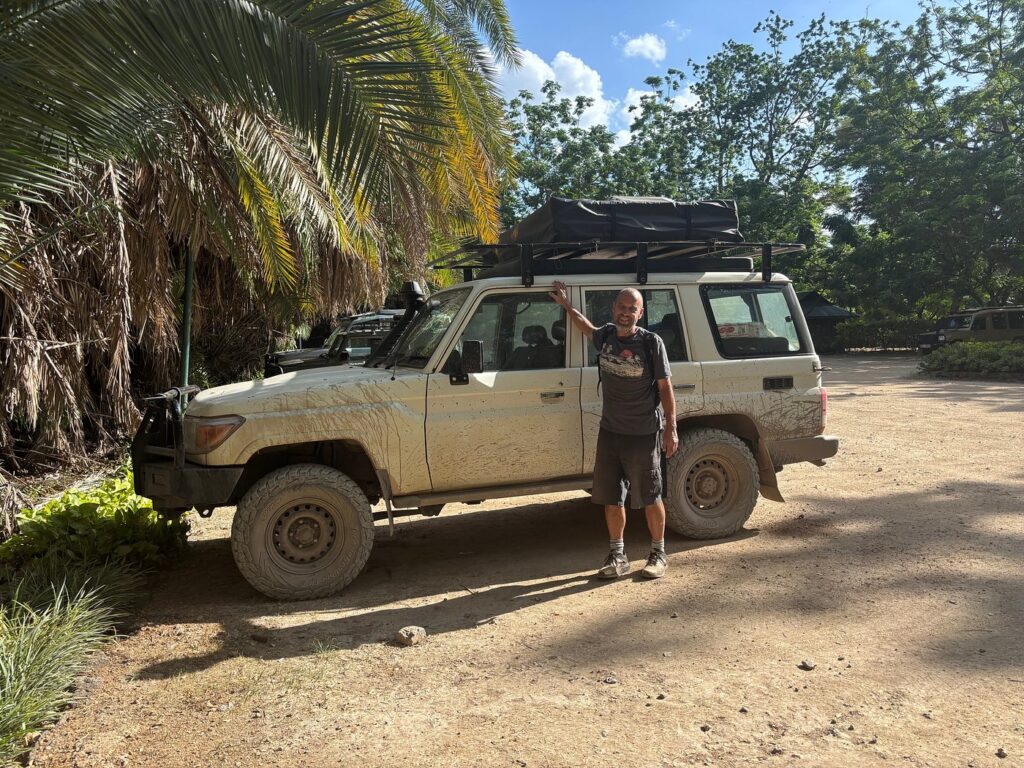
| Quick Journey Facts |
| Distance: Approximately 600–750 km (Nairobi to central Serengeti) |
| Estimated Driving Time: 10–14 hours (split across 2 days recommended) |
| Countries Crossed: Kenya and Tanzania |
| Border Crossing: Namanga (most common) or Isebania |
| Best Season: June–October (dry season, optimal game viewing) |
| Required Documents: Valid passport, East Africa Tourist Visa, car hire permit, vehicle insurance |
Understanding the Route
Before you hire a vehicle, it is critical to understand the geography and logistics of the route. Nairobi to Serengeti is not a single road — there are multiple paths, each with distinct advantages, scenery, and road conditions.
Route Option A: Via Namanga Border (Most Popular)
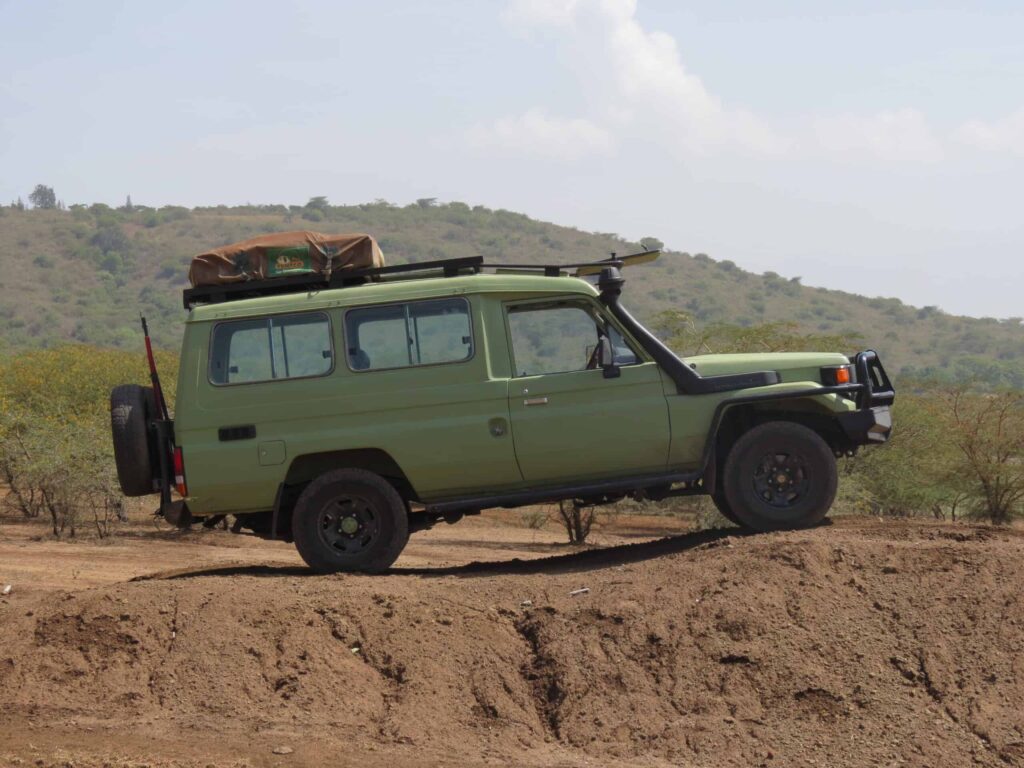
This is the most commonly used route for travelers driving from Nairobi to Serengeti. The road passes through Athi River, Kajiado, and the Namanga border crossing into Tanzania, then continues to Arusha, onward to Mto wa Mbu, and through the Ngorongoro Conservation Area before descending into the Serengeti plains.
| Checkpoint | Details |
| Nairobi CBD | Starting point — fill up fuel here |
| Athi River / Mlolongo | ~25 km, light traffic after city |
| Kajiado Town | ~65 km, last major Kenyan fuel stop |
| Namanga Border | ~160 km from Nairobi, 1–2 hr process |
| Arusha City | ~90 km from border, overnight option |
| Mto wa Mbu | ~120 km from Arusha, gateway to parks |
| Ngorongoro Gate | ~60 km, fuel & conservation fee stop |
| Serengeti Main Gate | ~80 km from Ngorongoro, gravel road |
| Seronera (Central) | ~60 km inside the park |
Route Option B: Via Isebania / Migori (Western Route)
Less commonly used but favoured by travelers who wish to combine the Serengeti with a visit to western Kenya, Kisumu, or the Maasai Mara. This route exits Kenya at the Isebania border crossing and enters Tanzania near Musoma, skirting the eastern shore of Lake Victoria before joining the road to the Serengeti’s western corridor.
- Longer total distance: approximately 750–800 km
- More scenic — includes Lake Victoria views and fishing villages
- Road quality varies significantly; some sections may require 4WD
- Recommended for adventurous travellers with extra time
Road Conditions
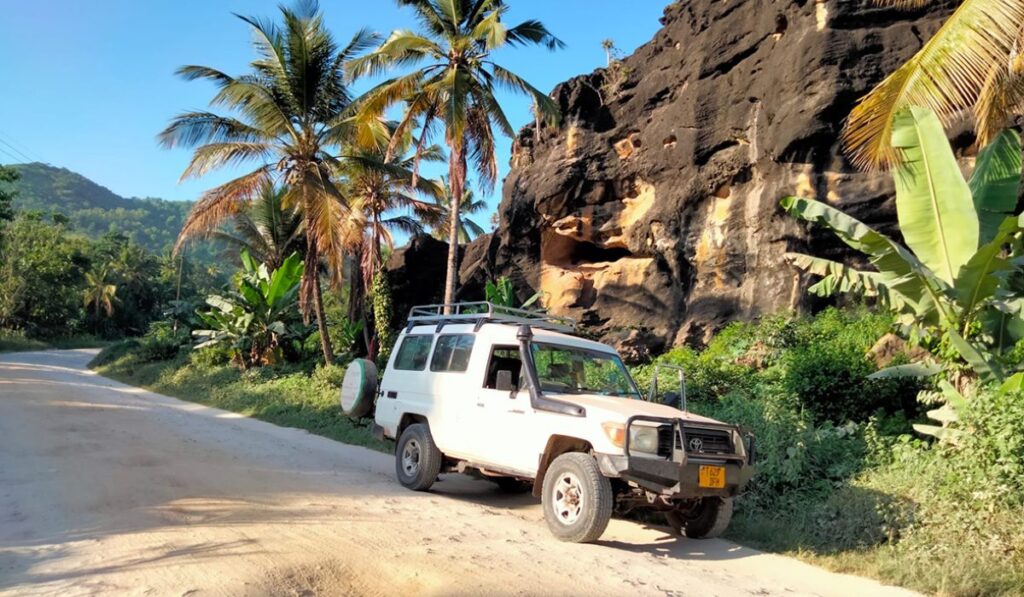
Kenyan roads between Nairobi and Namanga are generally well-maintained tarmac. Once inside Tanzania, roads around Arusha are good, but the stretch from Mto wa Mbu toward Ngorongoro and into Serengeti transitions to rough murram (red gravel) and dirt tracks. Inside Serengeti National Park, roads are unpaved and often challenging, especially after rain. A high-clearance 4×4 vehicle is strongly recommended beyond the Arusha junction.
Choosing the Right Rental Vehicle
Vehicle selection is arguably the most important decision you will make for this trip. The wrong vehicle can leave you stranded in the bush or unable to navigate the park’s terrain. Below is a breakdown of the most suitable vehicle types available at Nairobi rental agencies.
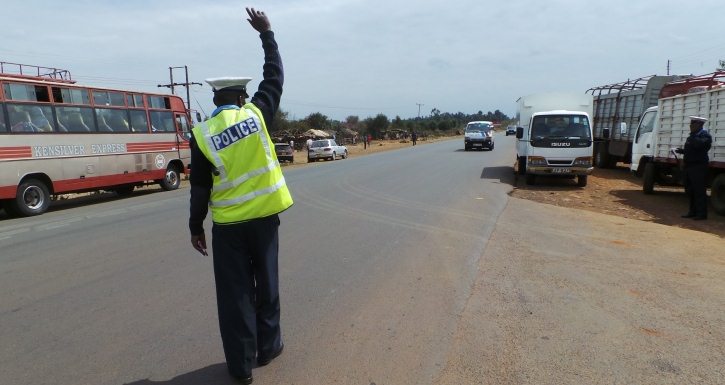
Vehicle Type Comparison
| Vehicle Type | Best For | Est. Daily Rate (USD) |
| Toyota Land Cruiser 70 Series (4WD) | Full safari — rugged terrain | $150 – $220 |
| Toyota Land Cruiser 200 Series (4WD) | Luxury safari, families | $200 – $320 |
| Toyota Prado (4WD) | Comfort + mild off-road | $120 – $180 |
| Mitsubishi Pajero (4WD) | Budget-friendly 4WD option | $100 – $160 |
| Toyota Hilux Double Cab (4WD) | Independent travellers | $90 – $140 |
| Minivan (2WD) | Arusha and tarmac only | $70 – $100 |
| Saloon / Sedan (2WD) | Not suitable for Serengeti | $40 – $70 |
Note: Rates above are approximate and vary by rental company, season, and inclusions. Always confirm what is included — fuel, driver, park fees, and insurance terms differ widely.
Pop-Up Roof Safari Vehicles
For optimal game viewing in Serengeti, many travellers opt for a safari-specific vehicle with a pop-up roof hatch. These converted Land Cruisers and Prados allow passengers to stand and observe wildlife through the roof — essential for photography and a fuller experience during game drives. Many Nairobi-based safari rental companies offer this configuration. The premium over a standard 4WD is typically $20–$50 per day.
Self-Drive vs. Chauffeur-Driven
This is a fundamental choice that shapes your entire trip. Both options have clear merits:
| Self-Drive | Chauffeur-Driven |
| Full schedule flexibility | Expert local knowledge of routes & wildlife |
| More budget-friendly (no driver fee) | Driver doubles as guide — huge advantage in Serengeti |
| Requires international driving permit | No need for IDP or cross-border paperwork stress |
| You manage border documentation | Driver handles many administrative tasks |
| Best for experienced off-road drivers | Ideal for first-time visitors to East Africa |
| Solo travellers may feel vulnerable | Added security and peace of mind |
Many first-time safari travellers find that hiring a professional driver-guide from a reputable Nairobi operator offers the best overall value when you factor in local expertise, wildlife spotting ability, and route familiarity. The typical cost of a driver-guide is $50–$100 per day on top of the vehicle rental.
Top Car Rental Companies in Nairobi
Nairobi has a robust car hire industry, ranging from international franchises to local operators with deep East African expertise. When selecting a company for a cross-border journey to Serengeti, prioritize those with explicit experience in Tanzania crossings.
What to Look for in a Rental Company
- Cross-border permit support: The company should handle or assist with Tanzania Single Entry Permits and COMESA vehicle insurance
- Fleet condition: Request recent service records; Serengeti roads are hard on vehicles
- 24/7 breakdown assistance: Verify they have coverage inside Tanzania, not just Kenya
- GPS and communication devices: A satellite phone or working GPS is valuable inside the park
- Park fee guidance: Reputable companies advise on current Tanzania National Parks (TANAPA) entrance fees
- Driver-guide options: The best operators maintain a roster of trained, certified driver-guides
Recommended Rental Hubs in Nairobi
- Westlands and Upper Hill: Premium safari-focused operators cluster here
- JKIA (Jomo Kenyatta International Airport): Convenient for fly-in travellers
- Central Business District: Budget options but lower likelihood of specialized safari fleets
- Karen and Langata suburbs: Several boutique safari operators with high-quality fleets
Always book well in advance for peak season travel (June–October and December–January), as quality safari-ready 4WD vehicles are in extremely high demand during the Great Migration season.
Documentation & Border Crossing Requirements
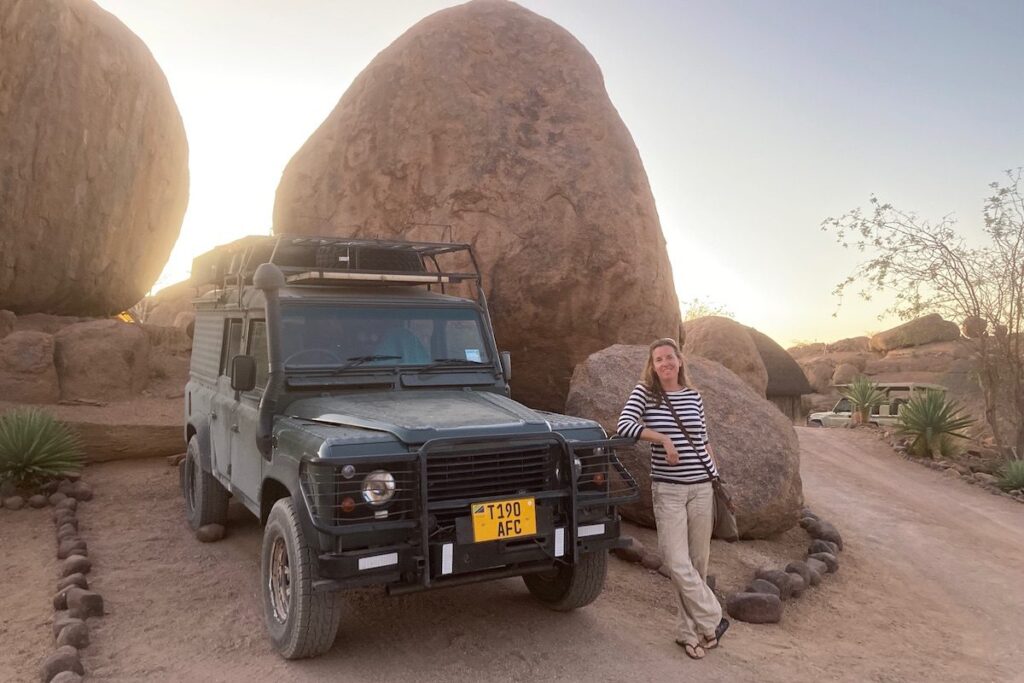
Crossing from Kenya into Tanzania introduces a layer of administrative complexity that every driver must prepare for. Insufficient documentation at the Namanga border can result in significant delays or being turned back entirely.
Personal Documents
- Valid passport (must have at least 6 months remaining validity)
- East Africa Tourist Visa — this covers Kenya, Uganda, and Rwanda; Tanzania requires a separate visa unless you hold an EAC single-entry visa
- Tanzania Single Entry Visa (USD 50 for most nationalities) — available at the border or online via the Tanzania e-Visa portal
- Yellow fever vaccination certificate (required for entry into Tanzania)
Vehicle Documents
- Original vehicle registration certificate (logbook)
- Cross-border letter from the rental company authorizing international travel
- COMESA Yellow Card (regional third-party motor insurance) — covers both Kenya and Tanzania
- Tanzania Road Transit Licence — issued at the border upon payment of applicable fees
- Foreign vehicle import permit (if the rental vehicle is Kenyan-registered, the company should provide this)
Namanga Border Crossing Tips
The Namanga border post operates 24 hours, but morning crossings between 6 AM and 9 AM tend to move faster before the midday rush of freight trucks. Expect the process to take between 1 and 2.5 hours including immigration, customs, vehicle inspection, and fee payment. Currency exchange booths are available at the border for converting Kenyan shillings to Tanzanian shillings. Carry some US dollars as well — many fees are priced in USD.
Costs & Budgeting
Planning a realistic budget is essential. The Nairobi to Serengeti road trip involves multiple cost categories beyond just the vehicle rental rate. The table below provides a comprehensive breakdown for a 7-day round trip.
Sample Budget Breakdown (7-Day Trip, 1 Vehicle)
| Cost Item | Estimated Cost (USD) |
| Vehicle Rental — 4WD Land Cruiser (7 days) | $1,050 – $1,540 |
| Fuel — Nairobi to Serengeti & back (~1,400 km) | $120 – $180 |
| Driver-Guide Fee (optional, 7 days) | $350 – $700 |
| Tanzania Single Entry Visa (per person) | $50 |
| COMESA Yellow Card Insurance (if not included) | $30 – $60 |
| Tanzania Road Transit Licence | $10 – $20 |
| Serengeti National Park Entry (per person, 7 days) | $420 – $560 |
| Vehicle Park Entry Fee (Serengeti) | $50 – $70 per entry |
| Ngorongoro Conservation Fee (per person) | $70 – $100 per day |
| Accommodation (mid-range, per night) | $100 – $300 |
| Meals & Incidentals | $30 – $80/day |
| Border Fees & Miscellaneous | $40 – $80 |
Total estimated cost for two people over 7 days ranges from approximately USD 2,500 to USD 5,000 depending on accommodation category, whether a driver-guide is hired, and the number of conservation area days. Budget travellers camping inside the park can reduce costs significantly; luxury lodge guests should expect higher figures.
Money-Saving Tips
- Travel in a group: Park fees are per person, but vehicle fees are fixed — more passengers means lower per-person cost
- Book accommodation outside the park gates: Mto wa Mbu and Karatu offer much cheaper options than inside-park lodges
- Negotiate multi-day rates: Rental companies often discount for bookings of 5 days or more
- Self-cater where possible: Pack a cooler box with snacks, drinks and light meals from Nairobi supermarkets
- Avoid December and July peak pricing: Shoulder months of May and November offer lower rates
Arriving in Serengeti: What to Expect
After crossing the Ngorongoro highlands and descending the escarpment, the Serengeti unfolds before you as an enormous, almost surreal expanse of golden grass and acacia woodland. Covering 14,763 square kilometres, it is one of Africa’s largest and most famous national parks — and arriving by road gives a perspective that flying in simply cannot replicate.
Park Zones and Access Points
- Naabi Hill Gate (Southeast) — Main entry for those arriving via the Ngorongoro road; most commonly used by road travellers from Nairobi
- Ndabaka Gate (West) — Entry point for those using the Isebania/Musoma route
- Klein’s Gate (North) — Used for northern Serengeti and migration area access
- Seronera Valley (Central) — The wildlife heartland, home to resident lion prides, cheetahs, hippo pools, and large herds year-round
The Great Migration
The Serengeti’s most famous spectacle — the annual Great Migration — involves more than 1.5 million wildebeest and 250,000 zebras in a seasonal loop between Serengeti and Kenya’s Maasai Mara. The timing of your visit determines where the herds will be:
| Month | Migration Location | Key Spectacle |
| January – March | Southern Serengeti (Ndutu area) | Calving season — thousands of newborns |
| April – May | Central & Western Serengeti | Green season, lush but some rain |
| June – July | Western Corridor | River crossings begin |
| August – October | Northern Serengeti & Maasai Mara | Dramatic Mara River crossings |
November – December |
Returning south through East | Herds moving back to calving grounds |
Wildlife Beyond the Migration
Even outside migration season, the Serengeti offers extraordinary wildlife encounters. The park is home to all of the Big Five — lion, leopard, elephant, buffalo, and rhinoceros (though rhinos are rare and restricted to sanctuary areas). Cheetahs are frequently spotted on the open plains of Seronera, and the park supports one of Africa’s highest concentrations of predators. Birdlife is equally spectacular, with over 500 recorded species.
Practical Tips for a Smooth Journey
Best Time to Travel
The dry season from June to October is widely considered the best time for the Nairobi–Serengeti drive. Roads are more passable, wildlife concentrations are higher around water sources, and visibility is clearer. The short rains in November and long rains in April–May can make dirt roads inside the Serengeti extremely challenging, though the green scenery is stunning and accommodation prices drop.
Fuel & Vehicle Maintenance
- Fill up fully in Nairobi before departure — fuel is cheapest there
- Top up again in Arusha — reliable petrol stations with quality fuel
- Carry a 20-litre jerry can of emergency fuel — no fuel is available inside Serengeti
- Check tyre pressure, oil level, and coolant before every long leg
- Carry two full-size spare tyres — punctures on park roads are common
- Pack a basic toolkit: tyre iron, jack, rope, and jumper cables
Safety Considerations
- Do not drive inside Serengeti after dark — it is prohibited and genuinely dangerous
- Keep vehicle windows closed when lions or other predators are nearby
- Do not feed, approach, or attempt to touch wildlife
- Share your detailed itinerary with a trusted contact who is not on the trip
- Carry a first aid kit — the nearest hospital to the central Serengeti is in Arusha (4+ hours away)
- Malaria prophylaxis is strongly recommended — consult a travel health clinic before departure
Connectivity & Navigation
Mobile network coverage is limited beyond Arusha and disappears entirely inside Serengeti. Download offline maps (Maps.me or Google Maps offline) covering the Ngorongoro–Serengeti area before you depart. A dedicated GPS device with African maps is an excellent investment if you plan to explore beyond the main tourist routes. Many lodges offer WiFi, but do not rely on connectivity for navigation.
Accommodation Options Along the Route
The route from Nairobi to Serengeti passes through several excellent accommodation hubs:
| Location | Accommodation Options |
| Arusha | Wide range from budget guesthouses to 5-star hotels; ideal first overnight stop |
| Karatu (near Ngorongoro) | Several excellent tented camps and lodges; great base for Ngorongoro day trip |
| Ngorongoro Crater Rim | Luxury lodges with crater views; premium pricing |
| Seronera (Central Serengeti) | Seronera Wildlife Lodge (mid-range), public campsites |
| Northern Serengeti | Luxury tented camps in the Mara River migration zone |
| Western Corridor | Remote camps; fewer options but incredible exclusivity |
Travelling Responsibly
The ecosystems you will drive through — from the Maasai rangelands of southern Kenya to the ancient plains of Serengeti — are under constant pressure from development, climate change, and unsustainable tourism. As a road-trip visitor, you have an opportunity to minimize your footprint:
- Choose rental companies and lodges that are certified or affiliated with responsible tourism bodies such as Ecotourism Kenya or the Tanzania Association of Tour Operators (TATO)
- Stay on designated tracks inside the national park — off-road driving destroys fragile ground-nesting habitats
- Pack out all rubbish — no waste bins exist inside Serengeti; carry a dedicated rubbish bag in your vehicle
- Support local economies by buying food, crafts, and fuel from Tanzanian traders in gateway towns
- Respect the Maasai communities you encounter along the route — ask permission before photographing people
- Limit your vehicle’s engine idling during game drives to reduce noise and air pollution around wildlife
Conclusion
A car rental journey from Nairobi to the Serengeti is a truly transformative experience — one that combines the exhilaration of open-road travel with the unmatched wonder of African wilderness. From the bustling streets of Nairobi to the sweeping grasslands of Seronera, every kilometre of this route offers something extraordinary.
The key to success lies in preparation: choosing the right 4WD vehicle, ensuring your cross-border documentation is airtight, budgeting accurately for park fees and fuel, and timing your journey to match your wildlife priorities. Whether you choose to drive yourself or hire an experienced driver-guide, the road from Nairobi to Serengeti rewards those who make the effort to travel it by land.
Karibu Tanzania — welcome to one of the world’s greatest safari destinations.