
Self Drive in Arusha: Rent 4x4 car for Self Drive In Arusha
Self Drive in Arusha , Arusha, Tanzania’s bustling northern gateway city, is the perfect launchpad for one of Africa’s most rewarding self-drive adventures. Nestled between the slopes of Mount Meru and the vast plains of the Serengeti ecosystem, Arusha offers self-drive travelers an unbeatable combination of wildlife, culture, and dramatic landscapes — all without the constraints of guided tours.
Self-driving in and around Arusha gives you the freedom to set your own itinerary, linger at a game viewpoint as long as you wish, explore hidden cultural villages, and experience the raw magic of East Africa on your own terms. Whether you are heading to Arusha National Park, the Ngorongoro Crater, or venturing deeper into the Serengeti, a self-drive trip from Arusha is one of the most liberating travel experiences in the world.
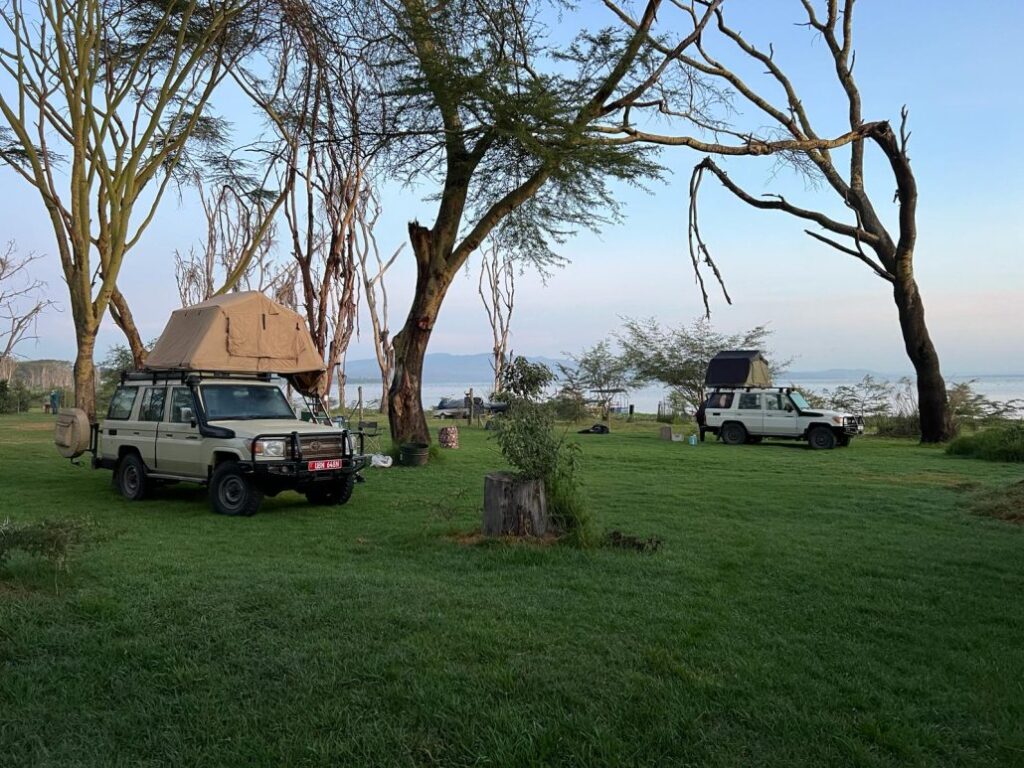
This comprehensive guide covers everything you need to know — from choosing the right vehicle and understanding road conditions, to must-visit destinations, safety tips, navigation, fuel planning, and wildlife etiquette — so you can hit the road with complete confidence.
Best Time to Self Drive in Arusha
Understanding Tanzania’s seasons is critical for planning a successful self-drive trip. The climate in and around Arusha is divided into distinct wet and dry seasons, each offering a different experience.
| Season | Months | Road Conditions | Recommended? |
| Dry (Long) | June – October | Excellent — firm, passable | ✅ Highly Recommended |
| Short Dry | January – February | Good — warm & less crowded | ✅ Good Option |
| Long Rains | March – May | Difficult — muddy & flooded | ⚠️ Challenging |
| Short Rains | November – December | Variable — occasional flooding | ⚠️ Caution Needed |
Choosing the Right Vehicle for Your Self-Drive
Vehicle selection is arguably the most important decision you will make for a self-drive trip around Arusha. The terrain varies dramatically — from smooth tarmac in town to rocky bush tracks inside national parks and muddy corrugated roads leading to remote communities.
4WD vs 2WD: What Do You Really Need?
For most destinations around Arusha, a 4WD (four-wheel drive) vehicle is strongly recommended, especially for:
- Arusha National Park bush tracks
- Ngorongoro Crater descent roads
- Serengeti game-drive circuits
- Lake Natron and Ol Doinyo Lengai routes
- Tarangire National Park dry-season tracks
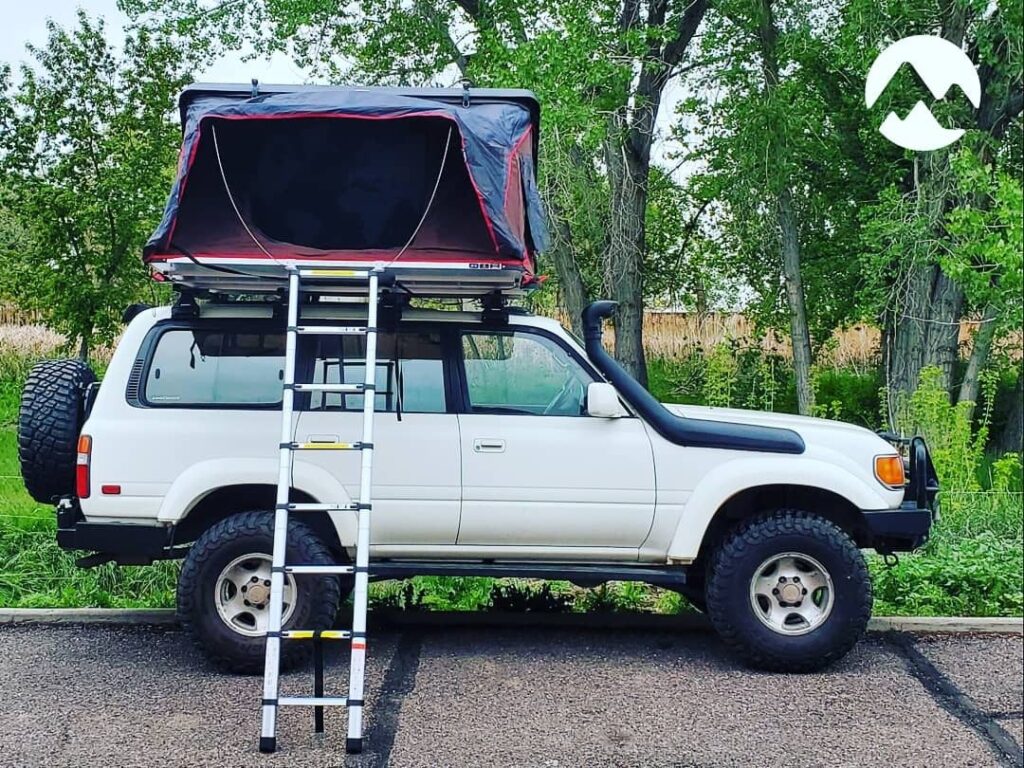
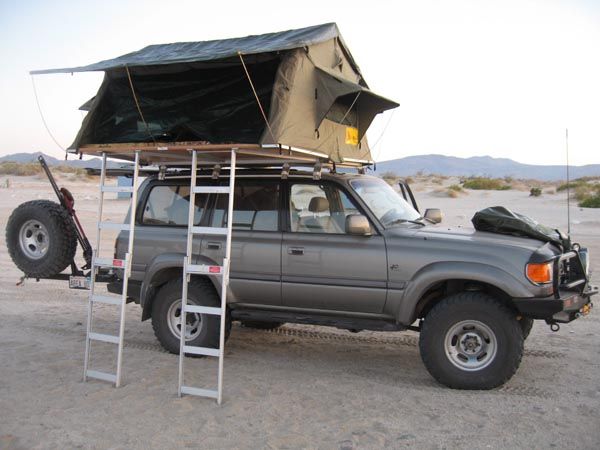
Top Recommended Self-Drive Vehicles
| Vehicle | Best For | Fuel Type | Daily Cost (approx.) |
| Toyota Land Cruiser 70 Series | All terrain, long safaris | Diesel | $170 – $200/day |
| Toyota Land Cruiser Prado | Comfort + off-road balance | Diesel/Petrol | $150 – $170/day |
| Toyota Hilux 4WD | Budget-friendly off-road | Diesel | $150 – $180/day |
| Nissan Patrol | Tough terrain | Diesel | $75 – $115/day |
| Toyota RAV4 (2WD) | City & tarmac routes only | Petrol | $55– $100/day |
What to Check Before You Drive Off
- Spare tyre (full-size, not just a space-saver)
- Jack and wheel brace
- Jerry cans for extra fuel
- Tow rope and recovery board
- First aid kit stocked with essentials
- Vehicle manual and emergency contact numbers
- Valid insurance documents and rental agreement
- Working GPS or downloaded offline maps (Maps.me / Google Maps offline)
- Functional spare key
Self Drive Car Hire in Arusha: What You Need to Know
Arusha has a well-developed car hire industry catering to independent travellers. Most reputable companies are clustered around the city centre, near Arusha Airport, and along the Nairobi–Arusha highway.
Requirements for Renting
- Valid international driving permit (IDP) or home country driving licence (English or with certified translation)
- Passport with valid visa for Tanzania
- Minimum age of 23–25 years (varies by company)
- Credit or debit card for security deposit
- Completed rental agreement and insurance waiver forms
Insurance Tips
Always opt for Collision Damage Waiver (CDW) and Theft Protection. Ensure your policy explicitly covers driving inside national parks, as some standard policies exclude off-road use. Third-party liability insurance is mandatory in Tanzania.
Fuel Strategy
Always fill up in Arusha before heading into parks or rural areas. Key fuelling points:
- Arusha city centre — multiple reliable fuel stations
- Moshi road stations before entering national parks
- Karatu town — last major fuel stop before Ngorongoro
- Seronera in Serengeti (limited, expensive — fill up before entering)
Top Self-Drive Destinations from Arusha
Arusha sits at the heart of Tanzania’s Northern Circuit — a collection of world-famous wildlife and cultural destinations all within self-driving distance.
1. Arusha National Park
Distance from Arusha City: 32 km (approx. 45 min)
The most accessible park for self-drivers based in Arusha, Arusha National Park is a compact yet remarkably diverse reserve. It offers flamingo-dotted Momela Lakes, the Ngurdoto Crater, dense montane forest on the slopes of Mount Meru, and abundant wildlife including giraffes, buffaloes, zebras, and black-and-white colobus monkeys.
- Entry Fee: ~$45 per person/day
- Gate: Ngurdoto Gate (the main entrance)
- Road Type: Murram and tracks — 4WD recommended but 2WD possible in dry season
- Highlight: Self-guided canoe safaris on Momela Lakes (arranged at gate)
2. Ngorongoro Conservation Area & Crater
Distance from Arusha: 180 km (approx. 3 – 3.5 hours)
The Ngorongoro Crater is one of the world’s most iconic wildlife destinations — a UNESCO World Heritage Site and a vast volcanic caldera teeming with lions, elephants, rhinos, hippos, and flamingos. Self-drivers descend into the crater via designated vehicle tracks under ranger supervision.
- Entry Fee: ~$60 per person/day + vehicle fee
- 4WD Mandatory: The crater descent tracks require genuine 4WD
- Route: Arusha → Karatu → Lodoare Gate → Crater Rim → Descent
- Tip: Book your crater descent time slot in advance during peak season
3. Tarangire National Park
Distance from Arusha: 118 km (approx. 2 hours)
Famous for its enormous elephant herds and ancient baobab trees, Tarangire is an underrated gem on the Northern Circuit that self-drivers often have more to themselves than tour groups. The Tarangire River is a year-round water source that draws phenomenal concentrations of wildlife during the dry season.
4. Serengeti National Park
Distance from Arusha: 335 km (approx. 5 – 6 hours)
The Serengeti needs no introduction. Home to the annual Great Migration — arguably the greatest wildlife spectacle on Earth — it is the ultimate self-drive destination for adventurous travellers. Plan to spend a minimum of 2–3 nights in the park to do it justice.
- Route from Arusha: Via Ngorongoro (scenic) or via Naabi Hill Gate
- Entry fee: ~$70 per person/day
- Best for Great Migration: July–September (river crossings in the north)
- 4WD Strictly Required
5. Lake Manyara National Park
Distance from Arusha: 125 km (approx. 2 hours)
Compact and stunning, Lake Manyara is famous for its tree-climbing lions, large flocks of flamingos, and lush groundwater forests at the base of the Rift Valley escarpment. It makes an excellent half-day or full-day self-drive stop en route to Ngorongoro.
6. Lake Natron & Ol Doinyo Lengai
Distance from Arusha: 200 km (approx. 4 – 5 hours on rough road)
For adventurous self-drivers, the remote route to Lake Natron — an alkaline soda lake and breeding ground for millions of flamingos — alongside the active volcano Ol Doinyo Lengai is one of East Africa’s most dramatic self-drive expeditions. The road is rough and remote, requiring expert 4WD skills and thorough preparation.
Road Conditions & Driving Tips in Tanzania
Driving in Tanzania is a unique experience that requires preparation, patience, and adaptability. Here is what to expect on the roads around Arusha.
General Rules of the Road
- Tanzania drives on the LEFT side of the road
- Speed limits: 50 km/h in towns, 80 km/h on open highways, 40 km/h in parks
- Seatbelts are compulsory for all passengers
- Mobile phone use while driving is illegal without hands-free
- Road police checkpoints are common — carry all documents readily accessible
- Animals, pedestrians, and cyclists share rural roads — drive cautiously at all times
Road Types Around Arusha
Arusha–Moshi Highway (A23): Paved tarmac, generally good condition. Watch for heavy trucks and matatu minibuses.
Arusha–Karatu (B144): Paved but deteriorating in sections. Road works ongoing in 2024–2025.
Inside National Parks: Murram (red earth), corrugated gravel, and rocky tracks. Reduce speed to protect your vehicle.
Lake Natron Route: Extremely rough — sand, lava rock, river crossings. Only for experienced off-road drivers.
Night Driving Advisory
Night driving outside of Arusha city is strongly discouraged. Animals on roads, poor lighting, speed bumps, and road hazards make after-dark driving genuinely dangerous. Always aim to reach your accommodation before sunset.
Navigation & Connectivity in Arusha Region
Modern navigation tools work well in and around Arusha, but connectivity drops significantly once you enter parks or rural areas.
Best Navigation Tools
- Google Maps (download offline Tanzania maps before your trip)
- me — excellent for offline rural navigation
- iOverlander — community-sourced off-road GPS waypoints
- Hema Explorer — specifically designed for overlanders in Africa
- Garmin GPS devices — the gold standard for remote navigation
SIM Cards & Data
Purchase a local SIM card from Vodacom Tanzania or Airtel Tanzania at the airport or any Arusha shop. Tourist SIM packages are available with good data bundles. Network coverage is excellent in Arusha and on major highways but essentially absent inside most national parks.
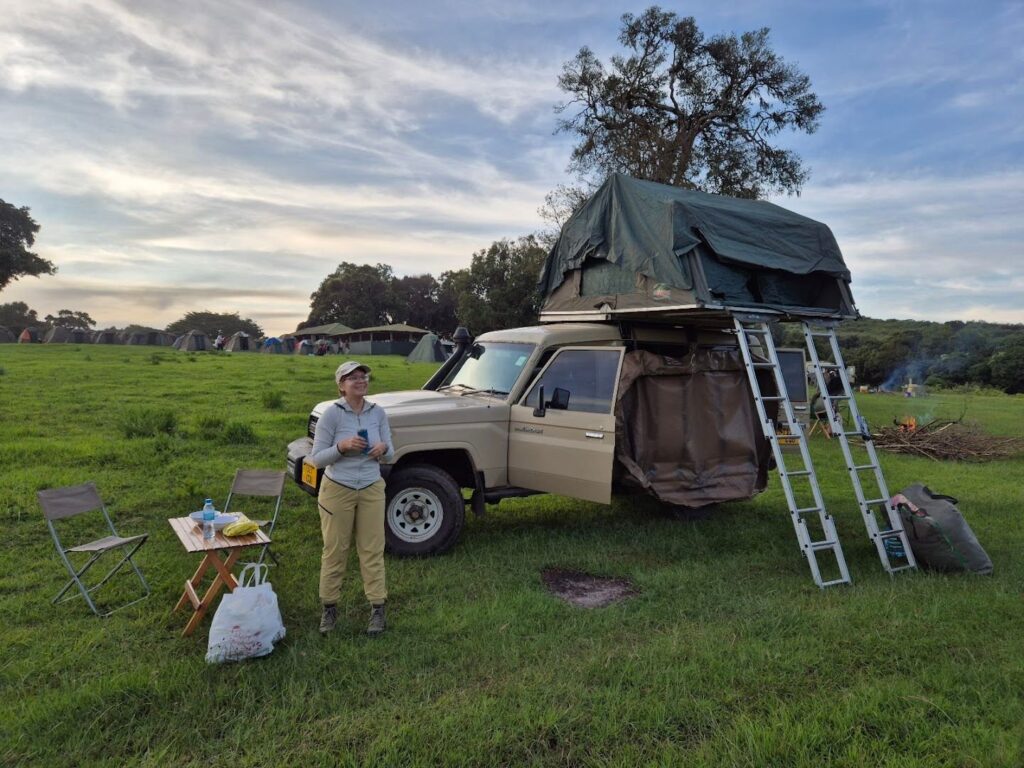
Toyota Land Cruiser Prado with Roof Top Tent
The 4x4 Toyota Land Cruiser LX
4×4 Toyota Land Cruiser Hardtop
4x4 Toyota Rav4 ( Car Rental Arusha)
Toyota Land Cruiser with Double Roof Top Tent
Toyota Land Cruiser Gx Single Roof Top Tent
Safety Tips for Self-Drivers in Arusha
Vehicle Safety
- Always lock your vehicle when parked in town — keep valuables out of sight
- Use only official, guarded car parks in Arusha city
- Do not leave the engine running unattended
- In case of breakdown: call your rental company immediately, switch on hazard lights, and stay inside the vehicle if in a wildlife area
Personal Safety
- Carry a photocopy of your passport — keep originals in your accommodation safe
- Avoid displaying expensive cameras or jewellery in crowded areas
- Be cautious of unofficial ‘guides’ approaching you near tourist spots
- Emergency number in Tanzania: 112 or 999
- Nearest major hospital: ELCT Selian Lutheran Hospital (Arusha)
Wildlife Safety in Parks
- Never get out of your vehicle in a wildlife area unless at a designated viewpoint
- Do not approach animals — maintain a minimum distance of 20–30 metres
- Switch off your engine near resting predators to avoid startling them
- Follow park rangers’ instructions at all times
- Do not feed wildlife under any circumstances
Suggested Self-Drive Itineraries from Arusha
3-Day Highlights (Compact Northern Circuit)
Day 1: Arusha → Tarangire National Park (full-day game drive) → overnight in Karatu
Day 2: Karatu → Ngorongoro Crater full-day descent → overnight at crater rim
Day 3: Lake Manyara National Park (half-day) → return to Arusha
7-Day Full Northern Circuit
Day 1: Arrive Arusha — vehicle collection, city orientation, supplies
Day 2: Arusha National Park — full-day self-drive + Momela canoe option
Day 3: Drive to Tarangire — afternoon game drive, overnight Tarangire area
Day 4: Full day Tarangire → drive to Karatu/Ngorongoro area for overnight
Day 5: Full-day Ngorongoro Crater descent — overnight crater rim
Day 6: Drive to Serengeti (via Naabi Gate) — afternoon game drive
Day 7: Serengeti game drive → return to Arusha via Ngorongoro
Budget Guide: Self Drive Costs from Arusha
Self-driving in Tanzania is significantly more cost-effective than booking guided tours, especially for groups and families. Here is a realistic cost breakdown:
| Expense | Budget | Mid-Range / Comfort |
| 4WD Vehicle Hire (per day) | $50 – $80 | $90 – $130 |
| Fuel (per 100 km, diesel) | $12 – $18 | $12 – $18 |
| Arusha NP Entry (per person) | $45 | $45 |
| Ngorongoro Entry (per person) | $60 | $60 |
| Serengeti Entry (per person) | $70 | $70 |
| Accommodation (per night) | $30 – $70 (budget camps) | $100 – $300 (lodges) |
| Meals (per day per person) | $15 – $30 | $40 – $80 |
| Total: 7-Day Trip for 2 people (est.) | $1,200 – $1,800 | $2,500 – $4,000 |
Cultural Etiquette & Responsible Tourism
Arusha is home to diverse communities including the Maasai, Arusha, Meru, and Chagga peoples. Respecting local customs enhances your experience and supports the communities you visit.
- Always ask permission before photographing local people
- Greet locals in Swahili — ‘Jambo’ (hello) or ‘Habari’ (how are you) goes a long way
- Dress modestly when visiting towns and villages — shoulders and knees covered is appreciated
- Bargain respectfully at markets — it is expected but should be done with good humour
- Support local businesses: buy crafts directly from artisans, eat at local restaurants
- Avoid touching sacred trees or cultural objects without asking
- Tipping is appreciated and supports low-wage workers — 10–15% in restaurants is standard
Where to Stay: Accommodation Along the Route
In Arusha City
- Keys Hotel — centrally located, long-established, great base
- Arusha Hotel — colonial-era landmark with lush gardens
- African Tulip — boutique hotel with excellent service
- Various guesthouses and Airbnbs for budget travellers
Camping Options (Self-Driver Favourite)
- Meserani Snake Park Campsite (en route to Ngorongoro)
- Public campsites inside all national parks — book via TANAPA website
- Serengeti Simba Campsite — popular public site near Seronera
- Ngorongoro Wildlife Lodge camping area
Top 10 Self-Drive Arusha Pro Tips
- Book your national park entry permits online in advance via the TANAPA portal — saves time at gates
- Start game drives at dawn — most wildlife is active in early morning, and you avoid midday heat
- Carry USD cash — most park fees, fuel stations, and bush camps accept US dollars
- Download your maps offline before leaving Arusha city — connectivity is unreliable in parks
- Pack a high-quality cooler box — fresh food and cold drinks make a huge difference on long drives
- Keep dust covers on camera equipment — park tracks are extremely dusty in dry season
- Always tell someone your route plan and expected return — especially on remote routes like Lake Natron
- Learn basic Swahili: ‘pole pole’ (slowly), ‘asante’ (thank you), ‘simama’ (stop) will serve you well
- Carry a physical road map as a backup — GPS devices can fail in remote areas
- Drive slowly on park tracks — high speed damages the road surface and disturbs wildlife
Conclusion: Your Arusha Self-Drive Adventure Awaits
A self-drive trip from Arusha is one of the most rewarding travel experiences Africa has to offer. With the right vehicle, solid preparation, and an adventurous spirit, you will discover a Tanzania that very few visitors get to experience — on your own terms, at your own pace, with nothing between you and the wild heart of East Africa.
From the iconic flamingo-dotted soda lakes to the thundering river crossings of the Serengeti, from the vast caldera of Ngorongoro to the ancient baobabs of Tarangire, every kilometre of road reveals something extraordinary. Arusha is not just a gateway — it is the beginning of a story you will be telling for the rest of your life.