Affordable 4×4 Rental in Arusha as low as 120$ Per day
Affordable 4×4 Rental in Arusha as low as 120$ Per day, Tanzania is one of Africa’s most spectacular safari destinations, home to the Serengeti, Ngorongoro Crater, Kilimanjaro, Zanzibar, and a dozen other iconic landscapes. Exploring this vast and diverse country on your own terms — or with a professional driver — requires the right vehicle. A 4×4, or four-wheel-drive vehicle, is not a luxury in Tanzania; it is a necessity.
The country’s roads range from smooth tarmac in urban areas to rough gravel, deep mud, river crossings, and sandy tracks deep inside national parks. A standard saloon or compact car simply cannot cope with these terrains. Renting a 4×4 unlocks access to remote wilderness areas, gives you the freedom to travel at your own pace, and ensures you arrive at your destination safely — no matter the season.
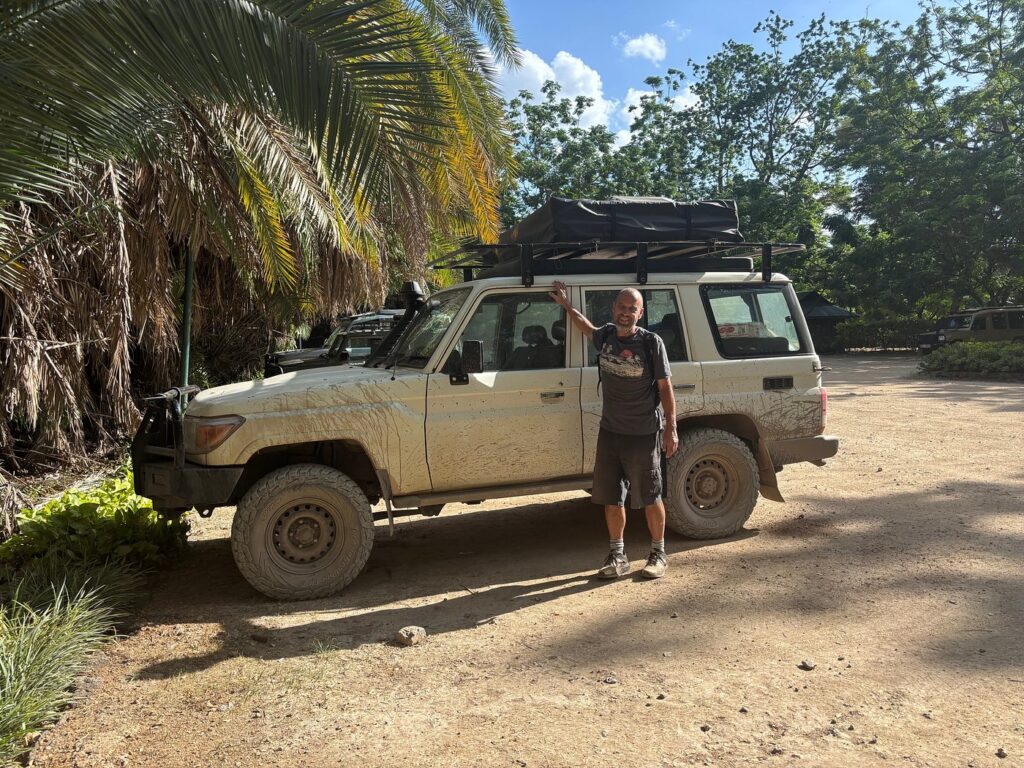
This comprehensive guide covers everything you need to know about 4×4 rental in Tanzania — from choosing the right vehicle and understanding rental costs, to legal requirements, safety tips, top routes, and how to find a reliable rental company.
Why You Need a 4×4 in Tanzania
Tanzania covers over 945,000 square kilometres, and a huge proportion of the land outside major cities is unpaved. Here are the main reasons why a 4×4 is essential:
- National Park Regulations: Many national parks, including the Serengeti and Ruaha, require visitors to travel in a minimum of a high-clearance 4×4 vehicle.
- Road Conditions: Even major routes such as the Arusha–Ngorongoro road can include potholes, eroded sections, and river crossings that require four-wheel drive.
- Rainy Season: Tanzania has two rainy seasons (March–May and October–December). During these periods, many roads become impassable without 4WD.
- Wildlife Viewing: A raised 4×4 gives you better sightlines and the ability to go off-track (where permitted) for closer wildlife encounters.
- Load Capacity: A 4×4 can carry your camping gear, luggage, spare tires, fuel, and water — everything needed for multi-day overland adventures.
Types of 4×4 Vehicles Available for Rent
Rental companies in Tanzania offer a wide range of 4×4 vehicles to suit different group sizes, budgets, and trip requirements. The most common models are as follows:
Toyota Land Cruiser (Series 70, 76, 78, 79, 100, 200)
The Toyota Land Cruiser is the workhorse of African safaris and the most popular rental vehicle in Tanzania. Known for its legendary reliability, high ground clearance, and robust build, it comes in several configurations. The Series 70 (including the 76 Station Wagon and 79 double-cab pickup) is favoured for rough terrain. The 100 and 200 Series offer more comfort and are preferred for longer overland journeys. These vehicles typically seat 4–8 passengers and feature optional roof tents for camping.
Toyota Land Cruiser Prado
The Prado is a slightly smaller and more refined version of the Land Cruiser. It offers a comfortable cabin, modern features, and excellent off-road capability. It is ideal for families or travellers who want a balance between luxury and performance. Seating capacity is usually 5–7 passengers.
Toyota Hilux (Single & Doub
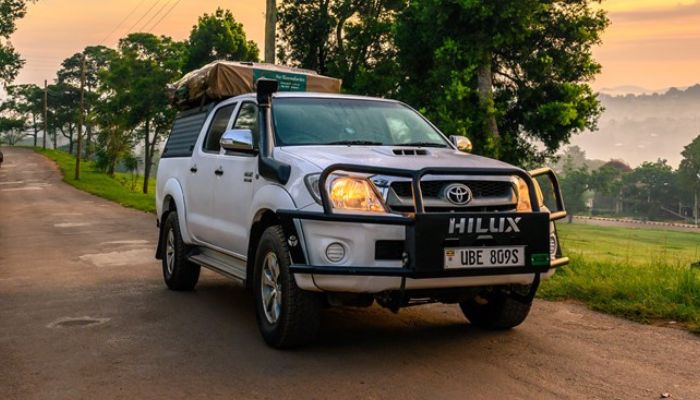
le Cab)
The Hilux is Tanzania’s most ubiquitous pickup truck and is available in single and double-cab configurations. It is slightly cheaper to rent than a Land Cruiser and handles most roads well. The open load bed makes it practical for carrying bulky camping equipment. However, it offers less passenger space and comfort compared to station wagons.
Mitsubishi Pajero / Montero
The Pajero is a popular mid-size 4×4 that offers good performance at a slightly lower price than the Land Cruiser. It seats up to 7 passengers, is air-conditioned, and is available in both short and long-wheel-base models. It is a reasonable choice for travellers exploring the Northern Circuit.
Nissan Patrol
The Nissan Patrol is another trusted African workhorse. Large, powerful, and capable in deep mud and sand, it is available from select rental agencies. It is a good alternative for groups who cannot find an available Land Cruiser.
Safari Pop-Top Vehicles
A growing number of rental companies now offer modified safari vehicles with pop-up roofs (pop-tops). These are adapted Land Cruisers or minibuses fitted with a retractable roof for standing and 360-degree wildlife viewing. They are particularly popular for game drives in Serengeti and Tarangire National Parks.
4×4 Rental Costs in Tanzania
4×4 rental prices in Tanzania vary depending on the vehicle type, rental duration, season, and whether you opt for self-drive or a driver-guide. Below is a general price guide in USD per day:
| Vehicle Type | Self-Drive (USD/day) | With Driver (USD/day) | With Driver-Guide (USD/day) |
| Toyota Hilux (DC) | $75 – $110 | $110 – $150 | $150 – $200 |
| Toyota Prado | $100 – $140 | $140 – $180 | $180 – $240 |
| Toyota Land Cruiser 70 | $110 – $160 | $160 – $210 | $210 – $280 |
| Toyota Land Cruiser 100/200 | $130 – $180 | $175 – $230 | $230 – $320 |
| Mitsubishi Pajero | $90 – $130 | $130 – $170 | $170 – $220 |
| Safari Pop-Top (minibus) | $140 – $200 | $190 – $260 | $250 – $380 |
Note: Prices are indicative and subject to change based on fuel costs, insurance packages, and individual company policies. Always request a full itemised quote before confirming a booking.
Self-Drive vs. Hiring a Driver or Driver-Guide
Self-Drive 4×4 Rental
Self-drive 4×4 hire in Tanzania is available but less common than in Southern Africa. Advantages include:
- Complete flexibility over your schedule and route
- Lower overall cost if travelling solo or as a couple
- Privacy and personal freedom
However, there are significant considerations:
- Many national parks require a registered safari operator or guide to enter, making self-drive impossible in some areas
- International driving permits are mandatory alongside your home licence
- Navigation in remote areas is extremely challenging — GPS coverage can be unreliable
- Breakdown assistance is limited outside major towns
Hiring a Professional Driver or Driver-Guide
Most visitors to Tanzania opt to hire a vehicle with a professional driver or driver-guide. This is highly recommended for several reasons:
- Local knowledge of roads, wildlife patterns, and seasonal conditions
- Ability to navigate national park tracks safely and legally
- Expert wildlife spotting and identification skills
- Peace of mind — you relax and enjoy while someone else handles logistics
- Assistance in case of vehicle breakdowns or emergencies
What Is Typically Included in a 4×4 Rental Package
A standard 4×4 rental package in Tanzania usually includes the following:
- Comprehensive or third-party vehicle insurance
- One or two spare tires
- Basic toolkit and high-lift jack
- Jerry cans for extra fuel (essential in remote areas)
- First aid kit
- GPS navigation device or offline maps (not always included — confirm with provider)
- Roof rack for additional luggage
- 24-hour roadside assistance (varies by company)
Optional add-ons typically available at extra cost include roof tents and camping equipment, satellite phones, additional drivers, child safety seats, portable cooler boxes (fridges), and Wi-Fi hotspot devices.
Legal Requirements for Renting a 4×4 in Tanzania
Before you rent a 4×4 in Tanzania, ensure you meet all legal requirements:
Age Requirements
The minimum age to rent a 4×4 in Tanzania is typically 23 to 25 years, depending on the rental company. Some companies impose a surcharge for drivers under 25. There is generally no upper age limit, though some insurers may have restrictions for drivers over 75.
Driving Licence
You must hold a valid driving licence from your home country. In addition, most rental companies and Tanzania’s traffic laws require an International Driving Permit (IDP), obtainable from your national motoring association before departure. Your licence must have been valid for at least one year.
Passport and Visa
A valid passport with at least six months’ validity beyond your travel dates is required. Most visitors require a visa, which can be obtained on arrival or as an e-visa prior to travel. A valid visa is required to enter national parks and reserve areas.
Top 4×4 Routes and Destinations in Tanzania
The Northern Safari Circuit
Tanzania’s most popular safari region connects Arusha, Lake Manyara National Park, Ngorongoro Conservation Area, Serengeti National Park, and Tarangire National Park. The roads vary from tarmac near Arusha to gravel and dirt tracks inside the parks. This circuit typically takes 7–14 days and is best experienced in a well-equipped Land Cruiser or Prado. Key highlights include the Great Migration in the Serengeti, the lion-filled Ngorongoro Crater, and enormous elephant herds in Tarangire.
The Southern Safari Circuit
Less visited than the north, the southern circuit encompasses Ruaha National Park, Selous Game Reserve (now Nyerere National Park), and Mikumi National Park. Roads here are rougher and more remote, requiring a robust 4×4 and ideally an experienced driver. The rewards are extraordinary — huge lion prides in Ruaha, wild dogs in Selous, and vast elephant populations.
The Western Circuit — Gombe and Mahale
Reaching Gombe Stream and Mahale Mountains National Parks — home to chimpanzees on the shores of Lake Tanganyika — requires a combination of road and boat travel. The road journey across western Tanzania is challenging but rewarding, passing through remote villages and dramatic landscapes.
Arusha to Moshi and Kilimanjaro
The drive between Arusha and Moshi on the slopes of Mount Kilimanjaro is manageable on good tarmac, but the roads leading to the mountain gates and surrounding villages benefit from a 4×4. From here, travelers can also explore Amboseli National Park across the Kenya border.
Coastal and Zanzibar Routes
The drive from Dar es Salaam to the coastal town of Bagamoyo, or south through the Mafia Channel region, offers beaches, fishing villages, and mangroves. Zanzibar island itself has roads passable in smaller vehicles, though a 4×4 is useful for the rougher northern and eastern beach tracks.
Best Time of Year to Rent a 4×4 in Tanzania
Tanzania has two main seasons that affect road conditions and 4×4 rental strategies:
Dry Season (June – October)
This is peak safari season. Roads are at their best and most national parks are accessible. Wildlife concentrates around water sources, making game viewing exceptional. Rental demand is highest during this period, so book well in advance — at least 3–6 months ahead.
Short Rains (November – December)
Light showers make the landscape lush and green. Roads are generally still passable. This shoulder season offers lower rental prices and fewer crowds. An excellent time to visit if you are comfortable with occasional afternoon showers.
Long Rains (March – May)
The long rains bring heavy downpours that can make remote tracks extremely challenging or impassable, even in a 4×4. Some lodges and camps close. Rental prices are at their lowest, but only experienced overlanders should attempt remote routes during this period. A high-clearance Land Cruiser with a snorkel is strongly advisable.
Practical Tips for Renting a 4×4 in Tanzania
- Book Early: High-quality vehicles are in short supply during peak season. Booking 3–6 months in advance is strongly recommended.
- Inspect the Vehicle: Before accepting the vehicle, conduct a thorough walk-around inspection. Photograph any existing damage and ensure it is noted on the rental agreement.
- Check Insurance: Confirm exactly what the insurance covers. Comprehensive cover should include third-party liability, theft, and collision damage. Clarify excess (deductible) amounts.
- Fuel Policy: Most rentals are on a full-to-full basis. Fill up before returning the vehicle. Diesel is more widely available in Tanzania than petrol in rural areas.
- Carry Extra Fuel: In remote areas, petrol stations can be hundreds of kilometres apart. Carry at least one to two 20-litre jerry cans of fuel.
- Offline Maps: Download offline maps (such as Maps.me or Gaia GPS) before departure. Do not rely solely on cellular data, which may be unavailable in parks.
- Know How to Use 4WD: If you are self-driving, practise engaging and disengaging four-wheel drive before you reach difficult terrain.
- Carry Enough Water and Food: Remote routes require self-sufficiency. Carry at least 5 litres of drinking water per person per day.
- Emergency Communication: Consider renting a satellite phone or personal locator beacon (PLB) for remote travel.
- Respect Wildlife and Park Rules: Stay on designated tracks, never approach animals too closely, and comply with all national park regulations.
How to Find a Reliable 4×4 Rental Company in Tanzania
Tanzania has numerous rental companies ranging from international chains to local operators. Here is how to identify a trustworthy provider:
- Look for companies registered with the Tanzania Association of Tour Operators (TATO) or the Association of Tanzania Tour Operators (ATTO).
- Read verified reviews on TripAdvisor, Google, and safari-specialist forums.
- Ask about the age and maintenance history of their fleet.
- Confirm they offer 24/7 roadside assistance and have a clear breakdown protocol.
- Request a detailed written contract in English clearly spelling out all charges, inclusions, and liability.
- Major rental hubs are located in Arusha (gateway to the Northern Circuit), Dar es Salaam, and Mwanza. Arusha is generally the best base for starting a Northern Circuit safari.
Conclusion
Renting a 4×4 in Tanzania is one of the best decisions you can make for an authentic and rewarding safari experience. Whether you are tracing the Great Migration across the Serengeti, descending into the Ngorongoro Crater, or pushing deep into the wild southern circuit, a well-equipped four-wheel-drive vehicle is your ticket to Tanzania’s most spectacular landscapes and wildlife.
Take time to choose the right vehicle for your group size and itinerary, understand all the legal and insurance requirements, and — unless you are a very experienced overlander — consider travelling with a professional driver-guide who can bring an entirely new dimension to your journey.
Plan ahead, book early, pack wisely, and prepare for an adventure that will stay with you for a lifetime. Tanzania’s wild heart is waiting.