Car Rental to Mikumi
Car Rental to Mikumi, Mikumi National Park, Tanzania’s fourth-largest national park, stretches across approximately 3,230 square kilometres in the Morogoro Region. Flanked by the Uluguru Mountains to the northeast and the Lumango range to the southeast, Mikumi offers one of East Africa’s most accessible and rewarding wildlife experiences. Unlike many of Tanzania’s northern parks, Mikumi’s proximity to Dar es Salaam — just 283 kilometres along the well-maintained A7 highway — makes it the ideal destination for self-drive safaris. Whether you are a seasoned overlander or a first-time safari-goer, hiring a car and exploring Mikumi at your own pace delivers an unmatched sense of freedom, intimacy with nature, and exceptional value for money.
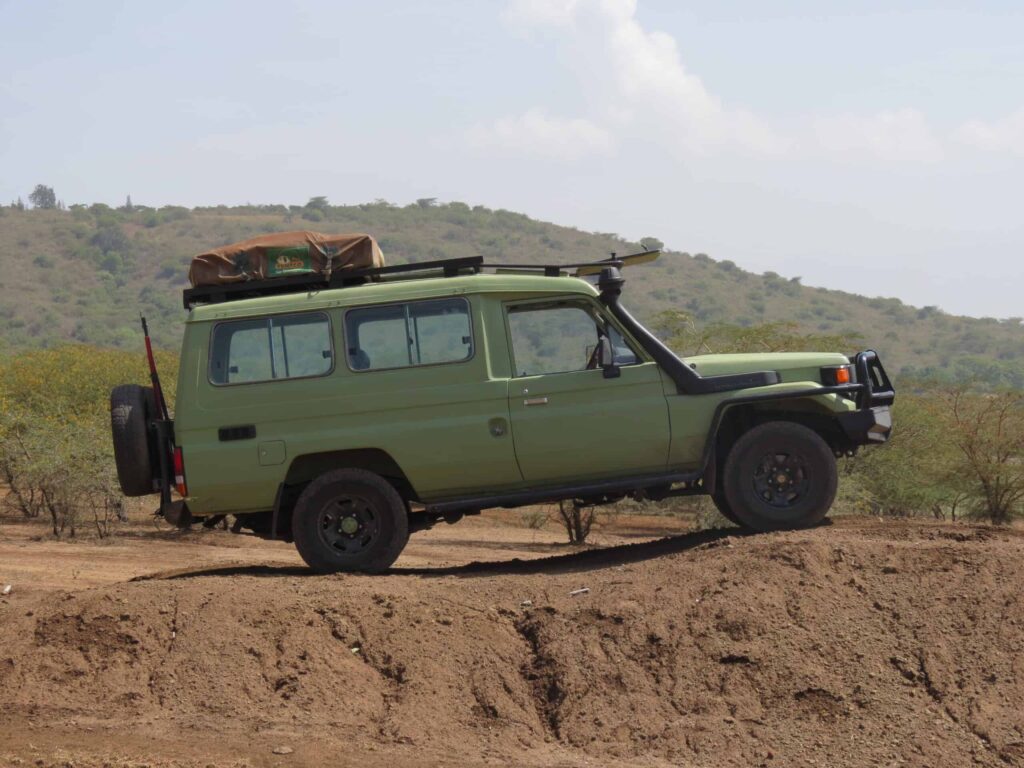
1. Why Choose a Self-Drive Safari in Mikumi?
A self-drive safari in Mikumi National Park puts you firmly in the driver’s seat — both literally and figuratively. You set your own schedule, linger at a pride of lions for as long as you wish, and return to the same spot at sunrise without answering to a group itinerary. Here is why thousands of travellers choose self-drive over guided tours each year:
- Freedom and Flexibility: Explore at your own pace, stop wherever wildlife appears, and design a personal itinerary that matches your interests and energy levels.
- Cost Efficiency: Renting a 4×4 vehicle and splitting costs among family or friends is substantially cheaper than booking an equivalent private guided safari.
- Privacy and Intimacy: Experience the bush on your own terms, away from large tour groups, which often results in less disturbance of wildlife and more authentic encounters.
- Convenience: Mikumi is accessible by tarmac road from Dar es Salaam, meaning no bush flights or long detours — simply drive in and start your adventure.
- Repeat Visits: Self-drive visitors tend to return more frequently because of the low barrier to entry, allowing them to witness seasonal changes and different animal behaviours year-round.
| Did You Know?
Mikumi National Park is often called the ‘Serengeti of Southern Tanzania’ due to its expansive floodplains and extraordinary concentrations of buffalo, elephant, lion, leopard, and giraffe. The Mkata Floodplain, the park’s centrepiece, is one of the finest wildlife-viewing areas in all of East Africa. |
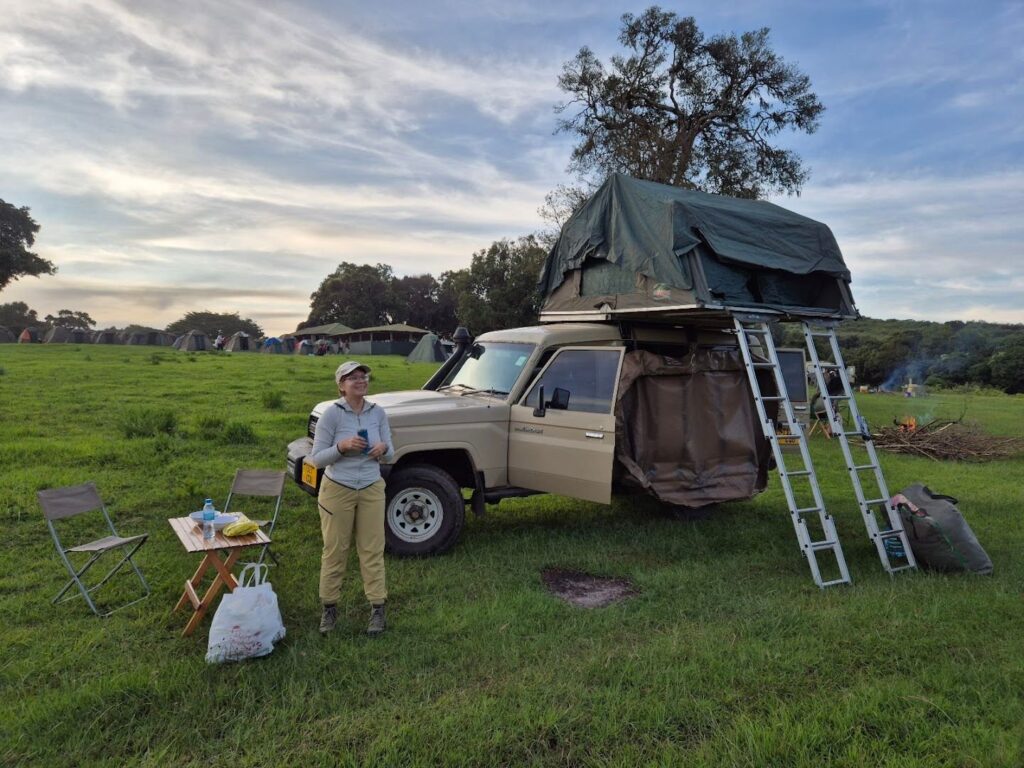
2. Understanding Mikumi National Park
2.1 Location and Accessibility
Mikumi National Park lies in the Morogoro Region of central Tanzania, straddling the TANZAM highway (A7) that connects Dar es Salaam to Zambia. Its strategic location makes it arguably the most road-accessible national park in Tanzania. The drive from Dar es Salaam takes roughly three to four hours under normal traffic and road conditions, making it feasible for a weekend getaway as well as an extended safari expedition.
2.2 Geography and Ecosystems
The park encompasses a diverse mosaic of habitats including miombo woodland, open grassland floodplains, swamps, rivers, and rocky hillsides. The Mkata River and several tributaries sustain rich riparian forests that support hippo, crocodile, and a spectacular variety of bird species. The undulating terrain means that different areas of the park offer contrasting landscapes and wildlife communities, rewarding those who venture beyond the central plains.
2.3 Wildlife Highlights
Mikumi supports the Big Five — lion, leopard, elephant, buffalo, and rhinoceros (black rhino, though rare) — alongside large herds of zebra, wildebeest, impala, waterbuck, warthog, baboon, and giraffe. The Mkata Floodplain is especially renowned for its dense buffalo herds and predictable lion sightings. Birdlife is exceptional, with over 400 recorded species including the endemic Tanzanian red-billed hornbill, fish eagle, and numerous raptors.
2.4 Best Time to Visit
| Season | Months | Conditions | Recommendation |
| Dry Season | June – October | Clear skies, low grass, animals concentrate at water | ★★★★★ Best for game drives |
| Short Rains | November – December | Light showers, lush greenery, fewer crowds | ★★★★ Good for birding |
| Long Rains | March – May | Heavy rain, some roads impassable | ★★ Not recommended |
| Hot Dry Season | January – February | Very hot, animals still visible | ★★★ Moderate visibility |
3. Choosing the Right Rental Car for Mikumi
Selecting the correct vehicle is the single most important decision for a successful self-drive safari. Mikumi’s road network includes well-graded gravel tracks as well as rough, corrugated paths through remote bush. While some areas near the main gate are accessible in a standard saloon car during the dry season, a high-clearance 4-wheel-drive (4WD) vehicle is strongly recommended year-round to handle variable conditions safely and comfortably.
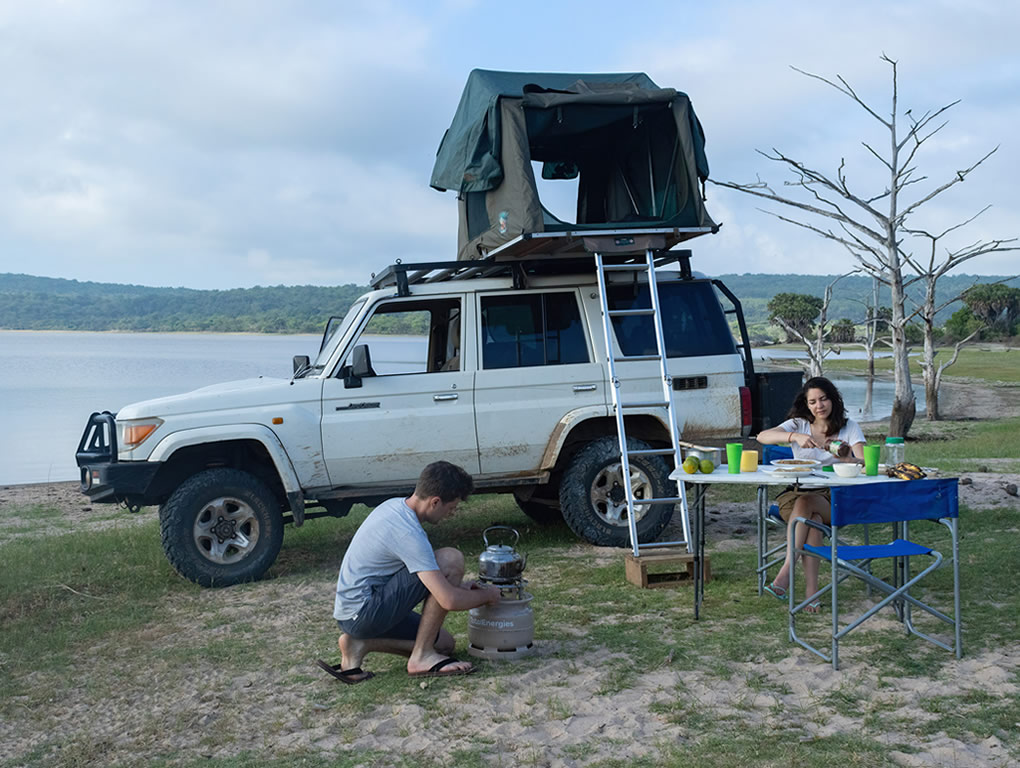
3.1 Recommended Vehicle Categories
| Vehicle Type | Ground Clearance | Seating | Best For | Approx. Daily Rate (USD) |
| Toyota Land Cruiser 4×4 | 220 mm+ | 5–7 | Deep bush, wet season, long trips | $120–$180 |
| Toyota Hilux Double Cab | 200 mm | 5 | Dry season, couples, small groups | $90–$140 |
| Mitsubishi Pajero/Shogun | 200 mm | 5–7 | Mixed terrain, families | $95–$145 |
| Nissan Patrol | 210 mm | 7–9 | Large groups, extended safaris | $130–$190 |
| Toyota RAV4 (light 4WD) | 175 mm | 5 | Dry season, budget travel, day trips | $65–$95 |
| Pro Tip: Toyota Land Cruiser
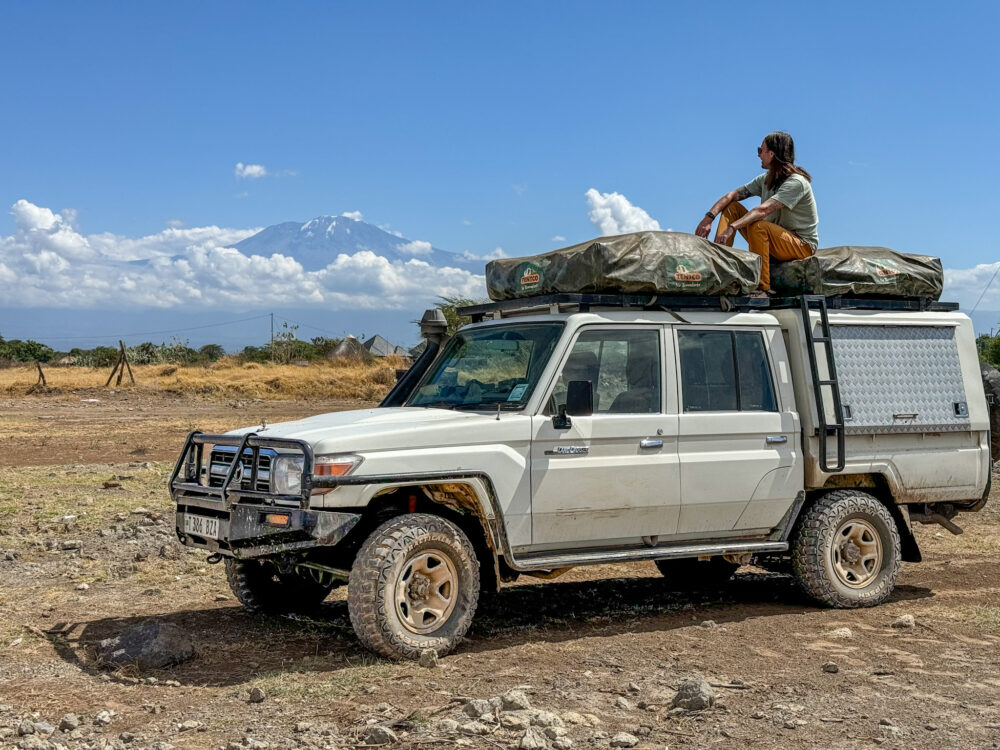
The Toyota Land Cruiser 70 or 80 Series remains the gold standard for East African safaris. Its robust chassis, diesel engine, and high ground clearance handle Mikumi’s worst tracks with ease. If budget allows, always upgrade to a Land Cruiser — it can make the difference between an adventure and a breakdown in the bush. |
3.2 Essential Vehicle Features to Request
- 4-wheel drive (4WD) with low-range gearing
- High ground clearance (minimum 180 mm; 200 mm+ preferred)
- Roof hatch or pop-up roof for photography and game viewing
- Spare tyre (ideally two for remote travel), jack, and tyre repair kit
- Snorkel attachment for river crossings during the wet season
- Long-range fuel tank or sufficient jerry cans (petrol stations are scarce inside the park)
- GPS navigation and/or offline maps (Tanzania topo maps)
- First-aid kit, fire extinguisher, and recovery gear (tow rope, shovel)
- Reliable air conditioning — temperatures exceed 35°C in the dry season
- Fridge/cooler box — essential for storing drinking water and perishables
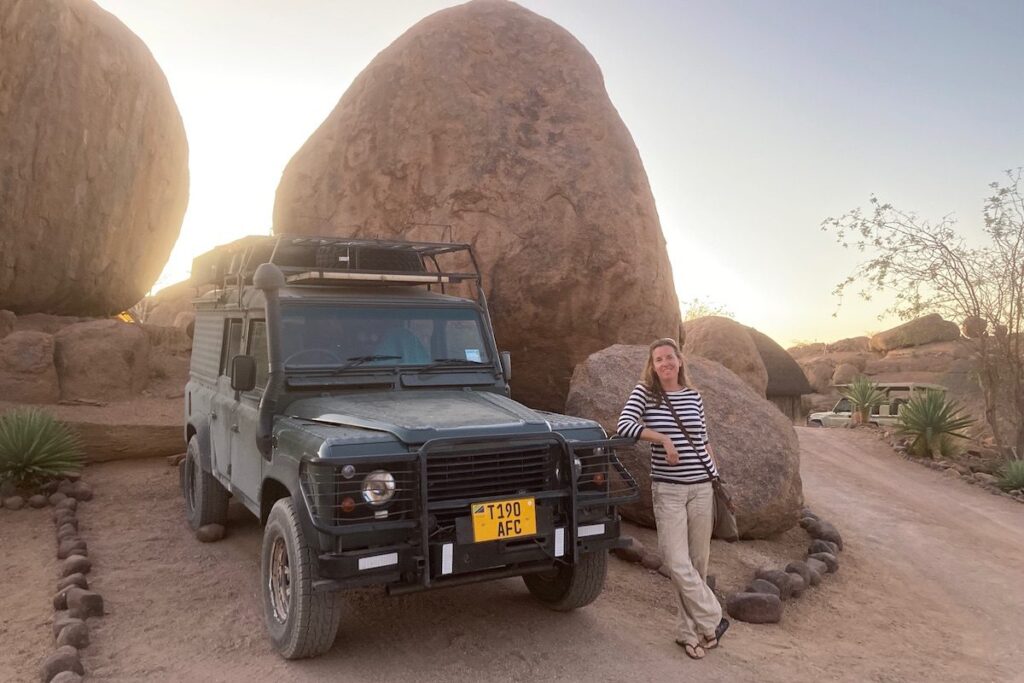
4. Top Car Rental Companies for Mikumi Self-Drive
Several reputable car rental companies in Tanzania specialise in safari vehicles suitable for Mikumi National Park. When choosing a provider, prioritise operators with proven track records in wildlife areas, comprehensive vehicle preparation, and responsive roadside support.
4.1 What to Look for in a Rental Company
- Clear, written rental agreements in English with transparent pricing
- Proof of third-party and comprehensive vehicle insurance specific to national parks
- 24/7 emergency support and a clearly defined breakdown assistance policy
- Recent vehicle maintenance records available on request
- Pre-departure vehicle inspection conducted jointly with the renter
- Flexible pick-up options — Dar es Salaam, Morogoro, or direct to Mikumi gate
- Strong online reviews from verified safari travelers
4.2 Key Rental Hubs
The majority of reputable rental companies are based in Dar es Salaam, Tanzania’s commercial capital. Several also operate out of Morogoro town, approximately 50 km from Mikumi’s northern gate, which can reduce driving time significantly. Some lodges inside the park also facilitate vehicle hire arrangements for arriving guests.
| Pick-Up Location | Distance to Mikumi Gate | Drive Time | Notes |
| Dar es Salaam (Julius Nyerere Airport) | ~283 km | 3–4 hours | Widest vehicle selection |
| Morogoro Town | ~50 km | 45–60 minutes | Convenient, fewer operators |
| Mikumi Township | ~5 km | 10 minutes | Limited availability; book ahead |
| Dodoma | ~230 km | 3 hours | Alternative route from interior |
5. Rental Costs and What’s Included
Understanding exactly what your rental fee covers — and what it excludes — prevents unpleasant surprises. Pricing varies by vehicle type, rental duration, season, and the specific inclusions negotiated with your provider.
5.1 Typical Daily Rental Rates (2025)
| Vehicle | Low Season (Nov–May) | High Season (Jun–Oct) | Weekly Discount |
| Toyota RAV4 (2WD/light 4WD) | $65–$85/day | $80–$100/day | 10–15% |
| Toyota Hilux 4×4 D/Cab | $90–$120/day | $110–$145/day | 10–15% |
| Mitsubishi Pajero 4×4 | $95–$130/day | $115–$150/day | 10–15% |
| Toyota Land Cruiser (Std) | $115–$155/day | $140–$180/day | 12–18% |
| Toyota Land Cruiser (Pop-Up) | $140–$175/day | $160–$200/day | 12–18% |
| Nissan Patrol 7-Seater | $125–$165/day | $150–$195/day | 10–15% |
5.2 Standard Inclusions and Exclusions
| Typically Included | Usually Excluded (Extra Cost) |
| Comprehensive insurance (varies) | Fuel costs |
| Unlimited kilometres (confirm) | Park entrance & conservation fees |
| Roadside assistance | Camping or lodge fees |
| Spare tyre and basic tools | Additional driver fee (if applicable) |
| Vehicle orientation session | Child/baby seat |
| 24/7 support contact | GPS device rental (sometimes charged) |
| Roof hatch (on safari models) | Satellite phone for remote travel |
| Portable cooler box (sometimes) | Personal accident insurance top-up |
| Important: Park Fees Are Not Included in Rental Rates
Tanzania National Parks (TANAPA) charges separate entry fees payable at the gate. As of 2025, standard fees are approximately USD $35–$45 per adult per day and $10–$20 per child per day, plus a vehicle entry fee. Always budget for these costs separately and carry sufficient USD cash or a Visa/Mastercard. |
6. Booking Your Rental Car: Step-by-Step
A smooth self-drive safari begins with a well-organised booking process. Follow these steps to secure the right vehicle and avoid common pitfalls:
- Research and Shortlist: Compare at least three rental companies using online platforms, travel forums (TripAdvisor, SafariBookings), and recommendations from Tanzania safari communities.
- Request a Detailed Quote: Specify your travel dates, pick-up location, approximate mileage, and whether you need any extras (roof tent, camp kitchen, GPS). Ask for a full itemised quote including insurance terms.
- Verify Insurance Coverage: Confirm that the policy covers national park driving, off-road conditions, and third-party liability. Obtain a copy of the insurance certificate before departure.
- Check Driver Requirements: You must hold a valid international driving licence (IDP) alongside your home country licence. Most companies require drivers to be at least 23–25 years of age with a minimum of two years’ driving experience.
- Pay a Security Deposit: Most companies require a refundable deposit of USD $500–$1,500 held on a credit card. Confirm the deposit release timeframe in writing.
- Conduct a Pre-Departure Inspection: Document all existing vehicle damage with photographs before driving off. Ensure both you and the rental agent sign the inspection checklist.
- Collect Emergency Contacts: Save the breakdown assistance number, the park warden’s emergency line, and your accommodation contacts before entering the park.
7. Essential Driving Rules and Safety in Mikumi
Driving inside Mikumi National Park is a privilege, and strict regulations exist to protect both visitors and wildlife. Violating these rules can result in fines, permit revocation, or worse — endangering yourself and the animals you have come to observe.
7.1 TANAPA Driving Regulations
- Speed Limit: Maximum 50 km/h on all park roads; reduce to 25 km/h near water sources and animal crossings.
- Designated Roads Only: Do not drive off established tracks — off-road driving is strictly prohibited and damages fragile ecosystems.
- Night Driving: Driving after sunset and before sunrise is generally prohibited without a special ranger escort. Plan to be at camp or the gate before dark.
- No Hooting or Harassment: Never honk your horn near wildlife, rev your engine aggressively, or make sudden movements that may startle animals.
- Windows and Doors: Keep doors closed and windows rolled up when near predators. Stand up through the roof hatch only when the vehicle is stationary.
- Feeding Wildlife: Feeding any animal — intentionally or accidentally — is a serious offence and can result in immediate expulsion from the park.
- Gate Times: Mikumi’s main gate is typically open from 06:00 to 18:00. Arriving late incurs additional fees and may be refused entry.
- Waste Management: All waste must leave the park with you. Littering is illegal and harmful to wildlife.
7.2 Self-Drive Safety Tips
- Always carry a full tank of fuel before entering — refuelling inside the park is not possible.
- Bring a minimum of 5 litres of drinking water per person per day, plus emergency rations.
- Carry a physical map alongside your GPS — phone signal is unreliable in many parts of the park.
- Inform your accommodation or the park rangers of your planned route each morning.
- Never exit the vehicle in open areas, especially near lions, leopards, elephants, or buffalo.
- If your vehicle breaks down, stay inside, turn on hazard lights, and call your rental company and park rangers immediately.
- Crocodiles and hippos are present near all water bodies — maintain a respectful distance of at least 30 metres.
| Emergency Numbers — Save Before You Enter
TANAPA Mikumi Headquarters: +255 (0) 23 262 0490. Tanzania Wildlife Authority (TAWA): +255 22 212 3851. General Emergency (Police/Fire/Ambulance): 112 (toll-free from any network). Always inform your rental company of your daily itinerary. |
8. Suggested Self-Drive Itineraries
8.1 Weekend Escape (2 Days / 1 Night)
Perfect for Dar es Salaam residents seeking a quick wildlife fix, this compact itinerary maximises game viewing within a tight schedule.
- Day 1 — Depart Dar es Salaam by 05:30 to arrive at Mikumi gate by 09:00. Conduct a full morning game drive on the Mkata Floodplain, targeting lion, buffalo, and elephant. Check in to Mikumi Wildlife Camp or Genesis Camp for lunch and afternoon rest. Evening drive along the river circuit. Sundowner at camp.
- Day 2 — Early morning drive at 06:00 targeting predator activity. Visit the hippo pools before exiting the park by 11:00. Return to Dar es Salaam arriving by 15:00.
8.2 Extended Safari (4 Days / 3 Nights)
This itinerary allows for comprehensive exploration of Mikumi’s diverse zones and provides the best chances for rare wildlife encounters.
- Day 1 — Arrive at Mikumi by mid-morning. Afternoon drive along the Mkata Floodplain. Lion and giraffe spotting near Kilambia Kopjes. Overnight at Tan-Swiss Lodge or Mikumi Safari Camp.
- Day 2 — Full-day circuit exploring the northern sector and miombo woodland. Search for leopard, kudu, and wild dog. Pack a picnic lunch. Evening at hippo pools.
- Day 3 — Early start targeting big cats and large elephant herds. Visit the Mwanambogo Dam area for birdwatching (kingfishers, herons, waders). Afternoon photography session on the open plains at golden hour.
- Day 4 — Final morning drive before checking out by 10:00. Leisurely drive back to Dar es Salaam with a lunch stop in Morogoro town.
9. Accommodation Options for Self-Drive Visitors
Mikumi offers a range of accommodation to suit every budget, from luxury tented camps with panoramic bush views to affordable public campsites operated by TANAPA.
| Accommodation | Type | Price Range (per night) | Key Features |
| Mikumi Wildlife Camp | Tented Camp | $80–$150/person | Central location, pool, park views |
| Tan-Swiss Lodge | Lodge | $100–$180/person | Elevated chalets, excellent food |
| Genesis Camp | Tented Camp | $60–$110/person | Intimate, family-friendly |
| Vuma Hills Tented Camp | Luxury Tents | $200–$350/person | Hilltop panoramas, premium service |
| TANAPA Public Campsite | Campsite | $20–$30/person | Self-catering, basic facilities |
| Mikumi Hotel | Hotel | $40–$80/room | Budget option near gate |
10. Packing List for a Self-Drive Safari
10.1 Vehicle Supplies
- Full spare tyre, jack, wheel brace, and tyre sealant
-
Tow rope, recovery boards, and folding shovel
- Jump-start cables or portable power bank
- Basic tool kit and puncture repair kit
- Petrol jerry can (minimum 10 litres)
- Portable vehicle air compressor
10.2 Personal Essentials
- Sunscreen (SPF 50+), lip balm, and insect repellent (DEET-based)
- Neutral-coloured clothing (khaki, olive, brown) — avoid bright colours and white
- Wide-brimmed hat, UV-protection sunglasses, and lightweight scarf
- Binoculars (8×42 or 10×42 recommended) for wildlife observation
- Camera with telephoto lens (200mm minimum; 400mm+ ideal for birds)
- Valid passport/ID, TANAPA permits, and rental agreement copies
- Anti-malaria medication (consult your physician before travel)
- Personal first-aid kit including rehydration salts, antihistamines, and pain relief
10.3 Food and Water
- Minimum 5 litres drinking water per person per day
- Portable cooler box with ice packs for drinks and perishables
- Ready-to-eat meals and snacks for full-day drives
- Portable gas stove and cookware if camping
11. Park Entry Fees and Permits (2025)
All visitors to Mikumi National Park must pay TANAPA’s official entry and conservation fees. Fees are charged per person per day and must be paid at the main gate. Payment is accepted in USD cash, Tanzanian Shillings, or by Visa/Mastercard at equipped gates.
| Category | Fee (USD) | Notes |
| Non-resident Adult (16+) | $35–$45/day | Varies by season; confirm at gate |
| Non-resident Child (5–15) | $10–$20/day | Under 5: Free |
| East African Resident Adult | $15–$25/day | Requires proof of residency |
| East African Resident Child | $5–$10/day | Requires proof of residency |
| Vehicle Entry Fee (foreign reg.) | $40–$50/entry | Per vehicle; not per day |
| Vehicle Entry Fee (local reg.) | $10–$20/entry | Per vehicle |
| Multi-Day Fee Calculation Example
A family of 2 adults and 2 children (ages 8 and 12) in a foreign-registered 4×4 staying 3 days in Mikumi would pay approximately: Adults: 2 x $40 x 3 = $240 | Children: 2 x $15 x 3 = $90 | Vehicle: $45 (once) | Total Park Fees: ~$375. Always budget 10–15% extra for potential fee adjustments. |
12. Frequently Asked Questions (FAQs)
Q: Do I need a guide for a self-drive safari in Mikumi?
No, a professional guide is not legally required for self-drive visitors in Mikumi National Park. However, first-time visitors often hire an optional park ranger guide at the gate for a day (approximately $20–$40), which significantly enhances wildlife spotting and provides context about the ecosystem. This is highly recommended for those unfamiliar with reading animal behaviour or interpreting tracks.
Q: Is Mikumi safe for solo self-drive travellers?
Mikumi is considered one of Tanzania’s safer parks for solo self-drive visitors, primarily due to its good road network and proximity to inhabited areas. However, all standard safari safety rules apply — never exit the vehicle near wildlife, always carry a charged mobile phone, and inform your accommodation of your daily plans. Women travelling solo should take the same precautions as any solo safari traveller and consider hiring a ranger guide for additional peace of mind.
Q: Can I drive a 2WD car in Mikumi?
During the dry season (June–October), some central park tracks near the Mkata Floodplain are accessible in a high-clearance 2WD vehicle. However, a 4WD vehicle is strongly recommended at all times because conditions can change rapidly, and getting stuck far from assistance in a 2WD is a serious risk. Rental companies that specialise in safari vehicles will rarely supply a 2WD for park driving.
Q: Are there fuel stations in the park?
There are no petrol stations inside Mikumi National Park. Refuel completely in Morogoro, Mikumi township, or Dar es Salaam before entering. The park circuit covers roughly 50–150 km per day depending on your route, so a full tank should be sufficient for most itineraries, but carrying a 10-litre jerry can is always prudent.
Q: What is the best route from Dar es Salaam to Mikumi?
The most direct and well-maintained route is via the A7 (TANZAM) highway westward from Dar es Salaam through Chalinze and Morogoro to Mikumi township. The road is tarmacked throughout and in good condition. Allow 3–4 hours depending on traffic, particularly around Chalinze and Morogoro town during peak hours. Avoid travelling after dark due to slow-moving trucks and occasional livestock on the road.
Q: Can I camp inside Mikumi National Park?
Yes, TANAPA operates public campsites within the park at very affordable rates ($20–$30 per person per night). These offer basic facilities including pit latrines, water points, and fire pits. More developed luxury camps are also available. Camping permits must be booked in advance through TANAPA’s office or online portal, especially during the high season.
13. Environmental Responsibility and Conservation
Every self-drive visitor to Mikumi plays a direct role in the park’s conservation. TANAPA park fees fund anti-poaching operations, habitat management, and community development programmers that are essential to the park’s long-term survival. Beyond paying fees, responsible self-drive visitors commit to the following principles:
- Leave No Trace: All rubbish, food waste, and recyclables must leave the park with you.
- Stay on Designated Tracks: Off-road driving destroys fragile grassland and disrupts nesting areas.
- Respect Animal Space: Maintain a minimum distance of 20 metres from most wildlife; 50 metres from nesting birds and young animals.
- Reduce Noise and Light Pollution: Keep voices low, avoid unnecessary engine revving, and use red-filtered torches at night near wildlife areas.
- Support Local Communities: Purchase locally crafted souvenirs, eat at local restaurants in Mikumi township, and use community-run campsites where possible.
- Report Poaching Activity: If you observe suspicious activity or snares, report it immediately to park rangers or TANAPA headquarters.
Conclusion
Car rental for self-drive in Mikumi National Park represents one of Tanzania’s most rewarding and accessible wildlife adventures. The combination of outstanding game viewing, straightforward road access from Dar es Salaam, a well-developed network of safari tracks, and the unmatched freedom of exploring at your own pace makes Mikumi the ultimate destination for independent travellers and families alike.
By selecting the right vehicle — ideally a well-maintained 4×4 with adequate ground clearance and safari provisions — booking a reputable car rental company with transparent pricing and robust support, and adhering to TANAPA’s regulations, you will be fully equipped for an extraordinary bush experience. Plan your itinerary around the dry season for peak wildlife viewing, budget accurately for park fees and fuel, and embrace the spirit of self-reliance that defines the self-drive safari ethos.
Mikumi awaits. The Mkata Floodplain is alive with lion calls at dawn, elephant herds drift through the miombo at midday, and hippos grunt their chorus at dusk. All you need is the right car, an adventurous spirit, and the open road through Tanzania’s heartland.