Rooftop Tent vs Ground Camping vs Lodge
Rooftop Tent vs Ground Camping vs Lodge, Tanzania is one of Africa’s most celebrated safari destinations, home to the Serengeti’s Great Migration, the snow-capped peak of Mount Kilimanjaro, the wildlife-rich Ngorongoro Crater, and the idyllic beaches of Zanzibar. For travellers planning their Tanzanian adventure, one of the most critical and most personal decisions is how and where to sleep.
Where you lay your head each night profoundly shapes your safari experience. It determines your immersion with the wild, your budget, your comfort level, and the stories you will tell for years to come. Three primary sleeping options dominate Tanzania travel: rooftop tents mounted on self-drive 4×4 vehicles, traditional ground camping at designated sites, and established lodges or permanent tented camps. Each offers a radically different encounter with Tanzania’s landscapes and wildlife.
This guide provides an in-depth comparison of all three options, examining comfort, cost, safety, logistics, seasonal considerations, and the unique experiences each delivers. Whether you are a budget-conscious backpacker, an adventurous overlander, or a traveller seeking world-class luxury in the bush, this article will help you find the sleep style that perfectly matches your Tanzania dream.
Sleeping in a Rooftop Tent
What Is Rooftop Tent Camping in Tanzania?
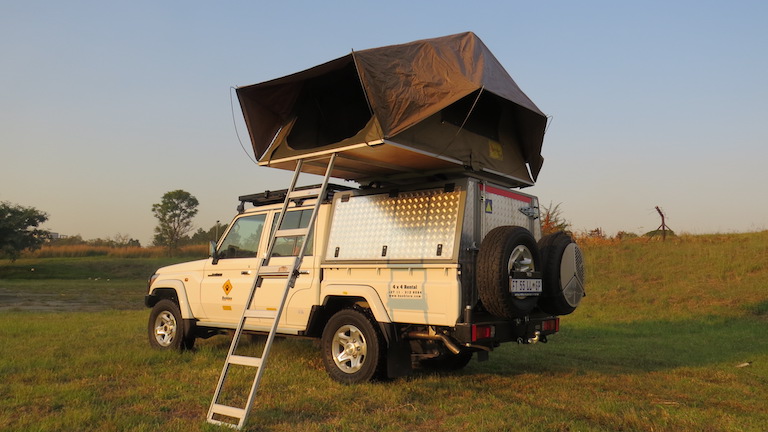
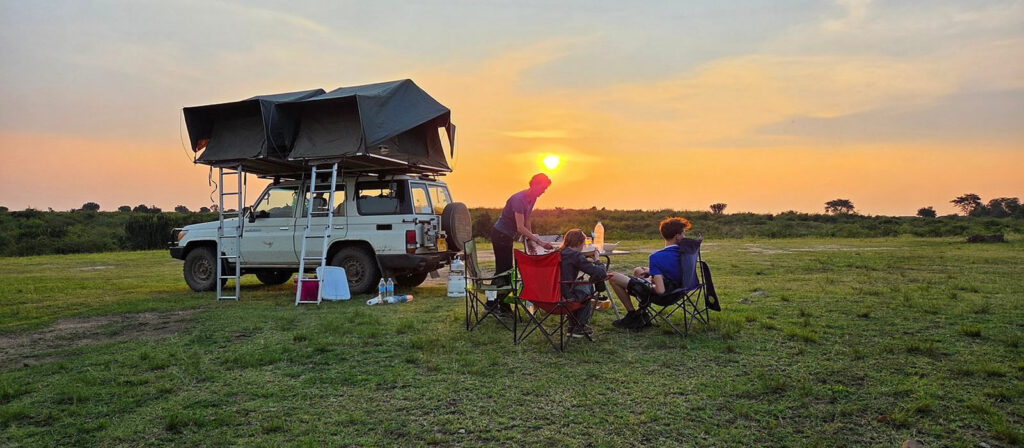
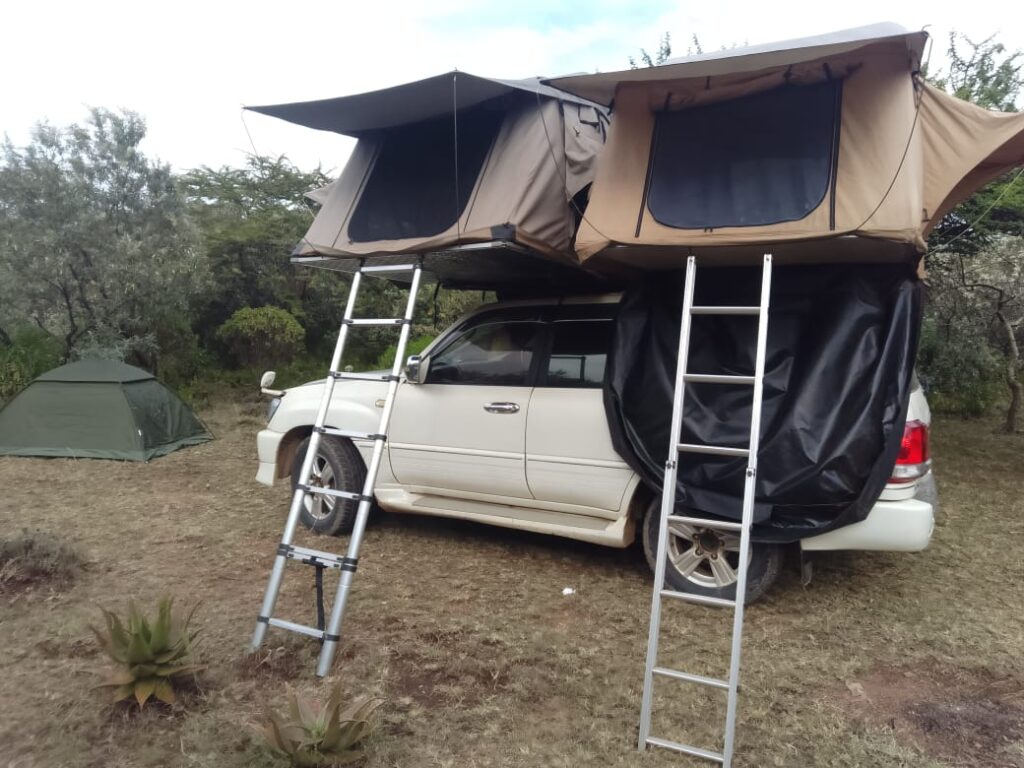
Rooftop tent (RTT) camping involves sleeping in a fold-out tent mounted on the roof rack of a 4×4 vehicle, most commonly a Land Cruiser, Toyota Hilux, or similar overland-capable truck. The tent deploys in minutes from a hard-shell or soft-shell casing, revealing a comfortable sleeping platform 1.5 to 2 metres above ground.
Tanzania’s rooftop tent scene has grown rapidly over the past decade, fuelled by the rise of self-drive safari culture and the global overlanding movement. Rental companies in Dar es Salaam, Arusha, and Moshi now offer fully kitted rooftop tent vehicles complete with camping gear, kitchen equipment, and recovery tools.
The Rooftop Tent Experience
Waking Up in the Wild
Perhaps the greatest appeal of rooftop tent camping in Tanzania is waking up to the sights and sounds of the African bush from an elevated vantage point. Imagine unzipping your tent at dawn on the Serengeti Plains, with a golden horizon stretching endlessly before you, the distant rumble of lions, and the chorus of birds beginning their morning calls. No hotel balcony or lodge deck can quite replicate this feeling.
The elevated position also provides a unique psychological comfort: you are part of the landscape, not sealed behind walls, yet you are above the reach of most nocturnal wildlife that would wander through your campsite on the ground.
Setup and Practicality
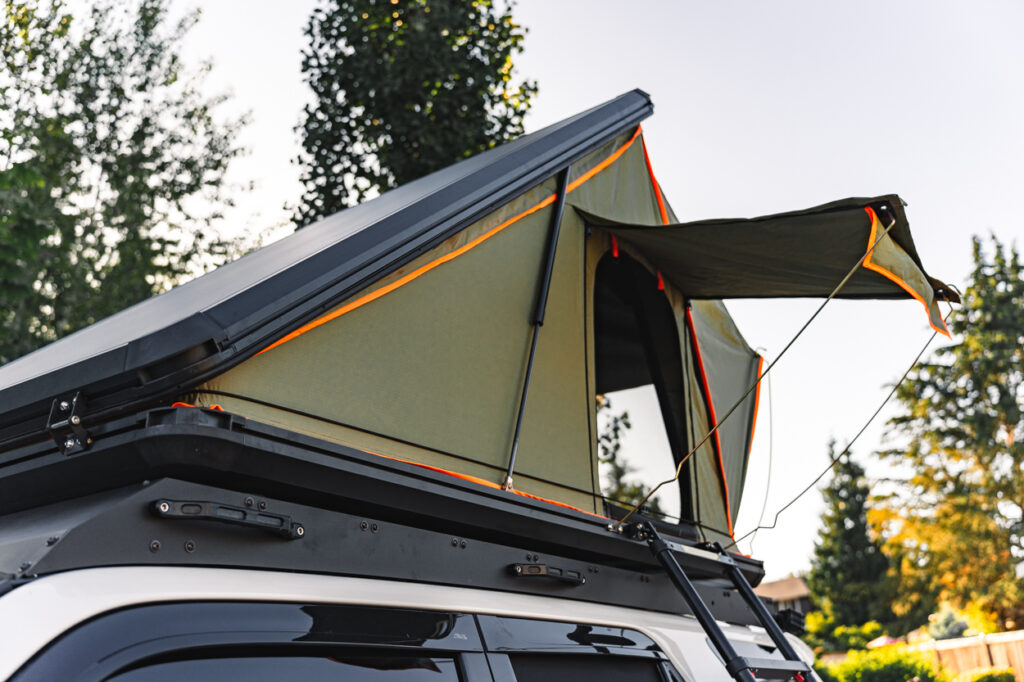
Modern rooftop tents are engineered for efficiency. A quality hard-shell RTT can be fully deployed in under 90 seconds. The integrated mattress means no inflating sleeping pads, and the built-in ladder provides easy access. Many campsites in Tanzania’s national parks and game reserves permit rooftop tent setups at designated spots.
 Comfort and Sleeping Quality
- Mattress Quality: Mattresses in quality RTTs are 60-80mm thick high-density foam, significantly more comfortable than ground sleeping mats.
- Capacity: Most RTTs sleep two adults comfortably; some larger models accommodate a family of three or four.
- Ventilation: Built-in ventilation windows and fly screens allow airflow without insect intrusion.
- Temperature: In the cold highland nights around Ngorongoro or Kilimanjaro foothills, a sleeping bag rated to -5 degrees C is recommended.
- Noise: RTTs are not soundproof: expect to hear everything, including winds, rain, animal calls, and campfires.
Wildlife Safety from a Rooftop Tent
Rooftop tents offer a significant safety advantage over ground tents. Most predators, including lions, leopards, hyenas, and Cape buffaloes, have no instinct or ability to climb to the level of a rooftop tent. The elevated sleeping position means you are less accessible than a ground-level tent, though vigilance remains essential.
Key safety practices when rooftop tent camping in Tanzania include:
- Never leave food inside the vehicle or tent. Use designated food storage areas or lockable cooler boxes.
- Keep your tent fully zipped when sleeping or absent from the vehicle.
- Follow all national park campsite rules, including quiet hours and fire regulations.
- Always scout the campsite terrain before setting up. Avoid low-lying areas susceptible to flooding.
- Invest in a CO detector if using a gas stove. Never cook inside or immediately below the tent.
Cost Breakdown: Rooftop Tent Camping
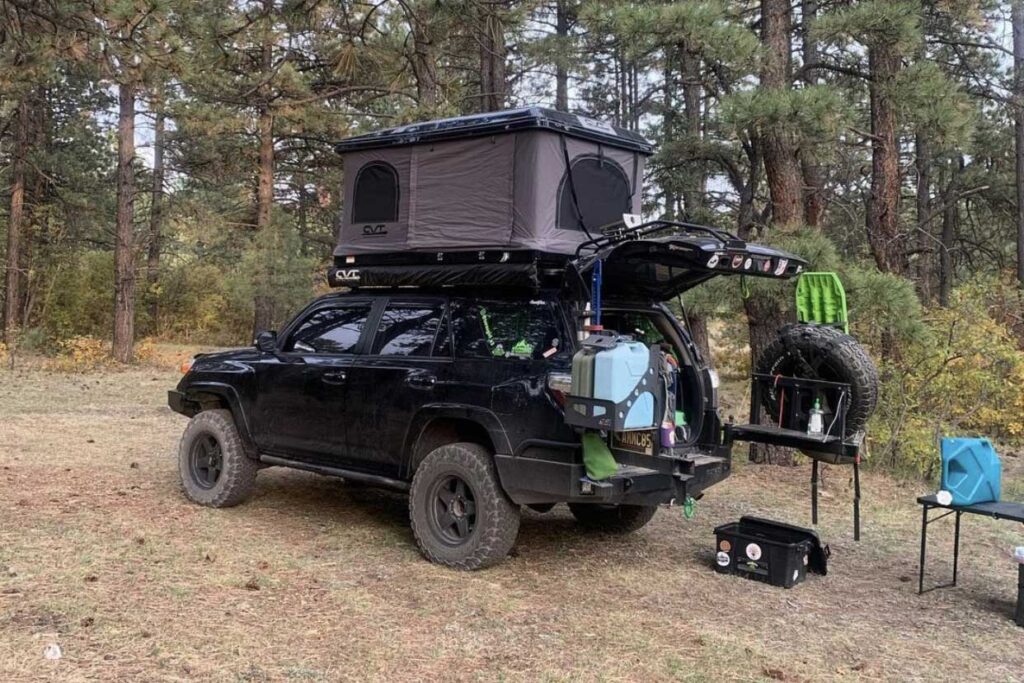
- Vehicle Rental: Self-drive 4×4 rental with RTT: USD $120-$200 per day including vehicle, tent, and basic camping kit.
- Park Campsites: Campsite fees within National Parks (TANAPA): USD $30-$50 per person per night.
- Reserve Campsites: Campsite fees in Game Reserves (TAWA): USD $20-$40 per person per night.
- Private Land: Private campsites outside park boundaries: USD $10-$25 per person per night.
- Food Costs: Food and supplies (self-catered): USD $15-$30 per day.
Total daily spend for a solo traveller with a rented RTT vehicle is approximately USD $165-$280 per day, excluding park entrance fees and fuel.
Best Locations for Rooftop Tent Camping
- Serengeti National Park: Seronera, Ndutu, and the Northern Wilderness Zone offer spectacular public campsites with outstanding wildlife access.
- Ngorongoro Conservation Area: Special campsites on the crater rim and inside the Conservation Area provide extraordinary wildlife proximity.
- Tarangire National Park: Excellent dry-season camping with massive elephant herds and iconic baobab trees.
- Ruaha National Park: Remote, wild, and uncrowded. Perfect for the self-sufficient rooftop camper seeking solitude.
- Lake Manyara National Park: Scenic acacia-forest campsites with tree-climbing lions and flamingo-studded lakeshore.
Pros and Cons: Rooftop Tent
Advantages
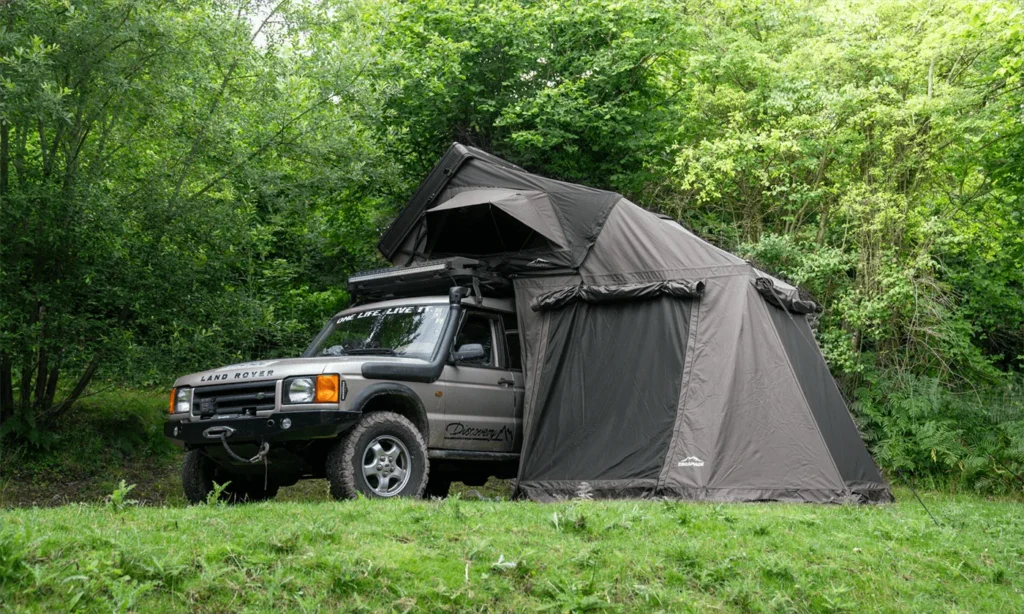
- Maximum flexibility. Sleep wherever you park, on your own schedule.
- Deeply immersive bush experience without total exposure to the elements.
- More affordable than lodges while offering greater comfort than ground camping.
- Self-sufficiency and independence with no booking pressures or fixed itineraries.
- Elevated wildlife safety compared to ground tents.
Disadvantages
- Requires driving confidence in remote, potentially challenging 4×4 terrain.
- Weather dependency: heavy rain transforms dirt tracks into impassable mud.
- Vehicle rental costs can be high for solo travellers.
- Limited privacy at busy public campsites during peak season.
- No room service, cooked meals, or hot showers unless additional equipment is carried.
Ground Camping in Tanzania
The Tradition of Safari Camping
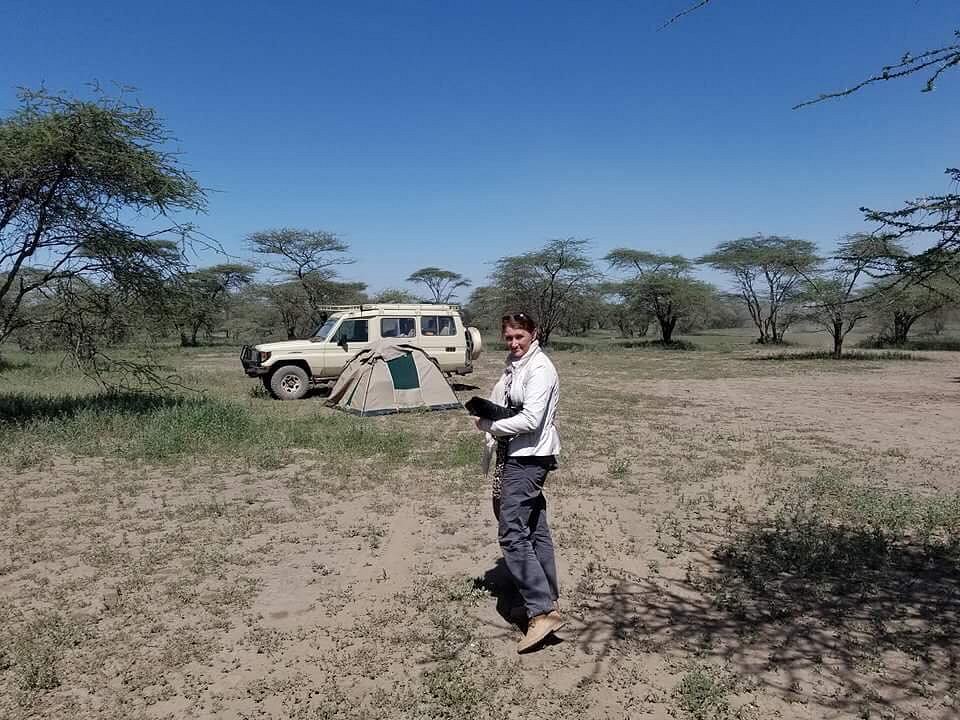
Ground camping, sleeping in a tent pitched directly on the earth, is the most traditional and primal way to experience Tanzania’s wilderness. Long before luxury lodges and elevated camps became fashionable, the first explorers and hunters slept under canvas in the heart of the bush. That same raw, unfiltered experience is still available to today’s travellers who seek maximum immersion in the wild.
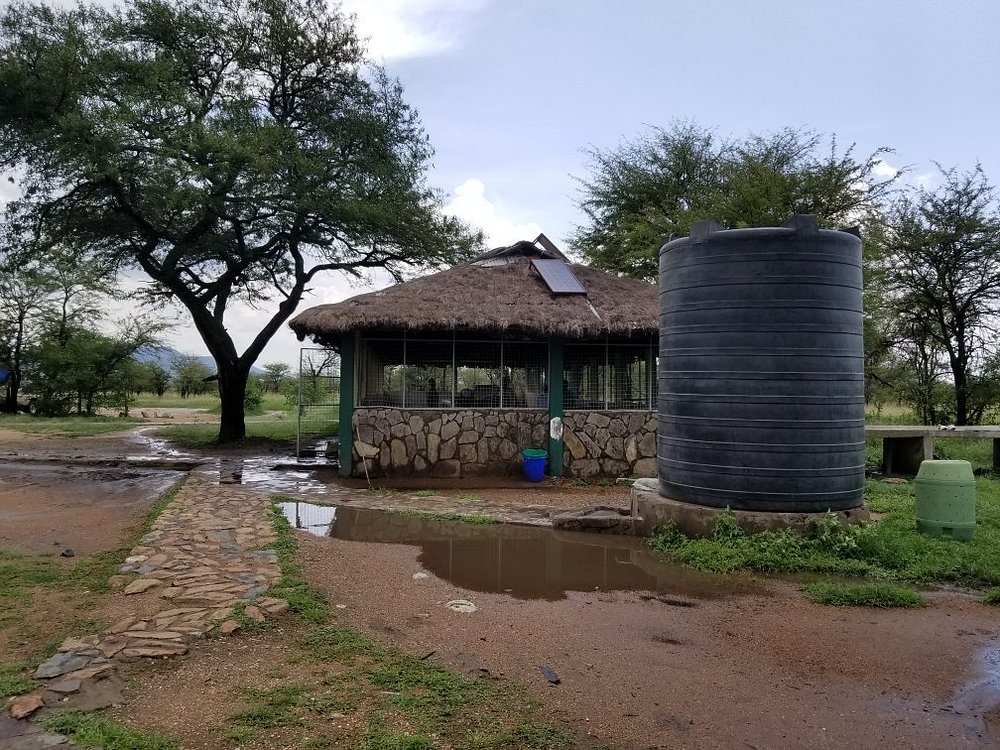
Tanzania’s national parks and game reserves maintain a network of public campsites that are among the most dramatically situated camping grounds on the planet. These are basic sites, often little more than a cleared patch of ground with a long-drop toilet and perhaps a cold water tap, but their locations inside active wildlife zones make them extraordinary.
Types of Ground Camping in Tanzania
Public Campsites (TANAPA and TAWA Sites)
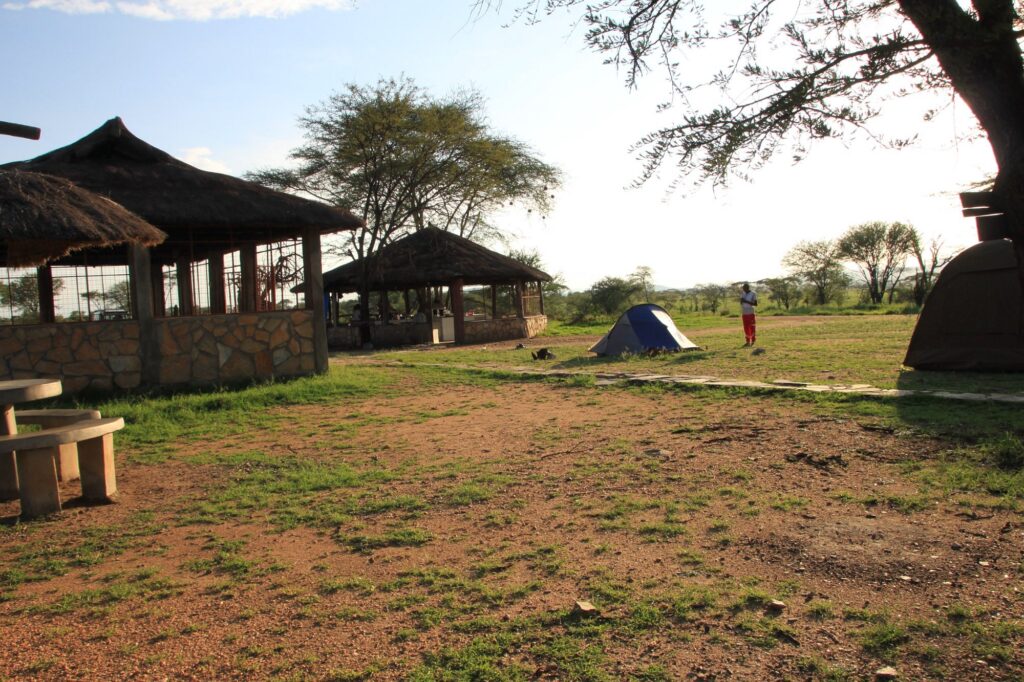
Run by the Tanzania National Parks Authority and the Tanzania Wildlife Authority, public campsites are the most accessible and affordable ground camping option. They exist within most of Tanzania’s major parks and reserves. Facilities are basic: shared toilet blocks, sometimes a tap, and occasionally a cold shower. Expect wildlife to pass through camp at night. This is not an exaggeration; it is simply the reality of camping inside active wildlife areas.
Special Campsites
Special campsites are exclusive, privately booked sites located within national parks. They are typically positioned in extraordinarily scenic or wildlife-rich locations and can only be used by the group that books them. They have no permanent facilities; your crew brings everything. These are the pinnacle of ground camping in Tanzania and come with a premium booking fee.
Private Land Camping
Outside park boundaries, numerous community conservancies, private ranches, and Maasai community lands allow camping. These can offer spectacular wildlife encounters and the cultural experience of sleeping alongside traditional pastoral communities.
The Ground Camping Experience
Nothing prepares you for the exhilaration and vulnerability of sleeping on the ground in African wilderness. When a hippo ambles through your campsite at Katavi National Park at 2 a.m., or when a lion roars from what sounds like ten metres away on the Serengeti, the thin nylon wall of your tent suddenly feels both inadequate and thrillingly irrelevant. You are, in the most elemental sense, part of the ecosystem.
The sensory experience of ground camping is unparalleled: the smell of red African earth, the warmth of a dying campfire, the Milky Way arcing overhead without light pollution, and the symphony of nocturnal insects and distant animal calls. This is wild Africa experienced without a filter.
Safety Considerations for Ground Camping
Ground camping in Tanzania’s wildlife areas demands respect, preparation, and adherence to safety protocols. While incidents are rare when campers follow guidelines, complacency can have serious consequences.
- Night Movement: Never walk between your tent and the toilet block at night without a torch and ideally a second person.
- Food Storage: Keep all food and scented items such as toothpaste, sunscreen, and soap in a sealed vehicle, never in your tent.
- Fire: Maintain a campfire or bright lantern at the edge of camp throughout the night. Many animals are deterred by light and fire.
- Local Knowledge: Listen to your camp staff or park rangers. Local guides possess intimate knowledge of wildlife behaviours in each specific area.
- Wildlife Approach: Never pursue or approach wildlife on foot without experienced guidance, even with small animals.
- Hippo Zones: In hippo country such as Katavi, Selous, and Ruaha riverbanks, be especially vigilant. Hippos are Africa’s most dangerous large animal.
Equipment for Ground Camping in Tanzania
- Tent: A four-season tent rated to high winds is essential on the open Serengeti plains.
- Sleeping Bag: A sleeping bag rated to at least 5 degrees C. Colder rating is better for highland parks.
- Sleeping Mat: A self-inflating or insulated sleeping mat to block ground cold and moisture.
- Lighting: Headlamps with red-light mode for night movement without disturbing wildlife.
- Water: A portable water filter or purification tablets for remote campsites.
- Medical: A comprehensive first aid kit with anti-malaria medication prescribed beforehand.
- Cooking: A portable gas stove and cookset for self-catered meals.
Cost of Ground Camping in Tanzania
- Park Fees: Public campsite fees: USD $20-$50 per person per night within national parks.
- Special Sites: Special campsite fees: USD $50-$100 per site per night for exclusive bookings.
- Equipment: Equipment rental (tent, sleeping bag, mat): USD $15-$30 per day if not owned.
- Food: Food (self-catered): USD $10-$20 per day.
- Total: Total daily cost excluding park entrance fees: approximately USD $45-$120 per person.
Best Locations for Ground Camping
- Serengeti National Park: Seronera Campsite and the remote Northern Special Sites offer unmatched Great Migration viewing.
- Ngorongoro Crater: Simba Campsite on the crater rim is legendary. Wake to views over one of the world’s greatest wildlife spectacles.
- Katavi National Park: One of Tanzania’s most remote parks. Hippo-rich floodplains and massive buffalo herds await.
- Nyerere (Selous) National Park: Boat-safari access and vast wilderness. The Rufiji River campsites are extraordinary.
- Gombe Stream National Park: Ground camping near chimpanzee research sites for a uniquely intimate primate experience.
Pros and Cons: Ground Camping
Advantages
- The most immersive and authentic safari sleeping experience available.
- Most affordable option for park-based nights in Tanzania.
- Special campsites offer exclusive wilderness locations inaccessible to large tour groups.
- Complete sensory connection with the environment, including sounds, smells, and stars.
- Lightweight and adaptable for multi-day hiking on Kilimanjaro and Mahale Mountains.
Disadvantages
- Ground-level exposure to wildlife presents inherent risks if protocols are not followed.
- Basic or absent facilities at most public campsites.
- Weather can be severe. Serengeti rains flood camps; highland cold is intense.
- Requires significant logistical planning and equipment investment.
- Can be physically demanding for older travellers or those with mobility limitations.
Sleeping in a Lodge or Tented Camp
Tanzania’s World-Renowned Accommodation Scene
Tanzania’s lodge and tented camp sector is one of the finest in Africa, ranging from simple guesthouses on the periphery of national parks to iconic luxury camps that have hosted heads of state, celebrities, and royalty. The country’s accommodation industry has evolved over more than a century of safari tradition and today offers extraordinary options at virtually every price point.
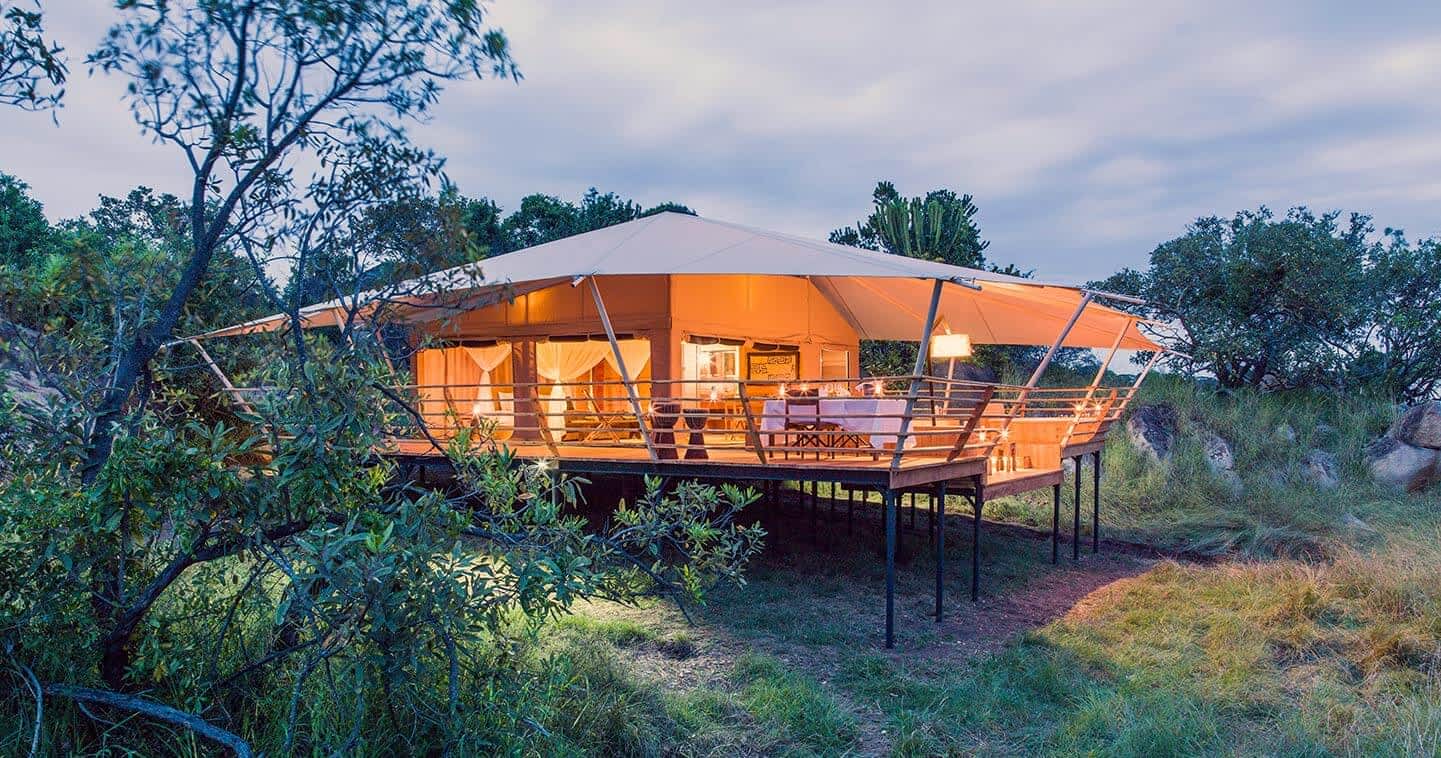
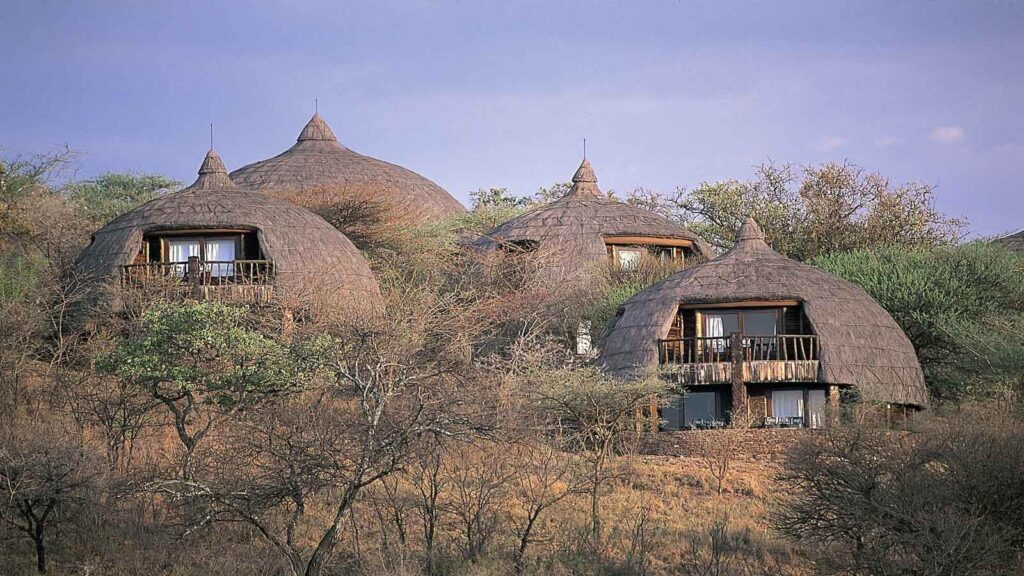
The distinction between a lodge and a tented camp matters in Tanzania. A lodge is a permanent structure built in or near wildlife areas. A tented camp uses large canvas structures, typically East African-style tents on raised wooden platforms, which may be permanent or seasonally erected. Many tented camps offer a level of luxury that rivals conventional five-star hotels, complete with private plunge pools, four-poster beds under canvas, and butler service.
The Lodge Experience in Tanzania
Arrival and Atmosphere
Arriving at a quality Tanzania lodge after a day’s game drive delivers a particular kind of pleasure. Cool towels and welcome drinks greet you. Bush-scented candles flicker. Knowledgeable staff explain the afternoon’s activity schedule. The lodge is almost always positioned for maximum wildlife viewing, overlooking a waterhole, a river bend, or an open plain. Architecture typically embraces the landscape with open-sided dining areas, infinity pools vanishing into the savannah, and rooms whose floor-to-ceiling glass frames living wildlife tableaux.
Meals and Service
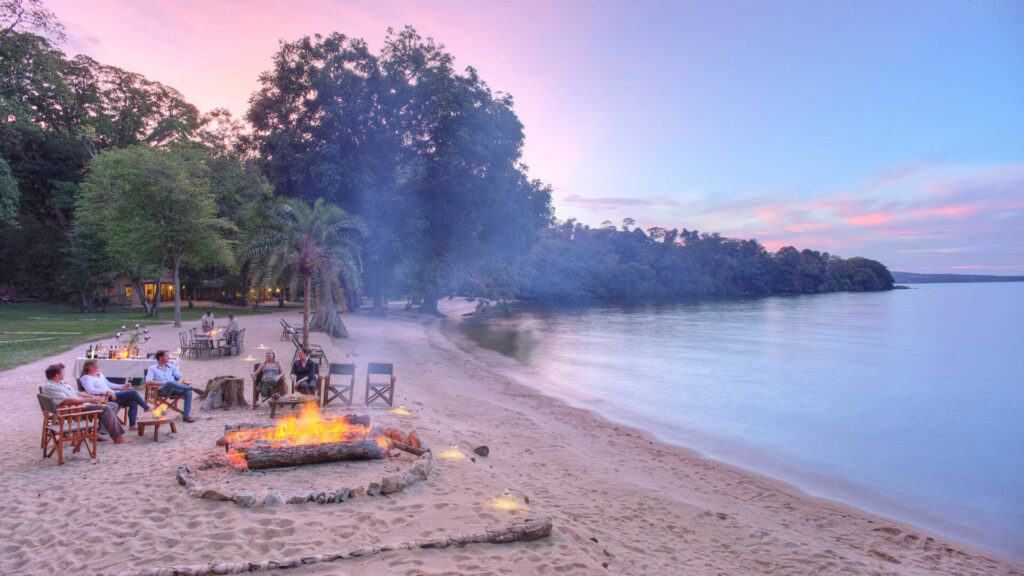
Food at Tanzania’s mid-range and luxury lodges is consistently excellent. Breakfast spreads feature fresh tropical fruits, local honey, eggs prepared to order, and strong Tanzanian coffee. Bush dinners, lantern-lit tables in the open air surrounded by the sounds of the night, are among the most memorable dining experiences in Africa. Many lodges source produce from community gardens and local farmers, supporting surrounding communities while delivering seasonal, fresh cuisine.
Categories of Tanzania Lodges and Camps
Budget Lodges and Bandas
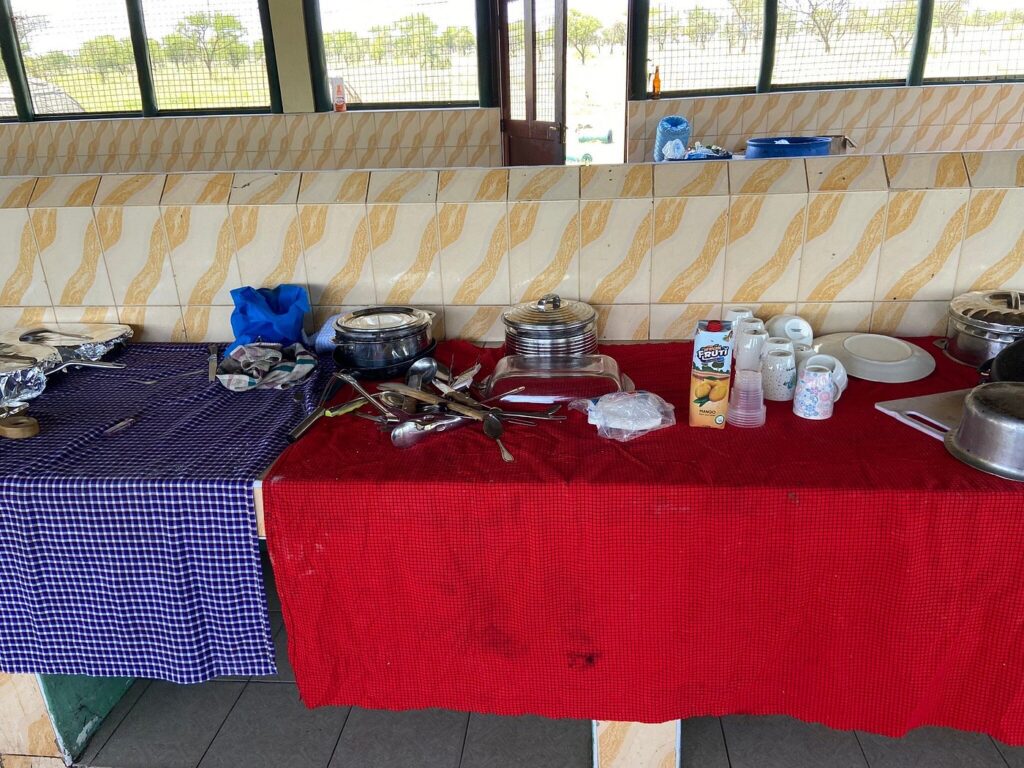
Budget-friendly accommodation options exist near most national parks, typically just outside park boundaries in gateway towns such as Arusha, Moshi, Karatu, and Mikumi. These include simple guesthouses, family-run bandas (self-contained rondavel-style rooms), and modest lodges offering clean rooms, meals, and basic amenities for USD $80-$150 per person per night.
Mid-Range Lodges
Tanzania’s mid-range lodges, typically USD $150-$400 per person per night on a full-board basis, offer comfortable en-suite rooms, swimming pools, guided game activities, and reliable service. Properties like Serengeti Serena Safari Lodge, Ngorongoro Sopa Lodge, and Tarangire Safari Lodge represent excellent value at this tier, with professional guiding, well-appointed rooms, and strong park access.
Luxury Lodges and Tented Camps
Tanzania’s luxury tier is internationally renowned and, in many cases, ranks among the finest wildlife accommodation on earth. Properties like Four Seasons Safari Lodge Serengeti, &Beyond Ngorongoro Crater Lodge, Singita Grumeti, and Nomad Tanzania’s Sand Rivers Selous set global benchmarks for bush hospitality. Rates begin at USD $600 per person per night and can exceed USD $1,500, prices that include accommodation, all meals, premium beverages, guided game activities, park fees, and laundry service.
What distinguishes Tanzania’s top-tier lodges is not merely comfort, but the quality and depth of the guiding, conservation work, and community engagement. Leading luxury operators invest heavily in anti-poaching initiatives, community development, and conservation research, meaning that staying at a premium lodge often represents a meaningful contribution to Tanzania’s wildlife and communities.
Iconic Lodge Locations
- Serengeti National Park: Dozens of lodges and camps range from mobile migration camps to permanent properties in the central Seronera valley.
- Ngorongoro Crater: Lodges perched on the crater rim offer surreal sunrise views over the world’s largest intact volcanic caldera.
- Zanzibar Archipelago: Stone Town’s historic hotels and the island’s luxury beach resorts combine coastal paradise with Swahili architectural heritage.
- Mahale Mountains: Greystoke Mahale and similar chimpanzee-trekking camps are accessible only by boat or light aircraft.
- Pemba and Mafia Islands: Exclusive dive resorts cater to serious underwater explorers seeking Tanzania’s lesser-known marine paradise.
Comfort, Facilities, and Amenities
- Bathrooms: En-suite bathrooms with hot showers. At luxury tier, outdoor bush showers and soaking tubs are standard.
- Power: Full electricity, solar at many eco-lodges, for charging devices and operating fans or air conditioning.
- Connectivity: High-speed Wi-Fi at most lodges, though some deliberately limit connectivity for a digital detox.
- Culture: Curated libraries, local artwork, and cultural interpretation programmes.
- Wellness: Swimming pools, spa treatments, and yoga decks at mid to luxury tier.
- Family: Children’s programmes, family rooms, and triple-occupancy options.
Game Activities from a Lodge Base
Staying in a lodge does not mean sacrificing wildlife proximity. All lodges in Tanzania’s national parks include guided game drives led by trained and licensed naturalists. Luxury lodges often feature private vehicles so your group is never mixed with strangers. Additional activities available from lodge bases include:
- Hot air balloon safaris at dawn over the Serengeti, one of Africa’s most iconic experiences.
- Bush walks with armed ranger escorts where permitted.
- Night game drives in areas that allow them, including Selous and Ruaha.
- Boat safaris on the Rufiji River, Lake Manyara, and Lake Victoria.
- Cultural visits to Maasai bomas and community development projects.
- Specialist photography safaris with dedicated photo vehicles and expert guides.
Pros and Cons: Lodge or Tented Camp
Advantages
- Maximum comfort, safety, and service. Ideal for first-time safari-goers and families.
- Expert guiding from resident naturalists with intimate local knowledge.
- Conservation contributions are embedded in the pricing model of leading operators.
- No logistical burden. Meals, activities, and transfers are managed for you.
- Accessible for all ages and fitness levels, including elderly travellers.
Disadvantages
- Significantly higher cost, particularly at luxury and ultra-luxury tiers.
- Less spontaneous itinerary flexibility. Transfers and bookings are pre-scheduled.
- Can feel somewhat insulated from the raw, unmediated bush experience.
- Peak season availability in premium locations requires 12 or more months advance booking.
- Some lodges restrict independent exploration outside guided activities.
Side-by-Side Comparison
The table below summarises the key attributes of each accommodation style to help you make an informed decision for your Tanzania safari.
| Category | Rooftop Tent | Ground Camping | Lodge / Camp |
| Cost / Night | $30-$80 (self-drive) | $10-$50 (site fee) | $80-$1,500+ |
| Comfort Level | Medium | Low to Medium | High to Luxury |
| Wildlife Safety | Very High | Moderate | Maximum |
| Flexibility | Maximum | High | Limited |
| Setup Required | Minimal (90 sec) | Moderate | None |
| Immersion Level | Very High | Maximum | Moderate |
| Best For | Self-drive overlanders | Budget adventurers | Comfort seekers |
| Guiding Included | Self-guided | Optional | Yes (expert guides) |
| Meals | Self-catered | Self-catered | Full board |
Seasonal Considerations
The Long Dry Season: June to October
This is Tanzania’s peak safari season and the optimal period for all three accommodation styles. Vegetation thins out, wildlife concentrates around permanent water sources, and roads are at their most accessible for self-drive campers. Rooftop tent campers will find the best conditions during this window. Lodges are at full capacity and command premium rates; book well in advance.
The Short Rains: November to December
The short rains bring unpredictable afternoon showers and fresh green landscapes. Ground camping can be challenging with muddy sites, but temperatures are pleasant and lodges offer excellent shoulder-season value. RTT camping is feasible on well-maintained tracks but requires more careful route planning. The Serengeti’s southern areas begin to receive the Great Wildebeest Migration calving herds during this period.
The Long Rains: March to May
The long rain season is the least favoured period for ground camping and RTT camping in Tanzania. Many dirt tracks become impassable, public campsites can flood, and insect activity peaks. However, permanent lodges often offer dramatic discounts of 30-50% during this period. The landscape is lushly beautiful, birding is exceptional, and most lodges are uncrowded, creating an intimate experience for those willing to accept the logistical challenges.
The Short Dry Season: January to February
This brief dry period coincides with the Great Migration’s calving season in the Ndutu area of the southern Serengeti, making it an outstanding time for all accommodation styles. Ground camping at Ndutu’s special campsites during the calving season offers once-in-a-lifetime encounters with predators and newborn wildebeest alike. Temperatures are warm but manageable.
Part 6: Choosing the Right Option for You
The Adventurous Self-Driver
If you have 4×4 driving experience, enjoy logistical independence, and are comfortable navigating remote terrain, a rooftop tent safari is arguably the most rewarding way to experience Tanzania. You set your own agenda, linger at sightings for as long as you wish, and discover off-the-beaten-track campsites that tour groups never visit. Rent a well-maintained Land Cruiser from a reputable Arusha or Dar es Salaam outfitter, pack your camp kitchen, and design your own dream route.
The Budget Traveller
For those on a tight budget who still want authentic wildlife encounters, ground camping at public campsites is the answer. Tanzania’s public campsites sit inside active wildlife zones at a fraction of lodge costs. Joining an organised camping safari group is an excellent way to share vehicle costs, guiding, and equipment while benefiting from a professional camp cook. Several operators in Arusha offer 8-14 day group camping safaris covering the northern circuit for USD $1,200-$2,500 per person.
The Comfort Seeker or First-Timer
If this is your first safari, if you are travelling with young children or elderly family members, or if physical comfort is non-negotiable, choose a lodge. Tanzania’s mid-range lodges offer extraordinary value: expert guiding, excellent food, clean en-suite rooms, and reliable wildlife encounters at accessible price points. A week-long northern circuit safari in mid-range lodges typically costs USD $3,500-$6,000 per person including park fees and activities.
The Luxury Traveller
Tanzania’s finest lodges and camps rank among the world’s great travel experiences. If budget is not a constraint, properties like Singita Grumeti, &Beyond Klein’s Camp, or Nomad Tanzania’s Lamai Serengeti deliver safari experiences that are genuinely transformative. Six nights at a luxury lodge with the right operator can cost USD $10,000-$15,000 per person, encompassing every element of a perfectly curated wilderness encounter.
The Mixed-Approach Safari
Many experienced Tanzania travellers advocate combining accommodation styles: rooftop tent or ground camping nights at the most dramatic and remote sites, combined with lodge stays where wildlife density and guiding expertise are most valuable. A typical mixed itinerary might include two nights of special campsite ground camping on the Serengeti plains, three nights in a well-positioned mid-range lodge at Ngorongoro, and two nights in a luxury tented camp at Tarangire, delivering the full spectrum of Tanzanian accommodation experiences in a single safari.
Practical Tips and Recommendations
Booking and Planning
- Book all accommodation at least six months in advance for the June-October peak season. Luxury lodges and special campsites fill 12-18 months ahead.
- For public campsites within TANAPA parks, book through the official TANAPA online portal or through a registered tour operator.
- For rooftop tent vehicle rentals, use established Arusha or Dar es Salaam-based operators with verifiable track records.
- Travel insurance covering emergency evacuation is essential for all accommodation styles in remote Tanzania wilderness.
Health and Malaria
- Tanzania is a malaria-endemic country. Begin anti-malarial prophylaxis as prescribed by your travel health physician before departure.
- Use high-DEET insect repellent, wear long sleeves and trousers at dawn and dusk, and ensure your tent or lodge room is properly screened.
- Carry oral rehydration salts, sunscreen of at least SPF 50, and a high-quality water purification method.
- For remote campsites, know the location of the nearest airstrip and the contact number for emergency evacuation services such as AMREF Flying Doctors.
Conservation and Responsible Travel
- Follow Leave No Trace principles at all campsites. Carry out all waste and avoid disturbing vegetation.
- Never bribe wildlife rangers or park staff, and report wildlife crime to the Tanzania Wildlife Authority.
- Support lodges and operators with verified community development and anti-poaching programmes.
- Maintain a minimum 25-metre distance from wildlife and never cut off an animal’s path of movement.
- Buy local crafts, hire local guides, and eat at locally owned restaurants to support Tanzania’s communities.
Conclusion
Tanzania is a country of extraordinary landscapes, extraordinary wildlife, and extraordinary diversity of experience. The decision of how to sleep, whether elevated in a rooftop tent beneath the Milky Way, pressed against the earth in a ground tent with lions calling nearby, or cosseted in the elegance of a world-class lodge, is ultimately a deeply personal one shaped by your budget, your temperament, your travel companions, and your appetite for adventure.
What unites all three sleeping styles is Tanzania itself: the endless Serengeti sky, the density of wildlife that still staggers even the most seasoned travellers, the warmth and generosity of the Tanzanian people, and the sense that you are sleeping in one of the last truly wild places on earth. Whichever canvas or bed you choose, Tanzania will leave its mark on you.
Choose your sleep, prepare well, and go. East Africa’s greatest stage awaits.