Special camp site in Serengeti National Park : The Call of the Wild Serengeti
The Serengeti National Park, a UNESCO World Heritage Site sprawling across 14,763 square kilometers of northern Tanzania, is widely regarded as one of the greatest wildlife spectacles on Earth. Home to the legendary Great Migration — the annual movement of over 1.5 million wildebeest, 200,000 zebras, and 500,000 Thomson’s gazelles — the Serengeti offers an unparalleled encounter with nature in its most raw and magnificent form.
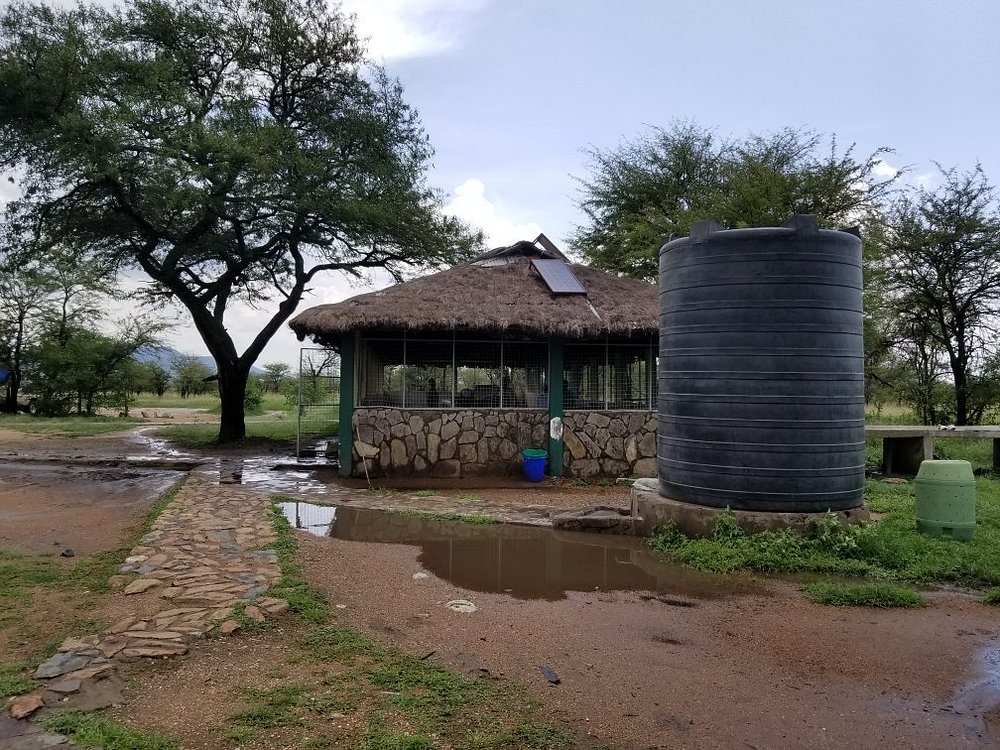
While the park offers various accommodation options ranging from luxury lodges to standard public campsites, nothing quite compares to the intimate, exclusive, and profoundly immersive experience of staying at a Special Campsite. These are the Serengeti’s best-kept secret — private, remote, and deliberately positioned to put you at the very heart of the wilderness, far from the crowds and close to the animals that make this ecosystem legendary.
This comprehensive guide explores everything you need to know about Special Campsites in Serengeti National Park — what they are, where they are located, what to expect, how to choose the right one, and how to plan a seamless trip that will leave you with memories to last a lifetime.
What Are Special Campsites in Serengeti?
Special Campsites, also known as Exclusive or Private Campsites, are designated wilderness camping areas within Serengeti National Park that can be reserved exclusively for a single group or operator at a time. Unlike the public campsites (known as ordinary campsites) which are shared among multiple travellers and parties, Special Campsites offer total privacy in carefully selected locations across the park’s diverse ecosystems.
Managed and regulated by the Tanzania National Parks Authority (TANAPA), Special Campsites are characterized by several defining features:
- Exclusive Use: Only one group can use a Special Campsite at any given time, ensuring complete privacy.
- No Permanent Structures: These sites have minimal to no permanent infrastructure — they are true bush camping experiences.
- Strategic Locations: Sites are placed in ecologically significant, scenically outstanding, or wildlife-rich zones not typically accessible to general tourists.
- Carry-In, Carry-Out Policy: Campers must bring all supplies including tents, food, water, and cooking equipment, and must take all waste out.
- Limited Availability: The number of Special Campsites in the park is strictly controlled to minimize environmental impact.
Why Choose a Special Campsite Over Other Accommodation?
The Serengeti offers a wide range of accommodation options, from ultra-luxury tented camps and lodges to budget-friendly public campsites. So why should travellers consider a Special Campsite? The answer lies in the quality, intimacy, and authenticity of the experience.
1. Unmatched Exclusivity and Privacy
At a Special Campsite, the Serengeti belongs to you and your group alone. There are no neighbours, no shared facilities, and no intrusion from other parties. Whether you are a couple on a romantic safari, a family seeking adventure, or a group of friends celebrating a milestone, the sense of having this ancient landscape all to yourself is genuinely transformative.
2. Proximity to Wildlife
Special Campsites are often positioned in areas teeming with wildlife — near seasonal rivers, migration corridors, kopjes (rocky outcrops), or open plains where predators hunt. Waking up to the sound of lions roaring in the distance, watching elephants pass metres from your tent at dusk, or falling asleep to the haunting call of hyenas is the kind of experience that defines the Special Campsite offering.
3. Authentic Bush Atmosphere
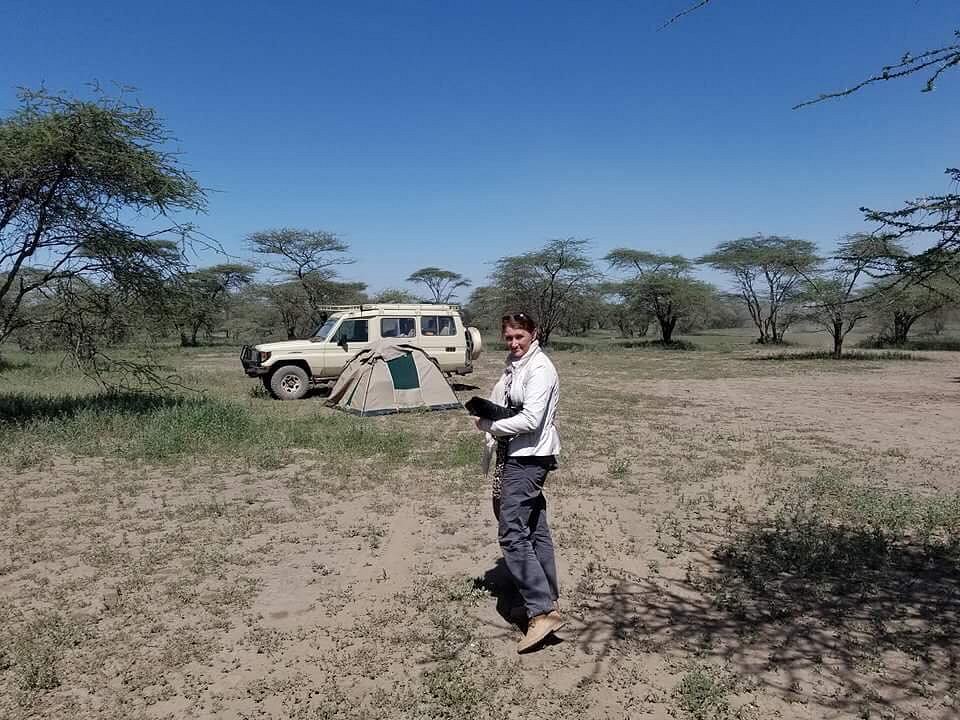
Unlike lodges and luxury camps with their elevated platforms, fences, and curated ambiance, a Special Campsite places you directly in the bush — on the same ground as the animals, under the same open sky, breathing the same dust-scented air. This rawness and authenticity is deeply valued by those who seek a genuine connection with nature.
4. Flexibility and Customisation
With a Special Campsite, you set the schedule. You decide when to go on game drives, when to have meals, when to sit around the campfire and stargaze. Mobile safari operators who use Special Campsites often design highly personalised itineraries that move with the wildlife — following the migration, tracking specific species, or exploring remote corners of the park rarely visited by others.
5. Exceptional Value for Groups
While the nightly fees for a Special Campsite may seem significant at first glance, when split among a group, the cost per person often compares favourably with luxury lodge rates — while delivering a far more exclusive and intimate experience.
Key Special Campsite Locations in the Serengeti
The Serengeti is divided into several distinct regions, each offering different landscapes, ecosystems, and wildlife concentrations. Special Campsites are distributed across these regions to allow visitors to experience the park’s full diversity. Below is an overview of the major areas where Special Campsites are located:
| Region | Best Season | Key Wildlife | Highlights |
| Seronera (Central) | Year-round | Lions, leopards, cheetahs, hippos | Heart of the park; best all-round game viewing |
| Northern Serengeti (Lamai/Kogatende) | Jul – Oct | Wildebeest crossing, crocodiles | Mara River crossings; dramatic migration scenes |
| Southern Serengeti (Ndutu Area) | Dec – Mar | Wildebeest calving, hyenas, wild dogs | Calving season; predator concentrations |
| Western Corridor (Grumeti) | May – Jun | Hippos, crocodiles, colobus monkeys | Grumeti River crossings; remote wilderness |
| Eastern Serengeti (Loliondo Area) | Jun – Oct | Elephants, buffalos, diverse birdlife | Less-visited; pristine landscapes |
Regions in Detail: A Closer Look
Seronera — The Beating Heart of the Serengeti
Located in the central zone of the park, Seronera is the most accessible and arguably the most wildlife-rich region of the Serengeti. The Seronera River Valley provides a permanent water source that attracts wildlife year-round, making it an ideal location for Special Campsites. Visitors can expect extraordinary leopard sightings — Seronera has one of the highest leopard densities in Africa — as well as lion prides, cheetah coalitions, vast herds of buffalo, and hundreds of bird species.
Special Campsites in the Seronera region offer the advantage of being close to the park headquarters and infrastructure while still delivering a private, immersive experience. They are particularly recommended for first-time Serengeti visitors who want the full wildlife experience without venturing too deep into the park.
Northern Serengeti — The Drama of the River Crossings
For sheer dramatic spectacle, nothing in the natural world rivals the wildebeest river crossings at the Mara River in northern Serengeti. Between July and October, hundreds of thousands of wildebeest and zebra gather on the southern banks of the Mara River, building courage before launching themselves into the crocodile-filled waters in a frenzied, chaotic, and breathtaking crossing.
Special Campsites in the Kogatende and Lamai areas place guests within minutes of the best crossing points. Staying here during peak migration season (July to August) is a once-in-a-lifetime experience that no lodge or standard campsite can replicate. The camps are often small and intimate, and the sense of being camped in the middle of one of nature’s greatest events is profoundly moving.
Southern Serengeti (Ndutu) — The Circle of Life
From December to March, the wildebeest migration moves to the short-grass plains of the southern Serengeti and the Ndutu area (which falls partly within Ngorongoro Conservation Area). This is calving season — approximately 8,000 calves are born every day during the peak period — and the concentration of predators that follows is staggering.
Special Campsites in the Ndutu region offer front-row seats to cheetah hunts, lion pride interactions, hyena clan activity, and the remarkable sight of newborn wildebeest taking their first steps within minutes of birth. For wildlife photographers and naturalists, this region during calving season rivals any wildlife experience on the planet.
Western Corridor — Remote and Wild
The Western Corridor stretches along the Grumeti River, which the migration crosses in May and June on its northward journey. This part of the park receives fewer visitors than the central and northern zones, making it an excellent choice for those seeking true remoteness and exclusivity.
The Grumeti River is famous for its enormous Nile crocodiles — some of the largest in Africa — which lie in wait as the wildebeest cross. The riverine forests along the Grumeti also harbour a unique species, the black-and-white colobus monkey, rarely seen elsewhere in the Serengeti ecosystem. Special Campsites here offer exceptional birding, superb predator sightings, and an atmosphere of genuine remoteness.
What to Expect at a Special Campsite
The Campsite Setup
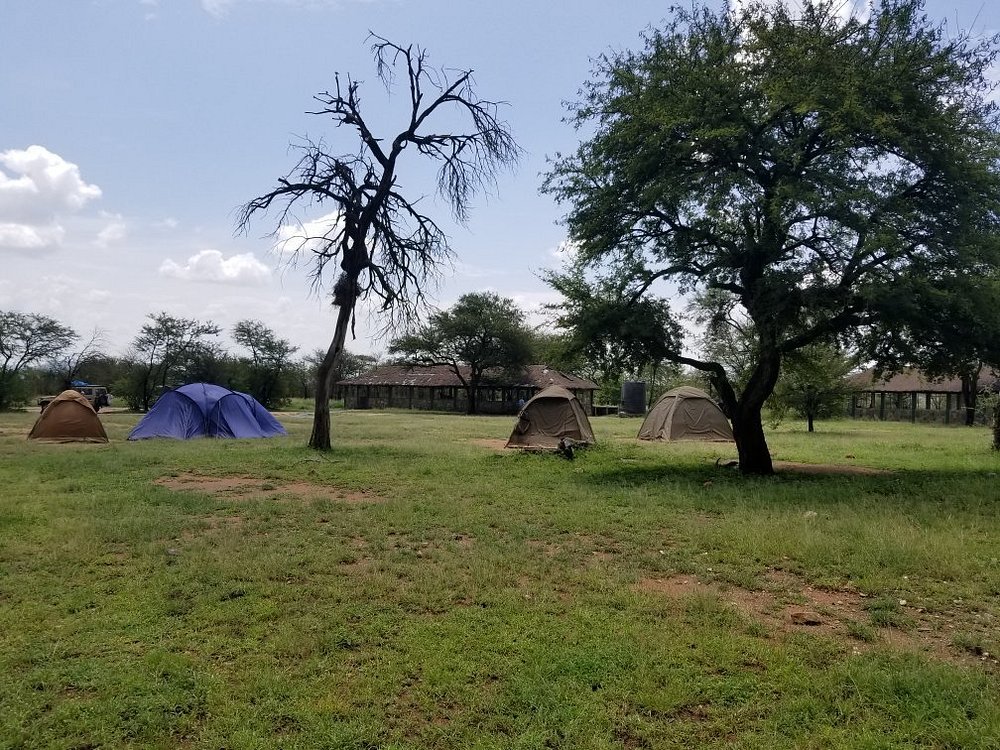
Special Campsites in the Serengeti are primitive wilderness sites. They have no permanent structures — no buildings, no fixed toilets, no electricity grid, and no running water. What you find on arrival depends entirely on what your safari operator or camp crew has set up. A well-organised mobile safari operation will typically provide:
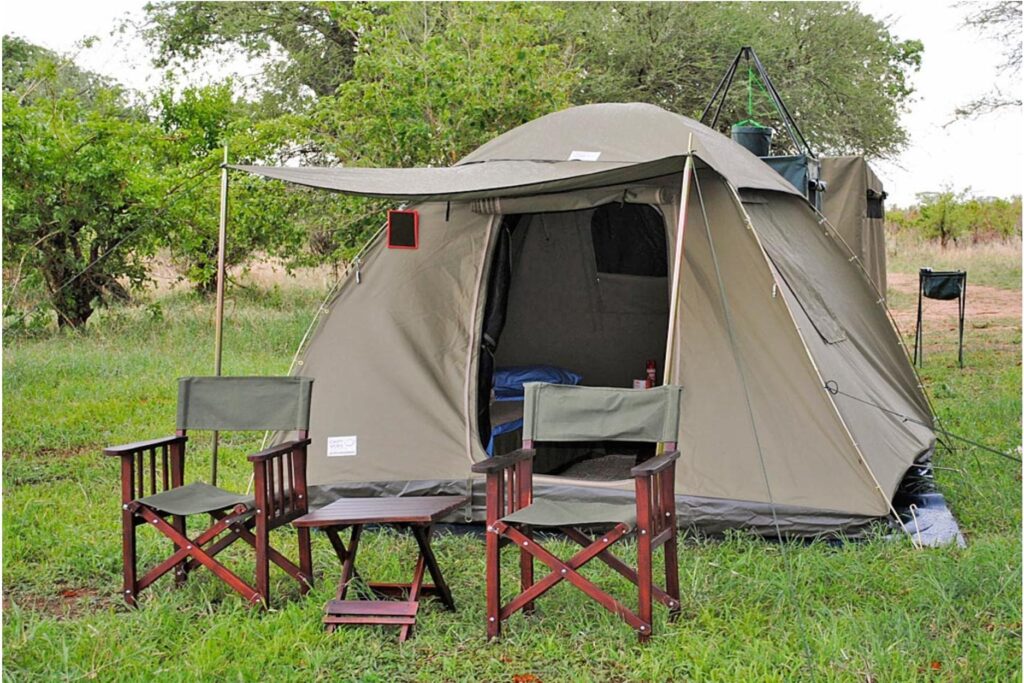
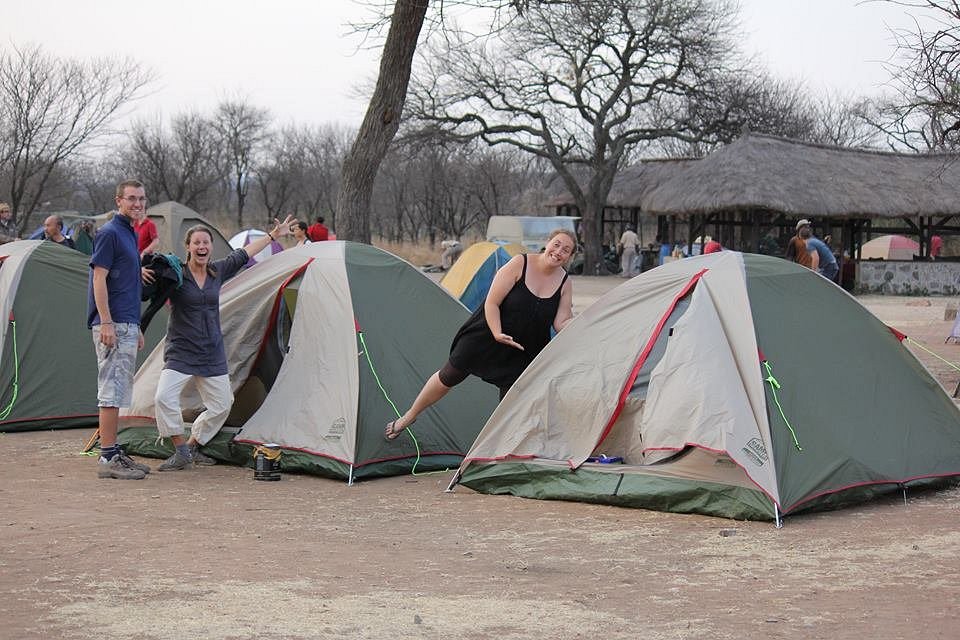
- Spacious, comfortable tents (often with proper beds and linen for mobile luxury camps)
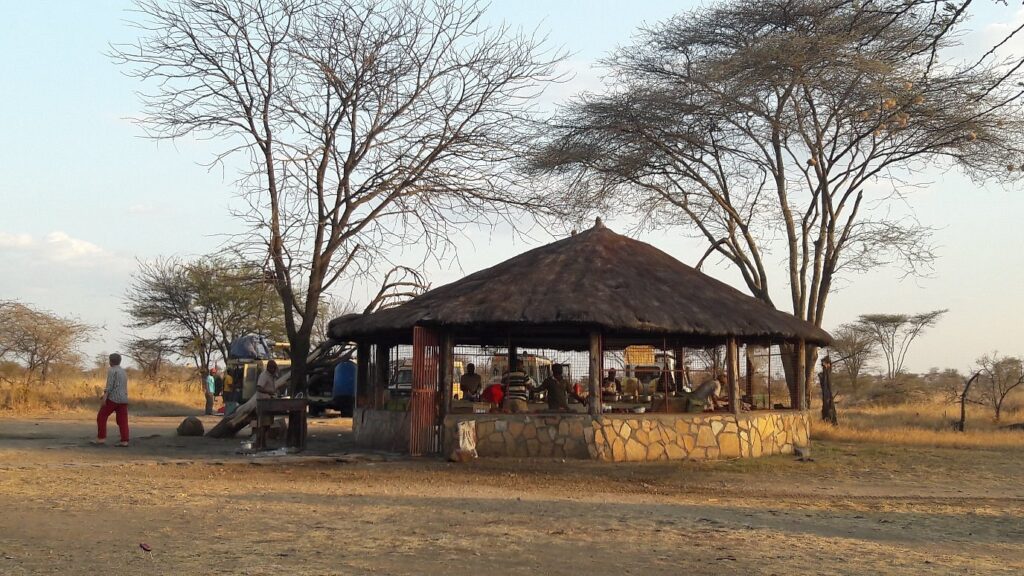
- A separate mess tent or dining area for meals and socialising
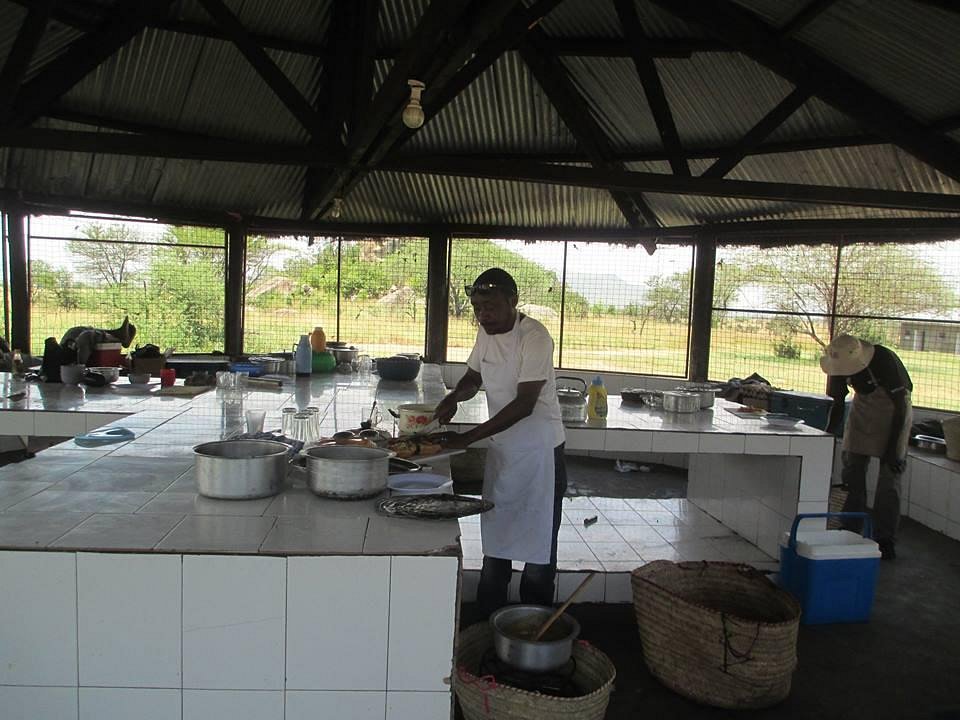
- A portable bush kitchen managed by an experienced camp chef
- Portable flush toilets and hot-water bucket showers (in the case of luxury mobile camps)
- A campfire area with chairs and a star-gazing setup
- A perimeter with trained guides or camp staff for safety overnight
Wildlife Encounters in Camp
One of the most extraordinary aspects of a Special Campsite experience is that the wildlife does not stop at your tent door. Animals move freely through and around campsites, and encounters with lions, elephants, hippos, and other large mammals within the camp area are not uncommon. This is both the thrill and the responsibility of Special Campsite camping — guests must follow strict safety protocols, always stay with a guide at night, and respect the animals’ space and behaviour.
Camp staff are trained to manage these situations, and most experienced safari operators will provide comprehensive safety briefings on arrival. The protocols are straightforward: never leave your tent at night without a guide, never approach wildlife, and keep food securely stored away from animal access.
Meals and Dining
Food and drink at Special Campsites are entirely the responsibility of the safari operator or the campers themselves. For self-organised camping, visitors must plan and bring all provisions. For organised mobile safaris, the camp chef will typically prepare full three-course meals using portable gas cookers and a camp kitchen, with food quality often rivalling that of fixed lodges.
Bush breakfasts, sundowner drinks on a kopje watching the sunset, and candlelit dinners under a canopy of stars are among the most cherished memories guests take home from Special Campsite stays.
Special Campsite Quick Facts
| AT A GLANCE: SERENGETI SPECIAL CAMPSITES | |
| Park Authority | Tanzania National Parks (TANAPA) |
| Campsite Type | Exclusive / Private (one group at a time) |
| Campsite Fee (approx.) | USD $50–$70 per person per night (TANAPA levy) |
| Park Entry Fee | USD $70 per adult per 24 hours |
| Booking Channel | Via TANAPA-licensed operators or direct |
| Minimum Stay | Usually 1 night; 2+ recommended |
| Facilities | None permanent; operator-supplied |
| Recommended Group Size | 2–12 people (varies by site) |
| Best Overall Season | June – October (dry season) |
| Year-Round Access | Yes (some sites seasonally restricted) |
| Nearest Town | Arusha (approx. 325 km); Mwanza (west) |
| Access | By road (4×4 required) or light aircraft |
Best Time to Visit Special Campsites
The Serengeti is a year-round destination, but the ideal time to visit a Special Campsite depends on what wildlife experience you are seeking. The following breakdown will help you plan your trip around the most rewarding seasonal highlights:
Dry Season: June to October (Peak Season)
The dry season is widely considered the best time to visit the Serengeti overall. Vegetation is thinner, making wildlife easier to spot, and animals concentrate around permanent water sources. This is also when the Great Migration is in the northern Serengeti, with the spectacular Mara River crossings taking place from July to September. Special Campsites in the north are extremely popular during this period, so early booking — often 12 months in advance — is essential.
Short Rains: November
November brings short, unpredictable rains that can make some roads and campsite access routes muddy and challenging. However, the landscape transforms into a lush green paradise, birdlife is at its peak, and visitor numbers drop significantly. This shoulder season offers a quieter, more contemplative Serengeti experience for those willing to embrace occasional rain.
Calving Season: December to March
The southern Serengeti and Ndutu area host the wildebeest calving season from late December through March. The density of predator-prey interactions during this period is extraordinary. Special Campsites in the south are at their most exciting during this time, making it one of the most sought-after periods for wildlife enthusiasts and photographers.
Long Rains: April to May
April and May bring heavier rains to the Serengeti. While some tracks and campsites become inaccessible, the park is stunningly green and virtually empty of tourists. For experienced bush campers who relish solitude and don’t mind some logistical challenges, a Special Campsite in the low season can be a deeply rewarding experience. Prices are also typically lower during this period.
How to Book a Special Campsite
Through a Licensed Safari Operator
The most common and recommended way to book a Special Campsite in Serengeti is through a Tanzania-based, TANAPA-licensed safari operator. These operators handle all the logistics — from securing the campsite permit, arranging park fees, organising equipment and staff, planning the itinerary, and ensuring that your stay complies with all park regulations.
When selecting an operator, look for the following qualities:
- Accreditation with the Tanzania Association of Tour Operators (TATO)
- Specific experience with mobile camping safaris in the Serengeti
- Positive, verified client reviews from reputable platforms
- Transparent pricing that includes all fees and levies
- Evidence of responsible tourism practices and conservation commitment
Direct Booking with TANAPA
It is also possible to book Special Campsites directly through the Tanzania National Parks online reservation system. This route is typically chosen by self-organised camping groups who plan to bring their own tents, supplies, and vehicles. Direct booking requires advance planning, a thorough understanding of park regulations, and the logistical capacity to be entirely self-sufficient in the bush.
Advance Booking Timelines
Given the limited availability and exclusive nature of Special Campsites, the following booking timelines are strongly recommended:
- Peak season (July – October): Book 9–12 months in advance
- Calving season (December – March): Book 6–9 months in advance
- Shoulder and low season (April – June, November): Book 3–6 months in advance
Understanding the Costs
The total cost of a Special Campsite experience in the Serengeti is made up of several components. Understanding these will help you budget accurately and avoid surprises:
- TANAPA Special Campsite Fee: Approximately USD $50–$70 per person per night. This is the official government levy paid directly to TANAPA for use of the exclusive campsite.
- Park Entry Fees: USD $70 per adult per 24-hour period. This applies regardless of accommodation type.
- Vehicle Fees: USD $40–$60 per vehicle per day for safari vehicles registered within the park.
- Operator and Camp Crew Fees: Costs for the camp chef, guides, camp manager, and support staff, typically bundled into the operator’s package price.
- Equipment and Logistics: Tents, beds, kitchen equipment, generator or solar power, and water — either included in an operator package or self-provided for independent campers.
- Food and Beverages: Included in most operator packages; self-catering groups must budget accordingly.
For an operator-organised mobile luxury camp experience at a Special Campsite, all-inclusive rates typically range from USD $400 to $1,200+ per person per night, depending on the level of luxury, group size, and season. Budget-oriented self-organised camping can bring this down significantly, though logistical demands are considerably higher.
Essential Packing List for Special Campsites
Clothing
- Lightweight, neutral-coloured long-sleeved shirts and trousers (khaki, olive, beige)
- Warm fleece or jacket for cold early mornings and evenings
- Waterproof outer layer for unexpected rain
- Comfortable walking shoes and closed-toe camp shoes
- Sun hat and UV-protection sunglasses
Health and Safety
- Antimalarial medication (consult your doctor before travel)
- High-SPF sunscreen and insect repellent (DEET-based)
- Personal first aid kit with antiseptic, pain relief, and blister plasters
- Yellow fever vaccination certificate (required for Tanzania entry)
- Personal prescription medications and a copy of prescriptions
Photography and Technology
- Camera with telephoto lens (minimum 400mm recommended for wildlife)
- Extra camera batteries and memory cards
- Portable power bank and universal travel adapter
- Headlamp or torch with extra batteries
- Binoculars (8×42 or 10×42 recommended)
Camp Essentials (Self-Organised Campers)
- High-quality four-season tent
- Sleeping bag rated to 5°C or below
- Portable water filter or purification tablets
- Sufficient food and snacks for the entire stay
- Portable gas cooker with fuel canisters
Responsible Camping and Conservation
Staying at a Special Campsite is a privilege that comes with significant environmental responsibility. The Serengeti’s ecosystems are fragile, and the cumulative impact of human presence — even in small, exclusive camps — can have lasting consequences if not carefully managed.
TANAPA and responsible safari operators adhere to strict Leave No Trace principles in Special Campsites. As a guest, you play a crucial role in upholding these standards:
- All waste, including food scraps, must be carried out of the park. Nothing is to be buried or burned except in designated fire areas.
- Human waste must be managed through portable toilet systems provided by your operator. Cat holes dug near water sources or vegetation are not acceptable.
- Campfires are only permitted in designated areas and must be fully extinguished before leaving the site.
- Wildlife must never be baited, fed, or approached on foot outside of designated areas.
- Vehicle speeds within the park must remain within the limit (40 km/h on main roads; 25 km/h off-road).
- Off-road driving is strictly prohibited to protect the Serengeti’s delicate soils and vegetation.
Many Special Campsite operators also contribute to local conservation initiatives, anti-poaching efforts, and community development projects in the villages surrounding the park. When selecting an operator, ask about their conservation commitments and community engagement programmes.
Top Tips from Experienced Serengeti Campers
Drawing on the experience of seasoned bush campers and professional safari guides, the following tips will help you make the most of your Special Campsite experience:
- Follow the Migration: Work with your operator to design an itinerary that tracks the wildebeest migration. Being in the right place at the right time — whether for calving in the south or river crossings in the north — elevates the experience enormously.
- Stay Multiple Nights: One night at a Special Campsite is wonderful, but two or three nights allows you to truly settle into the rhythm of the bush. Morning, afternoon, and nocturnal wildlife patterns reveal themselves gradually, and patience is always rewarded.
- Rise Before Dawn: The first light of day in the Serengeti is magical. Predators are often active at dawn, the light is perfect for photography, and the air is cool and still. Never miss an early morning game drive from your campsite.
- Embrace the Silence: Turn off your devices for at least part of your stay and simply listen. The soundscape of the Serengeti at night — from the chorus of insects to the distant roar of lions — is one of the most extraordinary audio experiences on the planet.
- Trust Your Guide: Your Tanzanian safari guide is an expert in reading animal behaviour and navigating the bush safely. Listen to their advice, ask questions, and let their knowledge deepen your understanding of what you are seeing.
- Pack Light but Smart: You will likely fly by small charter aircraft to access remote parts of the park. Luggage restrictions are strict (typically 15 kg soft bag per person). Pack only what you genuinely need and prioritise camera equipment and warm layers.
Conclusion: Where the Serengeti Belongs to You
A Special Campsite in Serengeti National Park is more than an accommodation choice — it is a statement about how you want to experience the wild world. It is a commitment to presence over comfort, to intimacy over convenience, and to the belief that the most meaningful travel experiences are those that place you not merely in front of nature, but within it.
From the thunder of wildebeest hooves crossing the Mara River to the extraordinary silence of the open plains under a full moon, from the golden hour light on a pride of lions to the impossible density of stars above your tent, the Special Campsite experience delivers on every promise that the Serengeti has to offer.
Whether you choose the drama of the northern crossing, the abundance of the Seronera Valley, the raw emotion of the calving season, or the remote silence of the western corridor, a Special Campsite will give you something rare and increasingly precious: the feeling that in this corner of Africa, time has stood still, and the world is exactly as it was meant to be.