15 days self drive Safari in Tanzania
| Duration | 15 Days / 14 Nights |
| Vehicle Required | 4WD High-Clearance (Toyota Land Cruiser, Hilux, or equivalent) |
| Best Months | June–October (dry season) | Dec–Feb (short rains — good value) |
| Total Distance | ~2,200 km (road + park tracks) |
| Entry Points | Kilimanjaro International Airport (JRO) or Arusha |
| Permits Required | TANAPA park fees (paid online or at gates); Ngorongoro Conservation Area Authority (NCAA) |
| Fuel | Available in Arusha, Karatu, Mto wa Mbu; carry 20L jerry can for parks |
| Currency | US Dollar (USD) preferred; Tanzanian Shilling (TZS) for local markets |
| Accommodation | Mix of campsites, budget lodges & mid-range lodges |
| Difficulty | Moderate — requires experience driving on corrugated dirt tracks |
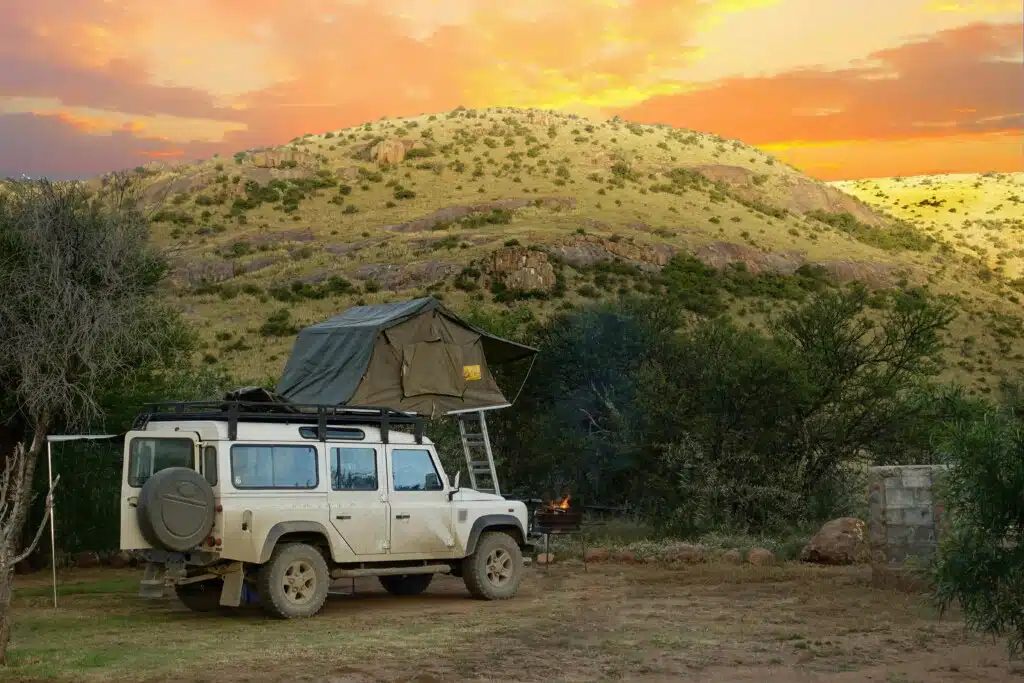
Route at a Glance
| Day | Location | Highlight | Approx. Drive |
| 1 | Arusha | City orientation & gear check | — |
| 2 | Arusha → Tarangire NP | First game drive — elephants | ~120 km |
| 3 | Tarangire NP | Full-day game drive | In-park |
| 4 | Tarangire → Lake Manyara | Flamingos & tree-climbing lions | ~80 km |
| 5 | Lake Manyara → Karatu | Ngorongoro rim scenic drive | ~60 km |
| 6 | Ngorongoro Crater | Full-day crater descent | In-crater |
| 7 | Karatu → Central Serengeti | Seronera Valley game drive | ~160 km |
| 8 | Central Serengeti | Full-day Seronera game drive | In-park |
| 9 | Central → Northern Serengeti | Mara River crossing zone | ~140 km |
| 10 | Northern Serengeti | Wildebeest / big cat focus | In-park |
| 11 | Northern → Western Serengeti | Grumeti River & hippos | ~120 km |
| 12 | Western Serengeti | Full-day western circuit | In-park |
| 13 | Western Serengeti → Ndutu | Short rains calving ground | ~180 km |
| 14 | Ndutu → Arusha via Karatu | Scenic highland drive | ~280 km |
| 15 | Arusha | Debrief, shopping & departure | — |
Practical Information
Vehicle & Equipment Checklist
| Essential Vehicle Prep
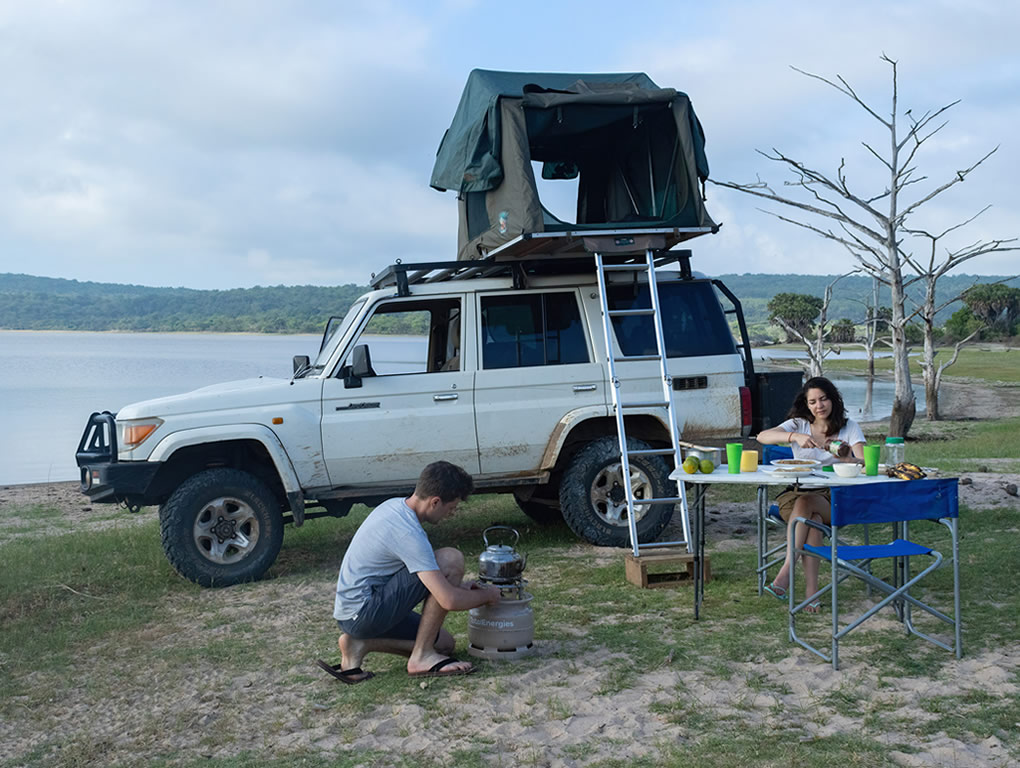
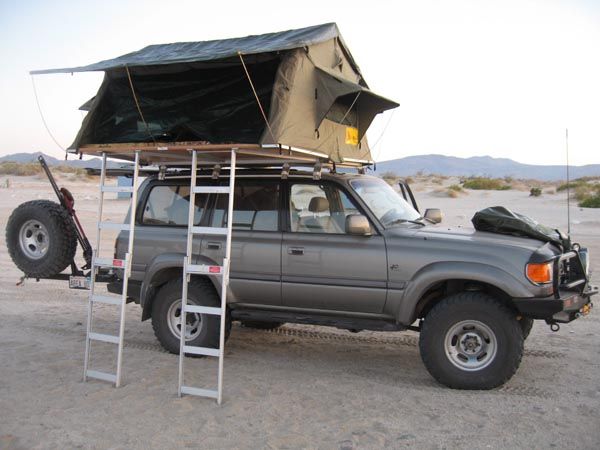
• High-clearance 4WD with low-range gearbox — non-negotiable for Serengeti tracks • Two full-size spare tyres (not just a space-saver); carry a plug kit and portable compressor • Roof rack or rooftop tent if camping — keeps gear dry and secure • Long-range fuel tank or 20L jerry cans — some park areas have no fuel for 200+ km • Snatch strap, hi-lift jack, shovel, tow rope for self-recovery • Navigation: download offline maps on Maps.me or OsmAnd; GPS tracker recommended • Dash cam strongly advised — useful for park entry/exit records |
| Essential Supplies
• Drinking water: min 5 litres/person/day; top up at lodges and towns • Food & snacks for full days in the park (no shops inside most parks) • First aid kit: antiseptic, antihistamine, rehydration sachets, malaria prophylaxis • Insect repellent (DEET 30%+) and sunscreen SPF 50+ • Binoculars (10×42 recommended), field guide, camera with long lens (300mm+) • Head torch, portable solar charger, power bank • Warm layers for early morning game drives (even in hot months) |
Park Fees & Permits (2026/27 Rates)
| Park / Area | Non-Resident Fee (adult/day) | Notes |
| Serengeti National Park | USD 82 | Vehicle: USD 40/day; camping: USD 35–50 |
| Ngorongoro Conservation Area | USD 82 (crater fee USD 295.6/vehicle) | NCAA conservation levy separate |
| Tarangire National Park | USD 56 | Vehicle: USD 40/day |
| Lake Manyara National Park | USD 56 | Vehicle: USD 40/day |
| Arusha National Park | USD 56 | Vehicle: USD 40/day |
| Ndutu (NCAA managed) | Included in NCAA fee | Pay at Naabi Hill gate |
Tip: Pay all TANAPA park fees online at tanzaniaparks.go.tz before arrival to avoid queues at the gate. Carry printed confirmation receipts.
Safety & Wildlife Rules
- Never exit your vehicle in the open unless at a designated picnic site or campsite
- Maintain a minimum 20-metre distance from all wildlife; 200 metres from lions on a kill
- Speed limit in all parks: 50 km/h on main roads, 25 km/h on tracks
- No driving after 7:00 PM inside national parks — arrange gate entry/exit accordingly
- Silence engines when near wildlife; do not use hooters or flash lights
- Do not feed any animal; do not litter — heavy fines apply
- Carry a satellite communicator (Garmin inReach) for emergencies in remote areas
- Register with your embassy before entering remote parks
| DAY-BY-DAY DETAILED ITINERARY |
| DAY 1 | Arusha — Arrival & Orientation
Kilimanjaro Airport → Arusha town |
Morning
Arrive at Kilimanjaro International Airport (JRO). Collect your pre-booked 4WD vehicle — check all fluids, tyre pressure (both axles), spare tyres, and all equipment against your checklist before leaving the rental yard. Allow 2 hours for this.
Afternoon
Drive to Arusha (approx. 40 km, 45 min). Check into your guesthouse. Visit the Arusha Market for supplies: fresh fruit, snacks, water, and any last-minute camping gear. Stock up on USD cash from ATMs on Sokoine Road.
Evening
Dinner at The Arusha Hotel or Spices & Herbs Restaurant. Review park maps, download offline GPS tracks, and confirm all bookings. Pack the vehicle tonight to save morning time.
| Sleep | Arusha — Arusha Backpackers, African Tulip, or Ilboru Safari Lodge |
| Meals | Breakfast: airport; Lunch: en route; Dinner: Arusha restaurant (~USD 10–20) |
| Park Fees | None today |
| Fuel | Fill up in Arusha — next reliable stop is Karatu (Day 5) |
| DAY 2 | Arusha → Tarangire National Park
~120 km | ~2 hrs drive |
Morning
Depart Arusha by 6:30 AM. Drive south on the B144 Dodoma road. The road is paved and in good condition. Stop briefly at Makuyuni junction to check tyre pressure before the turn-off to Tarangire.
Afternoon
Enter Tarangire through the main Tarangire Gate. Begin your afternoon game drive. The park is renowned for its enormous elephant population — herds of 50–100 are common around the Tarangire River in the dry season. Also look for lion, cheetah, leopard, large baobab trees, and prolific birdlife.
Focus your drive on the Tarangire River circuit and Silale Swamp. These are the best wildlife concentration zones. Stay until the 6:00 PM gate closing — maximise your time.
| Sleep | Tarangire — Kuro Tarangire Camp or Oliver’s Camp (mid-range); Public campsite (budget) |
| Meals | Pack a lunch box from Arusha; dinner at camp |
| Park Fees | USD 56/person + USD 40/vehicle |
| Wildlife Focus | Elephants, Oryx, Impala, Python, Greater Kudu, over 550 bird species |
| Road | Paved to gate; dirt tracks inside park — engage 4WD |
| DAY 3 | Tarangire — Full-Day Game Drive
In-park circuits |
Full Day Strategy
Rise before dawn and be on the tracks by 6:00 AM. Early morning is prime time for predator activity. Drive north toward Poacher’s Hideout and the Engikaret Lava Tubes (just outside the park boundary — optional detour).
Return to Silale Swamp by mid-morning for hippo and waterbird viewing. After a packed lunch under a baobab, head south to the Gursi area — excellent for leopard sightings near rocky outcrops.
Spend the late afternoon at the river crossing points. Enormous elephant families wade across at sunset — one of Africa’s most spectacular wildlife spectacles. Return to camp by 6:00 PM.
| Tarangire Pro Tips
• The dry-season (Jun–Oct) river is the park’s lifeline — all animals converge here daily • Look up into baobab trees — leopard rest on large limbs, often invisible without binoculars • The park sees far fewer visitors than Serengeti — enjoy the solitude • Python Ridge (northwest) is an excellent early-morning raptor-watching spot |
| DAY 4 | Tarangire → Lake Manyara NP → Karatu
~80 km | ~2.5 hrs total |
Morning
Exit Tarangire by 7:00 AM and drive north to Lake Manyara National Park (approx. 40 km). Enter at the main gate near Mto wa Mbu town. The park sits at the base of the Rift Valley escarpment — the scenery alone is worth the visit.
Afternoon
Drive the single main track that runs along the lake shore. Key wildlife: Lake Manyara is famous for its tree-climbing lions (particularly around the fig forest), large hippo pods, flocks of flamingos on the alkaline lake, and the groundwater forest which teems with baboons and blue monkeys. African elephants are regularly seen in the forest and grasslands.
Evening
Exit Lake Manyara by 5:30 PM and drive up the escarpment to Karatu (approx. 30 km, 45 min on a steep but paved road). Karatu is your base for Ngorongoro — fuel up here.
| Sleep | Karatu — Ngorongoro Farm House, Gibbs Farm, or Karatu Simba Lodge |
| Meals | Breakfast at Tarangire camp; Lunch packed in park; Dinner Karatu lodge |
| Park Fees | Lake Manyara: USD 56/person + USD 40/vehicle |
| Wildlife Focus | Tree-climbing lions, flamingos, hippos, baboons, fish eagles |
| Road | Paved Mto wa Mbu to Karatu; steep switchbacks — use low gear descending |
| DAY 5 | Karatu — Ngorongoro Rim & Preparation
Scenic drives & logistics |
Morning
Drive to the Ngorongoro Conservation Area Authority (NCAA) gate at Lodoare (approx. 15 km from Karatu) to purchase your descent permits for Day 6. Book your descent slot — vehicle numbers into the crater are limited. Pay the crater service fee (USD 295.6/vehicle) plus per-person conservation levies.
Afternoon
Drive along the crater rim road to various viewpoints — Crater View, Windy Gap, and Malanja Depression lookout. The views into the 260 km² caldera floor are extraordinary. Spot the seasonal Lake Magadi shimmering far below.
Visit the Olduvai Gorge Museum (approx. 45 km from the crater rim) — one of the most important paleoanthropological sites in the world, where Louis and Mary Leakey found 1.75 million-year-old hominid fossils. Allow 90 minutes.
| Sleep | Karatu (same lodge) or Ngorongoro Crater rim lodge |
| Meals | All meals at lodge |
| Park Fees | NCAA conservation levy today; crater descent fee for Day 6 |
| Notes | Pre-book a mandatory crater guide if you don’t want a ranger escort at extra cost |
| DAY 6 | Ngorongoro Crater — Full-Day Descent
World’s largest intact caldera |
Early Morning
Depart accommodation by 6:00 AM sharp. Drive to Lemala Descent Road (the main 4WD-only descent). Engage 4WD low before descending — the track drops 600 metres in under 5 km on a one-way eroded dirt road. You must be at the bottom before 7:30 AM.
Full Day in the Crater
The crater floor is 264 km² of permanently watered grassland — one of the highest concentrations of wildlife on Earth. Your circuit should include: Lake Magadi (flamingos, nesting pelicans), the Lerai Acacia Forest (elephants, bushbuck), the hippo pool (hippos, hundreds of waterfowl), and the central plains for lion, hyena, and black rhino sightings.
Black rhino are critically endangered — Ngorongoro has one of Africa’s healthiest populations (~30 individuals). Scan open grassland near Ngoitoktok Spring carefully. Cheetah, serval, and golden jackal are also regularly seen in the open areas.
Afternoon Ascent
All vehicles must ascend by 6:00 PM via the Seneto Ascent Road (one-way up, different from descent). The ascent is steep — keep in 4WD low. Take a final look back into the crater as you reach the rim.
| Ngorongoro Crater Tips
• Descend as early as possible — more wildlife activity before 9 AM and fewer vehicles • Crater floor speed limit is 25 km/h — respect it and watch for crossing animals • Pack a full picnic — no food or fuel inside the crater • Black rhino sightings: best near Ngoitoktok Spring and the eastern grasslands • Crater can be cold and misty — bring warm layers even in summer • Mandatory ranger escort if you plan to walk at a designated rest area |
|||
| Sleep | Karatu or crater rim lodge | ||
| Meals | Full packed picnic — no meals available inside crater | ||
| Park Fees | NCAA levy (paid Day 5) + crater descent USD 295.6/vehicle | ||
| Wildlife Focus | Black rhino, lion, hyena, flamingo, elephant, cheetah, serval | ||
| DAY 7 | Karatu → Central Serengeti (Seronera)
~160 km | ~3.5 hrs |
Morning
Depart Karatu by 6:30 AM. Drive through the NCAA zone — this is technically game-viewing territory so keep your eyes open. Enter Serengeti via the Naabi Hill Gate (the main southern entry point). Pay all Serengeti fees here if not pre-paid online.
Afternoon
Drive north to Seronera — the central hub of the Serengeti and the most productive year-round game-viewing area. The Seronera River valley is lined with sausage trees and acacia — a permanent water source that attracts enormous concentrations of animals. Begin your afternoon game drive immediately upon arrival. Look for the Seronera lion prides (some of the most studied lions in the world), leopard in riverine trees, and cheetah on open kopjes.
| Sleep | Seronera — Serengeti Serena Lodge, Dunia Camp, or Seronera Public Campsite |
| Meals | Packed lunch; dinner at lodge/camp |
| Park Fees | Serengeti: USD 82/person + USD 40/vehicle/day |
| Road | Paved to Naabi Hill; good dirt road to Seronera — manageable in 2WD dry season |
| Wildlife Focus | Lion, leopard, cheetah, elephant, giraffe, wildebeest herds |
| DAY 8 | Central Serengeti — Full-Day Seronera Valley
In-park game circuits |
Full Day Strategy
Spend the entire day on the Seronera river loop and surrounding kopjes. Depart camp by 6:00 AM. The first 90 minutes are often the most productive — lions finishing night hunts, leopard returning to trees with kills, cheetah scanning from termite mounds.
The Seronera area contains several well-known resident leopard along the river who are highly habituated to vehicles. Drive slowly along all riverine sections, scanning each fork of every tree. Midday rest under large acacias at the Seronera picnic site (bring your own food).
Afternoon focus: drive southeast toward the Simba Kopjes and Gol Kopjes for cheetah and lion. These granite outcrops are natural wildlife lookouts. Return to camp in time for an outdoor sundowner as the sky turns golden.
| Serengeti Game Drive Tips
• Follow vultures in flight — they indicate a nearby kill (lion, leopard, or cheetah) • Scan termite mounds for cheetah — they use them as hunting vantage points • Drive at 20 km/h or less on all tracks — slow driving = more sightings • Return to the same productive spots at dawn and dusk — predators are habitual |
| DAY 9 | Central → Northern Serengeti (Lobo / Kogatende)
~140 km | ~3 hrs in-park |
Full Day Drive North
Depart Seronera early and drive north through the Serengeti on the main track. This is one of Africa’s great drives — open plains as far as the eye can see, punctuated by granite kopjes and acacia woodland. Stop frequently for game.
Pass through Lobo area (excellent for elephant and buffalo) and continue to Kogatende — the gateway to the northern Serengeti and the Mara River crossing zone. The river crossing is the climax of the Great Migration if you visit July–October.
Mara River Crossing
Station yourself at one of the main crossing points (Crossing 1, 2, or 3 on the northern bank) by mid-afternoon. Crossings are entirely unpredictable — you may wait hours or witness one within minutes. When a crossing begins, thousands of wildebeest plunge into the crocodile-infested river in a thunderous chaos that is arguably the greatest wildlife spectacle on Earth.
| Sleep | Kogatende area — Sayari Camp, Lamai Serengeti, or Northern Campsite |
| Meals | Packed lunch; dinner at camp |
| Road | All dirt — corrugated in places; 4WD strongly recommended north of Lobo |
| Wildlife Focus | Great Migration (Jul–Oct), Nile crocodile, hippo, leopard, Mara lion prides |
| Migration Note | Jun–Jul: herds moving north; Aug–Oct: Mara River crossings; Nov–Dec: moving south |
| DAY 10 | Northern Serengeti — Wildebeest & Big Cat Focus
In-park northern circuits |
Full Day
Spend the full day in the northern zone. Drive all river crossing points in the morning — dawn at the river is atmospheric whether or not a crossing occurs. Crocodiles warm themselves on banks; hippo pods number in the hundreds here.
Explore the Lamai Wedge — a triangular area between the Mara and Bolagonja rivers that is superb for lion and leopard in the rocky terrain. This is also the best area in Tanzania to see African wild dog during the pup season (November–January).
Afternoon
Return to a crossing point by 3:00 PM for the late-afternoon golden-hour. Whether or not wildebeest cross, the light on the Mara River is photographic gold. Return to camp by 6:00 PM.
| Migration Calendar
• January–March: Calving season in Ndutu (southern Serengeti) — 8,000 calves born daily at peak • April–May: Long rains; herds dispersed; fewer visitors; roads can be difficult • June–July: Herds moving north through central Serengeti • August–October: BEST — Mara River crossings in northern Serengeti • November–December: Herds returning south; short rains; excellent photography |
| DAY 11 | Northern → Western Serengeti (Grumeti)
~120 km | ~2.5 hrs in-park |
Morning Drive West
Depart the northern zone and drive southwest toward the Western Corridor. The road traverses the iconic open Serengeti plains — this landscape of short-grass savanna is the quintessential image of Africa.
Grumeti River
Arrive at the Grumeti River by midday. Like the Mara, the Grumeti hosts river crossings — typically in June–July as herds move north. Resident hippos are enormous here, and the Grumeti hosts massive Nile crocodiles, some of the largest in Africa. Even outside migration, the river is alive with waterfowl, monitor lizards, and elephant coming to drink.
Afternoon
Drive the western woodland tracks — topi, roan antelope, and patas monkeys are found in the western Serengeti and rarely elsewhere. Explore around Kirawira for excellent lion and hyena den activity.
| Sleep | Western Serengeti — Kirawira Serena Camp, Grumeti Camps, or Ndabaka Public Campsite |
| Meals | Packed lunch; dinner at camp |
| Road | Rougher tracks in the west — some sections require 4WD low in wet season |
| Wildlife Focus | Hippo, Nile crocodile, roan antelope, topi, patas monkey, lion |
| DAY 12 | Western Serengeti — Full-Day Western Circuit
In-park |
Full Day
The Western Corridor sees far fewer visitors than central or northern Serengeti, giving a more exclusive feel. Spend the morning doing a full Grumeti River circuit — drive both banks where tracks allow and spend time at every river crossing.
Afternoon: drive inland through open Terminalia woodland. This habitat hosts different species than the open plains — oribi, waterbuck, bushbuck, and a superb variety of raptors including bateleur eagle, martial eagle, and pygmy falcon. The Mbalageti River (a western tributary) is another productive afternoon location.
| Western Serengeti Exclusives
• Roan antelope — rarely seen elsewhere in Tanzania; look in open woodland • Patas monkey — the world’s fastest primate; look in open acacia country • Grumeti Reservoir — excellent birding including African finfoot and pel’s fishing owl • Far fewer vehicles means more intimate wildlife encounters |
| DAY 13 | Western Serengeti → Ndutu Plains
~180 km | ~4 hrs in-park |
Long Drive South
This is your longest in-park driving day — but also one of the most rewarding as you cross the breadth of the Serengeti ecosystem. Depart the western zone by 6:30 AM. Drive south and east through the Serengeti’s Central Plains. Stop wherever you see wildlife — this crossing often produces excellent cheetah sightings on the open short-grass plains.
Ndutu Area
Exit the Serengeti and enter the Ndutu area (managed under NCAA). Ndutu is at its most dramatic December–March during calving season, when the green plains are carpeted with tens of thousands of wildebeest, zebra, and gazelle. Even outside this window, the acacia woodland around Lake Ndutu and Lake Masek hosts spectacular resident wildlife.
Lake Ndutu itself is a shallow soda lake that attracts thousands of flamingos and wading birds. Lion prides in the area are large, having raised cubs on the calving season bonanza.
| Sleep | Ndutu — Ndutu Safari Lodge (iconic mid-range), Ndutu Tented Camp, or Ndutu campsite |
| Meals | Very long day — carry substantial food and at least 3 litres water per person |
| Park Fees | NCAA conservation levy applies in Ndutu area |
| Wildlife Focus | Wildebeest calving (Dec–Mar), lion, cheetah, hyena, flamingo |
| Road | Mix of plains tracks — can be boggy Dec–Apr; dry and fast Jun–Nov |
| DAY 14 | Ndutu → Karatu → Arusha
~280 km | ~5 hrs driving |
Morning Game Drive
One final morning game drive around Lake Ndutu and the acacia woodland. Dawn at Ndutu is especially beautiful — the lake turns pink with flamingos in the early light. Allow 2 hours before beginning the return drive.
Return Drive
Exit the NCAA at Lodoare Gate and drive to Karatu for fuel and lunch. Continue on the paved road back to Arusha, passing through Mto wa Mbu and the base of the Rift Valley escarpment. The drive is scenic — the Rift Valley wall is dramatic.
Arrive Arusha
Arrive Arusha by late afternoon. Return the vehicle to the rental yard and conduct a thorough end-of-trip inspection. Check for any damage and resolve any issues before full settlement.
| Sleep | Arusha — same or different guesthouse from Day 1 |
| Meals | Packed breakfast; lunch in Karatu; dinner in Arusha |
| Fuel | Fill up in Karatu — cheaper than Arusha |
| Vehicle | Return vehicle; check condition and get written clearance |
| DAY 15 | Arusha — Rest, Shopping & Departure
Final day |
Morning
Enjoy a relaxed breakfast. Visit the Cultural Heritage Centre or Maasai Market for authentic crafts, Tanzanite gemstones (buy only from certified dealers), and Kangas (local printed cloth). The Arusha Declaration Museum on Makongoro Road is worth a quick visit for historical context.
Afternoon
Final lunch at Arusha. Transfer to Kilimanjaro International Airport for your departure flight. Allow at least 3 hours for the airport journey and check-in. The drive to JRO takes 45–60 minutes in normal traffic.
| Shopping Tips — Arusha
• Cultural Heritage Centre: best quality crafts and genuine Tanzanite — fixed prices, worth it • Maasai Market (clock tower): good bargaining on beadwork, carvings, and textiles • Avoid street vendors near hotels — quality is variable and pressure high • Tanzanite: buy only TGLA-certified stones from registered dealers • Zebra/wildebeest products: wildlife products require CITES documentation — buy only from licensed dealers |
| ACCOMMODATION DIRECTORY |
The following options span budget to mid-range. All have been selected for location, safety, and value for self-drive travellers.
| Location | Property | Budget Level | Notes |
| Arusha | Arusha Backpackers | Budget | Central location; secure parking |
| Arusha | Ilboru Safari Lodge | Mid-range | Gardens; secure vehicle parking |
| Arusha | The African Tulip | Mid-range+ | Boutique; best breakfast in Arusha |
| Tarangire | Tarangire Public Campsite | Budget | Basic; inside park gates |
| Tarangire | Kuro Tarangire Camp | Mid-range | En-suite tents; excellent location |
| Tarangire | Oliver’s Camp | Mid-range+ | Superb walking and game drives |
| Lake Manyara | Lake Manyara Campsite | Budget | Nice setting outside park |
| Karatu | Karatu Simba Lodge | Budget/Mid | Quiet; good food; fuel nearby |
| Karatu | Ngorongoro Farm House | Mid-range | Beautiful grounds; reliable |
| Karatu | Gibbs Farm | Mid-range+ | Luxury working coffee farm |
| Ngorongoro Rim | Wildlife Lodge | Mid-range | Crater rim view; cold nights |
| Central Serengeti | Seronera Public Campsite | Budget | Inside park; basic facilities |
| Central Serengeti | Dunia Camp | Mid-range | Excellent guiding; great location |
| Northern Serengeti | Northern Campsite | Budget | Remote; self-sufficient required |
| Northern Serengeti | Sayari Camp | Mid-range+ | Best northern Serengeti option |
| Western Serengeti | Ndabaka Public Campsite | Budget | Near western gate |
| Western Serengeti | Kirawira Serena | Mid-range+ | Edwardian tents; classic style |
| Ndutu | Ndutu Safari Lodge | Mid-range | Iconic; excellent wildlife access |
| Ndutu | Ndutu Campsite | Budget | Acacia woodland setting; self-cook |
| BUDGET BREAKDOWN (Per Person — 15 Days) |
| Expense Category | Budget Option (USD) | Mid-Range Option (USD) |
| Park Fees (all parks, 15 days combined) | ~USD 1,200 | ~USD 1,200 |
| Ngorongoro Crater descent fee (per vehicle, split 2) | ~USD 148 | ~USD 148 |
| Vehicle rental (4WD, 15 days, split 2 people) | ~USD 750 | ~USD 1,100 |
| Fuel (~2,200 km at 12L/100km @ USD 1.30/L) | ~USD 343 | ~USD 343 |
| Accommodation (14 nights) | ~USD 350 | ~USD 1,400 |
| Meals (self-catering + some restaurants) | ~USD 200 | ~USD 500 |
| Supplies & groceries | ~USD 80 | ~USD 80 |
| Entry visas (if required) | ~USD 50 | ~USD 50 |
| Miscellaneous (tips, emergencies, souvenirs) | ~USD 150 | ~USD 300 |
| TOTAL PER PERSON | ~USD 3,271 | ~USD 5,121 |
Notes: Costs based on 2 people sharing vehicle and accommodation. Park fees must be paid in USD. All park vehicle fees are per calendar day, not 24-hour period — plan entry/exit times strategically to reduce paid days.
| ESSENTIAL TIPS & EMERGENCY INFORMATION |
Health & Medical
- Malaria prophylaxis: Start Malarone or Doxycycline before travel (consult your doctor)
- Yellow Fever vaccination certificate required if arriving from endemic countries
- Nearest hospitals: Arusha (Mt Meru Hospital, Selian Lutheran Hospital); Moshi (KCMC)
- Flying Doctors Society of Africa (AMREF) — strongly recommended for emergency evacuation cover
- Carry oral rehydration salts, broad-spectrum antibiotics, and an Epipen if allergic to insect stings
Key Swahili Phrases for Safari
| Habari za safari? | How was the safari? |
| Simba / Chui / Tembo | Lion / Leopard / Elephant |
| Pole pole | Slowly, slowly (universal advice) |
| Asante sana | Thank you very much |
| Hakuna matata | No worries |
| Tafadhali nisaidie | Please help me |
| Hospitali iko wapi? | Where is the hospital? |
| Mafuta — nina haja | I need fuel |