TMS Traffic Check Tanzania
The Traffic Management System (TMS) is the national database that catalogs road traffic violations and associates each citation with a payment control number. Officers give a notice at the roadside, the infraction is recorded, and you resolve it via the Government Electronic Payments Gateway, referred to as GePG.
TMS enables you to view outstanding items by plate or driver’s license, so eliminating guesswork and unexpected delays.
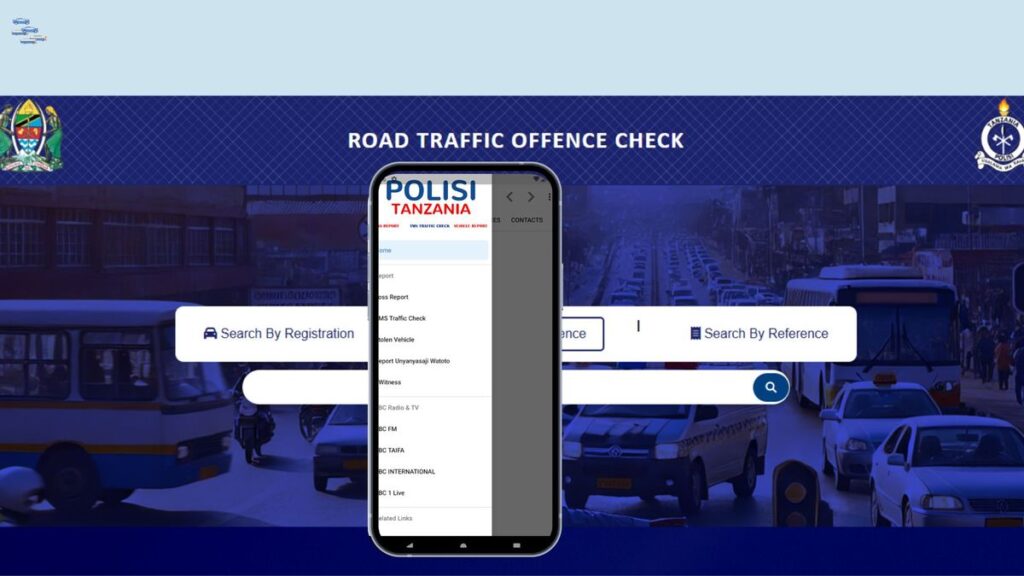
We depend on these tools on a daily basis. The recipe is uncomplicated. Examine your plate or license, identify any outstanding items, remit payment with the control number, and retain the receipt. If the system displays no results, you are clear.
If an unrecognized bill appears, address it courteously using the formal dispute process. Brief inspections before to extended journeys provide a seamless day.
What is observable in TMS
Outstanding fines can be queried using a car registration number or a driver’s license. The outcome typically enumerates the offense type, location or station, date, amount, and the control number for payment. For new tickets, permit a brief synchronization interval prior to the record’s visibility. Upon the clearance of payment via GePG, the item should be marked as settled.
Methodically, the procedure for doing a TMS traffic assessment.
Select your search criterion
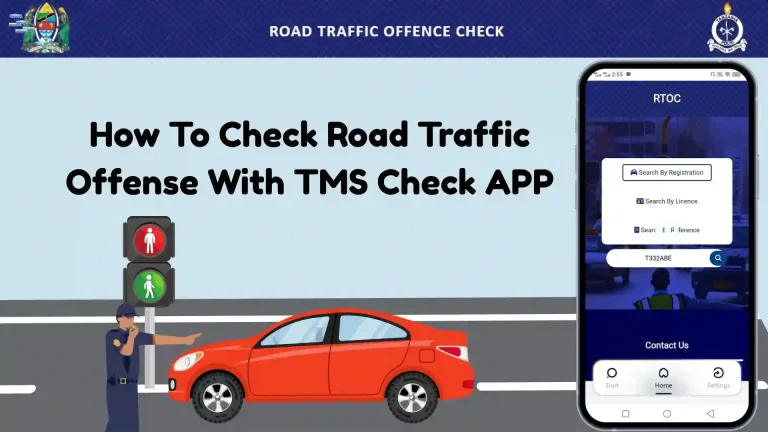
Determine whether to do a search using the vehicle’s license plate or the driver’s license. For vehicles, license plates are the most expedient. A license search verifies your personal situation about autos.
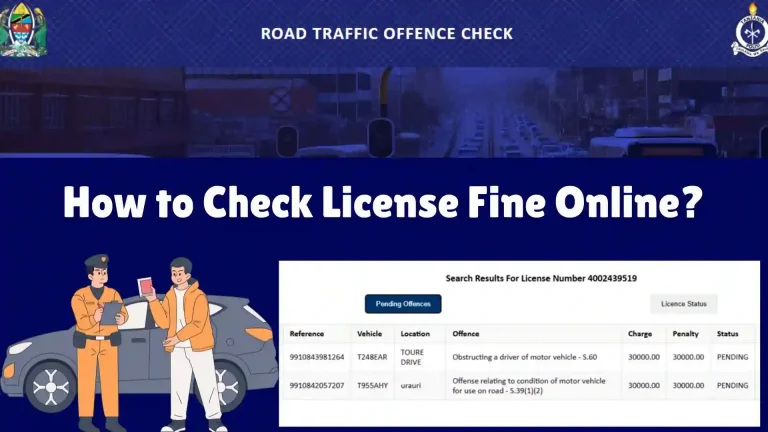
Please input the information carefully.
Utilize the precise plate format in uppercase and ensure that O is not confused with 0. For license numbers, transcribe them from the card without spaces unless the form specifies otherwise.
Analyze the result
In the event of an offense, record the control number and the amount. If nothing is seen, you are unobstructed at that moment. Capture a swift screenshot for your documentation.
Make payment via GePG
Utilize the control number to execute payment by mobile money, a banking application, or at a bank counter that accommodates government transactions. Precisely match the amount. Retain the receipt or text message.
Verify status
Upon completion of payment, thereafter reload the record and capture a second snapshot displaying the settled status. Save both photos in a directory labeled by plate and month. Everything is fine.
How to pay a traffic fine the right way
All traffic violations are processed by GePG with a distinct control number. Input the specified number into your payment channel, verify the amount, and authorize the transaction. Refrain from providing cash to anyone at the window. Your pristine receipt serves as your safeguard at subsequent checkpoints. If coverage is inadequate, attempt a different channel later or make a payment at a bank. In the event of a payment failure, verify the control number and attempt the transaction again using the same method or an alternative one.
If you disagree with a ticket
Remain composed at the roadside, acknowledge the notification, and proceed. Subsequently, compile your proof and proceed to the designated station for assistance with review or court proceedings. Avoid engaging in disputes while driving. Be mindful of timescales, as certain notifications have deadlines for payment or attendance. Should the station modify or annul an item, ensure that TMS accurately reports the result to avoid being detected again.
Common problems and easy fixes
Incorrect plate format: Please re-enter the registration in uppercase and eliminate extraneous spaces. If the car has undergone a plate change, conduct a license search for a more comprehensive overview.
Record not located immediately following the issue: Please hold briefly. Uploads may experience delays. If the delay persists, proceed to the station indicated on your written notification.
Control number declined: Verify each digit and validate the amount. If the bill has lapsed or been modified at the station, solicit a revised number.
Payment completed, although status remains open: Retain your receipt. Verify thereafter. If it is still open, present your documentation at the station for them to rectify the entry.
Timing tips for real trips
Verify the night prior to an extensive journey, a park entry day, or a border passage. Resolve all outstanding matters and retain receipts. Maintain digital copies on your mobile device and a compact printout in the glove compartment. Conduct a rapid batch verification weekly for fleets and archive screenshots by license plate. This habit transforms obstacles into courteous acknowledgments rather than hindrances.
Protocol at checkpoints
Lower the window, welcome with “habari” or “shikamoo,” and maintain visible hands. Present license, insurance, and registration upon request. Present the settlement screenshot and the GePG receipt if an officer inquires about a fine. Courteous, systematic drivers progress more swiftly. Universal seat belt usage. Children seated appropriately. Uncomplicated, human behavior maintains tranquility throughout the day.
For guests and tenants
Self-driving visitors must possess a valid license, an International Driving Permit if obtainable, and the rental agreement. Upon receiving a notice, the procedure for the control number remains unchanged. Notify your rental provider to ensure records remain consistent. If you choose to avoid direct payment, establish a definitive plan and retain personal copies of receipts.
For corporations and non-governmental organizations
Designate an individual to do weekly TMS audits, facilitate payments via a corporate wallet or banking channel, and organize receipts by unit. Instruct train operators on salutations, documentation sequence, and the prohibition of monetary transactions. Maintain insurance and inspection documentation up-to-date and readily accessible. Organized files and consistent routines are the foundation of fleet tranquility.
Confidentiality and security
Only input your own plates and licenses, or those you oversee with authorization. Save screenshots in a protected directory. When providing evidence to a third party, redact unnecessary personal information. Effective digital hygiene averts minor problems from escalating into significant issues.