What Is Rooftop Tent Camping in Tanzania?
What Is Rooftop Tent Camping in Tanzania, Tanzania is one of Africa’s most spectacular safari destinations, home to the legendary Serengeti, the Ngorongoro Crater, Mount Kilimanjaro, and some of the most biodiverse ecosystems on the planet. For adventurers who want to get as close to the African wilderness as possible — literally sleeping above it — rooftop tent (RTT) camping has emerged as the ultimate way to explore this extraordinary country.
Rooftop tent camping in Tanzania combines the freedom of a self-drive safari with the comfort and security of an elevated sleeping platform. Whether you are driving through the Serengeti plains at dawn or camped beside a waterhole in Tarangire, a rooftop tent puts you in the heart of the action in a way no lodge or hotel ever could.
What Is a Rooftop Tent?
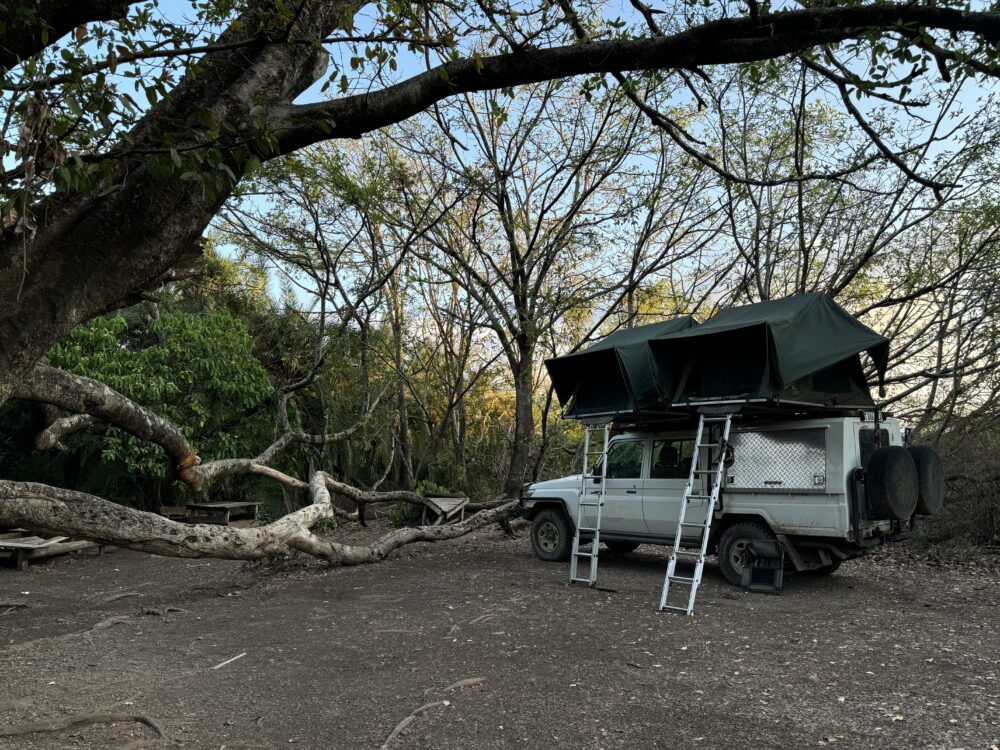
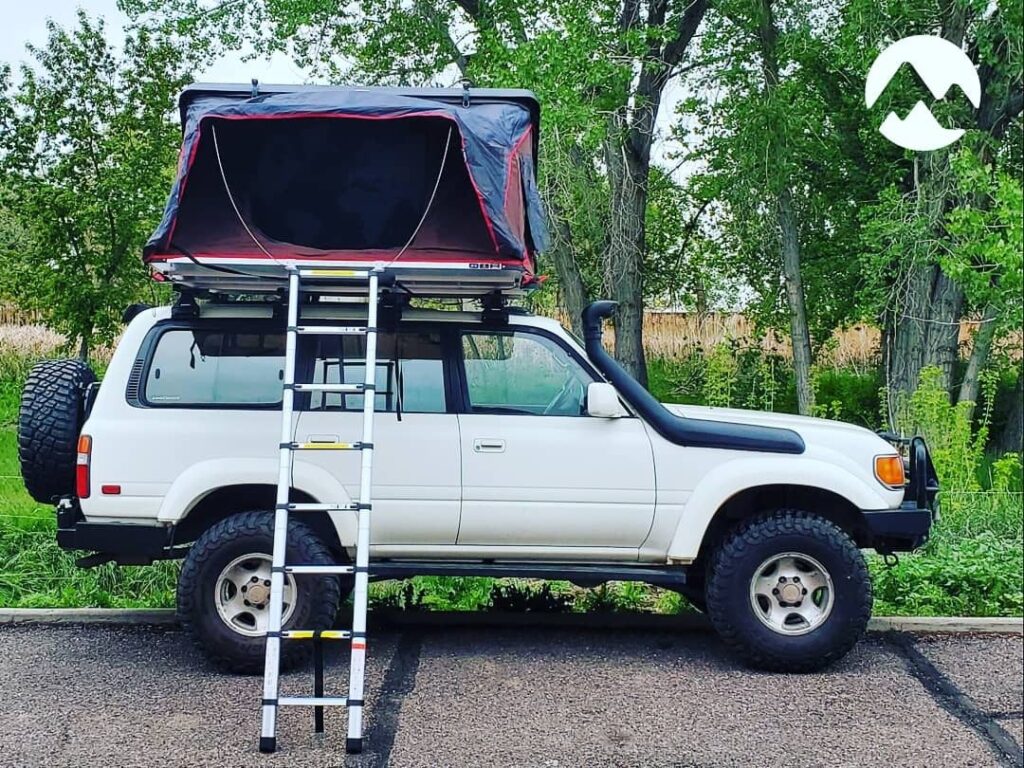
A rooftop tent (RTT) is a self-contained sleeping unit that mounts directly onto a vehicle’s roof rack or roof bars. Originally developed for overland expeditions in Africa and Australia, rooftop tents have become a popular choice for safari travellers, overlanders, and adventure campers worldwide.
Unlike traditional ground tents, rooftop tents are set up and packed away in minutes, provide an elevated and safer sleeping position away from ground-level wildlife and insects, and often come with a built-in mattress for superior comfort. Most models feature a folding or pop-up design that deploys rapidly using a gas-assisted mechanism or telescoping poles.
Types of Rooftop Tents
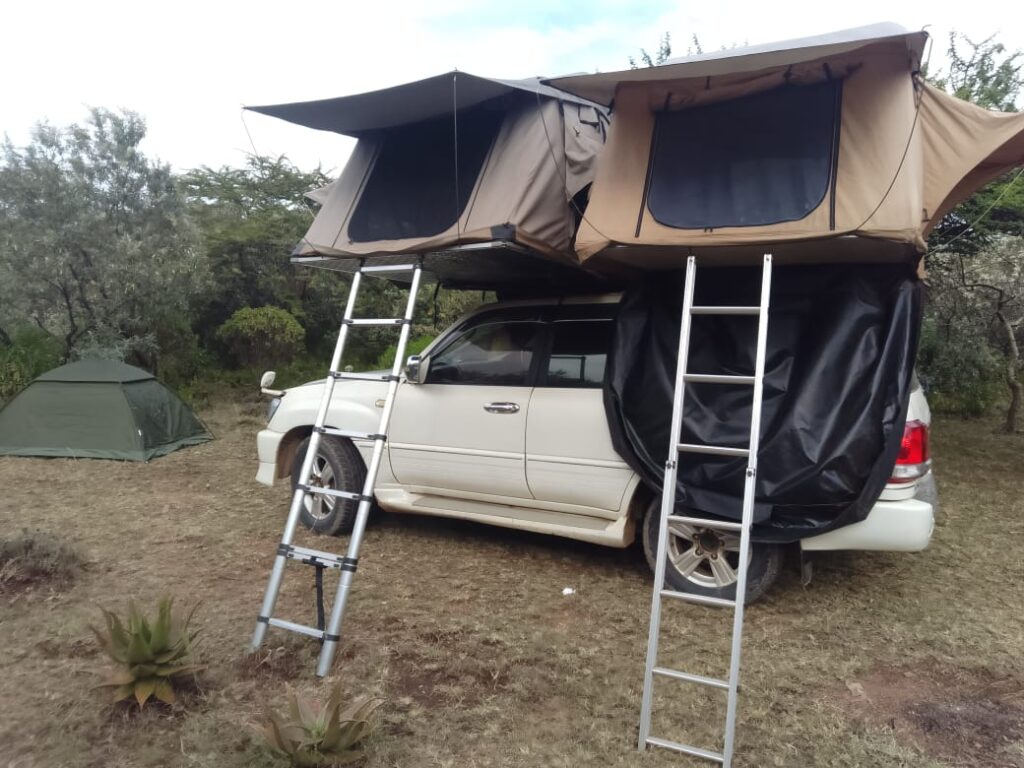
- Soft-Shell Rooftop Tents: The traditional folding style. Lightweight, packable, and affordable. They open by unfolding a hinged shell covered with durable canvas. Popular brands include Tepui, Front Runner, and CVT.
- Hard-Shell Rooftop Tents: Clamshell-style tents with a rigid fibreglass or aluminium shell. They open at the push of a button, are waterproof, aerodynamic, and very quick to set up. Popular in Tanzania for their durability in the bush.
- Hybrid Rooftop Tents: A combination of hard-shell sides with a fabric roof. Offer a balance of weight savings and structural strength.
Why Choose Rooftop Tent Camping in Tanzania?
Tanzania is one of the most compelling destinations in the world for rooftop tent camping. Here is why this mode of travel resonates so deeply with adventurers who visit:
Safety and Elevation
Tanzania’s national parks and game reserves are genuine wilderness areas. Lions, leopards, hyenas, elephants, and buffalo roam freely — sometimes passing within metres of campsites at night. Sleeping in a rooftop tent raises you 1.5 to 2 metres off the ground, which significantly reduces the risk of dangerous wildlife encounters compared to ground camping. While no camping method in Africa is entirely without risk, an elevated position on a vehicle offers meaningful peace of mind.
Immersion in Nature
Waking to a sunrise over the Serengeti, hearing a lion roar in the distance, or watching elephants move silently past your vehicle in the early morning — these are experiences that no lodge can replicate. A rooftop tent places you directly inside the African ecosystem, sleeping under a sky ablaze with stars and awakening to the full sensory richness of the bush.
Flexibility and Freedom
With a rooftop tent fitted to your 4WD vehicle, you are not tied to fixed lodge locations or specific itineraries. You can follow the Great Migration as it moves across the Serengeti, camp beside a river in Ruaha, or park atop a kopje at sunset in the Ngorongoro Conservation Area. The freedom to explore at your own pace and stay in remote, less-visited corners of the country is invaluable.
Cost Effectiveness
Tanzania has some of the most expensive safari lodges on the continent. Luxury properties in the Serengeti can cost $500–$2,000 USD per person per night. Rooftop tent camping at public and special campsites typically costs $20–$50 per person per night (plus park fees), making multi-week safaris significantly more accessible for budget-conscious travellers without compromising on wildlife experiences.
Where Can You Camp with a Rooftop Tent in Tanzania?
Tanzania’s Tanzania National Parks (TANAPA) system and Ngorongoro Conservation Area Authority (NCAA) manage an extensive network of campsites. There are two main categories available to rooftop tent campers:
Public Campsites
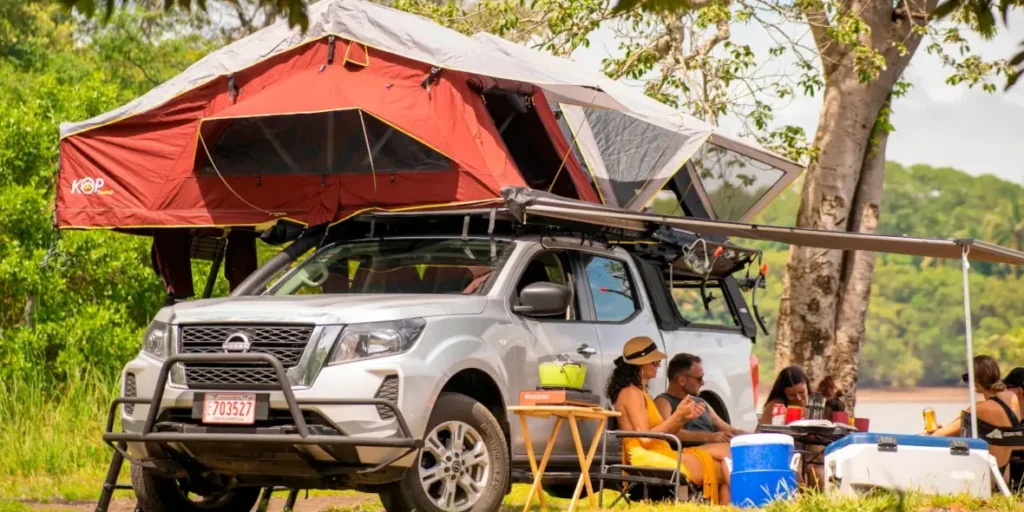
Public campsites are the most accessible and affordable option. They offer basic amenities such as long-drop toilets and sometimes running water or bucket showers. They are unfenced and open to any wildlife that passes through — which is both thrilling and requires vigilance. Public campsites are available in:
- Serengeti National Park (multiple sites including Seronera, Lobo, and Ndutu areas)
- Ngorongoro Conservation Area (including campsites on the crater rim)
- Tarangire National Park
- Lake Manyara National Park
- Ruaha National Park
- Mikumi National Park
- Katavi National Park
- Mahale Mountains and Gombe Stream (for the more adventurous)
Special Campsites
Special campsites are exclusive-use locations bookable for a single group at a time, often set in prime wildlife corridors or scenic locations. They cost more ($50–$200 USD per night) but offer unparalleled privacy. There are no facilities whatsoever — you are entirely self-sufficient. This is where rooftop tent camping truly comes into its own. Some special campsites in the Serengeti are positioned directly on the migration routes and provide extraordinary proximity to wildlife with no other camps nearby.
Top Destinations for Rooftop Tent Camping in Tanzania
Serengeti National Park
The Serengeti is the crown jewel of Tanzania’s safari circuit and arguably the greatest wildlife spectacle on Earth. Covering nearly 15,000 square kilometres of open savannah, woodland, and riverine forest, it supports the largest concentration of plains game in Africa. Rooftop tent camping here places you amidst one of nature’s most dramatic performances: the Great Wildebeest Migration, during which over 1.5 million wildebeest, zebra, and gazelle move in a circular pattern across the ecosystem.
The best camping areas in the Serengeti include the central Seronera Valley (year-round big cat sightings), the Northern Serengeti near the Mara River (July–October for dramatic river crossings), and the Southern Serengeti near Ndutu (January–March for calving season).
Ngorongoro Conservation Area
The Ngorongoro Crater is the world’s largest intact volcanic caldera and one of Tanzania’s most iconic destinations. The crater floor is home to an estimated 25,000 large animals, including a stable population of black rhino — one of the last places in East Africa where this critically endangered species can be reliably seen. Rooftop tent camping is permitted at several sites along the crater rim, where temperatures can drop significantly at night (the altitude is around 2,300 metres), making a good sleeping bag essential.
Tarangire National Park
Often overlooked in favour of the Serengeti, Tarangire is a hidden gem of the northern circuit. Famous for its ancient baobab trees and huge elephant herds, the park sees the largest elephant concentrations in Tanzania during the dry season (June–October). The Tarangire River acts as a magnet for wildlife, and camping beside it at night — surrounded by the sounds of hippos grunting and hyenas calling — is an unforgettable experience.
Ruaha National Park
Tanzania’s largest national park, Ruaha is a remote and wild destination that rewards adventurous self-drive campers with extraordinary wildlife viewing and almost complete solitude. The Great Ruaha River supports large concentrations of crocodile, hippo, and water birds, while the surrounding miombo woodland harbours large elephant herds, lion, wild dog, cheetah, and the rare greater kudu. Rooftop tent camping here feels genuinely off the beaten path.
Lake Manyara National Park
Compact but extraordinarily diverse, Lake Manyara stretches along the base of the Great Rift Valley escarpment. It is famous for its tree-climbing lions, enormous flocks of flamingoes on the alkaline lake, and rich birdlife. The park is an excellent first destination for those new to rooftop tent camping in Tanzania, as it is relatively accessible from Arusha and the campsites are well-maintained.
Renting a Rooftop Tent Vehicle in Tanzania
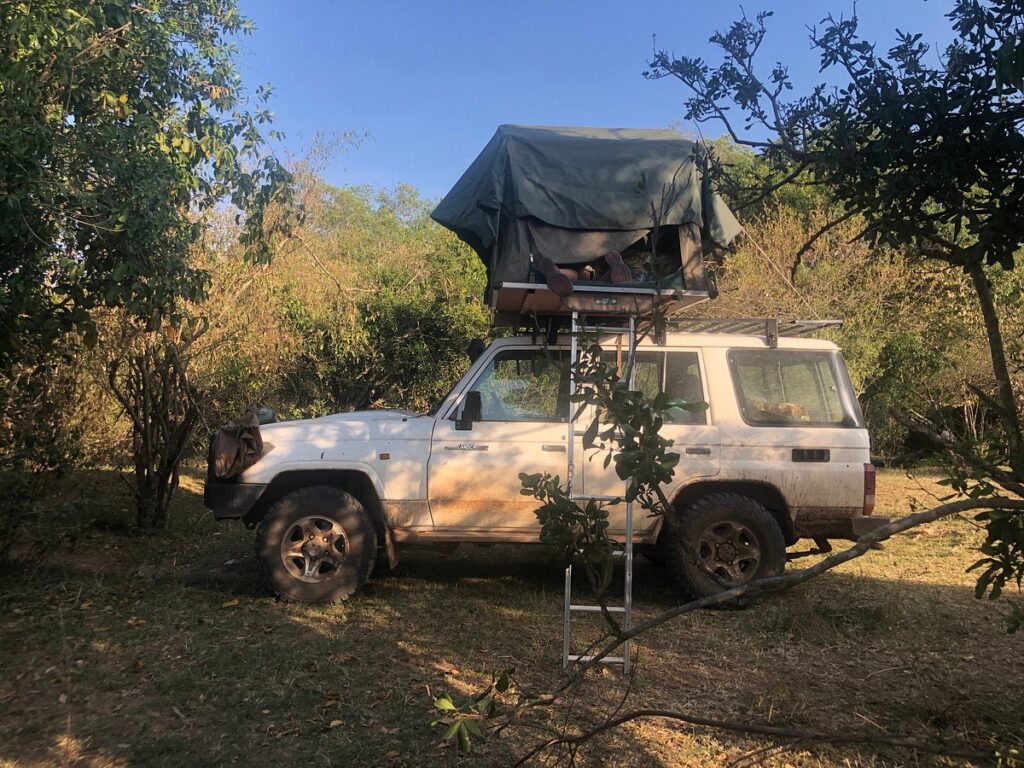
Most visitors to Tanzania do not bring their own vehicle. Fortunately, a well-established rental market exists — primarily based in Arusha and Dar es Salaam — offering 4WD vehicles pre-fitted with rooftop tents, camping kitchens, and all necessary equipment.
What Is Typically Included in a Rooftop Tent Rental Package?
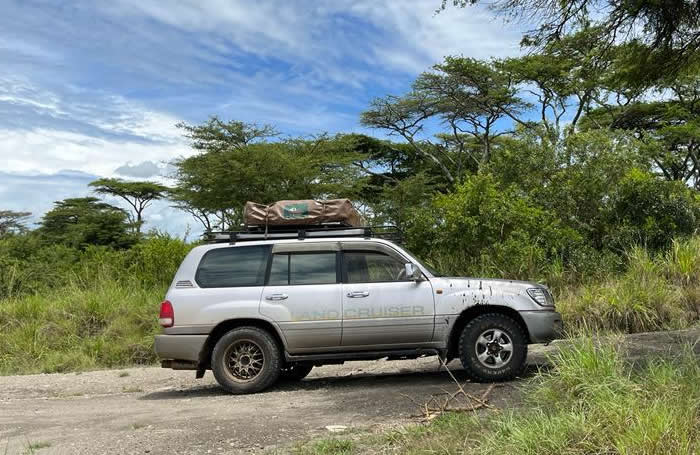
- 4WD vehicle (Toyota Land Cruiser, Toyota Hilux, or Land Rover Defender most common)
- Rooftop tent with built-in mattress and bedding (pillow, sheets, duvet or sleeping bags)
- Camping kitchen (gas stove, pots, pans, utensils, plates, cups)
- Fridge or cooler box
- Camp chairs and folding table
- Jerrycans for extra water and fuel
- Recovery equipment (high-lift jack, sand boards, tow rope, shovel)
- Roof storage space for luggage
- Basic first aid kit
Rental Costs
Vehicle rental prices vary depending on vehicle type, rental duration, and included equipment. As a general guide:
- Budget 4WD with rooftop tent (e.g. Toyota Hilux): $80–$130 USD per day
- Mid-range 4WD (Toyota Land Cruiser 76 or 79 Series): $130–$200 USD per day
- Premium fully-equipped expedition vehicle: $200–$350 USD per day
Longer rental periods (two weeks or more) often attract meaningful discounts. Prices typically exclude fuel, park entrance fees, and campsite fees.
Essential Equipment and Packing List
Rooftop tent camping in Tanzania requires careful preparation. The following items are essential for a safe, comfortable, and enjoyable experience:
Sleeping and Shelter
- Quality sleeping bag rated to 5°C–10°C minimum (crater and highland nights can be very cold)
- Warm fleece or down jacket
- Pillow (if not provided with rental)
Safety and Wildlife Awareness
- Powerful headlamp with spare batteries (essential for moving around camp at night)
- High-powered torch / spotlight for wildlife scanning
- Emergency whistle
- Always close your tent fully — insects and sometimes small animals can enter open tents
Health and Hygiene
- Malaria prophylaxis (consult your doctor before travel — Tanzania is a high-risk malaria zone)
- DEET-based insect repellent (50%+ concentration)
- Water purification tablets or a Lifestraw-type filter
- Comprehensive first aid kit including wound care, antihistamines, and rehydration sachets
- Hand sanitiser and biodegradable soap
- High-SPF sunscreen and lip balm
Navigation and Communication
- Offline maps downloaded on your phone (Maps.me or OsmAnd for Tanzania tracks)
- Paper maps as backup
- Satellite communicator (e.g. Garmin inReach) for remote areas like Ruaha or Katavi
- Local Tanzanian SIM card (Vodacom, Airtel, or Tigo) for areas with coverage
Wildlife Safety Rules for Rooftop Tent Campers
Tanzania’s national parks are not zoos. The wildlife is wild, unpredictable, and potentially dangerous. Rooftop tent campers must adhere strictly to safety protocols:
- Never descend from your rooftop tent at night in unfenced campsites. This is the most important rule. Always use your vehicle to descend, and only in an emergency.
- Keep all food inside the vehicle, never in the tent. Smells attract predators and scavengers. Hyenas in particular are expert food thieves and will tear into bags and cooler boxes.
- Do not approach wildlife on foot. All game drives and wildlife observation must be conducted from inside your vehicle.
- Keep noise and light to a minimum after dark. Bright lights can disorient or provoke wildlife.
- Follow the park ranger’s instructions at all times. Rangers have the authority to remove campers who violate safety rules.
- Carry park emergency contact numbers and know the location of the nearest ranger post.
Best Time of Year to Go Rooftop Tent Camping in Tanzania
Tanzania can be visited year-round, but different seasons offer different experiences:
Dry Season: June – October
The dry season is widely considered the best time for camping. Wildlife concentrates around remaining water sources, vegetation thins out making animals easier to spot, and the absence of rain means roads (especially in parks like Ruaha) are passable by most 4WD vehicles. Nights can be cold, particularly in the highlands and crater regions, but days are warm and sunny.
Short Dry Season: January – February
The brief dry period between the two rainy seasons is excellent for the Ndutu area, where wildebeest calving takes place. This is one of the most dramatic wildlife events of the year, with thousands of calves born in just a few weeks — and predators gathering in extraordinary numbers. Rooftop tent camping during this period offers front-row seats to a natural spectacle.
Green / Wet Season: November – May
The green season brings lush landscapes, newborn animals, and fantastic birdlife. Camping is more challenging due to muddy tracks (a high-clearance 4WD is essential), and some remote campsites become inaccessible. However, park fees are lower, campsites are less crowded, and the scenery is breathtakingly beautiful. Experienced overland campers often prefer this season for its rawness and solitude.
Permits, Park Fees, and Regulations
All visitors to Tanzania’s national parks are required to pay entrance fees, which are in addition to campsite fees. These are set by TANAPA (for national parks) and the NCAA (for Ngorongoro) and are subject to change. Fees must be paid in advance through the official TANAPA online booking system (parks.tanzaniaparks.go.tz).
As of recent years, adult non-resident entrance fees are approximately $70–$100 USD per 24-hour period for the Serengeti, $80 for Ngorongoro Crater, and $35–$45 for smaller parks such as Tarangire and Manyara. Vehicle fees are also charged separately. All campsites (including special campsites) must be booked and paid for in advance. The special campsite system is particularly competitive — book several months ahead for peak-season dates.
Practical Tips for First-Time Rooftop Tent Campers in Tanzania
- Practice setting up your rooftop tent before you arrive in Tanzania. The mechanisms vary between models — do not attempt your first deployment in the dark in lion country.
- Keep your vehicle well-maintained. Carry two spare tyres, not one. A puncture deep in Ruaha or Katavi can turn dangerous without adequate spares.
- Carry more fuel than you think you need. Distances between filling stations in southern and western Tanzania are enormous. A roof-mounted jerrycan is not optional in remote areas.
- Always carry at least 10 litres of drinking water per person per day as a minimum reserve.
- Respect the Leave No Trace principles. Take all waste out of the parks. Never feed animals. Avoid off-road driving outside designated tracks.
- Travel with a companion vehicle where possible in very remote areas.
- Purchase comprehensive travel insurance including emergency medical evacuation coverage before your trip.
- Learn a few words of Swahili — it goes a long way with locals and park staff.
Environmental Responsibility
Tanzania’s wilderness is a globally irreplaceable natural heritage. Rooftop tent campers have a responsibility to minimize their impact:
- Stick strictly to designated camping areas and vehicle tracks. Off-road driving in national parks is prohibited and causes lasting damage to fragile ecosystems.
- Use biodegradable soaps and shampoos and dispose of wastewater responsibly, well away from water sources.
- Carry all rubbish out of the park. Plastic waste in particular harms wildlife.
- Use solar-powered lanterns and battery packs where possible to reduce noise from generators.
- Support conservation by choosing operators that contribute a portion of revenue to wildlife and community projects.
Conclusion
Rooftop tent camping in Tanzania is one of the most immersive and rewarding travel experiences on earth. It combines the thrill of genuine African wilderness with the freedom of self-drive exploration and the comfort of a well-equipped mobile camp. Whether you are chasing the Great Migration across the Serengeti, marvelling at the birdlife in Manyara, or camping alone beside the Ruaha River as hippos surface at dusk, a rooftop tent gives you front-row access to Africa at its most authentic.
With proper preparation, respect for wildlife, and a spirit of adventure, Tanzania’s national parks and game reserves offer rooftop tent campers a lifetime of memories. The stars are closer here, the sounds more primal, and the connection to the natural world more profound than almost anywhere else on the planet. Come prepared, travel responsibly, and let Tanzania’s extraordinary landscapes and wildlife redefine what it means to camp under the stars.