Rent an SUV in Tanzania
Rent an SUV in Tanzania, Tanzania is one of Africa’s most spectacular destinations, home to the Serengeti, Mount Kilimanjaro, the Ngorongoro Crater, Zanzibar’s turquoise beaches, and countless hidden gems accessible only by road. Navigating this breathtaking country, however, requires the right vehicle. An SUV (Sport Utility Vehicle) is by far the most practical, comfortable, and reliable choice for travelers exploring Tanzania’s diverse landscapes.
From the bustling city streets of Dar es Salaam and Arusha to the red-dust tracks of the Serengeti and the rugged mountain trails near Kilimanjaro, Tanzania’s road network varies enormously. Many rural roads, national park tracks, and safari circuits are unpaved, rocky, and seasonally flooded — conditions that demand a high-clearance, four-wheel-drive vehicle. An SUV delivers exactly that capability, while also offering passenger comfort, luggage space, and safety features that smaller cars simply cannot match.
This comprehensive guide covers everything you need to know about renting an SUV in Tanzania: the best models available, where to rent, how much it costs, important legal requirements, safety tips, top destinations, and insider advice to make your Tanzania road trip unforgettable.
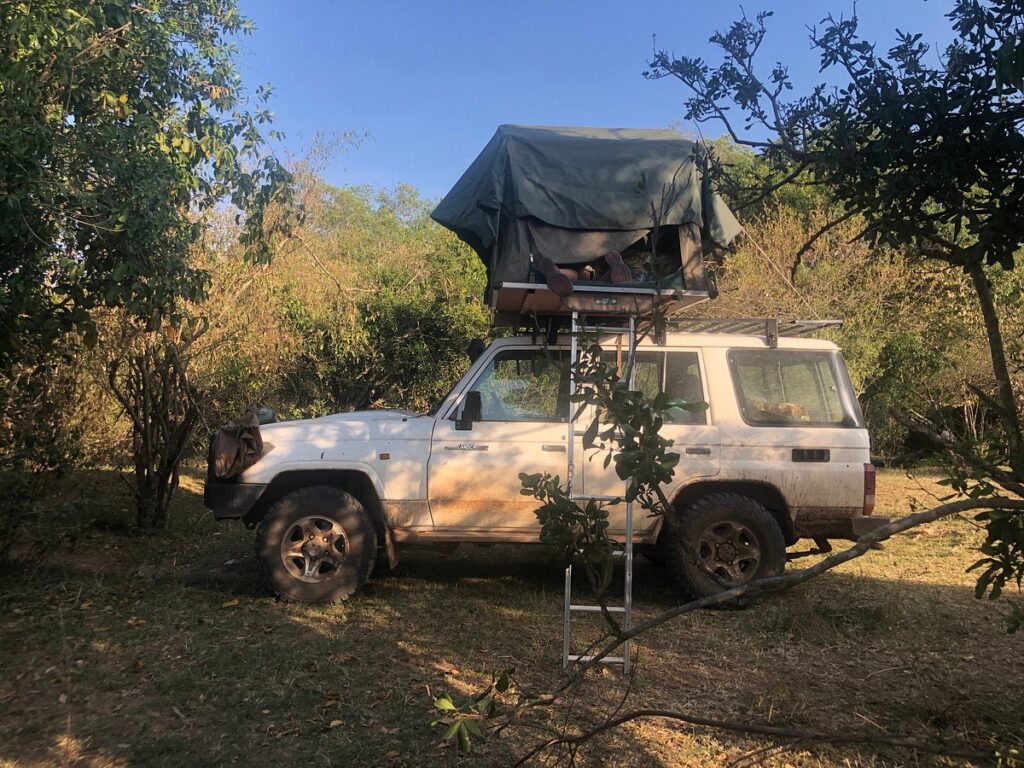
Top Reasons to Choose an SUV for Your Tanzania Trip
Renting an SUV in Tanzania is not just a preference — for many itineraries, it is an absolute necessity. Here is why experienced travelers and safari operators consistently choose SUVs:
- Off-Road Performance: Off-road capability is essential for accessing most national parks and game reserves. Roads inside the Serengeti, Tarangire, Ruaha, and Selous are entirely unpaved and can be deeply rutted, especially during and after the rainy seasons (March–May and November–December). A standard 4WD SUV handles these conditions with ease.
- Ground Clearance: High ground clearance prevents damage from rocks, tree roots, potholes, and standing water that regularly disable ordinary sedans and hatchbacks on Tanzanian rural roads.
- Versatility Across Terrain: Tanzania’s diverse geography means you could drive from sea-level coastal roads to highland tracks above 1,500 meters in a single day. SUVs handle elevation changes, loose gravel, and slippery surfaces far better than low-clearance vehicles.
- Comfort & Space: Most touring and safari SUVs in Tanzania seat 5 to 8 passengers and provide generous luggage space, making them ideal for families, small groups, and travelers with camping or photographic equipment.
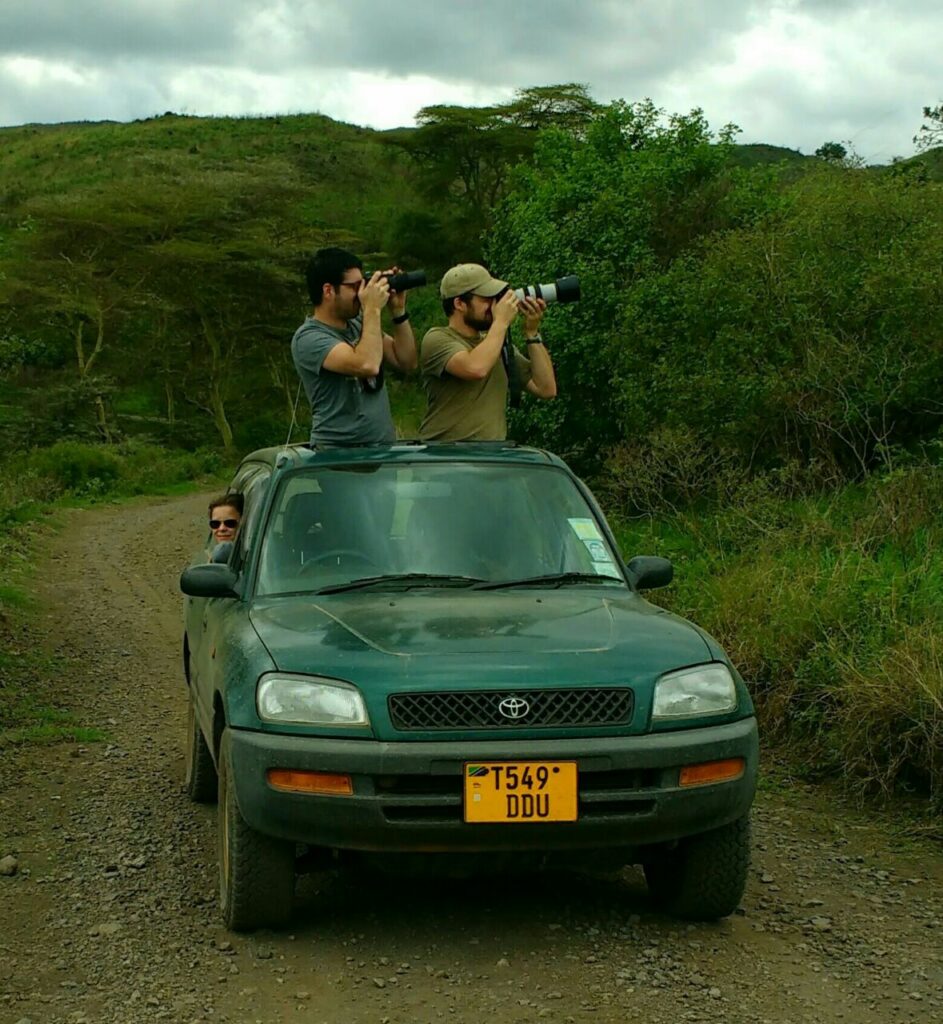
- Safari Pop-Up Roofs: During game drives, many operators fit SUVs with pop-up roofs, allowing passengers to stand and photograph wildlife — an experience impossible in standard cars.
- Safety Features: Modern rental SUVs in Tanzania are often fitted with GPS navigation, dashcams, first-aid kits, fire extinguishers, and communication devices — critical for remote travel safety.
- Extended Fuel Range: Tanzania’s fuel stations are reasonably well distributed in major towns, but long inter-city journeys may require carrying extra fuel. SUVs typically have larger fuel tanks (70–100 litres) for extended range.
Best SUV Models Available for Rental in Tanzania
Tanzania’s car rental market offers a wide selection of SUVs ranging from budget-friendly options to premium expedition vehicles. The following are the most popular and recommended models:
1. Toyota Land Cruiser 200 Series — The Gold Standard
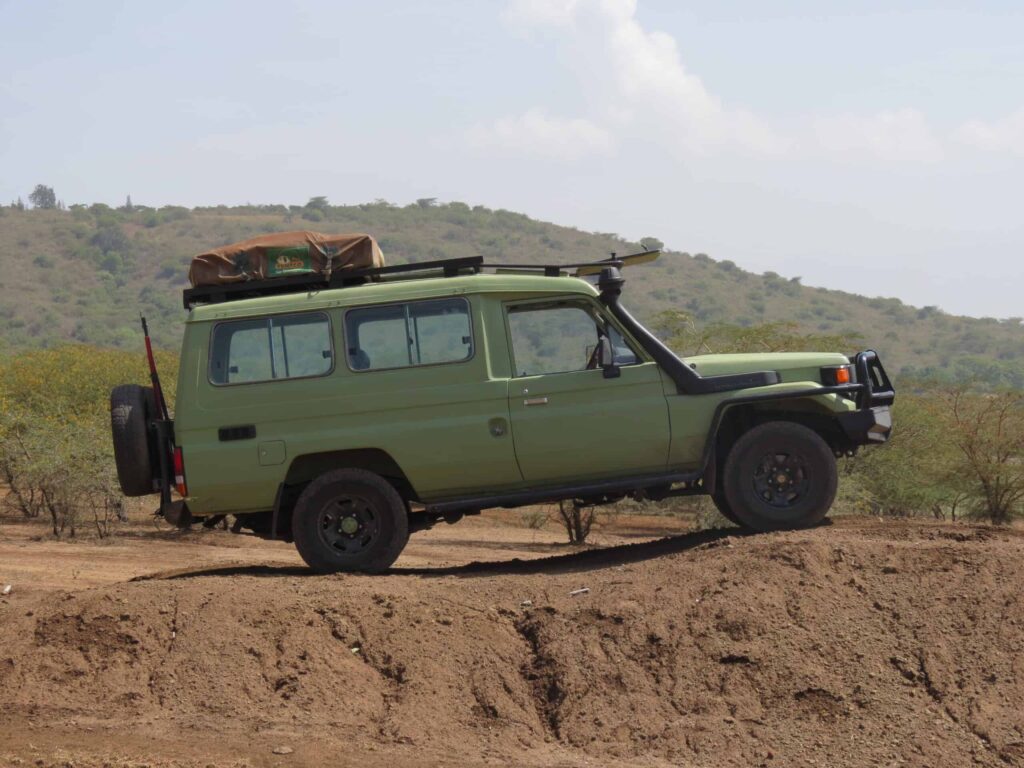
The Toyota Land Cruiser 200 is widely considered the best all-round safari and expedition vehicle in Tanzania. Trusted by tour operators, government agencies, and adventurers alike, this legendary SUV combines raw off-road capability with modern luxury and unmatched reliability. Its proven 4.5L V8 diesel engine, multi-terrain 4WD system, and rock-solid build quality make it the vehicle of choice for serious safari-goers.
- Engine: 4.5L V8 twin-turbo diesel, 195kW
- Seating capacity: 7 passengers
- Fuel tank: 87 litres + 23-litre auxiliary
- Ground clearance: 225mm
- Wading depth: 700mm — ideal for river crossings
- Key features: KDSS suspension, Crawl Control, Multi-Terrain Select, full-time 4WD
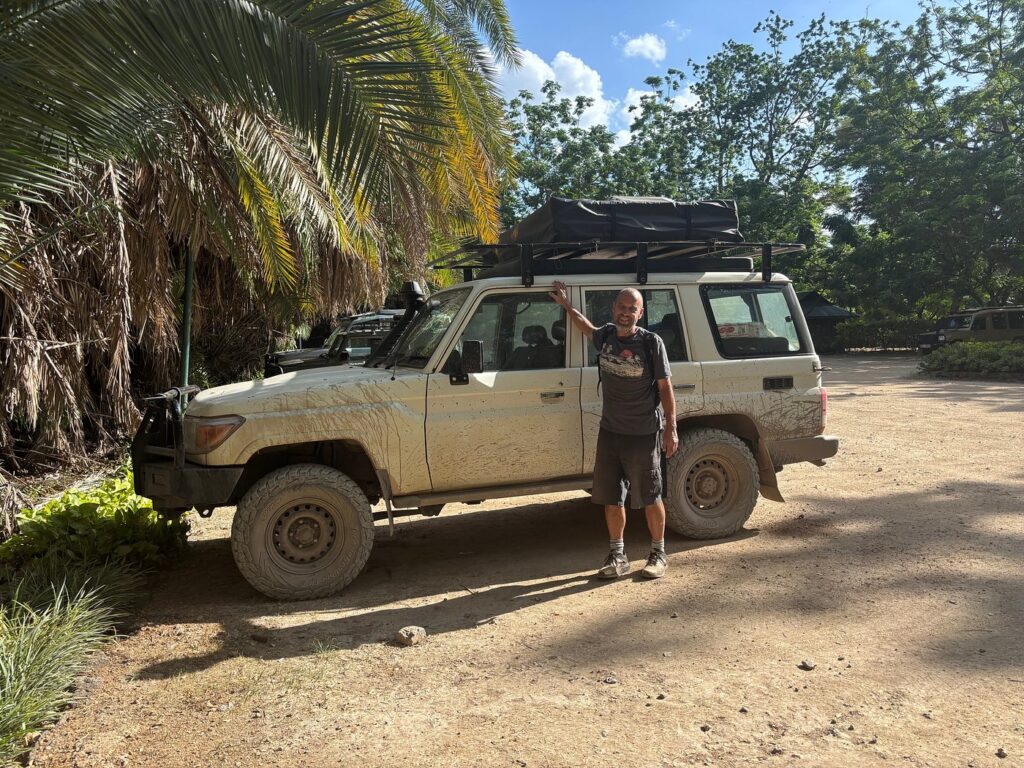
2. Toyota Land Cruiser Prado — Best City-Safari Balance
The Prado is the most popular choice for travelers who split their time between city driving and moderate off-road adventures. It is lighter and more fuel-efficient than the 200 Series while still offering genuine 4WD capability, making it excellent for routes like Arusha-Serengeti or Dar es Salaam-Mikumi.
- Engine: 2.8L 4-cylinder turbo diesel
- Seating: 7 passengers
- Ground clearance: 215mm
- Key features: Kinetic Dynamic Suspension, A-TRC traction control, Downhill Assist Control
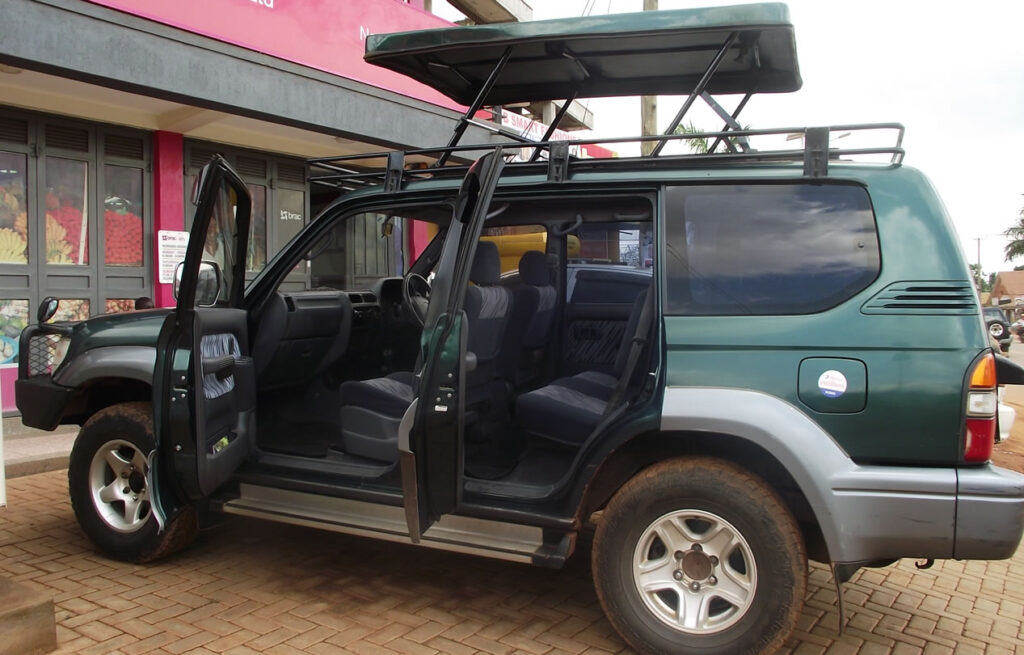
3. Toyota Fortuner — Best Budget Safari SUV
The Fortuner offers excellent value for budget-conscious travelers who still need off-road capability. It handles most Tanzanian safari roads with confidence and is widely available at rental agencies across the country. It is particularly popular for the Northern Circuit parks including Tarangire and Lake Manyara.
- Engine: 2.4L or 2.8L turbo diesel
- Seating: 7 passengers
- Ground clearance: 215mm
- Fuel efficiency: Approximately 10–12L/100km on mixed terrain
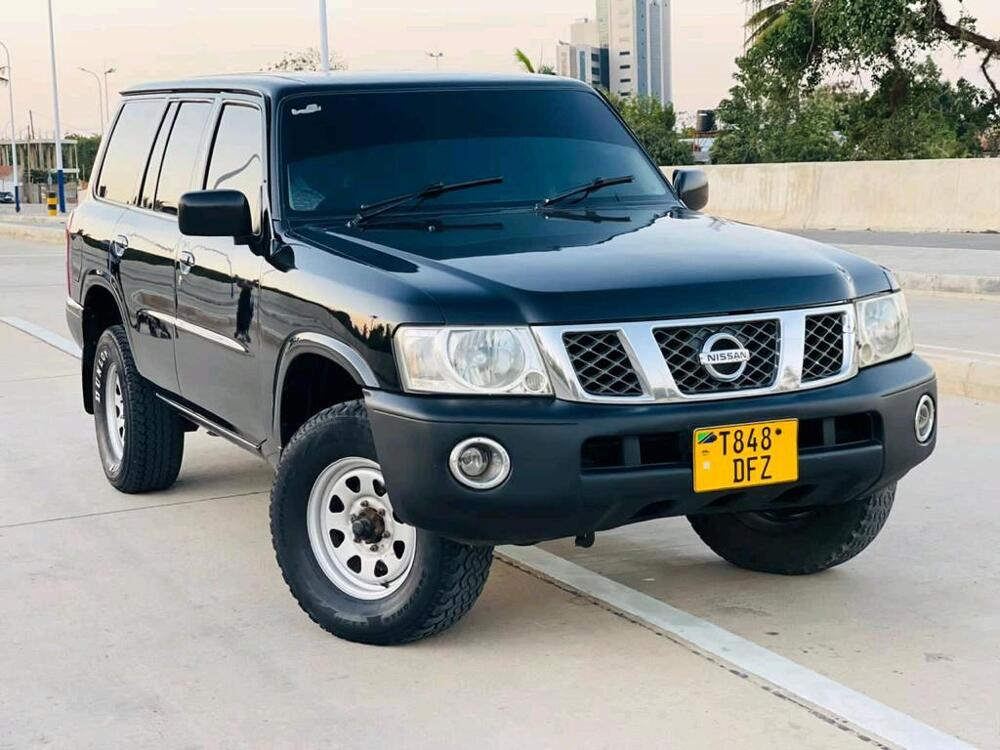
4. Nissan Patrol Y62 — Best for Large Groups
The Nissan Patrol is a formidable, full-size SUV that excels in deep off-road conditions and long-distance touring. With seating for up to 8 passengers and a massive 100-litre fuel tank, it is the preferred vehicle for large family trips and extended wilderness expeditions in southern Tanzania.
- Engine: 5.6L V8 petrol
- Seating: 8 passengers
- Ground clearance: 241mm
- Best for: Selous Game Reserve, Ruaha, Katavi
5. Toyota RAV4 — Best for Urban & Light Off-Road
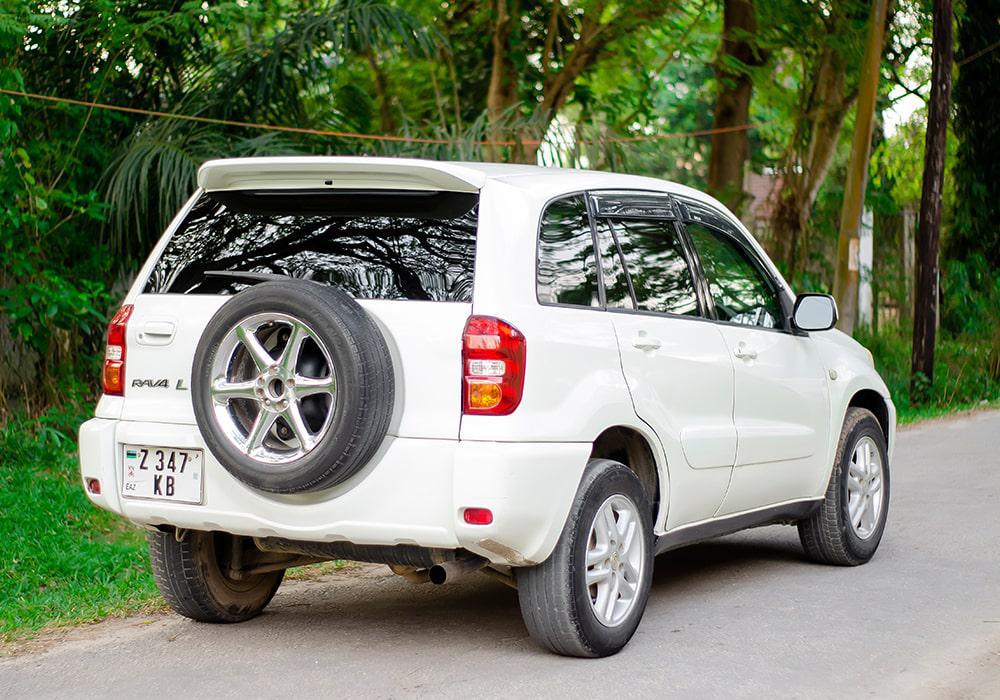
For travelers spending most of their time in Dar es Salaam, Arusha, or Zanzibar with only occasional light off-road driving, the RAV4 is an economical, practical choice. Its compact dimensions make city parking manageable, while AWD provides adequate grip on gravel roads.
- Engine: 2.0L petrol or hybrid
- Seating: 5 passengers
- Ground clearance: 200mm
- Best for: Urban travel, Zanzibar island roads, paved highway routes
6. Land Rover Defender — Premium Adventure SUV
For discerning travelers who want premium design, cutting-edge technology, and world-class off-road performance, the new Land Rover Defender is the ultimate choice. It is available at select premium rental agencies in Arusha and Dar es Salaam and commands a premium price that reflects its exceptional capabilities.
- Engine: 3.0L inline-6 turbo diesel or petrol
- Seating: 5 or 7 passengers (90 or 110 variant)
- Ground clearance: 291mm (with air suspension raised)
- Key features: Terrain Response 2, ClearSight Ground View, 3D Surround Camera
SUV Rental Comparison Table
The table below summarizes the most important specifications and pricing for the top SUV rental options in Tanzania:
| SUV Model | Seats | Drive | Best For | Avg. Daily Rate (USD) |
| Toyota Land Cruiser 200 | 7 | 4WD | Long safaris, rough terrain | $150 – $220 |
| Toyota Land Cruiser Prado | 7 | 4WD | Safari & city combo | $110 – $160 |
| Toyota RAV4 | 5 | AWD | City & light off-road | $70 – $100 |
| Nissan Patrol Y62 | 8 | 4WD | Group safaris, long range | $140 – $200 |
| Toyota Fortuner | 7 | 4WD | Budget safari, family | $90 – $130 |
| Land Rover Defender | 5–7 | 4WD | Premium adventure | $180 – $280 |
| Mitsubishi Pajero | 7 | 4WD | Budget-friendly safari | $80 – $120 |
Note: Prices are approximate and vary by rental company, season, included services, and vehicle condition. High season (June–October) rates may be 20–35% higher than low season.
Where to Rent an SUV in Tanzania
SUV rentals are available in all major Tanzanian cities and airports. Below is a detailed breakdown of the key rental hubs:
Dar es Salaam
As Tanzania’s commercial capital, Dar es Salaam has the widest selection of car rental companies and SUV models. Julius Nyerere International Airport (DAR) hosts major international brands alongside reputable local operators. The city is the ideal starting point for road trips to Mikumi, Selous, and the southern coastal towns.
- Major rental zones: Airport terminals, Msasani Peninsula, City Centre, Posta area
- Recommended for: Coastal routes, Southern Circuit safaris, business travel
- Drive time to Mikumi NP: Approximately 5 hours
Arusha
Arusha is the safari capital of Tanzania and the gateway to the Northern Circuit — home to Serengeti, Ngorongoro, Tarangire, Lake Manyara, and Kilimanjaro. Kilimanjaro International Airport (JRO) and Arusha Airport both serve the area, and dozens of safari-specialist car rental companies operate here.
- Major rental zones: Around Arusha town centre, near KIA airport, along the Nairobi highway
- Recommended for: All Northern Circuit parks, Kilimanjaro drives, Arusha NP
- Drive time to Serengeti: Approximately 8–9 hours
Zanzibar
Zanzibar Island (Unguja) is well-served by car rental companies based in Stone Town, Nungwi, and near the airport. Most roads on Zanzibar are tarmac or graded gravel, so while a 4WD is not strictly necessary, a high-clearance SUV is still recommended for rural areas and during the rainy season.
- Major rental zones: Stone Town, Nungwi, Kendwa, Paje
- Recommended for: Island exploration, beach-hopping, spice farm tours
- Note: Vehicles cannot be transported between the mainland and Zanzibar — separate rentals are required
Mwanza
Tanzania’s second-largest city on the shores of Lake Victoria is an emerging rental hub for travelers heading to the western Serengeti, Rubondo Island, or continuing overland into Kenya and Uganda.
SUV Rental Pricing in Tanzania
Understanding Tanzania’s car rental pricing structure will help you budget accurately and avoid hidden costs. Prices are typically quoted in US Dollars (USD), which is widely accepted alongside Tanzanian Shillings (TZS).
| Rental Type | Duration | Estimated Cost | Notes |
| Self-Drive SUV | Per day | $70 – $180 | Valid intl. driver license needed |
| Chauffeured SUV | Per day | $120 – $250 | Driver + fuel may be included |
| Safari Package SUV | Multi-day | $100 – $200/day | Inclusive of fuel, driver, park fees |
| Airport Transfer SUV | One-way | $40 – $100 | JRO or DAR airport |
What Is (and Is Not) Usually Included
When comparing rental quotes, always clarify exactly what is included. Standard rental packages in Tanzania may include:
- Comprehensive insurance (verify the excess/deductible amount)
- Third-party liability insurance
- One driver per booking
- Basic toolkit and spare tire
- 24-hour roadside assistance hotline
Items commonly excluded from base rates:
- Fuel — most rentals are on a ‘full-to-full’ basis
- Additional drivers — usually charged at $5–$15 per day
- Child safety seats — request in advance, typically $5–$10/day
- GPS navigation device — $5–$15/day if not built-in
- Rooftop cargo carrier or camping equipment
- National park entry fees — these are separate and can be substantial
- Cross-border fees if driving into Kenya, Uganda, or Rwanda
Legal Requirements for Renting an SUV in Tanzania
Before booking your SUV rental, ensure you meet all legal requirements. Non-compliance can result in fines, vehicle impoundment, or being denied rental at the counter.
Driver’s License Requirements
- A valid national driver’s license from your home country is required
- An International Driving Permit (IDP) is strongly recommended and required by most major rental companies — obtain one before departure from your home country
- Minimum age: Most companies require drivers to be at least 23 years old; some set the minimum at 25
- Maximum age: Some companies impose restrictions for drivers over 70 years old
- Tanzania drives on the LEFT side of the road — be aware if coming from a right-hand traffic country
Documentation Required
- Original passport (photocopies not accepted by most agencies)
- Valid national driver’s license
- International Driving Permit (IDP)
- Credit or debit card for the security deposit (typically $500–$2,000 hold)
- Proof of accommodation or safari itinerary
Insurance Considerations
- Collision Damage Waiver (CDW) reduces your liability in case of vehicle damage — highly recommended
- Super CDW eliminates the excess completely — worth considering for off-road travel
- Personal travel insurance should cover vehicle-related medical emergencies — check your existing policy
- Theft Protection (TP) is essential given the value of safari SUVs
Top SUV Road Trip Destinations in Tanzania
Tanzania rewards road travelers with some of Africa’s most spectacular scenery and wildlife. Here are the must-drive routes and destinations:
1. Serengeti National Park
The world-famous Serengeti is the crown jewel of Tanzania’s safari circuit and the ultimate destination for SUV travelers. Covering over 14,750 square kilometres, the park’s vast plains host the annual Great Migration — the largest movement of animals on Earth, when over 1.5 million wildebeest and hundreds of thousands of zebra follow the rains in a spectacular seasonal cycle.
- Access: Via Arusha — Ngorongoro — Western Gate (approx. 9 hours)
- Road condition: All tracks inside the park are unpaved; 4WD is mandatory
- Best time to visit: Year-round, with peak wildlife June–October
- Recommended SUV: Toyota Land Cruiser 200 or Prado with pop-up roof
2. Ngorongoro Conservation Area
The Ngorongoro Crater is one of the world’s largest intact volcanic calderas and a UNESCO World Heritage Site. The descent road into the crater is steep, gravelled, and one-way — an experience that demands a well-maintained, powerful SUV. The floor of the crater is home to an extraordinary concentration of wildlife including the endangered black rhinoceros.
- Crater rim elevation: 2,286 metres — temperatures can be cool
- Access road: 4WD mandatory for crater descent
- Entry: Conservation fees apply per vehicle and per person
3. Selous Game Reserve / Nyerere National Park
Africa’s largest game reserve lies in southern Tanzania and is dramatically less visited than the northern parks, offering a wilderness experience of unparalleled solitude. The remote location means road conditions are challenging, particularly during the wet season, making a capable SUV essential.
- Access: Via Dar es Salaam — Mikumi — Selous gate (approx. 5–6 hours)
- Road condition: Mix of tarmac and rough gravel/sand tracks
- Best time to visit: June–October (dry season; roads are passable)
4. Mount Kilimanjaro Region
The majestic Kilimanjaro, Africa’s highest peak at 5,895 metres, dominates the northeastern Tanzanian skyline and draws hundreds of thousands of visitors annually. While climbing Kilimanjaro requires trekking rather than driving, the surrounding region — including Kilimanjaro National Park, Moshi, and the Chagga highlands — offers exceptional SUV touring routes with spectacular mountain views.
- Key highlights: Marangu village, Chagga coffee farms, Materuni waterfall
- Road condition: Tarmac to park gate; gravel beyond
5. Zanzibar Island Circuit
Zanzibar’s compact size (96 km long, 27 km wide) makes it ideal for an SUV day-trip circuit. Starting from Stone Town, you can visit the spice farms of Kizimbani, the ruins at Jozani Forest, the idyllic beaches of Nungwi and Kendwa in the north, and the kite-surfing paradise of Paje in the southeast — all in two to three days of relaxed driving.
- Road condition: Mostly tarmac; some gravel in rural areas
- Recommended SUV: Toyota RAV4 or Prado
- Note: Rental vehicles on Zanzibar cannot be taken to the mainland
6. Southern Highlands & Ruaha
Tanzania’s Southern Highlands encompass the Kipengere Range, the Udzungwa Mountains, and the spectacular Ruaha National Park — the country’s largest national park by area. This region receives fewer visitors than the north but offers extraordinary biodiversity and dramatic scenery. Long stretches of unpaved road make a reliable 4WD SUV indispensable.
- Access: Via Dodoma or Iringa (approximately 10–12 hours from Dar es Salaam)
- Road condition: Tarmac to Iringa; gravel/dirt thereafter
- Wildlife: Lion, elephant, leopard, hippo, crocodile, wild dog
Essential Tips for Renting an SUV in Tanzania
Booking & Planning
- Book at least 4–6 weeks in advance during high season (June–October); Land Cruiser 200s sell out quickly
- Compare quotes from at least three agencies — prices can vary by 40–60% for the same vehicle class
- Read rental terms carefully: mileage limits, fuel policy, off-road permissions, and cross-border clauses
- Confirm whether the vehicle has been recently serviced — ask for the last maintenance date
- Request a vehicle with a high-lift jack, recovery boards (sand ladders), tow rope, and extra spare tires for remote areas
On the Road
- Carry both USD and Tanzanian Shillings (TZS) — fuel stations in remote areas prefer cash
- Download offline maps (Maps.me or Google Maps offline) as mobile data is unreliable in game reserves
- Inform your rental company of your complete itinerary, including which national parks you plan to visit
- Drive cautiously at night — wildlife on roads, livestock, and pedestrians pose serious hazards outside illuminated urban areas
- Carry at least 20 litres of drinking water when heading into national parks or remote regions
- Speed limits: 50 km/h urban, 80 km/h rural, 100 km/h on dual carriageways; traffic police enforce strictly
Vehicle Inspection
- Conduct a thorough walk-around inspection before accepting the vehicle — document every scratch, dent, and chip with dated photographs and video
- Test all electronic systems: 4WD engagement, air conditioning, windows, charging ports, and lights
- Verify tire condition including the spare — tires are the most common cause of breakdowns on Tanzanian roads
- Check engine oil, coolant, and brake fluid levels before departure
Seasonal Guide: Best Time to Rent an SUV in Tanzania
Dry Season: June to October (Peak Season)
The long dry season is the best time for safari road trips in Tanzania. Wildlife concentrates around water sources, making game viewing spectacular. Roads in national parks are at their most accessible, and the Great Migration in the Serengeti reaches its dramatic northern phase with the iconic Mara River crossings. Expect higher rental rates (peak pricing applies) and limited vehicle availability — book well in advance.
Short Dry Season: January to February
A brief dry spell following the short rains, January and February offer excellent value for money. The Serengeti’s southern Ndutu area hosts the wildebeest calving season — one of nature’s most extraordinary spectacles. Temperatures are warm and road conditions are generally good. This is an underrated but outstanding time to visit with your rental SUV.
Long Rains: March to May
The long rainy season brings significant challenges for road travel. Many unpaved roads in national parks become impassable, and some parks temporarily restrict vehicle access. If you must travel during this period, a high-clearance 4WD SUV is absolutely essential. Rental prices are at their lowest, and those who brave the rains are rewarded with lush green landscapes and very few other tourists.
Short Rains: November to December
November and December bring lighter, more unpredictable rainfall. Road conditions vary considerably, but main routes remain passable with a capable SUV. This shoulder season offers a good balance of affordability and accessibility, and the Ngorongoro Crater is particularly beautiful when draped in mist and fresh green vegetation.
Responsible Driving & Eco-Tourism in Tanzania
Tanzania’s national parks and conservation areas are precious, fragile ecosystems that depend on responsible tourism for their long-term survival. As an SUV driver, you have both the privilege and the responsibility to minimize your impact:
- Never drive off designated tracks inside national parks — off-road driving destroys vegetation and disturbs wildlife nesting areas
- Maintain minimum approach distances to wildlife: 25 metres for most animals, 50 metres for lions with cubs and cheetahs during hunts
- Do not honk your horn, rev your engine loudly, or play music near wildlife
- Carry out all waste — littering in national parks is a criminal offense in Tanzania
- Support local communities by hiring local guides, purchasing crafts from certified artisan cooperatives, and dining at locally-owned restaurants
- Use biodegradable products and minimize plastic waste throughout your journey
- Report any suspicious activity (poaching, illegal logging) to Tanzania Wildlife Management Authority (TAWA) rangers
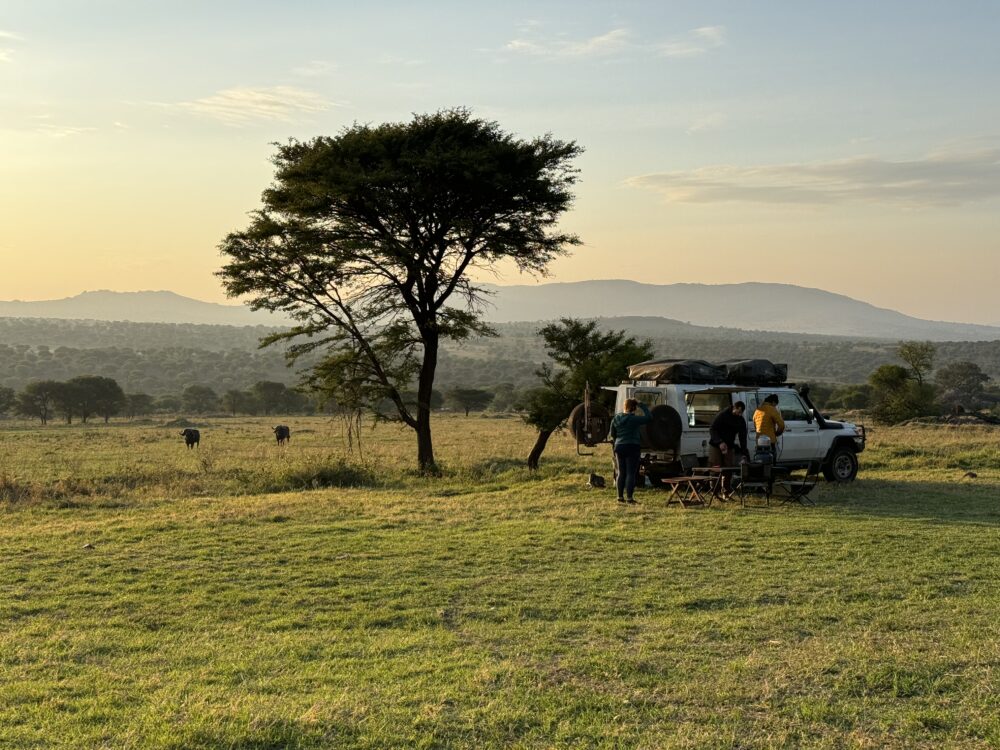
How to Book Your SUV Rental in Tanzania
Booking the right SUV rental in Tanzania involves several straightforward steps:
- Define your itinerary — identify which regions, national parks, and road types you will be covering. This determines the vehicle class you need.
- Compare rental companies — use reputable aggregators or contact agencies directly in Dar es Salaam or Arusha. Request itemized quotes.
- Verify the vehicle’s suitability — confirm the specific model, year, condition, and included equipment (spare tire, recovery gear, GPS).
- Arrange your International Driving Permit (IDP) before departure from your home country.
- Confirm insurance coverage — ensure you have CDW, theft protection, and personal medical coverage.
- Make your booking with a deposit (typically 20–30%) and retain all documentation for the rental counter.
- Conduct a thorough vehicle inspection at pick-up and photograph all pre-existing damage before driving away.
Conclusion
Renting an SUV in Tanzania is one of the best decisions you can make for an African adventure. Whether you are chasing the Great Migration across the Serengeti’s endless plains, descending into the primordial wonder of the Ngorongoro Crater, climbing the winding highland roads near Kilimanjaro, or simply exploring Zanzibar’s sun-drenched coast, an SUV gives you the freedom, confidence, and comfort to experience Tanzania entirely on your own terms.
The Toyota Land Cruiser remains the undisputed king of Tanzanian roads, but whatever model you choose — from the economical Fortuner to the premium Defender — ensure it is well-maintained, properly insured, and supplied with the safety equipment your itinerary demands. Plan ahead, book early in peak season, respect the environment and wildlife, and Tanzania will reward you with memories that last a lifetime.
Tanzania awaits. Start your engine, engage four-wheel drive, and let the adventure begin.