Ground Camping in Tanzania
Tanzania is one of Africa’s most extraordinary wilderness destinations, offering ground campers an unparalleled opportunity to sleep under star-studded skies while surrounded by some of the planet’s most iconic wildlife and landscapes. Unlike glamping or lodge-based safaris, ground camping places you at the very heart of the African bush — where the sounds of lions, hyenas, and night birds become your lullaby, and the smell of the savannah at dawn greets you each morning.
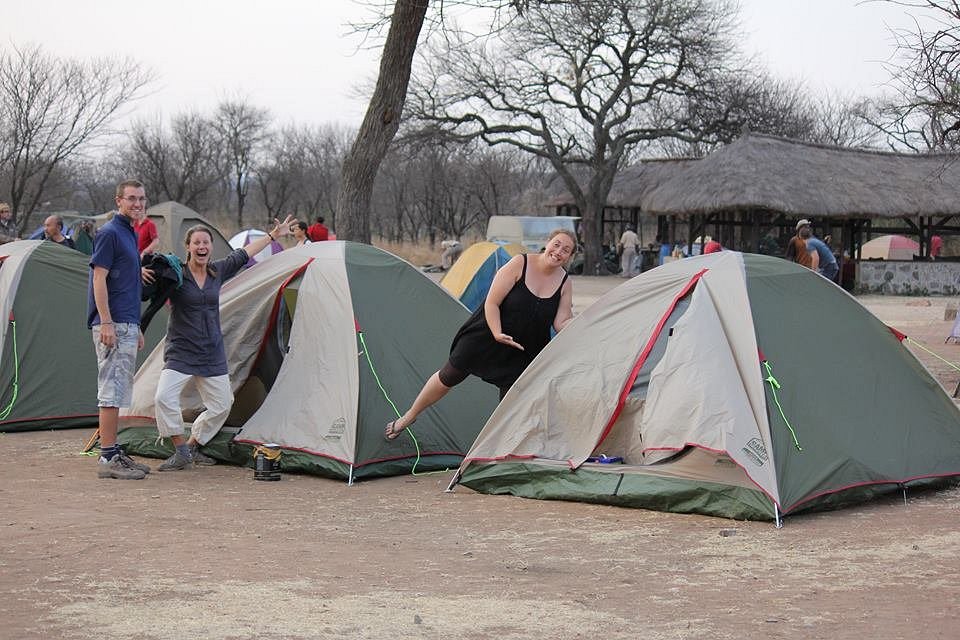
Ground camping in Tanzania spans a remarkable range of environments: the vast grasslands of the Serengeti, the volcanic highlands around Mount Kilimanjaro and Mount Meru, the pristine beaches along the Indian Ocean coast, the dramatic Ngorongoro Crater highlands, the remote wilderness of Ruaha and Selous, and the forested slopes of the Southern Highlands. Each region offers a distinct camping experience with its own wildlife, terrain, climate, and logistical character.
This guide covers everything a ground camper needs to know: from planning and choosing campsites, to gear selection, safety protocols, wildlife encounters, responsible camping ethics, and the best seasons to visit. Whether you are a solo backpacker, a family on a budget safari, or an experienced overlander, Tanzania’s camping options are as diverse as the country itself.
Why Choose Ground Camping in Tanzania?
Immersive Wildlife Experience
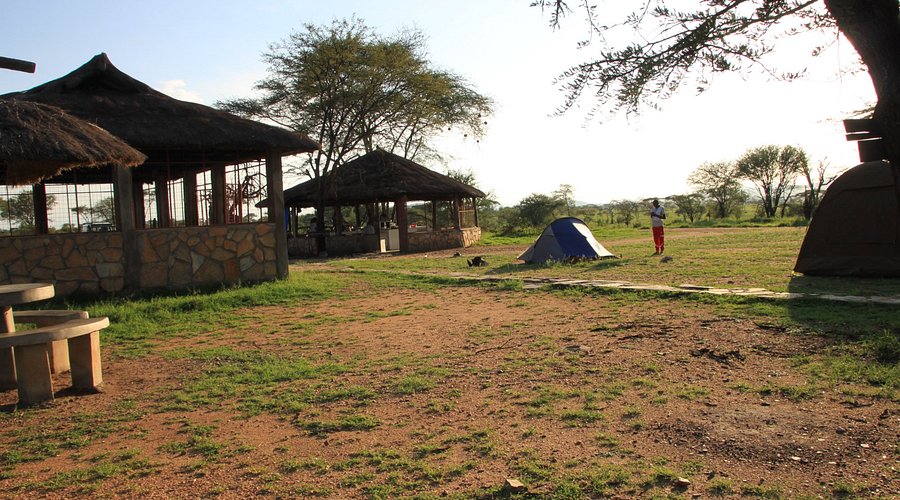
Ground camping brings you closer to Tanzania’s wildlife than any lodge or tented camp can. Without walls between you and the bush, every rustle of grass, distant roar, or hyena laugh becomes an intimate encounter. Many public campsites in Tanzania’s national parks are deliberately unfenced, meaning wildlife can — and often does — pass directly through your camp overnight.
Cost-Effective Safari
Tanzania’s lodge and luxury tented camp prices can be prohibitively expensive, often running $500 to $1,500 USD per person per night. Public and special campsites within the national parks are a fraction of that cost, making a world-class wildlife experience accessible to budget-conscious travelers. Ground camping is especially popular among independent overlanders and backpackers from across East Africa and beyond.
Flexibility and Freedom
Camping gives you the freedom to design your own itinerary, stay longer at places you love, and experience the parks at your own pace. You are not bound by lodge meal times, schedules, or the constraints of a fixed package tour. Ground campers can wake before dawn for game drives, stay out past sunset, and linger over a fire under the Milky Way.
Environmental Connection
There is something fundamentally transformative about sleeping on the ground in the African wilderness. Ground camping fosters a deep ecological awareness, a respect for the natural rhythms of the bush, and a connection to the land that no amount of documentary-watching can replicate. It changes how you see and understand wildlife conservation.
Types of Campsites in Tanzania
Public Campsites (TANAPA Campsites)
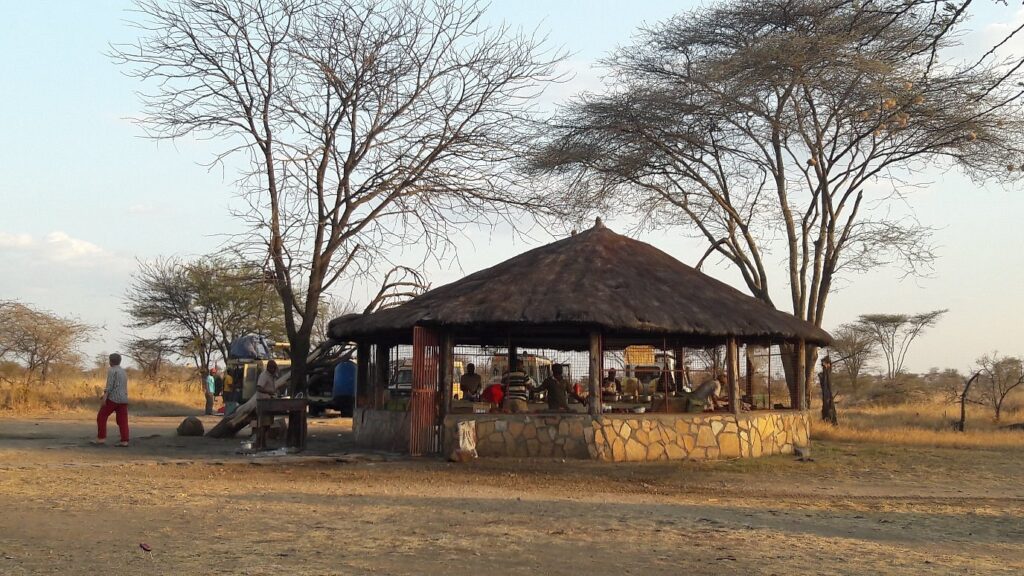
Public campsites are managed by the Tanzania National Parks Authority (TANAPA) and are located within or adjacent to national parks. They are generally unfenced, basic, and shared with other campers. Facilities vary widely but typically include:
- Pit latrines or basic toilets
- Cold-water showers (at some sites)
- Communal water points (water quality varies)
- Firewood gathering areas or designated fire pits
- No electricity or Wi-Fi
Fees for public campsites (as of recent TANAPA schedules) are significantly lower than special campsites, typically ranging from $30–$50 USD per person per night inclusive of park entry fees, though pricing is updated periodically.
Special Campsites
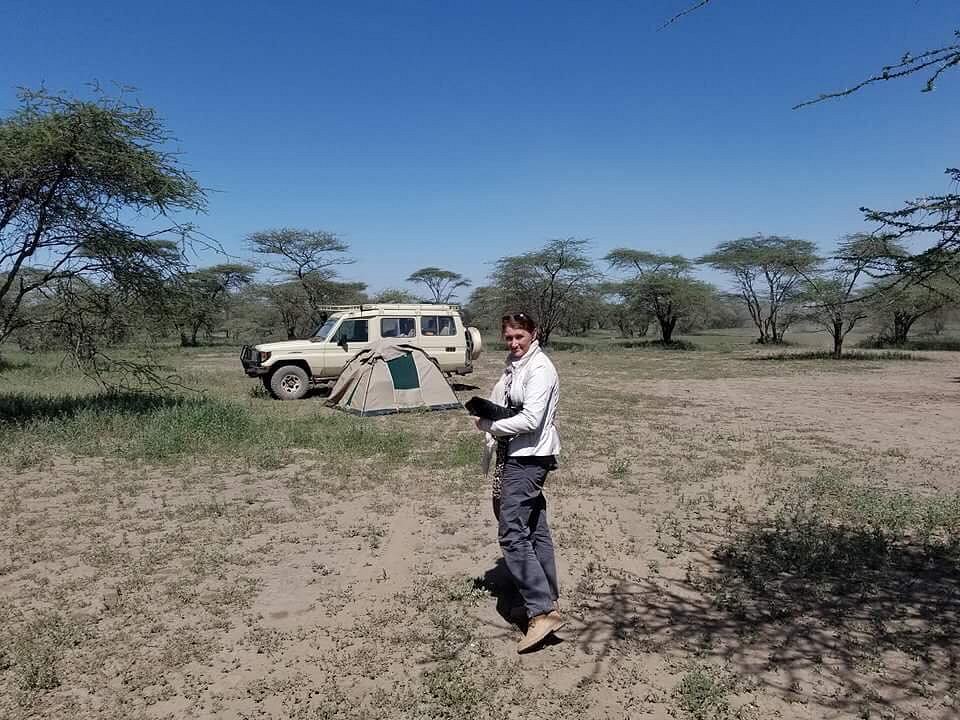
Special campsites are exclusive, private, and located in remote areas of national parks and game reserves away from the main tourist circuits. They are allocated on a first-come, first-served advance booking basis and accommodate only one group at a time, providing complete privacy. There are no facilities whatsoever — you must be fully self-sufficient. The experience is incomparable: total solitude in spectacular wilderness with wildlife all around you. Special campsites cost more than public ones but remain far cheaper than any lodge.
Designated Campsites Outside Parks
Outside park boundaries, a growing network of private and community-run campgrounds caters to travelers. These may include:
- Overlander/4×4 campsites with electric hookups and secure parking
- Community conservancy camping areas run by local Maasai or other tribes
- Beach campsites on Zanzibar and along the Swahili Coast
- Farm stays and rural homesteads offering camping pitches
Kilimanjaro and Mountain Trekking Camps
On the slopes of Mount Kilimanjaro and Mount Meru, designated hut and camping zones are managed by KINAPA (Kilimanjaro National Park Authority). Trekkers on the Machame, Lemosho, and Rongai routes sleep in tents at designated camps with pit latrines, while the Marangu route uses mountain huts. High-altitude camping on Kilimanjaro is a unique challenge — temperatures can drop well below freezing even in the dry season.
Best Ground Camping Destinations
Serengeti National Park
The Serengeti is Tanzania’s most iconic park and one of the finest ground camping destinations on earth. Public campsites are located in the Seronera valley (central Serengeti), the Western Corridor, and the northern Loliondo area. Camping here during the Great Migration — when over 1.5 million wildebeest and hundreds of thousands of zebra thunder across the plains — is a bucket-list experience. Wildlife is abundant year-round: lions, leopards, cheetahs, elephants, giraffes, and countless antelope species are regular visitors around camp. Rangers patrol, but campers are advised to exercise extreme caution after dark.
Ngorongoro Conservation Area
The Ngorongoro Crater rim offers one of Tanzania’s most dramatic camping experiences. Campsites sit at over 2,300 metres above sea level with sweeping views into the volcanic caldera below. The air is cool and moist, mist rolls through the highlands at dawn, and buffalo herds often graze near the campsites. The crater floor — home to the densest population of wildlife in Africa — is accessible by day for game drives. The NCA also permits camping in the Empakaai and Olmoti crater areas for those seeking truly remote highland wilderness.
Tarangire National Park
Famous for its massive elephant herds and ancient baobab forests, Tarangire is an underrated gem in Tanzania’s northern circuit. The Tarangire River acts as a magnet for wildlife during the dry season (June–October), drawing elephants, buffalo, lions, leopards, and a staggering variety of bird species. Public campsites along the riverbanks are among the most spectacular in Tanzania. The sunsets over the baobab-studded plains are unforgettable from a tent door.
Lake Manyara National Park
Compact but remarkably diverse, Lake Manyara sits at the foot of the Great Rift Valley escarpment. The park is famous for its tree-climbing lions, massive hippo pools, and vast flocks of flamingos on the alkaline lake. Camping here is peaceful, with a lush groundwater forest providing shade and birdsong. The escarpment views from camp at dusk are extraordinary.
Ruaha National Park
Ruaha is Tanzania’s largest national park and one of its most remote and wild. Located in the country’s interior south, it sees far fewer visitors than the northern circuit and offers a genuine wilderness experience. The Great Ruaha River is the lifeline of the park, and camping on its banks brings spectacular wildlife viewing, particularly of lions, wild dogs, elephants, and crocodiles. The vast, rugged landscape feels ancient and untouched.
Selous Game Reserve / Nyerere National Park
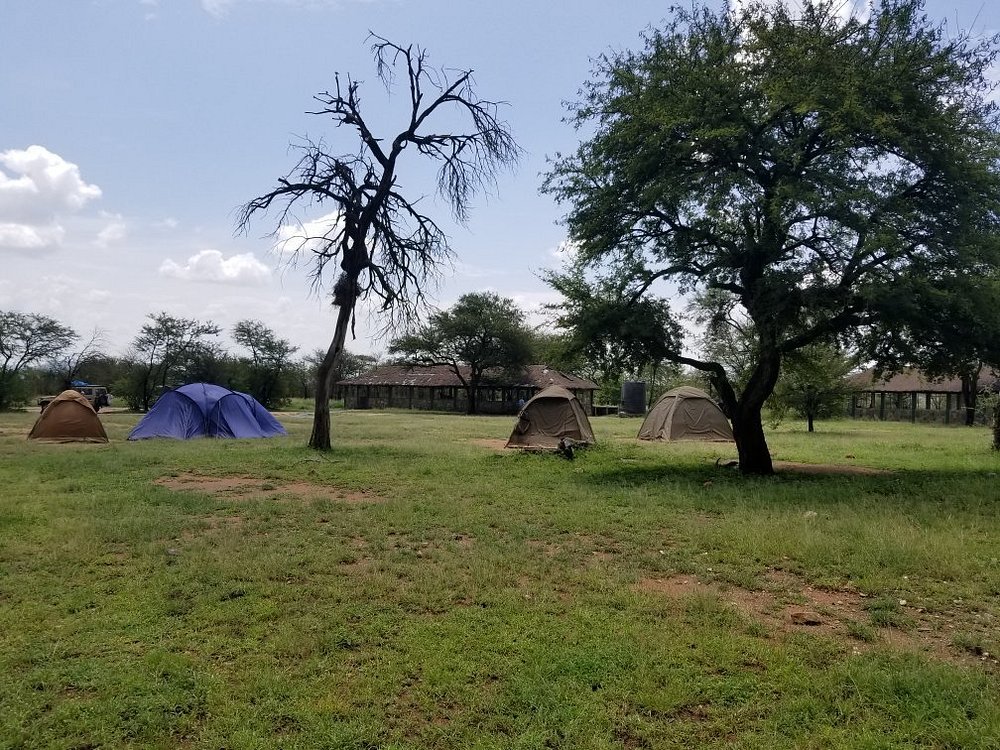
Now partly redesignated as Nyerere National Park, the former Selous Game Reserve is one of the world’s largest protected areas. The Rufiji River system at its heart makes for dramatic boat-based game viewing alongside ground camping. Africa’s largest population of wild dogs roams here, alongside enormous elephant herds, hippos, crocodiles, and a vast array of plains game. Its remoteness and low visitor numbers make it perfect for those seeking solitude.
Mount Kilimanjaro
Camping on the slopes of Africa’s highest mountain is an adventure unto itself. The Machame route, often called the ‘Whiskey Route’, takes trekkers through five distinct vegetation zones — rainforest, heath, moorland, alpine desert, and arctic summit zone — with overnight camping at Machame Hut (3,100m), Shira Camp (3,840m), Barranco Camp (3,950m), Karanga Camp (4,200m), and Barafu Camp (4,640m) before the summit push. Each camp offers a completely different landscape and the scale of the mountain is awe-inspiring.
Best Time for Ground Camping
Dry Season: June to October
The long dry season from June to October is widely considered the best time for camping in Tanzania. Wildlife concentrates around water sources, making game viewing exceptional. Vegetation is less dense, improving visibility. Roads are in better condition for overland travel. Nights are cool to cold, especially in highland and crater rim areas. This is also the period of the Great Migration river crossings in the northern Serengeti, one of nature’s greatest spectacles.
Short Dry Season: January to February
A shorter dry spell between the two rains, January and February bring warm days, good wildlife viewing in the southern Serengeti (calving season), and lower tourist numbers at campsites. This is an excellent time for camping in Tarangire and the Ngorongoro area. Kilimanjaro climbs are also excellent during this window.
Green Season / Wet Season
Tanzania has two wet seasons: the long rains from March to May, and the short rains from November to December. Camping in the wet season is possible but presents challenges:
- Many dirt roads become impassable without a high-clearance 4WD vehicle
- Some campsites may be flooded or temporarily closed
- Mosquito activity increases significantly
- Lush green landscapes and excellent birdwatching
- Far fewer tourists and lower campsite fees at some sites
Essential Equipment and Gear
Shelter
Your tent is the most critical piece of equipment. For Tanzania’s conditions, look for:
- A double-wall tent with a full-coverage rainfly — essential for both rain and condensation management
- Strong, well-pegged construction that can withstand Serengeti winds
- Fine-mesh inner doors and windows to keep insects out without blocking airflow
- A footprint/groundsheet to protect the tent base from rough terrain
- Rooftop tent systems for overlanders provide elevation off the ground — useful in very high-wildlife areas
Sleeping System
Temperature swings are significant in Tanzania, particularly in highland areas:
- A sleeping bag rated to at least 5°C (41°F) for lowland and savannah camping
- A sleeping bag rated to -10°C (14°F) or colder for Kilimanjaro, Ngorongoro highlands, and the Southern Highlands
- An insulating sleeping pad — both for warmth and comfort on rocky ground
- A silk or cotton liner adds versatility and warmth without much bulk
Clothing
- Lightweight, breathable, neutral-coloured clothing (avoid blue — it attracts tsetse flies)
- Long trousers and long sleeves for evening insect protection
- A warm fleece and windproof/waterproof outer layer for cool highland nights
- Wide-brimmed sun hat for daytime protection
- Sturdy walking boots and camp sandals or flipflops
Cooking Equipment
- A reliable camping stove and sufficient fuel canisters (gas canisters may be difficult to source in remote areas — carry more than you think you need)
- Lightweight pot and pan set with lid
- Biodegradable camp soap and a small washing basin
- A water filter or purification tablets — tap water at campsites may not be safe to drink
- A dry box or hard-sided cooler to protect food from animals
- A foldable camp table and chairs for comfort
Lighting
- A powerful headlamp with extra batteries — essential for night-time safety in wildlife areas
- A solar lantern for ambient camp light
- A power bank for charging devices off-grid
- Red-light mode headlamps are gentler on night vision and less disruptive to wildlife
Navigation and Communication
- Downloaded offline maps on your phone (Maps.me or Gaia GPS) for remote areas with no signal
- A dedicated GPS device for overlanders traversing unmapped tracks
- A satellite communicator (e.g. Garmin inReach) for emergency use in areas without mobile coverage
- Tanzania uses both Vodacom and Airtel SIM cards; coverage is variable outside major towns
Safety in the Bush: Wildlife and Environment
Wildlife Encounters at Camp
Ground camping in Tanzania’s wildlife areas carries inherent risks that must be taken seriously. Wild animals including lions, leopards, elephants, buffalo, hippos, and hyenas regularly visit or pass through public campsites. The following rules are critical:
- Never leave your tent at night without a ranger escort or without scanning thoroughly with a powerful torch first
- Never walk to toilet facilities in the dark without first checking for animals; this is when most campsite incidents occur
- Store all food in a hard-sided vehicle, locked vehicle, or bear/animal-proof container — never in or near your tent
- Never approach, feed, or attempt to photograph wildlife from camp on foot — even animals that appear habituated
- Keep camp clean and free of food scraps, which attract predators and scavengers
- If an animal enters camp, make yourself large, make noise (bang pots), and back slowly away — never run
Specific Animal Threats
- Hippos: Highly dangerous on land at night as they graze outside water. Never camp directly on riverbanks; always check the path between water and grazing areas
- Elephants: Generally give wide berth to tents but can become dangerous if startled or if a mother is separated from a calf. Give them ample space and do not shine lights in their eyes
- Lions: A real presence at Serengeti, Ruaha, and Selous campsites. Most attacks on humans at camps happen when someone leaves a tent at night. Stay inside or ensure you have ranger escort
- Hyenas: Bold scavengers that will steal anything accessible, including boots and bags left outside. Secure all gear and keep tent zipped
- Snakes: Present across all habitats; shake out shoes and clothing before putting on, watch where you step in grassland, and check ground-level gear before packing
- Scorpions and spiders: Shake out all gear stored on the ground, particularly in rocky or arid areas like Ruaha
Health Precautions
- Malaria: Tanzania is a high-risk malaria zone. Take antimalarial medication as prescribed by a travel health doctor, use permethrin-treated clothing and nets, and apply DEET-based insect repellent from dusk to dawn
- Tsetse flies: Found in woodland and bush areas, particularly Ruaha and Selous. Their bite is painful (not typically dangerous to healthy adults) but wear thick, neutral-coloured clothing that covers arms and legs
- Water safety: Treat or purify all water from campsite sources. Waterborne diseases including typhoid, cholera, and giardia are risks in Tanzania
- Sun exposure: Tanzania straddles the equator; UV radiation is intense year-round. Use SPF 50+ sunscreen, protective clothing, and a wide-brimmed hat
- Vaccinations: Ensure you are up to date on yellow fever, hepatitis A and B, typhoid, tetanus, and rabies vaccinations before travel
- Altitude sickness: Relevant for Kilimanjaro climbers and highland campers above 3,000m; ascend slowly, stay hydrated, and descend immediately if serious symptoms develop
Responsible and Ethical Camping Practices
Leave No Trace Principles
Tanzania’s ecosystems are fragile and irreplaceable. Every camper has a responsibility to minimise their impact:
- Pack out all rubbish — leave your campsite cleaner than you found it
- Dispose of human waste in designated facilities or using a cat hole method (minimum 60m from water sources)
- Use biodegradable soap and wash dishes and bodies well away from water sources
- Do not collect firewood from live trees; use dead fallen wood sparingly or carry your own fuel
- Keep fires small and always extinguish completely with water before sleeping or leaving camp
- Never off-road your vehicle — stick to designated tracks even at special campsites
Respect for Wildlife
- Never feed or attempt to attract wildlife to camp — it is dangerous and illegal
- Observe from a respectful distance and never pursue or harass animals for photographs
- Minimise noise pollution in the early morning and evening — the quiet of the bush is part of the experience for all campers
Community and Cultural Respect
- When camping near Maasai, Hadzabe, or other local communities, always seek permission and engage respectfully
- Purchase produce and supplies from local markets and community vendors wherever possible
- Hire local guides — they have invaluable ecological knowledge and the income directly supports conservation
- Photography of people requires explicit permission; it is culturally disrespectful to photograph without asking
Booking, Permits, and Park Regulations
How to Book Campsites
TANAPA campsites within national parks can be booked through the Tanzania National Parks Authority online booking portal (www.tanzaniaparks.go.tz). Advance booking is highly recommended in peak season (July–October), particularly for campsites in the Serengeti, Ngorongoro, and Kilimanjaro. Special campsites must be booked in advance and cannot be claimed on arrival. Camp fees are typically paid in USD or by credit card at the park gate.
Required Permits and Fees
Fees payable at most major parks include:
- Conservation/park entry fee (charged per person per day)
- Vehicle entry fee (charged per vehicle per day)
- Campsite fee (charged per person per night)
- Guide fee (mandatory in some parks)
- Kilimanjaro climbers pay additional rescue fees, porter fees, and hut/campsite fees
Key Park Rules for Campers
- You must have a licensed driver-guide when driving within national parks in Tanzania
- All vehicles must be registered at the gate before entering; overstaying permits attracts fines
- Plastic bags are banned in Tanzania’s national parks and protected areas; do not bring them in
- Off-road driving is strictly prohibited; stay on designated tracks at all times
- Firearms and hunting equipment are prohibited unless you hold the specific permits required by law
- Night game drives are generally not permitted without special authorisation in most parks
Food, Water, and Camp Nutrition
Food Planning
In remote parks, resupply options are very limited. Plan your food carefully before entering any park. Dar es Salaam, Arusha, and Moshi have well-stocked supermarkets including Game Stores, Shoprite, and Nakumatt-style outlets where you can purchase dehydrated meals, canned goods, pasta, rice, cereals, nuts, and dried fruit. Fresh produce should be purchased at local markets on the morning of park entry. Keep all food in sealed containers stored in your vehicle to deter wildlife.
Water Sources and Purification
Always assume campsite water needs treatment unless supplied in sealed bottles:
- Sawyer Squeeze or LifeStraw filters are popular choices for backpackers
- Katadyn or MSR ceramic filters for overlanders with higher daily volume needs
- Iodine or chlorine tablets as backup; effective but leave taste
- UV SteriPen devices are fast and effective for clear water
- Carry at minimum 4–6 litres of water per person per day in hot, lowland parks
Getting There: Transport and Access
Most of Tanzania’s premier camping destinations require a 4WD vehicle. The northern circuit (Serengeti, Ngorongoro, Tarangire, Manyara) is accessible from Arusha on roads that range from tarmac to graded gravel to rough corrugated tracks. Rental 4WD vehicles with roof tents are available from operators in Arusha and Dar es Salaam. Budget overlanders sometimes travel on public transport (dala-dala minibuses and buses) to park gates, hiring vehicles or joining group tours from there.
Kilimanjaro and Meru are accessed from Moshi and Arusha respectively, with transfers available by shuttle bus, shared taxi, or private transfer. The parks can also be reached from Kilimanjaro International Airport (JRO), which has good connections to Nairobi, Addis Ababa, and beyond. Ruaha and Selous are reached from Dar es Salaam by road (Ruaha is about 10 hours by 4WD) or by light aircraft on scheduled flights operated by Coastal Aviation, Air Excel, and Regional Air.
Family and Group Camping
Tanzania is a superb family camping destination, though it requires thoughtful planning. Children over 7 years old are generally welcome on camping safaris in most parks (minimum age policies vary by operator). Public campsites in Tarangire, Manyara, and on the Ngorongoro crater rim are good choices for families as wildlife densities are somewhat lower than in the Serengeti. Children must be kept close to camp at all times, especially at dawn, dusk, and after dark. Involve children in responsible camp chores, wildlife spotting diaries, and nature photography to make the experience educational as well as thrilling.
Conclusion
Ground camping in Tanzania is not simply a budget alternative to lodge safaris — it is a fundamentally different and profoundly rewarding mode of engagement with one of the world’s last great wilderness ecosystems. To fall asleep to the sound of hyenas calling across the Serengeti, to wake to a family of elephants grazing thirty metres from your tent on the Tarangire floodplain, to sit beneath the Southern Cross on the Ngorongoro crater rim with no electricity in any direction — these are the experiences that define a lifetime of travel.
Done responsibly, with proper preparation, respect for wildlife, and care for the environment, ground camping is also one of the most meaningful ways to connect with and contribute to the conservation of Tanzania’s extraordinary natural heritage. The country’s national parks and game reserves exist because of international visitor interest in their survival. Every thoughtful camper who treads lightly, pays their fees honestly, hires local guides, and supports community enterprises around park boundaries is an active participant in that conservation story.