Car Rental with Double Rooftop Tents Tanzania
Car Rental with Double Rooftop Tents Tanzania, Tanzania is one of Africa’s most iconic safari destinations, home to the Serengeti’s legendary wildebeest migration, the Ngorongoro Crater‘s dense wildlife, and the snow-capped summit of Mount Kilimanjaro. Traditionally, safaris meant booking expensive lodge packages or joining group tours that followed rigid itineraries. Today, a liberating and increasingly popular alternative has taken hold: self-drive car rental with a double rooftop tent.
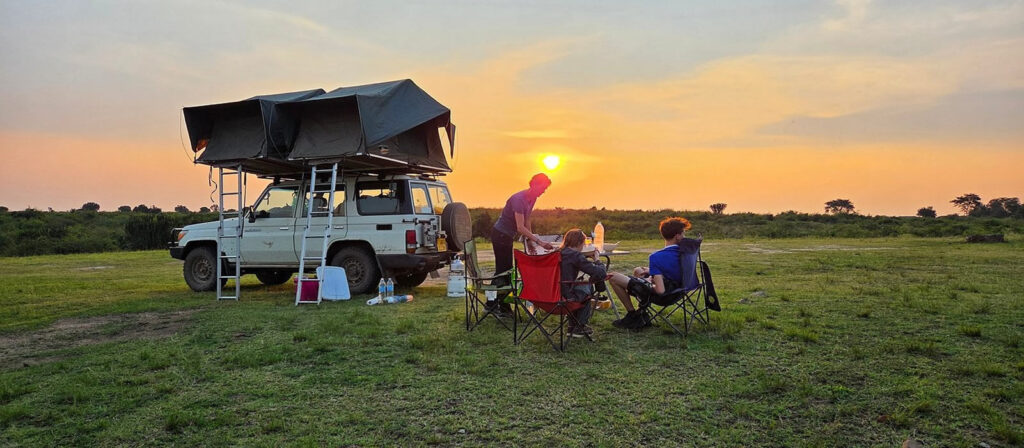
A rooftop tent (RTT) mounted on a 4×4 rental vehicle allows two people to sleep directly above their car — elevated off the ground for safety and comfort — while enjoying unparalleled flexibility to explore Tanzania’s wild landscapes at their own pace. Whether you park beside a waterhole in Tarangire, wake up to elephants crossing through Selous, or watch the sunrise over the Serengeti plain from the comfort of your tent, this style of travel delivers an authentic, immersive African experience at a fraction of the cost of traditional lodge-based safaris.
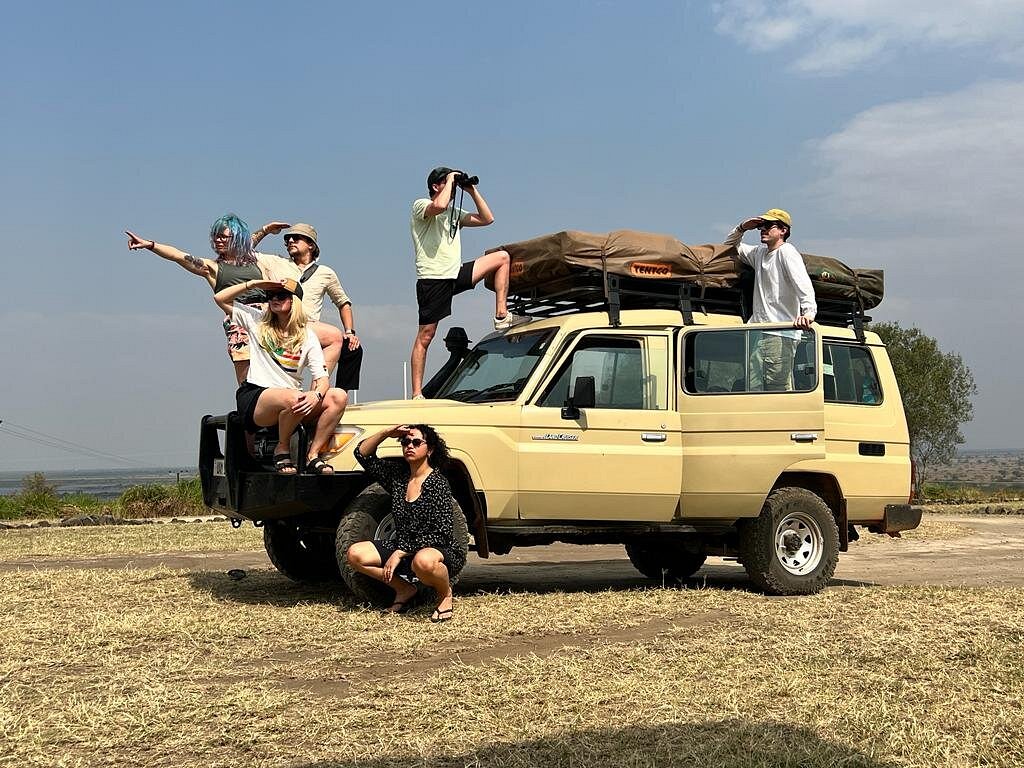
This comprehensive guide covers everything you need to know about renting a car with a double rooftop tent in Tanzania: the best vehicles, how to choose a rental company, which parks to visit, costs, safety tips, packing lists, and the legal requirements for self-driving in Tanzania.
| Best Season | June – October (Dry) | November – May (Green/Budget) |
| Tent Capacity | Double rooftop tent sleeps 2 adults comfortably |
| Typical Vehicle | Toyota Land Cruiser 4×4 | Land Rover Defender |
| Average Daily Rate | USD $120 – $250 per day (incl. tent & bedding kit) |
| License Required | Valid international driving permit (IDP) + home license |
| Minimum Rental Age | 23–25 years (varies by operator) |
| Popular Routes | Northern Circuit | Southern Highlands | Coastal Route |
| Camping Fees | USD $20–$50/night in national parks (separate from rental) |
What Is a Double Rooftop Tent? Features & Benefits
Understanding Double Rooftop Tents
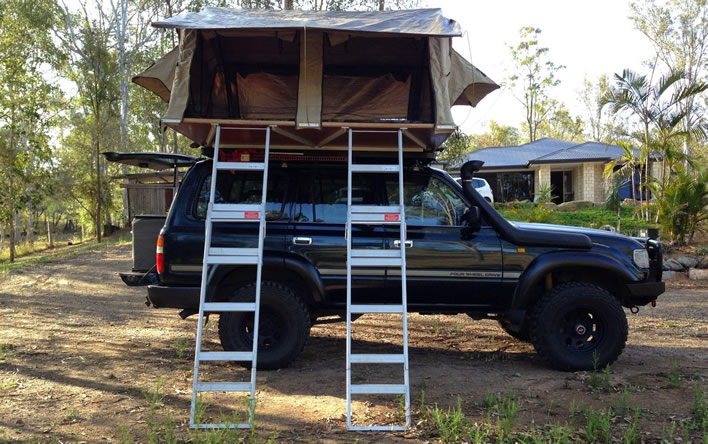
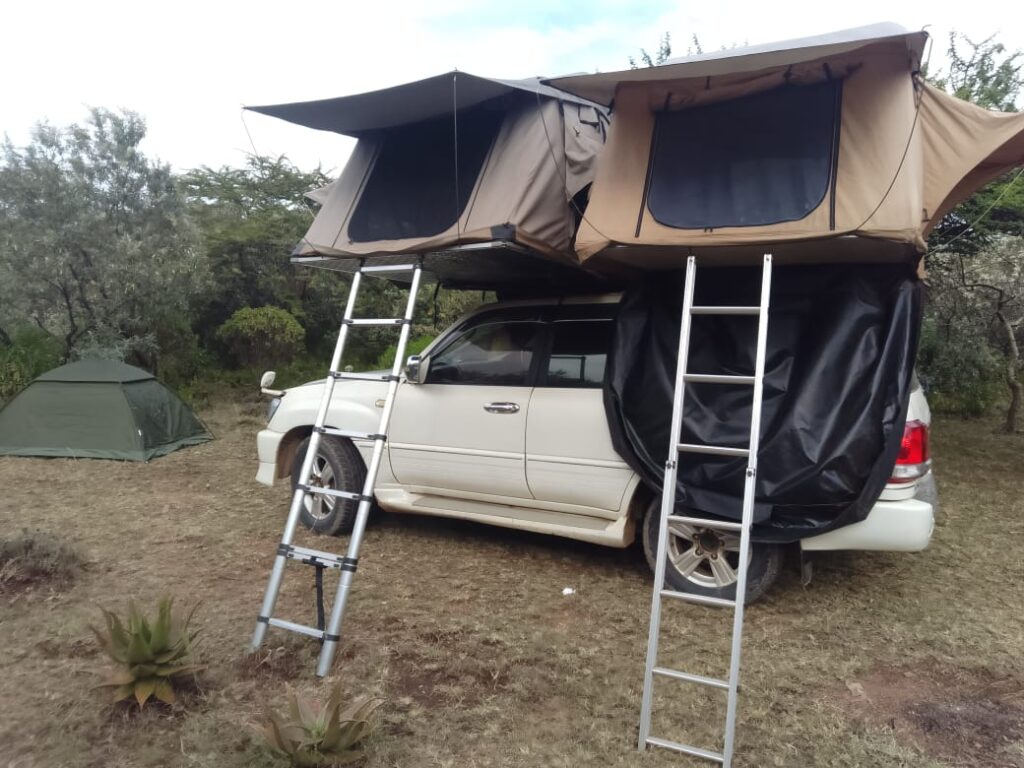
A double rooftop tent is a foldable or hard-shell shelter that mounts on the roof rack of a 4×4 vehicle. Unlike traditional ground tents, it unfolds quickly from the roof, providing a sleeping platform elevated 1.5 to 2 metres above ground level. The “double” classification refers to the tent’s capacity to comfortably accommodate two adults, with a mattress measuring approximately 140 cm x 200 cm (similar to a double or queen bed).
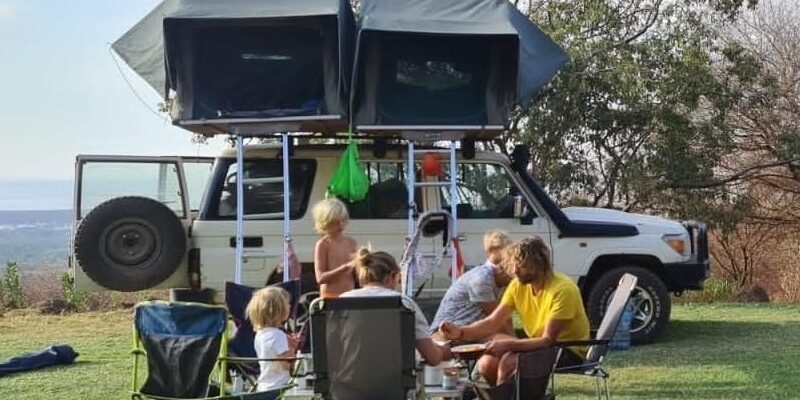
Types of Double Rooftop Tents Available in Tanzania
1. Soft-Shell Folding Tents
The most common type found in Tanzania rentals. They fold flat on the roof rack and open like a book, with a canvas or nylon fabric cover. Setup takes 2–5 minutes. Brands like Arusha Car Rental, 4×4 car Rental Tanzania, 4×4 car rental, Car Rental Dar es Salaam
2. Hard-Shell Pop-Up Tents
A premium option with a rigid fibreglass or aluminium shell. They open with gas struts in under 60 seconds and offer superior weather protection. ARB, iKamper, and Autohome are leading brands. Hard-shell tents command a higher rental premium but deliver exceptional comfort and durability.
Key Features of Double Rooftop Tents
- High-density foam mattress (60–75 mm thick) for superior comfort
- Integrated aluminium or steel mounting brackets for roof rack attachment
- Mosquito-net windows and mesh ventilation panels to prevent insects
- Multiple awning and zip-out extension options for weather protection
- Integrated LED lighting strips for night use
- Storage pockets and shoe bags for organisation
- Retractable telescopic ladder (2–3 metres) for safe entry and exit
- Water-resistant fly sheet rated for tropical rain
- Starliner or skylight window panels for stargazing
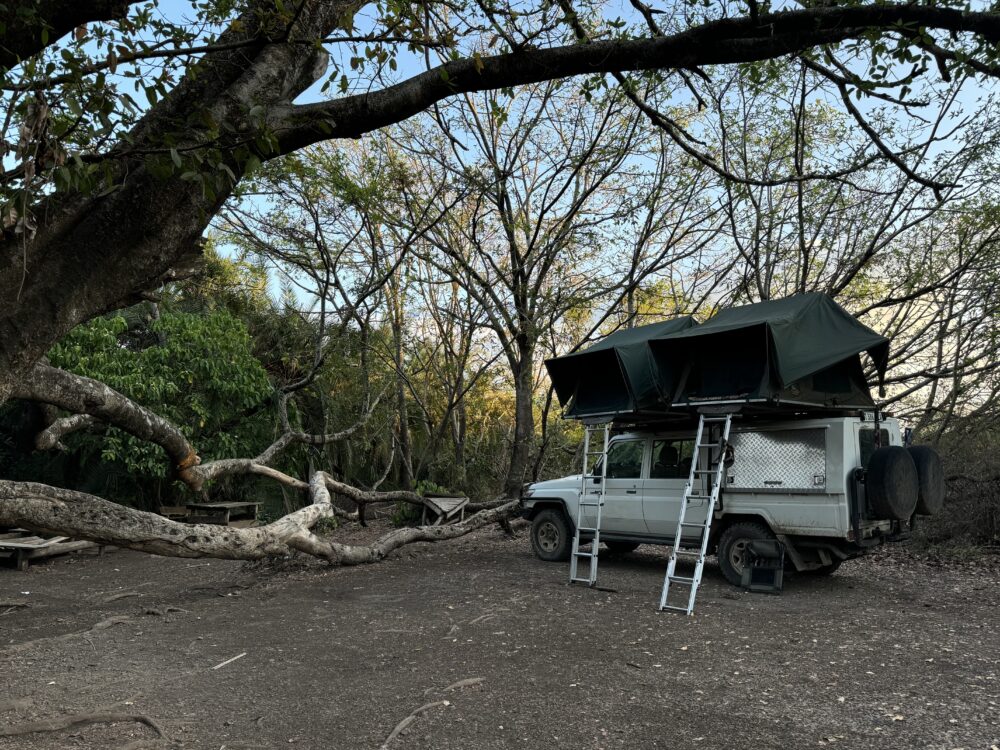
Why Choose a Rooftop Tent Over Ground Camping?
Tanzania’s wilderness areas are home to lions, leopards, hyenas, elephants, buffalo, and hippos. Sleeping on the ground — even inside a tent — carries inherent risks in unfenced campsites. A rooftop tent keeps you elevated and significantly reduces wildlife encounters at night. Beyond safety, rooftop tents eliminate the need to carry heavy tent poles, worry about rocky or uneven ground, or deal with flooding. You also avoid creepy crawlies, snakes, and scorpions that traverse the ground at night.
How to Choose a Car Rental Company with Double Rooftop Tents in Tanzania
Key Criteria for Evaluating Rental Operators
Not all rental companies offering rooftop tent vehicles are equal. Here is what to look for when selecting your operator:
- Vehicle Condition and Maintenance: Ask for a recent service record. The vehicle should have been serviced within the last 5,000 km. Check tire tread depth, spare tire condition, and that both a mechanical and hydraulic jack are provided.
- Tent Model and Mattress Quality: Confirm the brand and model of the rooftop tent. Budget operators may use low-quality tents with thin mattresses. Request photos of the specific unit you will receive.
- Inclusion Package: The best operators provide bedding (fitted sheet, two pillows, two blankets), a kitchen kit (2-burner gas stove, pots, plates, utensils), a cooler box or fridge, and a basic tool/recovery kit (hi-lift jack, shovel, tow rope, sand boards).
- Insurance Coverage: Ensure the vehicle comes with comprehensive insurance covering third-party liability, theft, and collision damage. Understand the excess (deductible) amount clearly.
- 24/7 Roadside Assistance: Remote areas in Tanzania can be hundreds of kilometres from the nearest town. A rental company offering genuine 24/7 breakdown support is non-negotiable.
- GPS and Communication Equipment: A pre-loaded GPS unit or satellite communicator (such as a SPOT or Garmin inReach) is highly recommended for remote travel.
- Reviews and Reputation: Check Google reviews, TripAdvisor, SafariBookings, and overlanding forums. Look for comments specifically about rooftop tent vehicle quality and company responsiveness.
Reputable Rental Regions and Hubs in Tanzania
Most rooftop tent vehicle rentals originate from three primary hubs:
- Arusha: The most popular base for Northern Circuit safaris covering Serengeti, Ngorongoro, Tarangire, Lake Manyara, and Kilimanjaro.
- Dar es Salaam: Best for accessing Southern Circuit parks including Selous (Nyerere), Ruaha, Mikumi, and coastal areas like Zanzibar ferry connections.
- Moshi: Ideal for Kilimanjaro region exploration and a convenient alternative to Arusha.
Best 4×4 Vehicles for Rooftop Tent Safari in Tanzania
Toyota Land Cruiser 76 Series (Station Wagon)
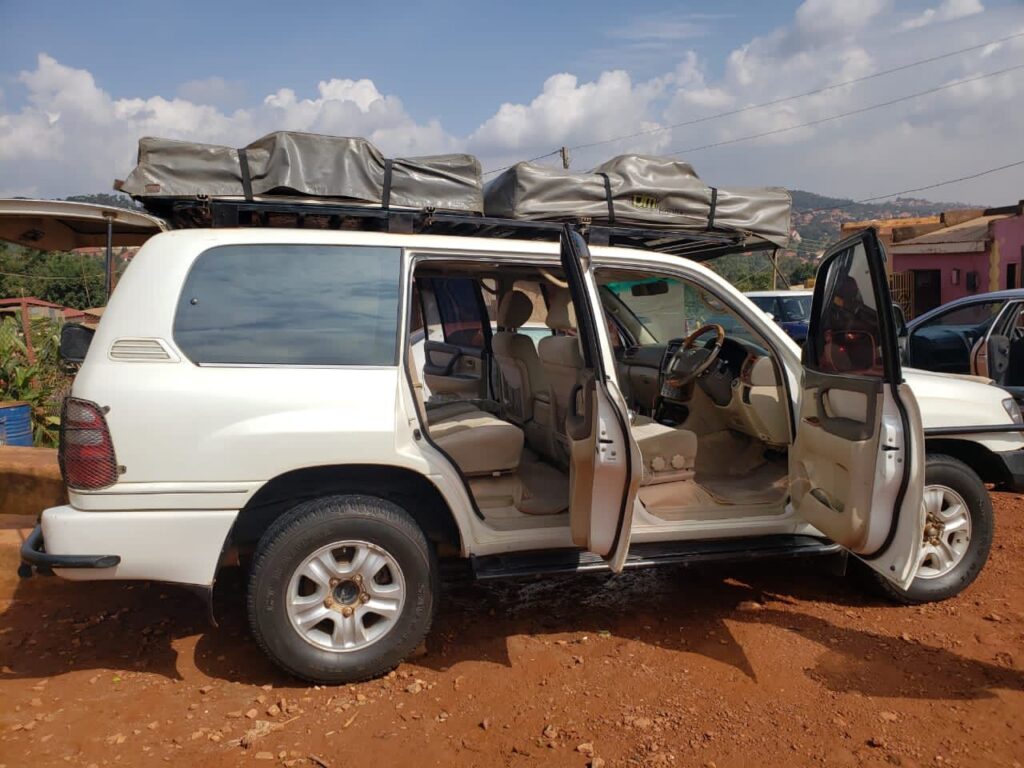
The undisputed king of African safari rentals. The Land Cruiser 76 Station Wagon offers a proven 4.5L V8 diesel engine, high ground clearance, and legendary off-road capability. Its roof rack comfortably accommodates a double rooftop tent plus a roof-mounted solar panel. The rear cargo area provides ample storage for camping gear, food supplies, and luggage. This is the preferred vehicle for serious overlanders tackling remote routes.
Toyota Land Cruiser 79 Series (Pick-Up)
The pick-up (bakkie) configuration provides an open load bed for gear, making loading and unloading camping equipment simple. A double rooftop tent mounts over the cab or on a custom roll bar over the bed. Excellent for photographers who need quick access to camera equipment from the back.
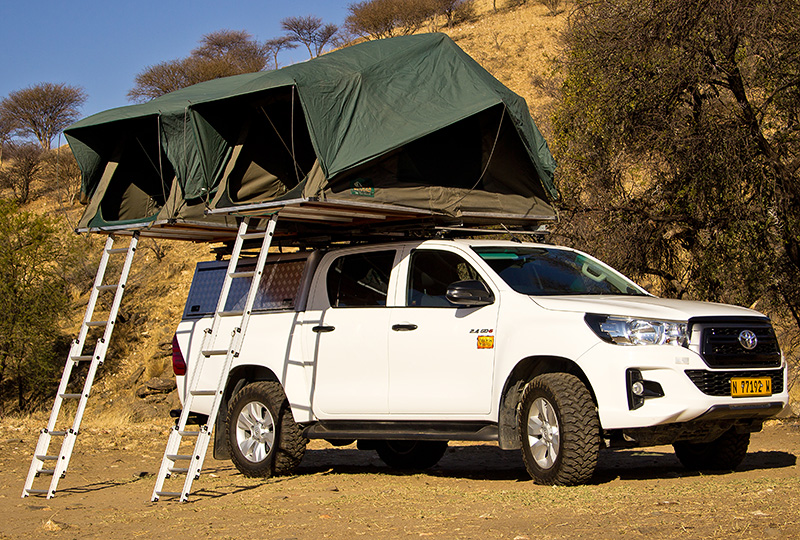
Toyota Hilux Double Cab 4×4
A slightly more compact and fuel-efficient option compared to the Land Cruiser. The Hilux is easier to manoeuvre on narrow park tracks and more economical on fuel for longer road trips. A double rooftop tent sits perfectly on the canopy or roll bar above the load bed. It remains one of the most popular mid-range rental options in Tanzania.
Land Rover Defender 110
The Defender is favoured by safari enthusiasts seeking a classic aesthetic. Its long wheelbase offers excellent stability on corrugated roads, and the roof rails are ideally suited for rooftop tent mounting. However, parts availability can be limited in remote areas, making it better suited for popular national park routes rather than extreme wilderness expeditions.
Nissan Patrol GU (Safari Series)
A reliable and robust alternative to the Land Cruiser. The Nissan Patrol offers comparable off-road performance and is widely used by some Tanzanian operators. The rooftop tent mounting system is compatible with most standard roof rack configurations on this platform.
| Vehicle | Engine | Fuel Economy | Terrain Rating | Best For |
| Land Cruiser 76 | 4.5L V8 Diesel | 12–15 L/100km | ★★★★★ Extreme | Remote expeditions |
| Toyota Hilux 4×4 | 2.8L GD6 Diesel | 9–12 L/100km | ★★★★ Hard Trails | Budget-friendly trips |
| Land Rover Defender | 2.0L Turbo Diesel | 10–13 L/100km | ★★★★ Hard Trails | Classic safari feel |
| Nissan Patrol GU | 4.2L Diesel | 14–17 L/100km | ★★★★ Hard Trails | Value for money |
Top Tanzania Safari Destinations for Rooftop Tent Camping
1. Serengeti National Park
Tanzania’s crown jewel and arguably the greatest wildlife spectacle on Earth. The Serengeti spans 14,763 km² of endless grassland plains, riverine forests, and rocky kopjes. For rooftop tent campers, the Serengeti offers several public campsites (“special campsites” that require advance booking through TANAPA) positioned in remote, unfenced wilderness. Waking up in the Central Serengeti during the calving season (January–February) or along the Mara River during the great migration river crossings (July–October) is a transformative experience that no lodge can replicate. Key campsites: Seronera Public Campsite, Lobo Special Campsite, Ndutu area (managed by NCAA), and various mobile special campsites.
2. Ngorongoro Conservation Area
The Ngorongoro Crater is a UNESCO World Heritage Site and one of the densest concentrations of wildlife in Africa. The crater floor sits 610 metres below the rim and teems with lions, black rhinos, elephants, flamingos, and wildebeest year-round. The Simba A and Simba B public campsites on the crater rim offer exceptional rooftop tent camping with morning mist, forest sounds, and possible buffalo visits at dawn. The Ngorongoro highlands also include the Olmoti and Empakaai craters, providing off-the-beaten-path detours for adventurous self-drivers.
3. Tarangire National Park
Often overshadowed by its more famous neighbours, Tarangire is a hidden gem particularly spectacular during the dry season (June–October) when the Tarangire River becomes the only water source for miles, drawing enormous concentrations of elephants, buffalo, and zebra. The park is famous for its ancient baobab trees — some over 1,000 years old — which make spectacular campsite backdrops. Tarangire is far less crowded than the Serengeti, making it ideal for self-drivers seeking authentic bush experiences without tourist traffic.
4. Lake Manyara National Park
A compact but remarkably diverse park stretching along the Great Rift Valley escarpment and the shores of alkaline Lake Manyara. Famous for its tree-climbing lions and vast flamingo flocks, Manyara is perfect as a one-night rooftop tent stop on the way to the Serengeti. The groundwater forest provides a lush, jungle-like atmosphere dramatically different from the open savannah parks.
5. Ruaha National Park (Southern Circuit)
Tanzania’s largest national park at over 20,000 km² and one of Africa’s least-visited major reserves. Ruaha hosts one of the largest lion populations in Africa, enormous elephant herds, wild dogs, sable antelope, and over 570 bird species. The Great Ruaha River forms the lifeblood of the park, and dry season riverside campsites offer spectacular wildlife theatre. This is genuine wilderness camping for experienced self-drivers.
6. Nyerere National Park (Selous Game Reserve)
One of the largest wildlife reserves in Africa, Nyerere (formerly the northern section of Selous Game Reserve) was recently designated as a UNESCO-managed National Park. The Rufiji River dominates the landscape, and boat safaris combined with rooftop tent camping deliver a multi-dimensional wildlife experience. Wild dogs, hippos, crocodiles, and forest elephants are highlights.
Recommended Self-Drive Rooftop Tent Itineraries
7-Day Northern Circuit (Arusha Loop)
| Day | Route / Location | Campsite | Highlights |
| Day 1 | Arusha → Tarangire (120 km) | Tarangire Public Camp | Elephant herds, baobabs |
| Day 2 | Tarangire → Lake Manyara (80 km) | Lake Manyara Campsite | Tree-climbing lions, flamingos |
| Day 3 | Lake Manyara → Ngorongoro Rim (60 km) | Simba A Campsite | Crater rim sunset, buffalo |
| Day 4 | Ngorongoro Crater Day Drive | Simba A Campsite | Black rhino, crater wildlife |
| Day 5 | Ngorongoro → Central Serengeti (180 km) | Seronera Public Camp | Big cats, kopjes, plains game |
| Day 6 | Serengeti Full Day Game Drive | Seronera Public Camp | Great migration, cheetah |
| Day 7 | Serengeti → Arusha (350 km) | Return to base | Morning game drive, depart |
Complete Cost Breakdown: Car Rental with Double Rooftop Tent in Tanzania
Vehicle Rental Rates (per day, USD approximate)
- Toyota Land Cruiser 76 with double RTT: USD $180 – $250/day
- Toyota Hilux Double Cab with double RTT: USD $120 – $165/day
- Land Rover Defender 110 with double RTT: USD $160 – $220/day
- Nissan Patrol GU with double RTT: USD $110 – $155/day
Note: Rates typically include the tent, bedding kit, basic kitchen equipment, and unlimited mileage within Tanzania. Always verify inclusions with your specific operator.
Additional Costs to Budget
- National Park Entry Fees: USD $35–$80 per person per day (varies by park)
- Vehicle Park Entry Fee: USD $40–$60 per vehicle per day (some parks)
- Campsite Fees: USD $20–$50 per person per night in national parks
- Fuel: USD $1.25–$1.60 per litre (diesel) — budget 12–15L/100km for loaded 4×4
- Visa (if required): USD $50 per person for most nationalities
- Travel Insurance: USD $60–$150 per person for 2-week trip
- Groceries and Supplies: USD $15–$30 per person per day
- Satellite Phone / GPS Hire: USD $10–$20 per day (if not included)
7-Day Northern Circuit Budget Estimate (2 people)
| Expense Category | Budget | Mid-Range |
| Vehicle Rental (7 days) | $840 | $1,260 |
| Park Entry Fees (2 pax, 7 days) | $490 | $700 |
| Campsite Fees (2 pax, 7 nights) | $280 | $420 |
| Fuel (approx. 900 km) | $180 | $220 |
| Food & Supplies (7 days, 2 pax) | $210 | $350 |
| Visas (2 pax) | $100 | $100 |
| Travel Insurance (2 pax) | $100 | $200 |
| TOTAL (2 PEOPLE) | $2,200 | $3,250 |
Legal Requirements for Self-Driving in Tanzania
Driving Licence Requirements
To legally drive a rental vehicle in Tanzania, foreign visitors must carry both their original home country driving licence and a valid International Driving Permit (IDP). The IDP must be obtained in your home country before travelling — it cannot be issued in Tanzania. Tanzania drives on the left side of the road, following British convention. If your home country drives on the right, allow extra time to adjust, particularly on winding mountain roads and at roundabouts.
Vehicle Entry into National Parks
All vehicles entering national parks must be registered with TANAPA (Tanzania National Parks Authority) at the gate. Entry fees are paid per person and per vehicle. Since 2021, TANAPA has implemented a mandatory electronic payment system — most operators provide a pre-loaded card (the Uhuru Card or TANAPA card) that is used at all park gates. Always confirm this arrangement with your rental company before departure.
Camping Reservations
Public campsites in national parks are available on a first-come basis at most parks, though Serengeti and Ngorongoro campsites should be pre-booked through the TANAPA online portal or via your rental operator, especially during peak season. Special campsites (exclusive to one group per night) must always be reserved in advance and command premium fees but offer unmatched privacy.
Speed Limits and Traffic Laws
- National speed limit: 80 km/h on open roads
- Urban areas: 50 km/h
- School zones and speed humps: 30 km/h
- Inside national parks: 40 km/h or as posted
- Seat belts are mandatory for all passengers
- Mobile phone use while driving is prohibited
- Alcohol limit: 0.08% BAC — same as many Western countries
Safety Tips for Rooftop Tent Camping in Tanzania
Wildlife Safety
Tanzania’s unfenced public campsites are genuine wilderness environments. Lions, hyenas, elephants, and buffalo regularly pass through campsites at night. Follow these essential rules:
- Never descend from your rooftop tent at night without first checking for wildlife with a spotlight or torch.
- Keep food sealed in airtight containers stored inside the vehicle — never in the tent or on the roof.
- Do not feed any wildlife, including vervet monkeys and baboons, which can become aggressive.
- Keep your vehicle doors locked at night, even when sleeping in the rooftop tent.
- Make noise before climbing down the ladder in darkness to alert any nearby animals.
- Report aggressive or unusually bold wildlife behaviour to park rangers immediately.
Vehicle and Road Safety
- Always carry two spare tyres on remote routes. Punctures on corrugated gravel roads are extremely common.
- Keep a minimum of 20 litres of extra fuel in a Jerry can for remote areas with no fuel stations.
- Never attempt water crossings (river crossings/drifts) at speed or without first checking depth on foot.
- Drive slowly on corrugated dirt roads to reduce tyre wear and vehicle stress.
- Inform your rental company of your daily route and expected campsites.
- Carry a first aid kit rated for remote wilderness use (including wound closure strips, splints, oral rehydration salts, and prescription antimalarials).
Health Precautions
- Malaria prophylaxis is strongly recommended for all travellers to Tanzania.
- Yellow fever vaccination certificate is required for entry from certain countries.
- Drink only purified, boiled, or bottled water. Carry a water filter (LifeStraw or Sawyer Squeeze) as backup.
- Apply DEET-based insect repellent at dusk and dawn.
- Keep a comprehensive medical kit and know the location of the nearest clinic or hospital on your route.
Essential Packing List for Car Rental Rooftop Tent Safari
Camping & Sleeping
- Sleeping bag (rated to +5°C for cool highland nights)
- Travel pillow (if not provided by rental operator)
- Lightweight camping towel
- Tent repair kit and seam sealer
- Compact LED headlamp with extra batteries
Cooking & Food
- Portable spice kit in a sealed container
- Biodegradable soap and sponge
- Coffee/tea making supplies (many campsites lack facilities)
- Reusable water bottles (minimum 3L per person per day)
- Cooler box or 12V fridge (usually provided by operator)
Navigation & Communication
- Pre-downloaded offline maps (Maps.me or OsmAnd) for Tanzania
- Vehicle GPS unit (usually provided; confirm in advance)
- Satellite communicator (SPOT/Garmin inReach) for remote areas
- Power bank (20,000 mAh minimum) and solar charging panel
- Physical road atlas of Tanzania as backup
Clothing & Personal
- Neutral safari colours (khaki, olive, brown) — avoid white and bright colours
- Warm fleece or down jacket for cold highland mornings
- Lightweight rain jacket (essential May–June)
- Wide-brim hat and UV-blocking sunglasses
- Closed-toe shoes for camp walking; sandals for daytime
Best Time to Visit Tanzania for 2 Rooftop Tents Camping
Dry Season: June – October (Peak Safari Season)
The dry season is widely considered the best time for wildlife viewing in Tanzania. Vegetation is sparse, animals concentrate around water sources, and roads are generally accessible even in remote areas. Temperatures are comfortable (20–28°C during the day, dropping to 10–15°C at night in highland areas). This is also the period of the Great Migration river crossings in the northern Serengeti (July–October). Book well in advance as campsites fill up quickly.
Short Rains: November – December
Short, typically afternoon showers characterise this shoulder season. Parks are less crowded, rates are lower, and the landscape transforms into a lush, photogenic green. Wildlife is dispersed but still abundant. Roads remain passable for well-equipped 4×4 vehicles.
Long Rains: March – May (Low Season)
Heavy and persistent rains can make some park roads impassable, particularly in Selous and Ruaha. However, rental rates are at their lowest, parks are uncrowded, and the Serengeti calving season (January–February, trailing into March) offers extraordinary predator-prey action. This season suits experienced overlanders with proper recovery gear.
January – February (Calving Season)
One of Tanzania’s greatest spectacles — the wildebeest calving season in the southern Serengeti and Ndutu area. Over 500,000 calves are born within a few weeks, attracting concentrated lion, cheetah, leopard, and hyena activity. Roads are generally good, and this is an underrated time to visit.
Frequently Asked Questions (FAQ)
Can I self-drive in Tanzania as a foreigner?
Yes. Foreign nationals may self-drive in Tanzania with a valid home country driving licence plus an International Driving Permit (IDP). Tanzania is one of the most accessible self-drive safari destinations in East Africa, with well-established rental infrastructure in Arusha and Dar es Salaam.
Is it safe to self-drive in Tanzania’s national parks?
Self-driving in Tanzania’s national parks is generally safe provided you follow park rules, stay on designated tracks, remain in your vehicle during game drives, and adhere to wildlife safety protocols at camp. Avoid night driving inside park boundaries, as this is typically prohibited and genuinely dangerous.
What is the minimum rental period for a rooftop tent vehicle?
Most operators set a minimum of 3–5 days. Longer rentals typically attract better daily rates. For a proper Northern Circuit loop, budget a minimum of 7 days.
Do I need to book campsites in advance?
For public campsites in the Serengeti, Ngorongoro, and Kilimanjaro during peak season (July–October), advance booking is strongly recommended. TANAPA’s online booking system allows reservations up to 3 months ahead. Special campsites always require advance booking regardless of season.
Can I take the rental vehicle to other countries like Kenya?
Cross-border travel is possible with many Tanzanian operators, but requires advance authorization, additional paperwork (carnet du passage or cross-border letter), and often an extra fee. This must be arranged before your departure date. Some operators prohibit cross-border travel entirely.
Is the double rooftop tent suitable for couples and families?
Double rooftop tents comfortably sleep two adults. For families with children, operators can provide a ground tent to supplement the rooftop unit, or select vehicles with dual rooftop tent configurations. Always discuss family requirements with your operator during the booking process.
Conclusion: Embrace the Freedom of 2 Rooftop Tents Safari in Tanzania
Renting a car with a double rooftop tent in Tanzania offers one of the most authentic, cost-effective, and deeply rewarding ways to experience one of the world’s greatest wildlife destinations. You set your own pace, choose your own campsites, and wake up immersed in the sounds, smells, and spectacle of the African wilderness — with the security and comfort of your elevated sleeping platform keeping you safe through the night.
Whether you’re a first-time safari-goer planning a week-long Northern Circuit adventure or an experienced overlander plotting a month-long southern Tanzania expedition, the combination of a well-equipped 4×4 and a quality double rooftop tent delivers an experience that lodges and camps simply cannot match.
Tanzania’s wild places are waiting. The wildebeest are thundering across the Serengeti plain. The elephants are silhouetted against a blood-orange sky over Tarangire. The stars over Ngorongoro burn brighter than you have ever seen. All of this can be yours — from the comfort of your rooftop tent, elevated above the African earth, watching the world wake up around you.