
Car Hire at Julius Nyerere International Airport
Car Hire at Julius Nyerere International Airport, Julius Nyerere International Airport (JNIA), formerly known as Dar es Salaam International Airport, is Tanzania’s largest and busiest international gateway. Located approximately 12 kilometres southwest of the Dar es Salaam city centre, JNIA serves as the primary entry point for millions of travelers arriving in Tanzania each year — whether for business, leisure, wildlife safaris, or coastal retreats on the pristine shores of Zanzibar.
For many visitors, securing reliable and flexible transportation upon arrival is a top priority. Car hire at Julius Nyerere International Airport offers an ideal solution, providing travelers with the freedom to explore Dar es Salaam, venture inland, or connect to surrounding regions on their own schedule. This comprehensive guide covers everything you need to know about renting a car at JNIA, from the range of companies available and vehicle options to costs, requirements, and insider tips for a smooth experience.
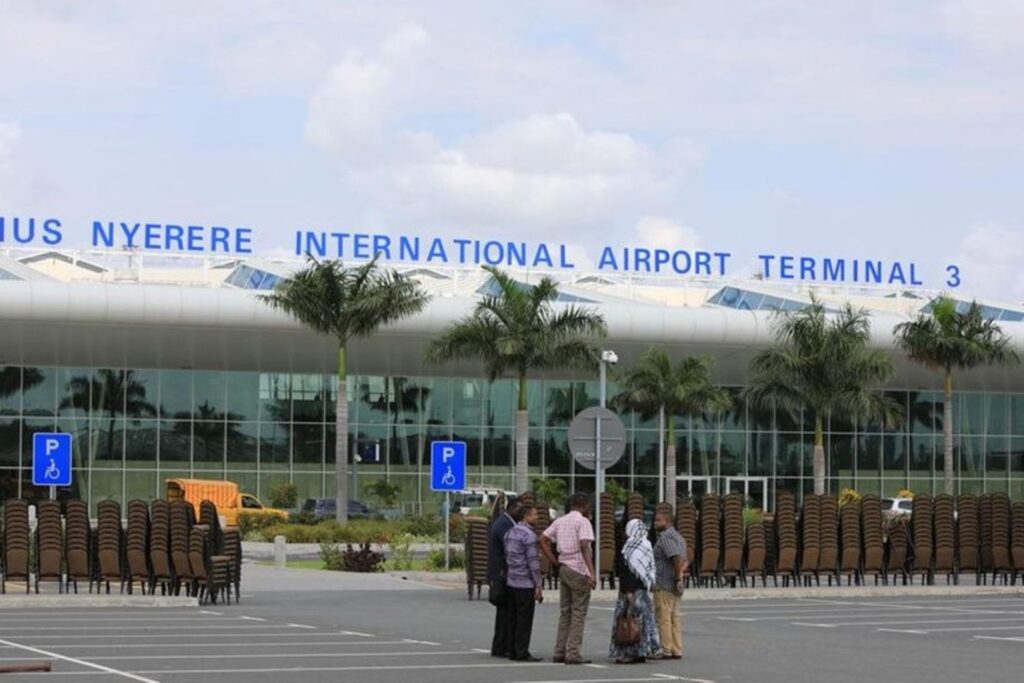
Overview of Julius Nyerere International Airport
Julius Nyerere International Airport is named in honour of Tanzania’s founding father and first President, Mwalimu Julius Kambarage Nyerere. The airport underwent significant infrastructure upgrades over the years and currently handles international flights from major carriers including Kenya Airways, Ethiopian Airlines, Qatar Airways, Turkish Airlines, Emirates, British Airways, and many others.
The airport operates with two main passenger terminals: Terminal 1 (domestic and regional flights) and Terminal 2 (international arrivals and departures). Car hire desks are conveniently positioned within the arrivals halls of both terminals, making it straightforward for arriving passengers to arrange ground transportation without leaving the terminal building.
JNIA handles over five million passengers annually, and ground transportation services — including car hire — have grown considerably to meet demand. The airport’s proximity to Tanzania’s economic and commercial hub makes it a strategic base for both business travellers and tourists planning to explore the wider East African region.
Why Hire a Car at Julius Nyerere International Airport?
Hiring a car at JNIA offers a number of distinct advantages over relying solely on taxis, ride-hailing apps, or public transport. Below are the key reasons travellers opt for a rental vehicle:
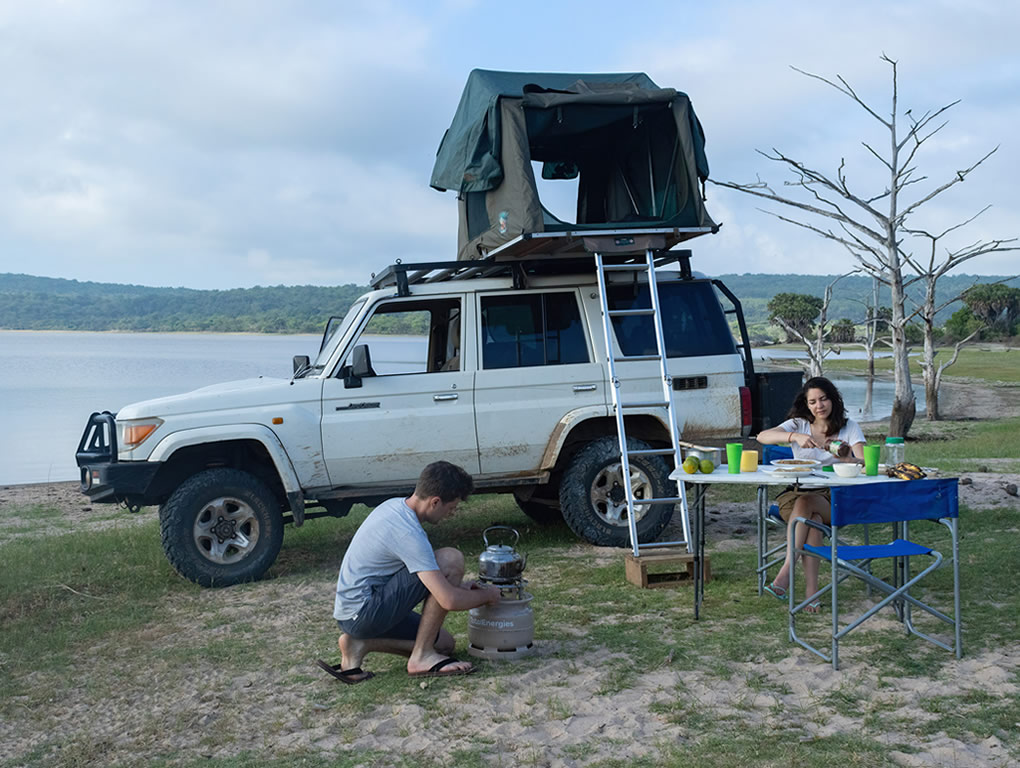
1. Flexibility and Freedom
With your own rental vehicle, you are not bound by bus or matatu (shared minibus) timetables. You can depart at your own pace, make spontaneous stops, and adjust your itinerary without having to negotiate fares or wait for available taxis.
2. Comfort and Safety
Reputable car hire companies at JNIA provide well-maintained, air-conditioned vehicles with current roadworthiness certificates. This is particularly important in Dar es Salaam, where traffic congestion can be significant, and road conditions outside the city can vary considerably.
3. Cost Efficiency for Groups
For families or groups travelling together, renting a single vehicle is often more economical than paying for multiple taxis or booking several seats on a tour shuttle.
4. Access to Remote Areas
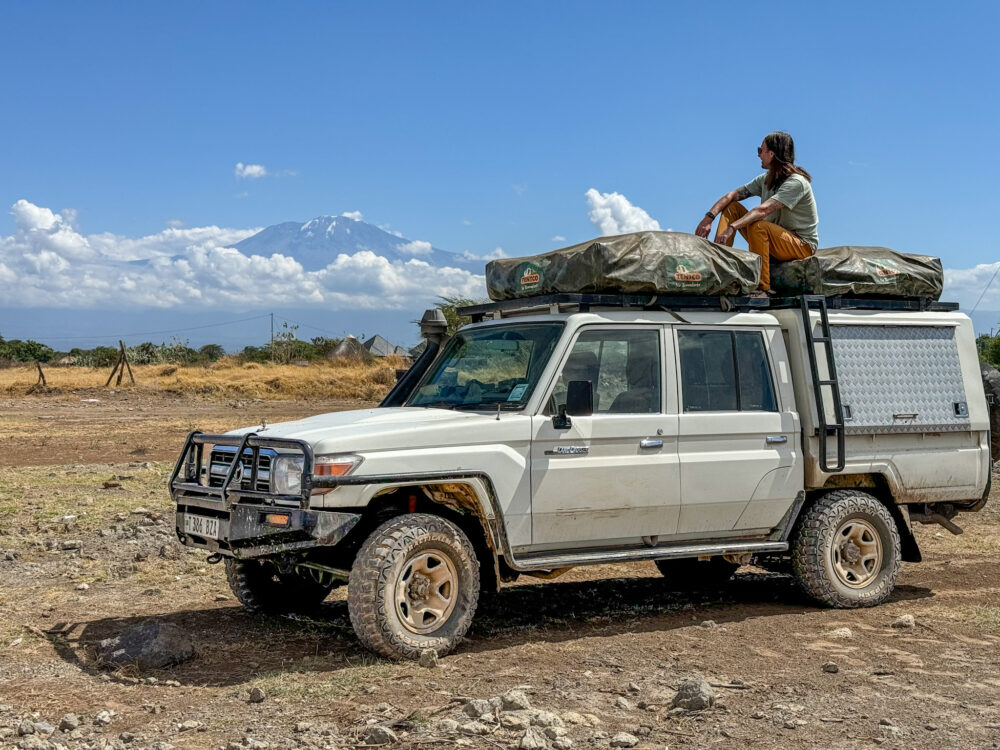
Tanzania boasts extraordinary natural attractions, including Serengeti National Park, Ngorongoro Crater, Mikumi National Park, Selous Game Reserve (Nyerere National Park), and the pristine beaches of the Indian Ocean coast. Having a hire car — especially a 4×4 — enables access to areas that public transport simply cannot reach.
5. Business Convenience
Corporate travelers attending meetings in Dar es Salaam, Dodoma, or other business centers benefit greatly from the convenience, privacy, and professional image that a rental vehicle provides.
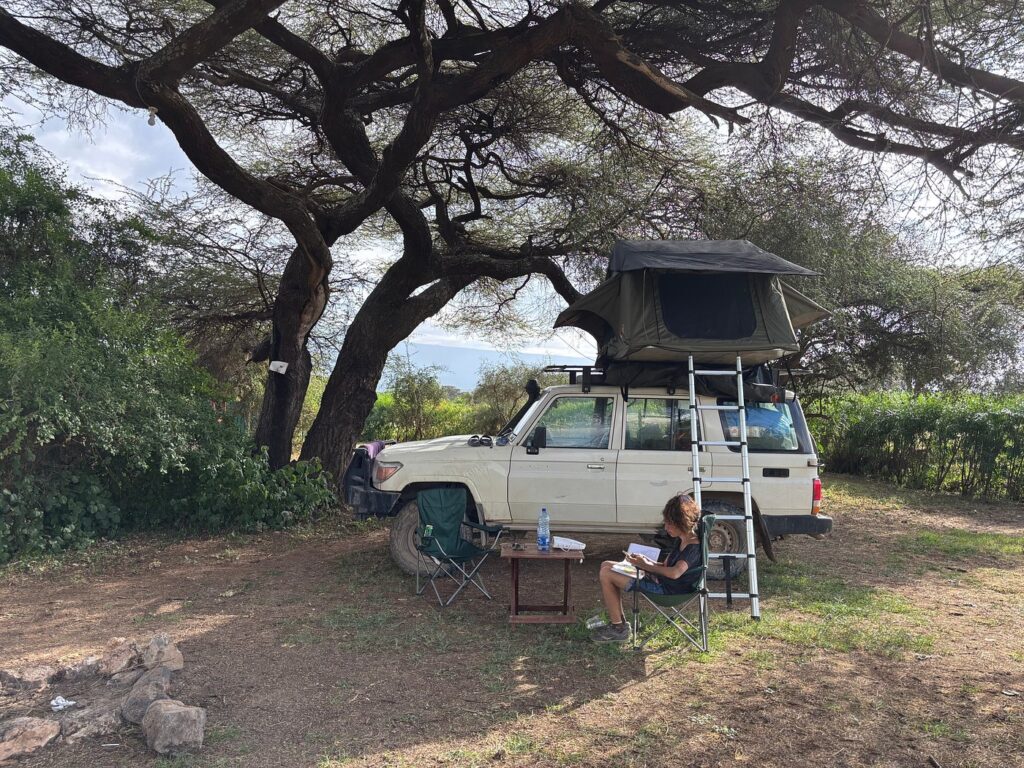
Vehicle Categories and Fleet Options
Car hire operators at JNIA maintain a diverse fleet to accommodate different travel needs, group sizes, and budgets. The main vehicle categories available include:
| Category | Example Models | Best Suited For |
| Economy / Compact | Toyota Vitz, Nissan Note, Toyota Auris | Solo travellers, short city trips, budget-conscious rentals |
| Saloon / Sedan | Toyota Corolla, Honda Civic, VW Passat | Business travel, airport transfers, city commuting |
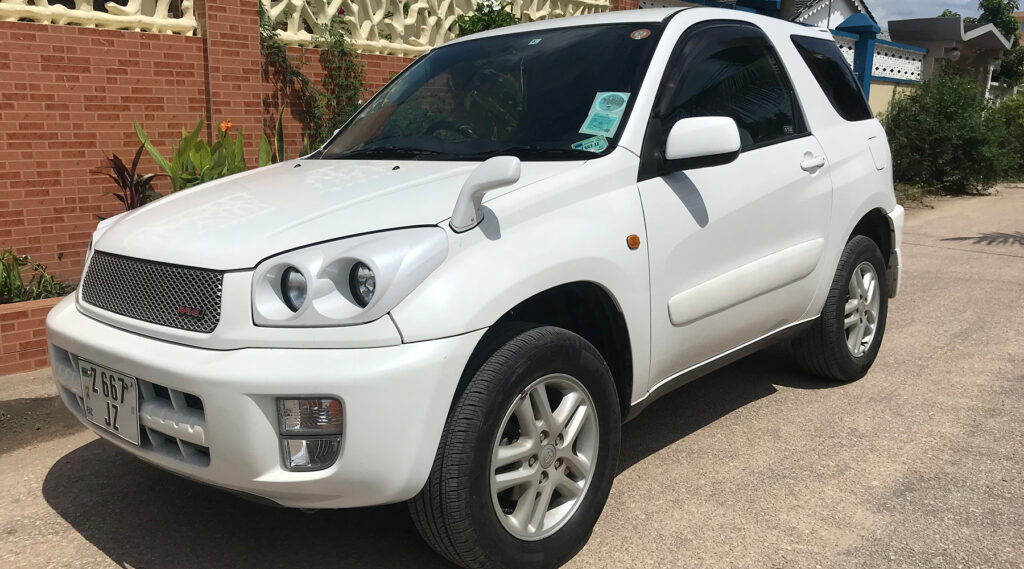
| SUV (2WD) | Toyota RAV4, Nissan X-Trail, Hyundai Tucson | Families, moderate road conditions, semi-urban use |
| 4×4 (AWD/4WD) | Toyota Land Cruiser, Toyota Prado, Land Rover Defender | Safari, rural roads, game reserve access, Tanzanian highlands |
| Minibus / Van | Toyota HiAce, Nissan Urvan, Toyota Coaster | Large groups, tours, corporate transfers |
| Luxury / Premium | Mercedes-Benz E-Class, BMW 5 Series, Audi A6 | Corporate executives, high-end tourism, special occasions |
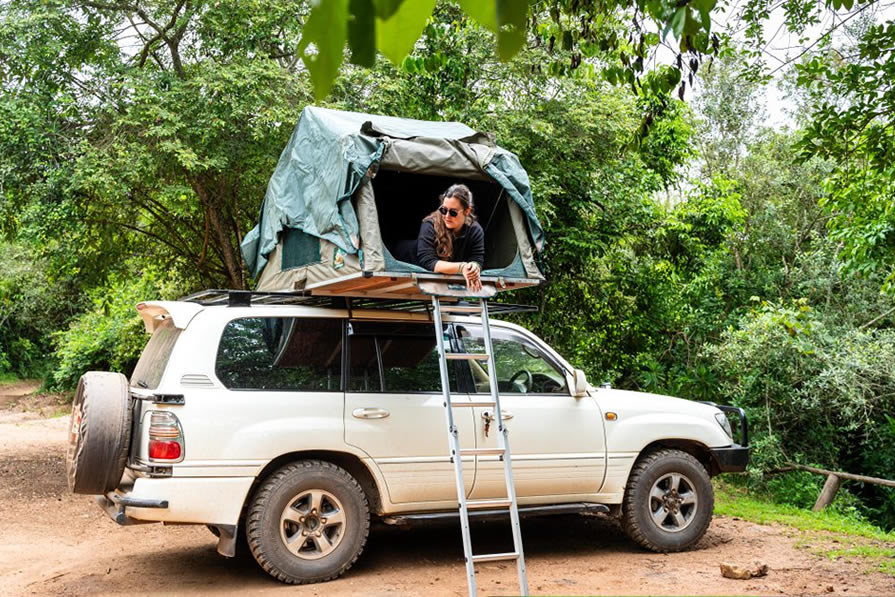
For safaris and travel to national parks, a 4×4 vehicle is strongly recommended. The roads within national parks are unpaved and can become challenging — particularly during the long rainy season (March to May) and short rains (November to December). Many car hire companies offer safari-specific modifications such as pop-up roof hatches for game viewing, extended fuel tanks, and jerry cans for remote areas.
Requirements for Hiring a Car at JNIA
To rent a car at Julius Nyerere International Airport, customers must typically meet the following requirements:
Age Requirements
- Minimum age: Most companies require drivers to be at least 23 years old (some accept 21 years).
- Maximum age: Some companies impose an upper age limit of 70–75 years, though this varies by provider.
- Young driver surcharge: Drivers under 25 may incur an additional daily surcharge.
Documentation Required
- Valid passport — essential for all foreign nationals hiring a vehicle.
- Full, valid driving licence — must be in English or accompanied by an official translation. An International Driving Permit (IDP) is strongly recommended for non-English licences.
- Credit or debit card — required for security deposit and payment. Most companies accept Visa and Mastercard; American Express acceptance varies.
- Confirmed booking voucher — if you pre-booked online, have your confirmation email or booking reference ready.
International Driving Permit (IDP)
Tanzania is a signatory to the Geneva Convention on Road Traffic, which means an International Driving Permit issued in your home country is legally recognised alongside your national licence. While not strictly mandatory for some nationalities (particularly those from Commonwealth countries with English-language licences), an IDP provides an additional layer of legal assurance and is highly recommended for all international visitors.
Car Hire Costs and Pricing at JNIA
Rental prices at Julius Nyerere International Airport vary depending on the vehicle category, rental duration, company, season, and any additional services selected. Below is a general guide to expected pricing in US Dollars (USD), which is widely accepted in Tanzania:
| Vehicle Category | Daily Rate (USD) | Weekly Rate (USD) | Monthly Rate (USD) |
| Economy / Compact | $35 – $55 | $210 – $340 | $700 – $1,100 |
| Saloon / Sedan | $50 – $80 | $300 – $500 | $1,000 – $1,600 |
| SUV (2WD) | $70 – $110 | $440 – $700 | $1,400 – $2,200 |
| 4×4 (Land Cruiser) | $120 – $200 | $750 – $1,300 | $2,500 – $4,000 |
| Minibus / Van | $90 – $150 | $600 – $1,000 | $2,000 – $3,500 |
| Luxury / Premium | $150 – $300+ | $950 – $1,800+ | $3,200 – $6,000+ |
Note: Rates above are indicative estimates. Actual prices will vary by company, season, and promotional availability. All quoted prices typically exclude fuel, which the renter is responsible for.
Additional Charges to Be Aware Of
- Airport surcharge / concession fee: Car hire desks operating within the terminal typically add a fee of 10–15% to cover airport concession costs.
- Collision Damage Waiver (CDW): Reduces your financial liability in case of vehicle damage. This is often included but may have an excess.
- Theft Protection (TP): Covers partial or full liability if the vehicle is stolen.
- Third-Party Liability Insurance: Mandatory in Tanzania and usually included in quoted rates.
- One-way rental fee: If you plan to return the vehicle at a different location, expect a one-way surcharge.
- Driver fee (chauffeur hire): If you opt for a driver, expect to pay an additional $30–$60 per day for their services, plus subsistence allowance.
- Cross-border fee: Travelling to neighbouring countries (Kenya, Uganda, Rwanda, Zambia) requires prior authorisation and incurs cross-border permit fees.
Insurance and Liability
Understanding insurance coverage is a critical aspect of any car hire transaction. Most rental companies in Tanzania offer several levels of insurance:
Collision Damage Waiver (CDW)
CDW is the most common form of rental insurance and reduces your financial responsibility in the event of an accident that results in damage to the rental vehicle. Typically, a CDW policy comes with an excess (deductible) — usually between USD $500 and $2,000 — meaning you pay up to that amount before the insurance covers the remainder.
Super CDW / Full Coverage
For an additional daily fee, you can reduce or eliminate the excess entirely. This is recommended for travellers driving in unfamiliar territory or on challenging roads, such as during safari excursions.
Personal Accident Insurance (PAI)
PAI covers medical expenses for the driver and passengers in the event of an accident. Check whether your own travel insurance policy already covers this before adding it to your rental.
Fuel Policy
The most common fuel policy in Tanzania is ‘Full-to-Full’ — you receive the vehicle with a full tank and are expected to return it full. Failing to do so results in a fuel surcharge, typically at above-market rates. Always confirm the fuel policy at pick-up.
Self-Drive vs. Chauffeur-Driven Options
Self-Drive Rental
Self-drive hire is available at JNIA, but it is important for international visitors to be aware of Tanzania’s driving environment before opting for this choice. Traffic in Dar es Salaam can be heavy and chaotic, particularly during morning and evening rush hours. Driving is on the left side of the road — consistent with other former British colonial territories in East Africa.
For experienced drivers who are comfortable navigating unfamiliar road networks, self-drive offers maximum independence and is especially popular among expatriates and seasoned Africa travellers. However, solo visitors unfamiliar with the region are encouraged to consider a driver, at least for the initial journey from the airport.
Chauffeur-Driven Rental
Chauffeur-driven rentals are widely available and are often the preferred option for business travellers, tourists visiting multiple destinations, and those wanting to focus on their journey rather than navigation. Experienced local drivers bring invaluable knowledge of road conditions, shortcuts, border crossing procedures, and general safety precautions. Most reputable car hire companies at JNIA can arrange a driver on request, and many tour operators bundle driver hire with vehicle rental as a package.
Practical Tips for a Smooth Car Hire Experience
Book in Advance
Particularly during the peak tourism seasons (July–October for wildlife safaris; December–January for beach holidays), vehicle availability can be limited. Pre-booking online — at least two weeks in advance — guarantees your preferred vehicle class and often secures a lower rate.
Inspect the Vehicle Carefully
Before driving away, conduct a thorough walkaround inspection of the vehicle with a member of staff. Note any existing scratches, dents, chips, or damage on the rental agreement and ensure these are documented in writing and photographed. This protects you from being held liable for pre-existing damage upon return.
Understand the Fuel Policy
Confirm the fuel policy at pick-up. If the tank is not full when you collect the vehicle, ask for it to be topped up or have the shortfall noted on your agreement before signing.
Check Mobile Network Coverage
Mobile data and GPS coverage can be patchy in rural Tanzania and within national parks. Download offline maps (Google Maps or Maps.me) before departure and consider purchasing a local SIM card from operators such as Vodacom Tanzania or Airtel Tanzania for data and emergency calls.
Carry Emergency Contacts
Before leaving the airport, ensure you have the rental company’s 24-hour roadside assistance number saved on your phone. Also note the emergency contact for your travel insurer and the nearest hospital or clinic on your route.
Keep Documents Accessible
Always carry your passport, driving licence, IDP, and rental agreement in the vehicle. Police roadblocks are not uncommon in Tanzania and officers will routinely check documentation.
Road Conditions and Driving Hours
Avoid driving after dark wherever possible, particularly on rural roads and in national parks. Wildlife crossings, poor road markings, and limited street lighting make night driving considerably more hazardous. Plan your itinerary to arrive at your destination before sunset.
Popular Destinations from Julius Nyerere International Airport
Renting a car at JNIA opens up an extraordinary range of destinations across Tanzania and beyond. Here are some of the most popular routes:
- Dar es Salaam City Centre (12 km, approx. 20–40 mins) — Commercial districts, embassies, restaurants, and the vibrant Kariakoo Market.
- Mikumi National Park (283 km, approx. 4 hours) — The most accessible national park from Dar es Salaam, ideal for budget-friendly safari experiences.
- Selous Game Reserve / Nyerere National Park (230 km, approx. 3.5 hours) — One of Africa’s largest protected areas and a UNESCO World Heritage Site.
- Morogoro (195 km, approx. 2.5 hours) — A scenic highland town at the foot of the Uluguru Mountains, popular for hiking and agribusiness.
- Zanzibar Ferry Terminal (Approx. 30 mins drive) — For those combining a mainland stay with Zanzibar’s white sand beaches, the ferry port is just a short drive from the airport.
- Dodoma (450 km, approx. 5–6 hours) — Tanzania’s administrative capital, reachable by road via the Morogoro highway.
- Arusha and Kilimanjaro (700 km, approx. 8–10 hours) — Gateway to the Northern Circuit safaris, Serengeti, Ngorongoro, and Mount Kilimanjaro. Flight connections from JNIA to Kilimanjaro International Airport are more practical for this route.
Cross-Border Rentals
Tanzania shares borders with Kenya, Uganda, Rwanda, Burundi, the Democratic Republic of Congo, Zambia, Malawi, and Mozambique. Several car hire operators at JNIA permit cross-border travel with advance notice and additional documentation, which typically includes:
- A cross-border letter / authorisation document from the rental company.
- The vehicle’s Yellow Card (COMESA Third Party Insurance), which is valid across most East and Central African member states.
- Carnet de Passage or COMESA vehicle transit document (depending on the destination country).
- Payment of a cross-border fee (usually $50–$150 per destination country).
The most common cross-border hire routes from Dar es Salaam involve travel to Nairobi, Kenya (via the Namanga or Holili/Taveta border posts) or to Lusaka, Zambia. Always confirm cross-border permissions in writing before departure.
Conclusion
Car hire at Julius Nyerere International Airport offers travellers a flexible, comfortable, and highly practical means of exploring Tanzania and the wider East African region. With a well-established selection of international and local operators, a broad range of vehicles suited to every terrain and budget, and a wealth of extraordinary destinations within reach, renting a car at JNIA is a decision that empowers visitors to make the most of their time in this magnificent country.
Whether you are a business executive seeking a seamless airport-to-boardroom transfer, a family embarking on a wildlife safari through Nyerere National Park, or an adventurer planning a road trip along the Indian Ocean coast, the car hire services available at Julius Nyerere International Airport provide the foundation for an unforgettable Tanzanian journey.
Plan ahead, book early, read your rental agreement carefully, and embrace the open road — Tanzania awaits