Guide To Udzungwa Mountains National Park
Udzungwa Mountains National Park serves as a natural refuge for nearly every species on the African continent; nonetheless, its splendor has not garnered the recognition it merits from either domestic or international visitors. Udzungwa Mountains National Park has existed for 23 years and is situated 60 kilometers south of Mikumi National Park along the Mikumi-Ifakara highway, approximately 380 kilometers from Tanzania’s economic center, Dar es Salaam. The park encompasses an area of 1,990 square kilometers. The vertical height range is 250 to 2,576 meters, with Lohomero as the highest mountain, encompassing the Udzungwa Mountains of the Eastern Arc Mountains. It possesses the second highest biodiversity among national parks in Africa. It was designated by the Germans, presumably in relation to the term “Wasungwa,” which pertains to one of the tribes inhabiting the mountain slopes.
Approximately four hundred avian species, almost three thousand plant species (of which twenty-five percent are indigenous), and six primate species exist. Six primate species have been documented in the park, five of which are indigenous. The national park encompasses tropical rainforest, mountain forest, miombo woodland, grassland, and steppe habitats.
The safari at Odzungwa Mountain National Park is remarkable, offering the chance to traverse the terrain and partake in hiking amidst the mountain ranges, featuring both rainforest and desert savannah vegetation. The Galapagos Islands of Africa are renowned for their biodiversity and endemism, signifying an ecological condition that is distinctly characteristic of a specific geographical locale.
The woodland of Odzungwa Mountain National Park is commonly regarded as a sanctuary for many wildlife, including elephants, which inhabit the dense southern woodlands. Udzungwa Mountains National Park encompasses the eastern arch of the mountain and hosts a diverse array of wildlife, including buffalo, lions, leopards, wild dogs, and elands.
The Odzungwa Mountain hosts a diverse array of animal species, including bushbucks, sable, greater kudu, Harvey’s red duiker, bush duikers, sun squirrels, climbing mice, and hippopotamuses.
This forest also houses primates, such as the golden baboon, the little galago, the small-eared galago, the greater galago, the vervet monkey, and the Sykes monkey. The endangered Iringa red colobus monkey and the Sanje crested mangabey are the most notable primates.
This woodland is ranked among the top three locations in Africa for avian conservation. This woodland, housing over 400 distinct bird species, is considered the quintessential destination for avian enthusiasts. Examples of birds include the African marabou, crowned eagles, Ruppell’s vulture, and African hobby. While climbing, the enchanting birds will captivate you with their melodious songs, alleviating your fatigue as you ascend Odzungwa Mountain.
Your trip of Odzungwa Mountain National Park commences upon arriving at the park, situated 283 kilometers from Dar es Salaam, the capital. Hiking in the Odzungwa forest typically commences with a visit to Mikumi National Park, followed by an excursion into the Odzungwa woodland. The subsequent halt typically occurs here following the game drive from Mikumi National Park.
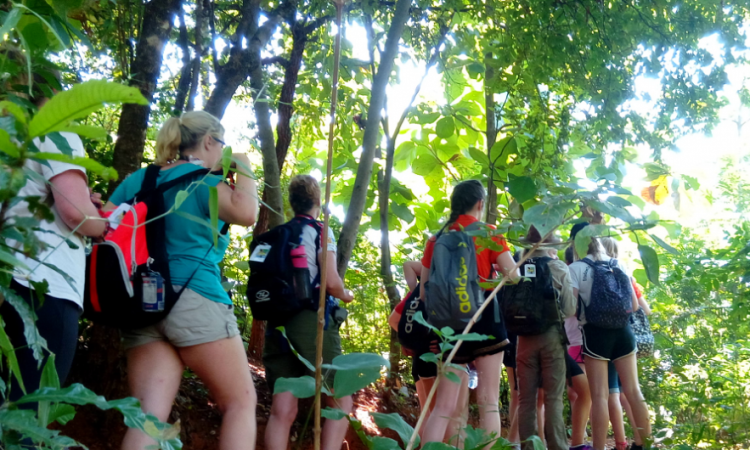
Upon arrival, contingent upon your arrival time, the initial action is to register, thereafter proceeding on a game drive to see the local fauna. The hiking expedition begins the following day, not on the day of arrival. Mang’ula serves as the registration site upon arrival, after which you will advance to the race’s starting point. Hiking along the Sanje trails. Upon early arrival, you will partake in a half-day walk or game drive, during which you will view several animals and primates. Following an extensive day of arrival and registration, the actual trekking day ensues. As it is the designated hiking day, breakfast will commence promptly at 7am.
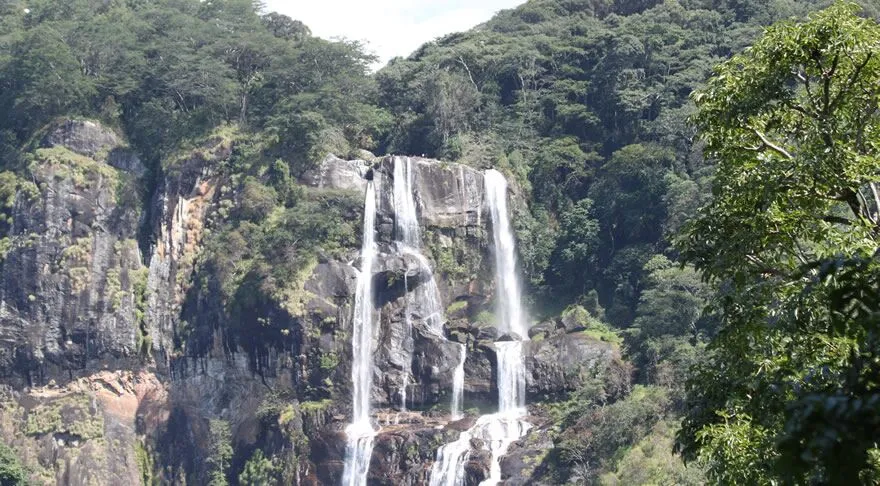
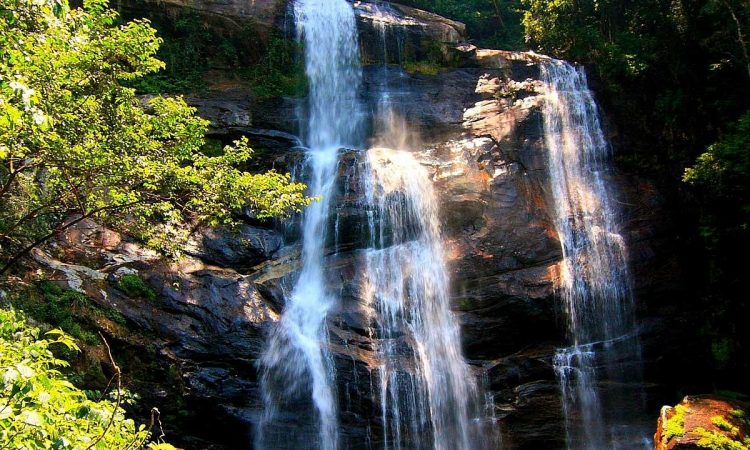
The hike should commence early to avoid the intense heat; the initial objective is to attain the 180-meter-high Sanje waterfalls. It possesses a breathtaking landscape due to its encirclement by rainforest. The breathtaking vista of the remarkable Kilombero floodplains, alongside the verdant, towering forest. The refreshing plunge pool will exceed your expectations following a half-day hike. No experience can evoke a sense of euphoria and soothe your skin like the water of this pool, situated at the apex. Packaged meals are more flavorful at this elevated altitude. This is the location for your lunch, where you may appreciate the wonderful scenery. This trek typically features encounters with the Iringa red colobus and the Sanje crested mangabey, both of which are rare monkeys endemic to this region.
The routes to the summit are dictated by the guides due to the multiple access to the Sanje Waterfalls. Subsequently, you will return to the campgrounds and hotels for sustenance and repose. The Sanje Waterfalls consist of three unique tiers: the two hundred meter tier, the seventy meter tier, and the smallest, the forty meter tier. A day trip to the Sanje waterfall is feasible without ascending Mwanihana Mountain, typically attained on the third day of the climb. The two-day walk culminates at this waterfall.
Udzungwa harbors an extensive variety of bird species, rendering it infeasible to watch them all in one excursion. The park hosts over 400 unique bird species. It is, indeed, one of Tanzania’s foremost avian sanctuaries. Endemic avifauna, including the Eastern Arc, coexists with several prevalent species, such as the green-headed oriole. Numerous ornithologists contend that the park is an avian repository of exceptional value. The park features waterfalls and captivating hiking trails, with the government aiming to expand these offerings to improve the visiting experience.
A distinctive aspect of Odzungwa is the presence of abandoned communities. Within Odzungwa Mountain National Park, one will find the Mbatwa and Mdene Villages located in the northwestern sector of the park. Once viable communities for habitation, their abandonment evidences the ongoing migration of individuals in pursuit of more suitable living conditions.