Tanzania Camping Safari
A camping safari in Tanzania is an unparalleled experience. You will be enveloped by the breathtaking scenery and diverse fauna of this East African gem. Experience the grandeur of untamed nature in national parks like Serengeti and Ngorongoro Crater.
During the peak season, visitors can observe the Great Migration, as millions of wildebeest and zebras traverse the plains. Camping beneath the stars fosters a profound connection to nature. Travelers will experience the auditory ambiance of an African night and the splendor of sunrises.
Preparing and sharing meals around a campfire fosters robust connections among other travelers. This expedition through Tanzania’s natural marvels will impart exquisite memories. The forthcoming essay will examine selecting optimal campsites, essential considerations, and anticipated experiences during your vacation.
Best Camping Safari Options in Tanzania
Tanzania has exceptional camping safari opportunities in East Africa, establishing it as a premier safari destination. It offers an exhilarating opportunity for guests to encounter the stunning scenery and varied fauna of the African wilderness. The possibilities are limitless, whether you wish to discover renowned national parks or partake in an economical wildlife safari in Tanzania.
1. Essential Parks and Reserves
A camping safari typically involves exploring renowned national parks, including Tarangire, Serengeti, and Ngorongoro Crater. Tarangire is renowned for its extensive elephant populations and striking baobab trees. In this park, visitors often observe lions resting in the shade.
The Serengeti, characterized by its expansive plains and annual wildebeest migration, is among the premier locations globally for observing dramatic wildlife activity. The Ngorongoro Crater is designated as a UNESCO World Heritage site. The diverse fauna renders it an ideal setting to commence your most unforgettable safari expedition!
2. Distinctive Camping Experiences
The benefits of camping safaris in Tanzania are extensive. Camping safaris present a cost-effective means to explore the offerings of Tanzania. Individual prices commence at a mere €639 for a duration of 4 days!
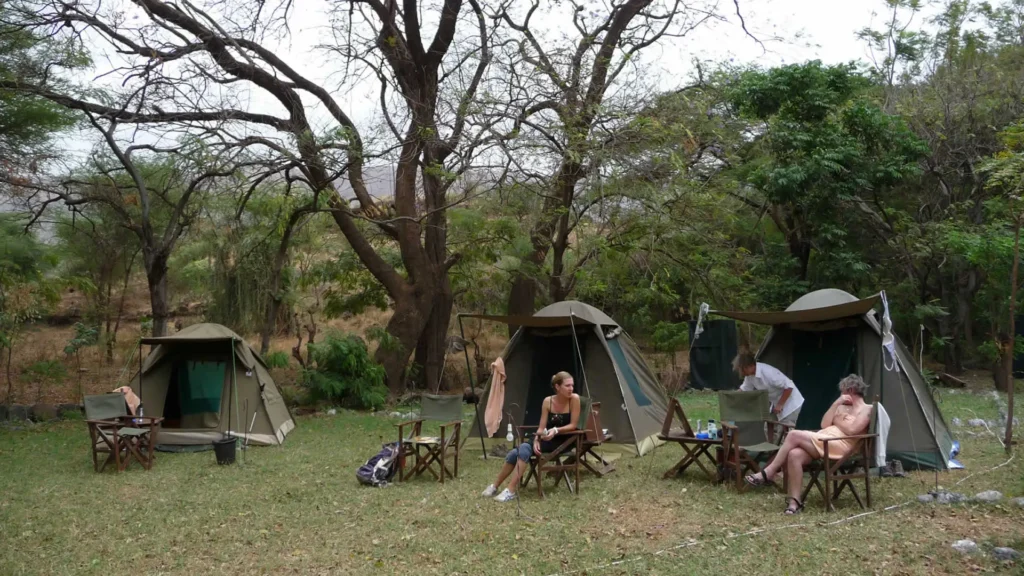
Guests may enjoy lunches in the wilderness accompanied just by the sounds of animals. There is nothing comparable than gathering around an open campfire at a public campground in Serengeti National Park. As you recline beneath the stars, the vastness of the savannah unfolds before you, culminating in a spectacular moment.
The majority of our safaris permit flights to and from destinations like Zanzibar. This option enhances the convenience and intrigue of your safari experience.
3. Eco-Friendly Lodges and Local Guides
Participating in eco-friendly lodges and local guides enhances the camping safari experience. Most resorts are highly eco-conscious, allowing for a nice vacation while contributing to environmental conservation.
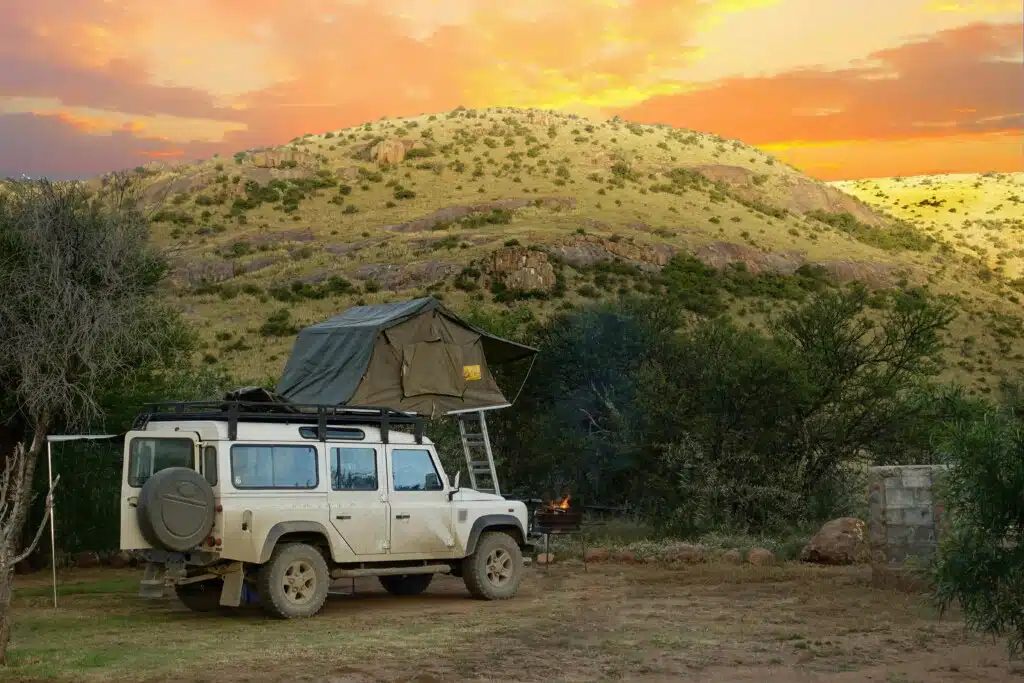
Local guides possess an intimate knowledge of the indigenous flora and animals, offering a more profound and enriching experience through their observations. Traversing in robust 4×4 safari vehicles enhances the excitement. You will enjoy an unobstructed view of Tanzania’s spectacular wildlife during your exploration.
Preparation for Your Camping Safari
Initiating a financial plan A camping expedition in Tanzania necessitates meticulous planning. This encompasses understanding what to take, how to structure your itinerary, and what to anticipate concerning local customs. Each element is essential in creating a genuine nature experience that enhances comprehension and admiration of Tanzania’s extraordinary wildlife.
1. Packing Essentials for Diverse Climates
As you prepare for your expedition, remember that Tanzania’s climate is as diverse as its topography. Daytime temperatures are mild; however, nighttime temperatures—especially at elevated locations like the Ngorongoro Crater Rim—can become frigid.
We advise you to include a variety of layered garments, a durable walking or hiking shoe, and a high-quality sleeping bag as necessary. Following an arduous day of exploration, obtaining a restorative night’s sleep is essential.
We discovered that including a folding foam mattress and bed linens significantly enhances comfort. Maintain hydration by consuming more than 2 liters of water daily. Consider insect repellent as a protective measure against mosquitoes and other vectors that may transmit disease.
2. Itinerary Planning
A meticulously crafted itinerary will maximize your safari experience. Determine the type of campsite that most effectively meets your requirements.
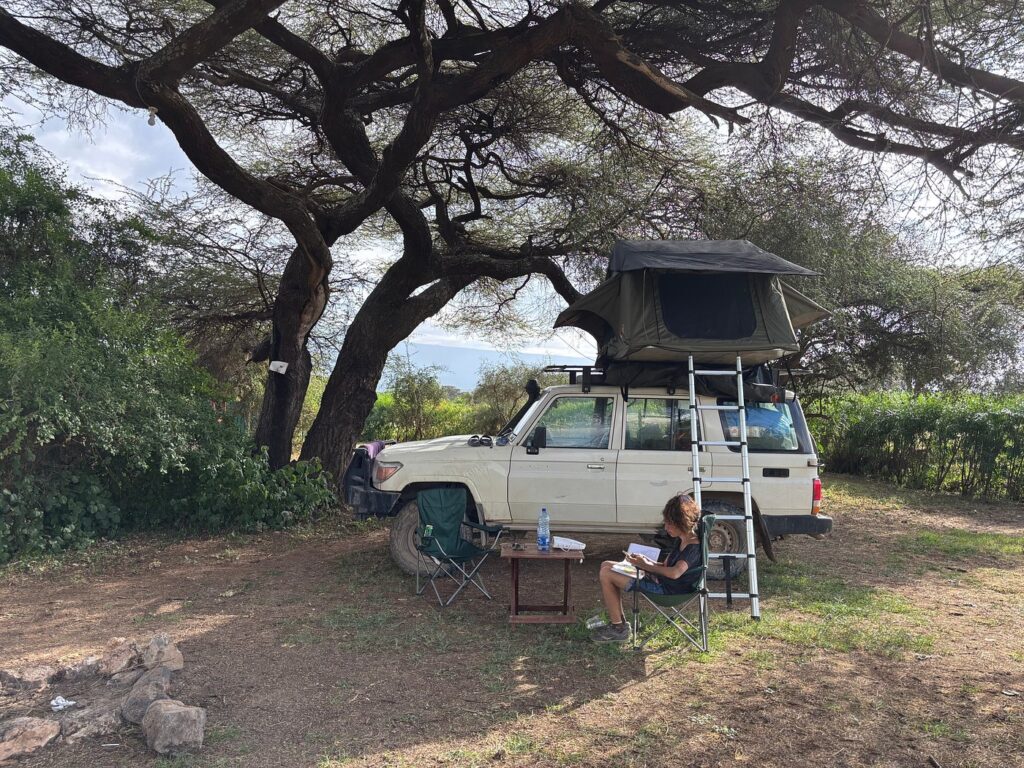
Local administrations manage public campgrounds, imposing fees of up to $30 per individual per night. The charge for exclusive campsites may escalate to $60. Each choice possesses distinct advantages, whether related to amenities or closeness.
Alternating between game drives and walking safaris enhances your experience, especially in locations such as Tarangire National Park or Serengeti.
3. Comprehending Local Customs and Regulations
Familiarizing oneself with local norms and rules is essential for fostering a polite and pleasurable experience. Tanzanian culture emphasizes communal values and reverence for the natural environment.
Understanding expectations will enhance relationships with local guides and elevate your entire safari experience. Additionally, carrying essential safety equipment, like prescribed medications and a thorough first-aid kit, can ensure preparedness for possible eventualities.
Ideal Timing for Your Safari
Comprehending the ideal period for a camping safari in Tanzania is crucial for enhancing your outdoors experience and observing wildlife. The seasons profoundly influence expectations while engaging with this country’s diverse landscapes, which underpin its rich animal habitats.
1. Optimal Seasons for Fauna Observations
The extended dry season, from June to mid-October, is typically regarded as the ideal time for safari enthusiasts. In this timeframe, the weather is clear, and wildlife observations increase as animals gather around diminishing water supplies.
September is undoubtedly the finest month, offering tourists temperate, pleasant weather and optimal conditions for observing the region’s remarkable wildlife. This period notably aligns with the remarkable Great Migration in Serengeti National Park. Millions of wildebeests traverse the plains in an exodus that is truly remarkable.
Conversely, if you prefer solitude, consider going during the shoulder seasons. October, November, January, and February are optimal months for exceptional animal observation. These months allow people to explore Tanzania’s parks with fewer tourists and appreciate the wildlife in its remarkable diversity.
2. Meteorological Factors
Weather is a crucial factor to consider while organizing your safari. The brief rainy season from November to December presents obstacles, as muddy and impassable roads hinder mobility.
This period can be gratifying, as the verdant foliage attracts a plethora of creatures. January and February are renowned for avian safaris. Moreover, the majority of our migratory birds return from the northern hemisphere, heralding the arrival of the brilliant hues and melodies of spring.
Visiting during the extended dry season will allow you to observe these migrating herds closely in Tarangire National Park. Incorporate elephants and oryx to enhance the magnificence of your safari!
Safety Protocols for Camping in Tanzania
Camping in Tanzania provides an exhilarating opportunity to engage with the raw, unrefined splendor of its terrains and diverse fauna. To guarantee a secure and pleasurable experience during your economical Tanzania wildlife safari, it is crucial to adhere to significant safety guidelines while navigating these remarkable natural environments.
1. Balancing Adventure and Safety
Equilibrating Adventure with Safety When planning for a camping trip, it is essential to achieve an optimal equilibrium between exhilarating adventure and reliable safety. Exploration versus Security Harmonize the exhilaration of adventure with prudence. Understanding what to anticipate is essential. Investigating your campground will provide a clearer understanding of the topography, climate, and any risks.
Certain regions may undergo abrupt weather fluctuations, compromising your safety during a camping excursion. Investing time in familiarizing yourself with your local guides will yield significant benefits. Their comprehension of the ecology provides essential insights that will enhance your experience with appropriate precautions.
They can provide information and skills for navigating safely and responsibly through dense underbrush. Additionally, they exclude you from designated flash flood zones.
Safety Recommendation #2 Equipping oneself with the appropriate gear is highly beneficial. Comprehensive first aid kits, suitable clothing, and high-quality camping equipment are essential components. For example, a robust tent that safeguards campers from severe weather, or properly fitted hiking footwear that minimizes the chance of harm during hikes.
2. Wildlife Encounter Precautions
Camping in Tanzania provides an exceptional wildlife experience; yet, camping can be perilous if safety measures are not followed. Understanding how to behave in the presence of animals is crucial, particularly during an economical Tanzania wildlife trip. Consistently uphold a safe distance from animals; approaching too closely may incite them and result in perilous circumstances.
To avert wildlife interactions, it is essential to securely store food and refuse at night, especially during your camping safaris in Tanzania. Employing bear-resistant containers can markedly diminish potential hazards. Encountering larger creatures, such as elephants or lions, necessitates remaining composed as your optimal protection.
In situations of uncertainty, a gradual withdrawal is typically the most prudent course of action. Acquainting yourself with the behavior of local wildlife improves your capacity to respond suitably in diverse situations, particularly on a safari in northern Tanzania. Identifying the animals that exhibit heightened activity at twilight will enable you to organize your actions efficiently.
This information is essential for averting hazardous interactions and guaranteeing a secure and pleasurable outdoor trip.
Sites of Cultural and Historical Significance to Investigate
Tanzania’s wealth extends beyond its stunning wildlife; the nation provides an exceptional budget safari that intertwines its rich culture and history, enhancing the experience of any camping safari in Tanzania. Engaging with local culture and exploring significant historical places will enhance your comprehension of what renders this remarkable country unique.
1. Integrating Local Culture into Your Itinerary
To truly understand Tanzania, incorporate local cultural events into your safari itinerary. This may involve engaging with the Maasai communities adjacent to the Ngorongoro Craters. Here, you will witness traditional dances, immerse yourself in their customs and culture, and potentially participate in their daily activities.
Engaging with individuals offers a distinctive insight into their culture, enhancing the overall experience of the tour. An other option is to meander around the vibrant souks and bazaars of cities like Arusha or Zanzibar. The vibrant ambiance, infused with the aroma of spices and the din of negotiation, provides insight into daily existence.
Ensure to taste traditional dishes like as ugali or nyama choma, which provide a delectable introduction to Tanzania’s gastronomic heritage.
2. Historical Landmarks Worth Visiting
Tanzania boasts numerous significant historical landmarks that reflect its rich heritage. Currently, the ancient ruins of Kilwa Kisiwani are designated as a UNESCO World Heritage Site. They attest to the extensive cultural influence of the dynamic, historic Swahili civilization that thrived in East Africa.
Wandering amid the remnants of mosques and palaces imparts to travelers an appreciation for the architectural ingenuity and excellence of the era. The Stone Town of Zanzibar is another significant cultural site. This picturesque coastal town is a confluence of African, Arab, and European cultures.
Today, one may observe this varied heritage in its serpentine alleys and elaborate arches. Ensure you visit the House of Wonders and the Old Fort during your stay. Since then, they have both emerged as cultural lighthouses, narrating the intriguing narratives of trade and cultural interactions that established the foundation of the region.
Logistics and Challenges in Transportation
Formulating a financial plan A camping vacation in Tanzania requires more deliberation than merely assembling your equipment and securing a guide. Transportation logistics are essential for any wildlife trip, particularly while traversing and appreciating the vistas of Africa’s stunning backcountry. Recognizing these obstacles facilitates more smart decisions to improve your Tanzania wildlife safari.
1. Accessing Remote Locations
Reaching Tanzania’s secluded safari locations might enhance the experience. Many national parks, such as Selous and Ruaha, are situated distant from national highways or international airports. For numerous travelers, these minor charter flights represent the sole means of accessing inaccessible destinations.
These flights are infrequent and costly. The duration of a flight from Dar es Salaam to Selous is one hour. Securing a seat can be challenging during peak seasons.
Upon reaching the earth, terrestrial transport is the sole viable alternative. The approach dirt roads to the campgrounds, known for their roughness and dust, present an adventure in their own right, with potholes and washouts markedly worsening during the rainy season.
A robust 4×4 vehicle is essential. For example, employing a skilled and proficient local driver is really beneficial. They excel at traversing uneven terrain and adeptly manage unexpected challenges, such as a washed-out road.
2. Traversing Tanzania’s Landscape
Tanzania’s distinctive geography provides scenic vistas yet presents difficulties. The expansive Serengeti grasslands and the dense tropical woods of the Mahale Mountains each pose distinct challenges.
The erratic, rough terrain necessitates adaptability in transportation logistics. In the Ngorongoro Crater, vehicular access is stringently regulated and limited to safeguard the delicate environment.
Moreover, the opportunity to observe animals often influences vacation itineraries. When game animals migrate, tourists seeking to track them may need to alter their trip plans on short notice.
This flexibility can facilitate unique experiences, such as witnessing the Great Migration at its zenith, but necessitates a mindset that embraces spontaneity. Comprehending these technicalities equips passengers for the forthcoming adventure and enhances the experience of discovering Tanzania’s breathtaking wilderness.
Conservation Strategies and Sustainable Tourism
Conservation policies impact the budget for camping safaris in Tanzania. In Tanzania, these rules are fundamental to the unique wildlife safari experience, aiding in the preservation of remarkable biodiversity. By endorsing sustainable tourism, they guarantee that future generations can observe animals and appreciate the nation’s natural wonders.
1. Influence of Conservation on Safari Pathways
Conservation policies directly influence the development and accessibility of safari routes. Protected sites like Serengeti National Park and Ngorongoro Crater are meticulously administered. This astute management achieves a vital equilibrium between safeguarding our animals and offering a rewarding experience for visitors.
Designated trails are established to mitigate human disturbance in vulnerable environments. This guarantees that travelers may observe wildlife without disrupting their natural behaviors, thereby enhancing the overall experience.
Moreover, conservation projects typically yield immediate advantages for local communities, incentivizing their participation. Numerous safari companies collaborate with these communities to establish routes that emphasize the region’s rich cultural heritage.
This enriches the tourist experience and empowers communities, fostering their role as custodians of their natural environment.
2. Advocating for Sustainable Practices
Sustainable tourism in Tanzania include more than just environmental initiatives. It encompasses behaviors that beneficially affect the environment and adjacent communities. Numerous safari hotels and camps implement environmentally sustainable techniques, including as solar energy utilization, recycling initiatives, and water conservation systems.
Many camps employ biodegradable materials and local items to reduce their carbon footprint. Tourists may significantly contribute to sustainability by choosing operators committed to ethical methods.
Travelers should choose safari providers that endorse local conservation initiatives and contribute to community development. This significantly ensures that the financial advantages of tourism are reinvested in the preservation of Tanzania’s stunning landscapes and remarkable wildlife.