Self-drive Guide to Saadani National Park
Saadani National Park: It is one of Tanzania’s premier parks, situated on the northern coast approximately 100 kilometers (60 miles) northwest of Dar es Salaam and similarly southwest of the port of Tanga. It encompasses 1062 km² and was officially designated in 2005, superseding a wildlife reserve that had been established in 1969. It is the sole wildlife reserve in Tanzania that adjoins the sea. The palm trees sway in the brisk ocean breeze, offering a tranquil atmosphere in this exquisite park. Saadani is the sole Tanzanian national park where the beach converges with the jungle, presenting a remarkable destination characterized by its pristine white sands and azure waters shimmering enticingly beneath the tropical sun.
It is the sole wildlife refuge in East Africa featuring an Indian Ocean beachfront, possessing all the attributes that render Tanzania’s tropical coastline and islands much sought after by European sun enthusiasts. Tourists can witness animals basking along the Indian Ocean coastline, with their leisurely sunbathing potentially interrupted by an elephant passing by or a lion approaching the next waterhole to drink. The Saadani National Park is administered by the Tanzania National Parks Authority (TANAPA).
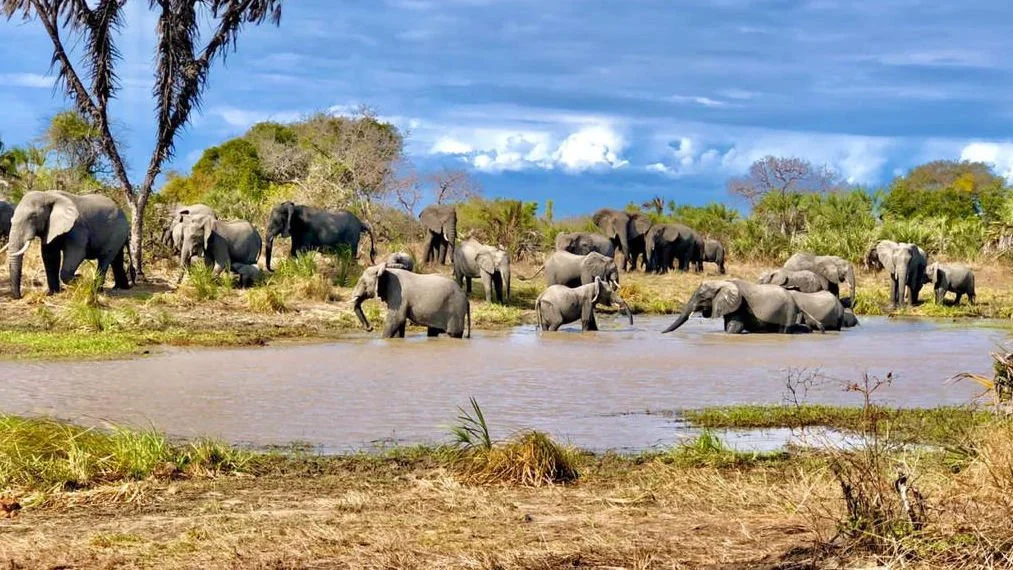
Climate and weather.
The park is primarily regulated and categorized into two seasons: the dry season and the wet season. The arid warm season (June to September) and a humid, torrid wet season (October to May). Aside from sunny days, the arid months are inconspicuous. Upon the onset of rain, circumstances become notably more intriguing. Occasional showers briefly grace the landscape before a prolonged period of precipitation ensues. The rain commences to descend significantly, albeit only for brief intervals.
Wildlife in Saadani National Park.
The wildlife population in Saadani has increased in recent years following its designation as a national park. The Park hosts over 30 species of large mammals, in addition to several reptiles and birds. Fish, green turtles, humpback whales, and dolphins inhabit the neighboring ocean. Saadani National Park is home to four of the Big Five species: lions, African bush elephants, Cape buffaloes, and leopards. Additionally, the park is home to various wild animals, including Maasai giraffes, Lichtenstein’s hartebeests, waterbucks, blue wildebeests, reedbucks, common and red duikers, dik-diks, yellow baboons, vervet monkeys, blue monkeys, Colobus monkeys, mongooses, genets, porcupines, sable antelopes, warthogs, and hippopotamuses.
Directions to Saadani National Park
Charter flights from Dar es Salaam, Zanzibar, Arusha, or any other major city to Mkwaja or Saadani airstrips represent the most convenient means of accessing the Park.Saadani National Park is frequently accessed from Dar es Salaam or Zanzibar, both of which offer scheduled flights to the park. Chartered flights are available from Arusha, the commencing location for the northern safari circuit. ZanAir, Safari Air Link, and Coastal Aviation are among the domestic airlines servicing the Park.
The route may be traversed to reach Saadani from Dar es Salaam, located 100 kilometers away, requiring 4 hours by a decent vehicle, or from Bagamoyo, situated 45 kilometers apart. A 75-kilometer route north of the park entails crossing the Pangani River by boat.
The Park is accessible by vehicle from Dar es Salaam through Chalinze to Mandera settlement. Subsequently, drive from Mandera hamlet to the Mvave Gate of Saadani National Park tourism office, which takes around 2 to 3 hours.Tanga Town can also be reached from Pangani via Mkwaja Gate, located 120 km away by unpaved road, approximately a 3 to 5-hour trip.
Attractions in Saadani National Park
The Park is well situated along the coastline, where the beach and nature converge, allowing visitors to appreciate the predominantly uninhabited beaches and the park’s unique biodiversity. The number of wildlife in Saadani National Park is rapidly growing, and you will have the chance to observe four of the Big Five mammals, namely lions, African bush elephants, Cape buffaloes, and leopards, throughout your excursion.
Additional prevalent species include Maasai giraffes, waterbucks, blue wildebeests, bohor reedbucks, sable antelopes, and many monkey species, notably the Vervet monkey. In addition to wild creatures, the Park hosts a variety of avian species and unique flora for genuine nature enthusiasts.
Activities for Tourists in Saadani National Park
The Park provides an array of activities for everyone seeking to explore and enjoy this newly established park. Saadani National Park offers the simultaneous enjoyment of a breathtaking shoreline and untamed wilderness. The activities available for tourists at Saadani National Park are enumerated below.
Game Drives
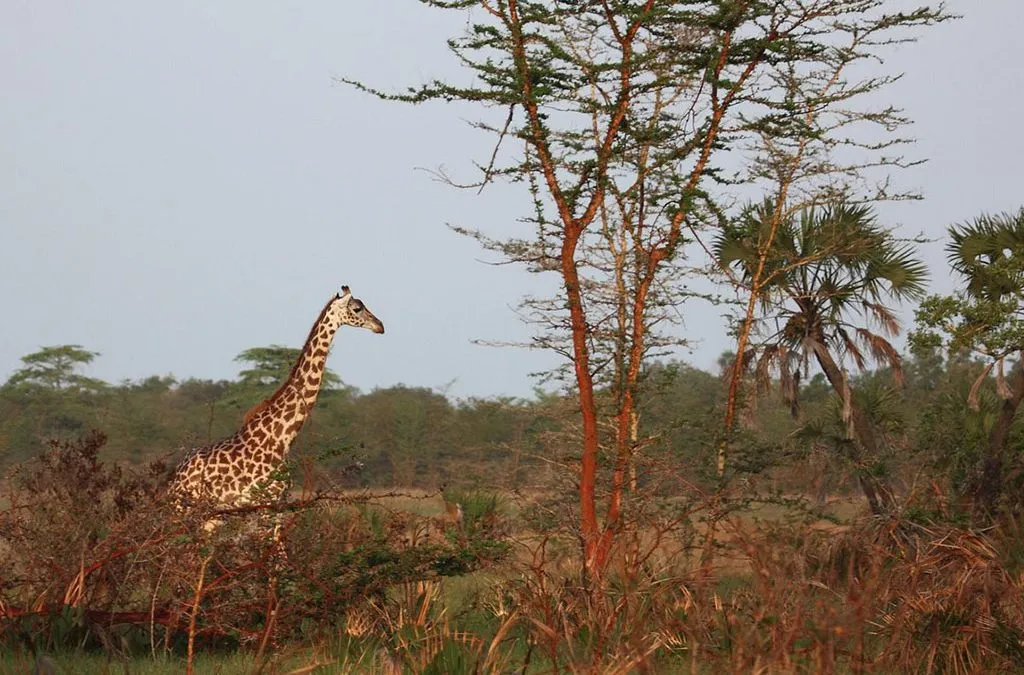
A prominent tourist activity at Saadani National Park is wildlife drives, optimally conducted in the early morning and late evening. There are few creatures to watch in this national park; nonetheless, Saadani National Park is the sole location in Tanzania where one can witness elephants or lions roaming along the coastline. This park offers a distinctive and unparalleled experience of Africa’s terrestrial fauna and diverse water life. The prevalent fauna observed in the Park during game drives comprises Maasai giraffes, Lichtenstein’s hartebeest, waterbucks, blue wildebeests, reedbucks, common and red duikers, Dik-Dik, yellow baboons, vervet monkeys, blue monkeys, Colobus monkeys, mongooses, among others.
Boat cruisers
Boating is among the most favored activities for visitors in Tanzania, occurring in certain national parks, including Lake Manyara, Arusha National Park, and the Park. Embark on a boat safari to discover the wonders of the renowned Wami River, a paradise for avian and environment enthusiasts. The Wami River exemplifies natural beauty, bordered by mangrove trees and abundant with avian and wildlife species. This national park offers an opportunity to observe several hippos and other wildlife during this unique activity.
Guided nature walk.
Walking safaris in Saadani National Park provide an intimate experience with nature while showcasing the park’s connection to aquatic environments. This unique tourism activity at Saadani National Park is conducted with the accompaniment of armed park rangers to assure visitor safety and safeguard against predatory animals, including lions. Explore Saadani National Park via traversing lowland coastal plains, acacia and tropical woods, and coastal savannahs with arid riverbeds, refreshed by the Indian Ocean, offering a glimpse of the park’s distinctive flora and animals.
Relax at the beaches adjacent to the park.
Saadani National Park is unparalleled in Tanzania for providing both forest safaris and beach holidays simultaneously, making it a unique destination. Saadani National Park is East Africa’s inaugural coastal national park, offering visitors a distinctive experience while unwinding on pristine, soft sandy beaches along the Indian Ocean, enveloped by palm trees that generate refreshing breezes.
Observe the distinctive marine fauna along the coast, including green turtles that nest on the shore, dolphins, humpback whales, elephants, and various other wildlife traversing the beaches. Additionally, you may swim in the azure ocean waters, accompanied by a refreshing sea breeze beneath the intense tropical sun, creating an indelible experience. You may also pursue swimming if it aligns with your interests.
Cultural Tours
Explore the Saadani fishing village within the reserve, where remnants attest to its prominence as a vital commercial port in the 19th century. If the concept of beach relaxation amidst herds of elephants and marine life is unappealing, you may unwind in the local ambiance of Saadani Fishing Village after your wildlife excursion in Saadani National Park.
Bird watching
In addition to larger wildlife, the Park hosts a varied array of avian species, enabling ornithologists to engage in birdwatching and appreciate this newly established park along the Indian Ocean’s coastline. Crowned Eagles, Flamingos, Mangrove Kingfishers, Little Bitterns, Lesser Kestrels, and various other avian species are plentiful in the adjacent mangrove trees along the Wami River.
What is the best time to visit Saadani National Park?
The ideal period to visit Saadani National Park is between the intervals between the two prolonged rainy seasons (January and February) and at the onset of the dry season (June and August). This is when animals replenish their hydration by consuming the water accumulated on the plains.
The optimal period for observing migrating birds is the wet season. Saadani National Park is accessible to visitors throughout the year. For optimal wildlife observation and beach enjoyment, this destination is ideal, particularly during the dry season from June to August and in January and February. The protracted rainy season in the country extends from April to May, complicating access to national parks, yet it remains the optimal period for avian observation.