Why Choose Monthly Car Rental in Tanzania?
Tanzania is one of Africa’s most breathtaking and geographically diverse nations. From the snow-capped heights of Mount Kilimanjaro to the warm shores of Zanzibar, from the vast Serengeti plains to the lush slopes of Ngorongoro Crater — navigating this country on your own terms is the most rewarding way to experience it. Monthly car rental in Tanzania has become an increasingly popular choice for travellers, expatriates, NGO workers, corporate professionals, and long-stay tourists who need reliable, flexible, and cost-effective transport.
Unlike daily or weekly rentals, a monthly car rental arrangement offers substantially reduced daily rates, greater vehicle choice, and logistical freedom that short-term hire simply cannot match. This guide covers everything you need to know: pricing, vehicle types, top rental companies, road conditions, insurance, legal requirements, and insider tips to make the most of your long-term rental experience in Tanzania.
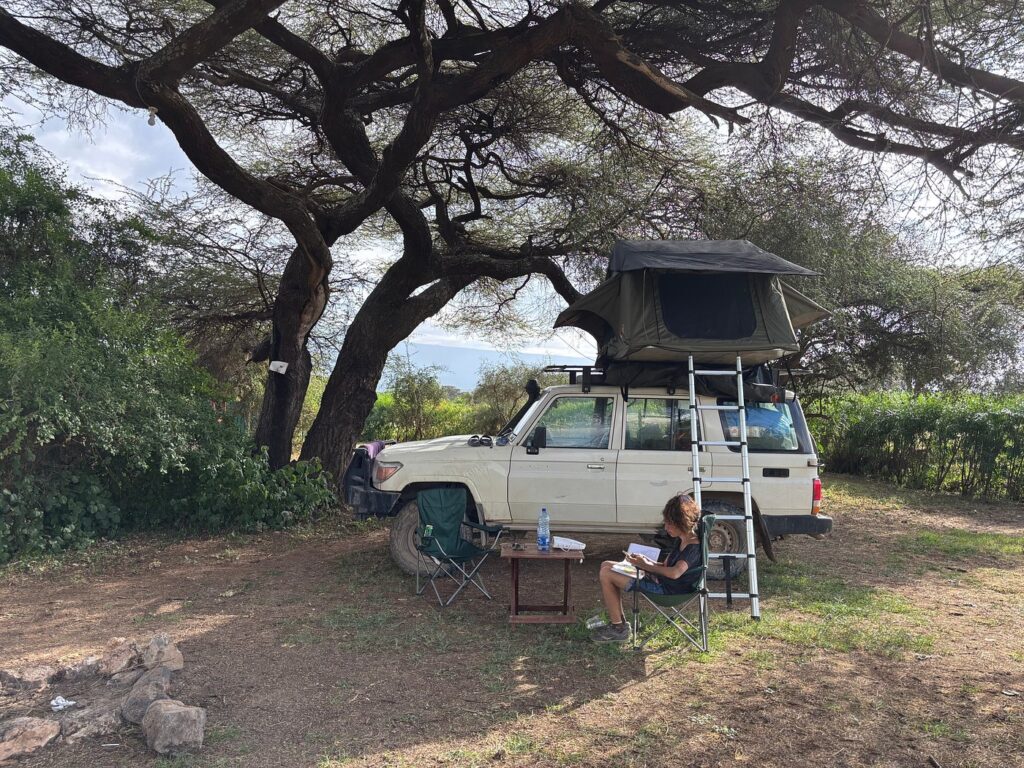
Top Reasons to Opt for Monthly Car Rental in Tanzania
1. Significant Cost Savings
Daily car rental rates in Tanzania typically range from $50 to $150 per day depending on the vehicle category. When you commit to a monthly rental — usually defined as 28 to 31 days — companies offer discounts of 30% to 50%, bringing your effective daily cost down considerably. For a mid-range SUV, monthly rates can start as low as $900 per month compared to $1,200–$2,000 if you were to book day by day.
2. Freedom and Flexibility
Tanzania’s major attractions are spread far and wide. A monthly rental gives you the freedom to explore at your own pace — whether that is a spontaneous detour to Lake Manyara, a weekend drive to the Usambara Mountains, or a cross-country journey from Dar es Salaam to Mwanza. You are not locked into tour group itineraries or expensive private transfers.
3. Ideal for Expats, NGOs, and Business Travellers
Tanzania hosts thousands of expatriates, development workers, and corporate visitors who require consistent, reliable transport. Monthly rentals provide a structured solution without the high upfront cost and administrative burden of purchasing a vehicle. Rental agreements can often be extended or modified with reasonable notice.
4. Support and Maintenance Included
Reputable monthly rental companies in Tanzania include routine maintenance, roadside assistance, and 24/7 support in their packages. This means you are never stranded without help — a critical consideration on remote roads far from urban centers.
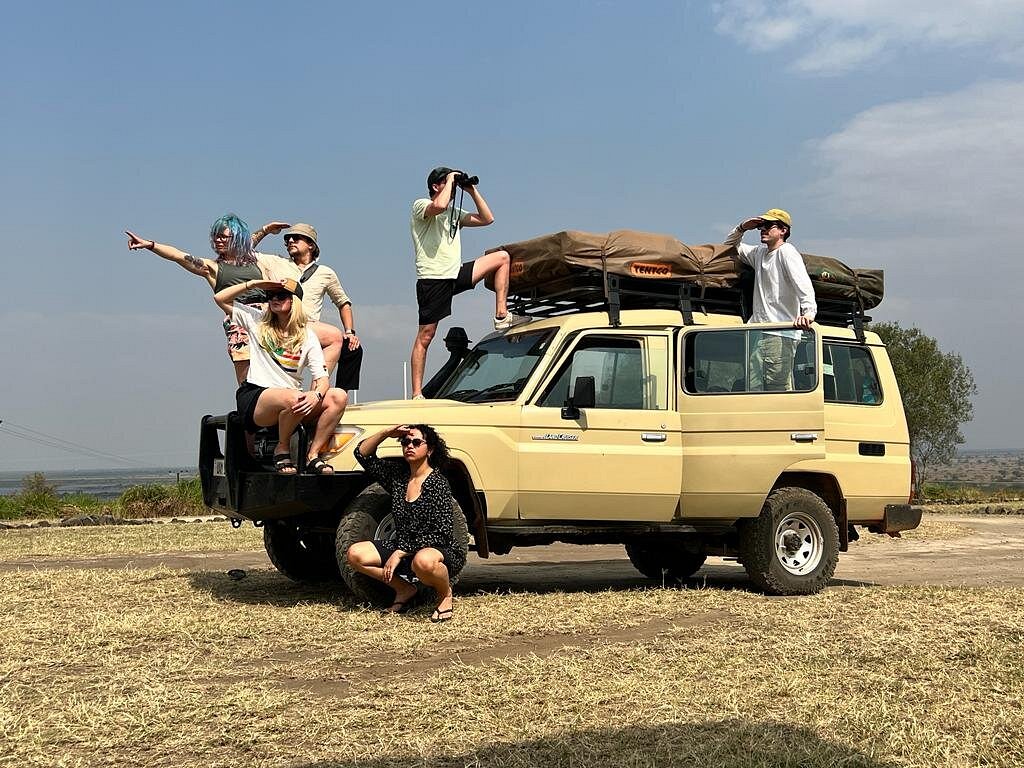
Monthly Car Rental Prices in Tanzania — 2026 Rate Guide
The following table outlines approximate monthly rental rates across common vehicle categories. Prices may vary by company, season, mileage allowance, and whether a driver is included.
| Vehicle Category | Example Models | Self-Drive /mo | Chauffeur /mo | Best For |
| Economy Sedan | Toyota Corolla, VW Polo | $900 – $1,200 | $1,400 – $1,800 | City commuting |
| Compact SUV | Toyota RAV4, Honda CR-V | $1,100 – $1,500 | $1,600 – $2,100 | Mixed terrain |
| 4×4 Land Cruiser | Toyota Land Cruiser 76/79 | $1,500 – $2,500 | $2,200 – $3,500 | Safaris & remote areas |
| Safari Pop-Top Van | Toyota HiAce, Land Cruiser | $1,800 – $2,800 | $2,600 – $4,000 | Group wildlife safaris |
| Minibus (8–12 seats) | Toyota Coaster, HiAce | $2,000 – $3,200 | $2,800 – $4,200 | Group transport |
| Luxury 4WD | Land Rover Defender, GX | $2,500 – $4,000+ | $3,500 – $5,500+ | Premium travel |
Note: Rates above are estimates in USD. Actual pricing depends on rental company, season (high season June–October may attract surcharges), negotiated terms, and mileage caps. Always request a detailed quote inclusive of insurance, taxes, and any additional fees.
Choosing the Right Vehicle for Tanzania
Economy and Saloon Cars
Best suited for urban centres such as Dar es Salaam, Arusha, Dodoma, and Mwanza, economy sedans are fuel-efficient and easy to manoeuvre in city traffic. They are a practical choice for business travellers, embassy staff, and NGO workers whose movements are largely confined to tarmac roads.
Compact and Mid-Size SUVs
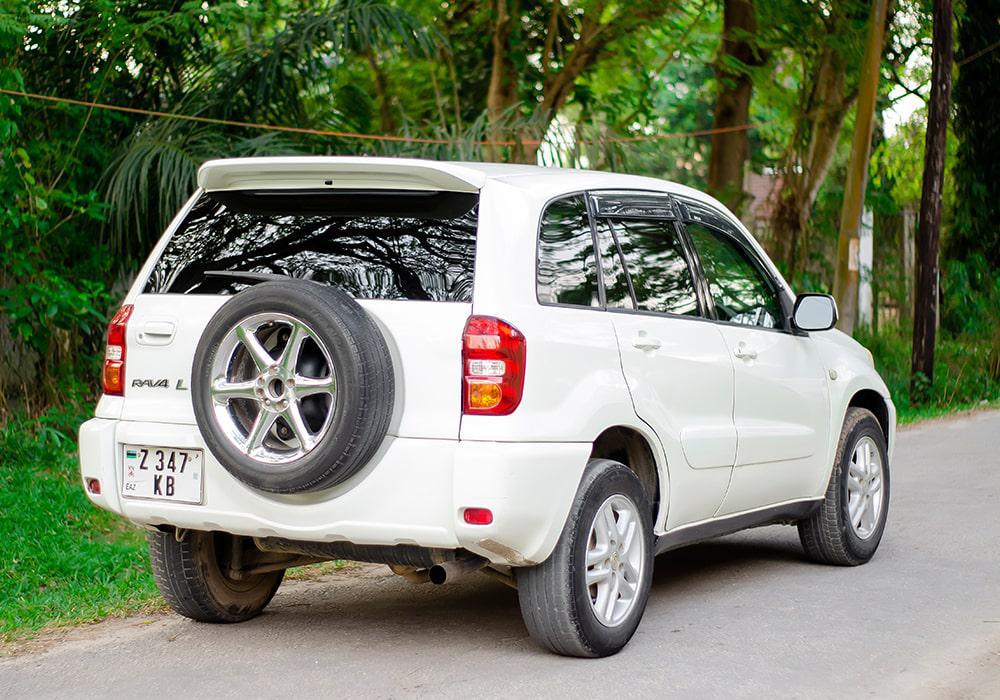
A popular middle ground, compact SUVs handle light off-road conditions and are comfortable for long-distance highway drives. Models like the Toyota RAV4 or Ford Escape are frequently available and represent good value for families, researchers, or professionals who occasionally venture off the beaten track.
Toyota Land Cruiser (4×4) — The Gold Standard
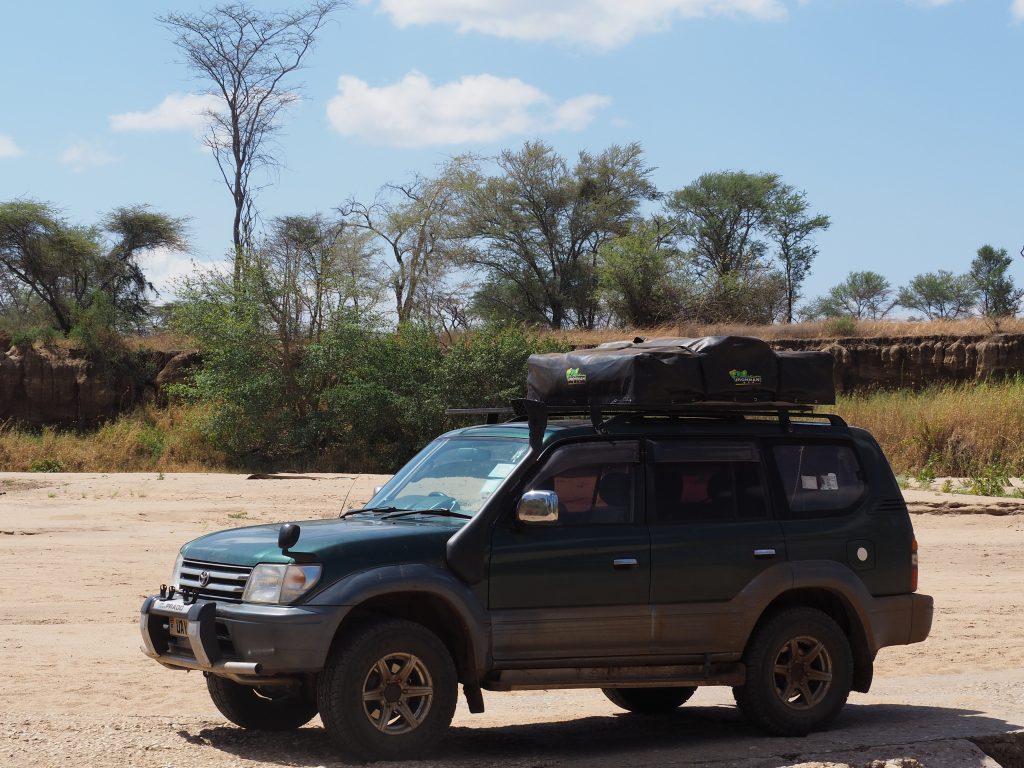
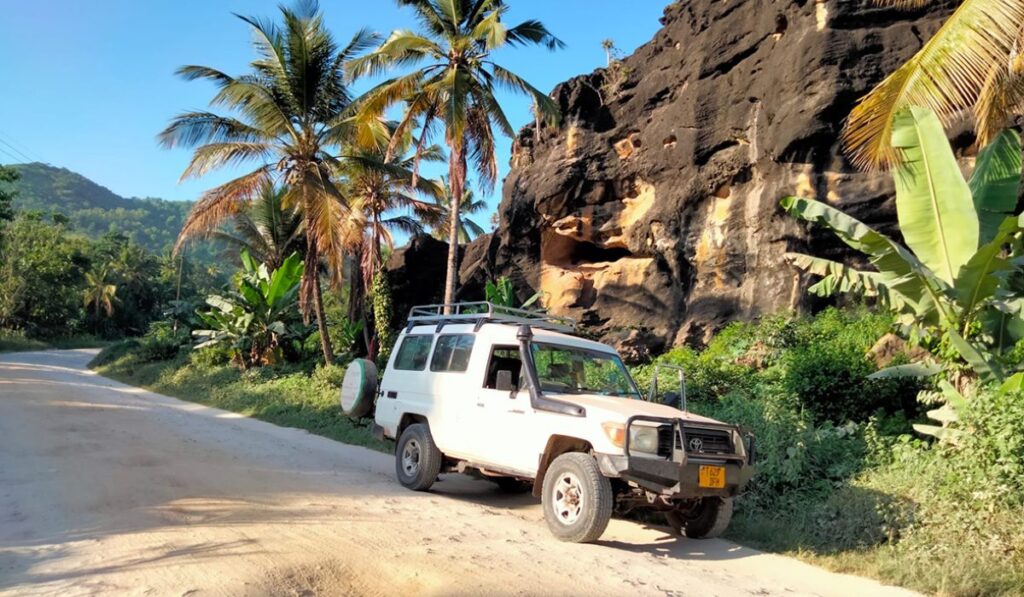
The Toyota Land Cruiser is the undisputed king of Tanzania’s roads. Built for extreme terrain, this vehicle is the vehicle of choice for game wardens, safari operators, humanitarian organisations, and adventurous travellers. For journeys through national parks, remote corridors, and the rugged northern and southern circuits, a Land Cruiser is not just preferable — it is often essential.
Safari Vehicles with Pop-Top Roofs
For wildlife enthusiasts planning extended stays in the Serengeti, Ngorongoro, Tarangire, Ruaha, or Selous, a purpose-built safari vehicle with an elevated pop-top roof provides unobstructed 360-degree views during game drives. These vehicles are often kitted with fridges, storage compartments, and communication equipment.
Where to Pick Up Your Monthly Rental in Tanzania
Dar es Salaam
Tanzania’s commercial capital and largest city is the hub for most major rental companies. Julius Nyerere International Airport (DAR) is the main pickup point, with both international and local operators represented. The city is also a logistics base for travellers heading to Zanzibar, Morogoro, Mbeya, and Dodoma.
Arusha — Gateway to Northern Safari Circuit
Arusha is the starting point for the world-famous Northern Safari Circuit, encompassing the Serengeti, Ngorongoro Crater, Lake Manyara, Tarangire, and Amboseli (Kenya). Kilimanjaro International Airport (JRO) near Arusha is a major entry point, and many rental companies maintain full offices here with safari-ready fleets.
Zanzibar
The Zanzibar Archipelago — comprising Unguja (Zanzibar Island), Pemba, and Mafia islands — has its own car rental market. Vehicles here tend to be smaller given the island’s size, but monthly rentals are available for long-stay visitors, researchers, and resort staff.
Mwanza and Lake Zone
Tanzania’s second-largest city, situated on the southern shores of Lake Victoria, serves as a hub for business and agriculture in the Lake Zone. Monthly rentals here suit traders, agricultural inspectors, and professionals working in the region’s growing economy.
Dodoma — The Capital
As Tanzania’s political capital, Dodoma hosts government ministries, diplomats, and large organisations. Monthly rentals are in demand among civil servants and consultants based here for extended assignments.
Top Monthly Car Rental Companies in Tanzania
When choosing a rental company for a month-long hire, reliability, fleet condition, and customer support matter far more than rock-bottom price. Below are some of the best-regarded operators:
| Company | Coverage | Speciality | Notable Feature |
| Arusha Car Rental | DAR, Arusha, ZNZ | Corporate & leisure | International standards |
| Car rental Dar es Salaam | DAR, Arusha | Value monthly deals | Competitive long-stay rates |
| 4×4 Car Rental | DAR, Kilimanjaro | Premium fleet | Luxury 4WD options |
| 4×4 Car rental Tanzania | Arusha, Serengeti | Safari rentals | Full safari packages |
| Budget car hire in Uganda | Nationwide | 4×4 off-road | Emergency field support |
| Local independent operators | Regional | Budget-focused | Negotiable pricing |
Requirements and Documentation
Driving Licence
To rent and drive a vehicle in Tanzania, you need:
- A valid national driving licence from your home country
- An International Driving Permit (IDP) — strongly recommended and often required by rental companies
- Tanzania drives on the left-hand side of the road (British system)
- Minimum age for renting is typically 23–25 years; some companies impose surcharges for drivers under 25
Passport and Visa
All renters must present a valid passport. Most nationalities require a Tanzania tourist visa, available on arrival or as an e-Visa. NGO and diplomatic workers may require additional documentation. Ensure your visa type permits driving — tourist visas generally do.
Credit Card and Deposit
A valid credit card is required for the security deposit, which typically ranges from $500 to $2,000 depending on vehicle class. Some operators accept cash deposits. The deposit is fully refundable upon return of the vehicle in good condition.
Insurance Coverage
Monthly car rental packages in Tanzania should include the following minimum insurances:
- Third-Party Liability Insurance (mandatory by Tanzanian law)
- Collision Damage Waiver (CDW) — reduces your liability in the event of an accident
- Theft Protection — covers vehicle theft (subject to conditions)
- Passenger Personal Accident Insurance
Always read the fine print. CDW often excludes damage to tyres, the undercarriage, windscreen, and damage caused by driving on unauthorised roads — particularly relevant when venturing into national parks.
Road Conditions Across Tanzania
Understanding Tanzania’s road infrastructure is critical when selecting your vehicle and planning your monthly itinerary.
Tarmac Roads (Class A & B)
Major routes connecting Dar es Salaam, Arusha, Moshi, Dodoma, Morogoro, Mwanza, and Mbeya are surfaced and generally in fair-to-good condition. The Tanzania National Roads Agency (TANROADS) has significantly upgraded several highways in recent years, including the TANZAM Highway (A7) and the Dar–Morogoro–Dodoma corridor.
Murram (Gravel) Roads
A large portion of Tanzania’s road network consists of gravel or murram (laterite) roads. These are passable year-round in dry conditions but can become deeply rutted, slippery, or even impassable during the long rains (March–May) and short rains (October–December). A 4×4 vehicle is strongly recommended for these routes.
National Park Tracks
All roads within Tanzania’s national parks and conservation areas are unpaved and require high-clearance 4WD vehicles. Driving on certain tracks in the Serengeti, Ngorongoro, Ruaha, and Selous without an appropriate vehicle is not permitted and can void your rental insurance.
Seasonal Considerations
The dry season (June–October) offers the best driving conditions across most of Tanzania and coincides with peak wildlife viewing. Plan road trips and long-distance drives around the rainy seasons if you are not in an appropriate vehicle.
Insider Tips for Monthly Car Rental in Tanzania
1. Negotiate the Rate
Monthly rentals are highly negotiable, especially during off-peak periods (November–May outside school holidays). Approach multiple companies, obtain written quotes, and do not hesitate to ask for a better deal — particularly if you are a returning customer or an NGO representative.
2. Inspect the Vehicle Thoroughly
Before signing any rental agreement, conduct a detailed walk-around inspection of the vehicle. Document all pre-existing scratches, dents, and interior damage with photographs or video and ensure these are recorded on the rental agreement. This protects you from being charged for damage you did not cause upon return.
3. Understand the Mileage Cap
Most monthly rental agreements include a mileage allowance, typically 3,000 to 5,000 km per month. Exceeding this incurs per-kilometre overage charges ($0.10–$0.30/km). If you plan extensive travel, negotiate an unlimited mileage deal upfront.
4. Carry Emergency Essentials
Even with roadside assistance, response times in remote areas can be lengthy. Carry:
- A full spare tyre (not just a space-saver) — two spares for long off-road journeys
- A basic toolkit and tyre repair kit
- Sufficient water and food for unexpected delays
- A GPS device or offline maps (Google Maps offline works well in Tanzania)
- A satellite communicator (e.g., Garmin inReach) for remote regions
5. Fuel Availability
Petrol and diesel are widely available in major towns and along main highways. In remote regions — particularly the southern highlands and western Tanzania — fuel can be scarce. Fill up whenever your tank is above half in rural areas. Diesel is more commonly available than petrol in off-road regions.
6. Use a Reputable Local Guide or Driver
For your first month in Tanzania, consider pairing your rental with a knowledgeable local driver or guide, even for a portion of the time. They can navigate road conditions, handle local interactions, and provide invaluable logistical support — especially outside major cities.
Frequently Asked Questions (FAQ)
Can foreigners rent a car in Tanzania?
Yes. Foreigners can legally rent and drive vehicles in Tanzania provided they hold a valid driving licence from their home country and, ideally, an International Driving Permit. The vehicle rental company will require a valid passport and credit card.
Is it safe to self-drive in Tanzania?
Self-driving in Tanzania is generally safe for experienced drivers who exercise appropriate caution. Urban driving in cities like Dar es Salaam requires attention to chaotic traffic. Long-distance drives are manageable on main roads. National parks and remote areas require a 4WD vehicle and solid navigation skills. Driving at night in rural areas is discouraged due to poorly lit roads and livestock hazards.
What is the best vehicle for a Tanzania safari?
The Toyota Land Cruiser (Series 76 or 79) is the most highly recommended vehicle for game drives and safari travel. Its ground clearance, reliability, availability of spare parts, and ability to traverse challenging terrain make it the definitive choice. The Toyota Hilux is a good alternative for those on a tighter budget.
Can I take a rental car from Tanzania to Kenya or Uganda?
Cross-border travel is possible but requires prior authorisation from the rental company. Most operators will charge a cross-border fee ($50–$150) and require additional insurance documentation. Ensure that the rental agreement explicitly permits the specific countries you intend to visit and that your insurance coverage extends to those territories.
Are chauffeur-driven monthly rentals worth it?
For business travellers, diplomats, or those unfamiliar with Tanzanian roads, a chauffeur-driven monthly rental offers exceptional value. Drivers are typically experienced, speak English, and serve as informal guides. The monthly cost premium over self-drive is often $500–$1,000 — a worthwhile investment for stress-free travel.
Conclusion: Your Journey Starts Here
Monthly car rental in Tanzania opens the door to one of the world’s most extraordinary travel and work destinations. Whether you are here to witness the Great Migration in the Serengeti, summit Kilimanjaro, support a development project in Dodoma, or simply explore the rich tapestry of Tanzanian culture and landscape — having reliable, comfortable, and cost-effective transport at your disposal transforms the experience entirely.
Plan ahead, choose the right vehicle for your terrain, understand your insurance coverage, and partner with a reputable rental company. Tanzania rewards those who explore it deeply — and a monthly car rental is your key to doing exactly that.