30 days Tanzania self drive itinerary
30 days Tanzania self drive itinerary, Tanzania is one of Africa’s greatest wildlife destinations, home to the legendary Serengeti, the iconic Ngorongoro Crater, majestic Mount Kilimanjaro, and the pristine beaches of Zanzibar. This 30-day self-drive safari itinerary takes you through the country’s most spectacular national parks and reserves, combining thrilling game drives with authentic camping experiences under the African sky.
This itinerary covers approximately 4,500 km through northern and southern Tanzania circuit, carefully designed to optimize wildlife encounters, road conditions, and seasonal factors. Self-driving in Tanzania gives you unparalleled freedom, flexibility, and an immersive connection with the wilderness that organized tours cannot match.
| 30 DAYS Duration |
~4,500 KM Total Distance |
12+ PARKS National Parks |
CAMPING Accommodation |
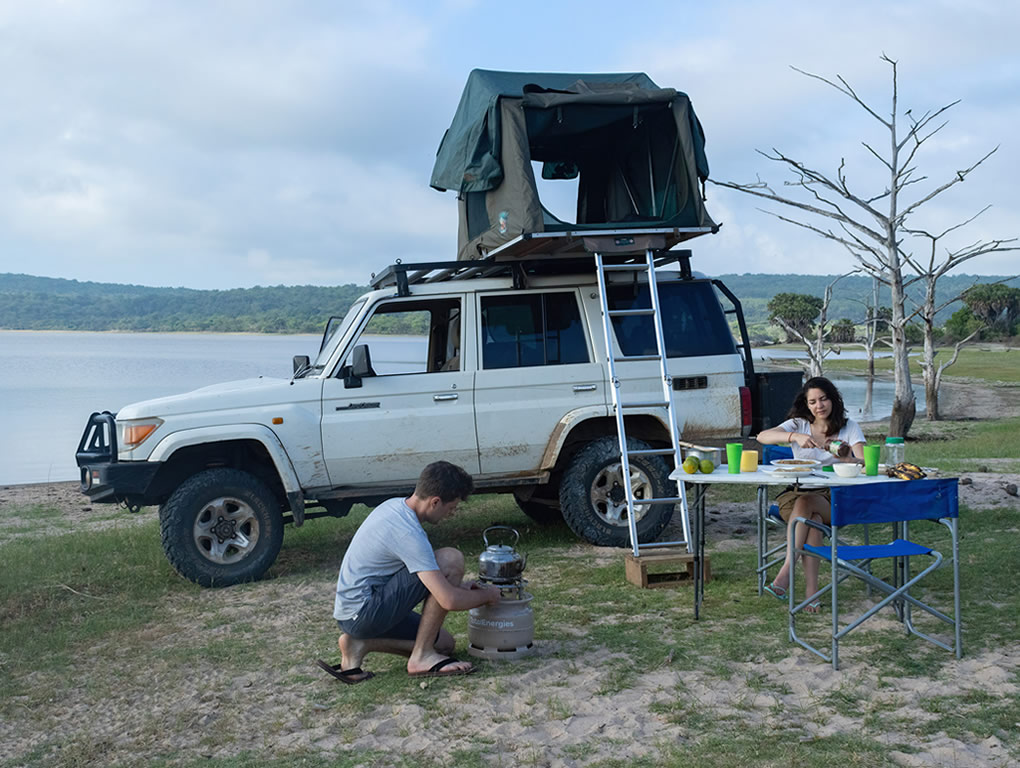
📅 BEST TIME TO VISIT TANZANIA
Tanzania’s climate is dictated by two rainy seasons and two dry seasons. The timing of your visit dramatically affects wildlife density, road accessibility, and overall experience. Understanding these seasons is essential for planning your self-drive adventure.
Seasonal Overview
| Season | Months | Conditions | Self-Drive Rating |
| Peak Dry Season | July – October | Dry, excellent wildlife viewing, Great Migration in Serengeti, roads at their best | ★★★★★ BEST |
| Short Dry Season | Jan – Feb | Mostly dry, calving season in Serengeti, fewer crowds, good prices | ★★★★☆ GREAT |
| Short Rains (Vuli) | Nov – Dec | Light rains, lush landscapes, migratory birds arrive, some tracks may be muddy | ★★★☆☆ GOOD |
| Long Rains (Masika) | Mar – May | Heavy rains, some parks inaccessible, roads very challenging, lowest prices | ★☆☆☆☆ AVOID |
The Great Migration Calendar
The Great Migration — over 1.5 million wildebeest, zebra, and gazelle — is the world’s greatest wildlife spectacle. Here’s when and where to witness it:
- December – March: Southern Serengeti & Ndutu — Calving season, newborn wildebeest, predator action
- April – May: Central Serengeti — Herds moving north, green landscapes (rains may limit access)
- June – July: Western Corridor — River crossings at Grumeti River begin
- August – October: Northern Serengeti & Masai Mara — Dramatic Mara River crossings, peak migration
- November: Return south — Herds begin moving back through central Serengeti
🚗 SELF DRIVE REQUIREMENTS
Self-driving in Tanzania is legal and increasingly popular, but it requires thorough preparation. Tanzania’s roads range from excellent tarmac to challenging dirt tracks that demand 4WD capability and experience.
Vehicle Requirements
- 4WD vehicle with high clearance — mandatory for most national park tracks
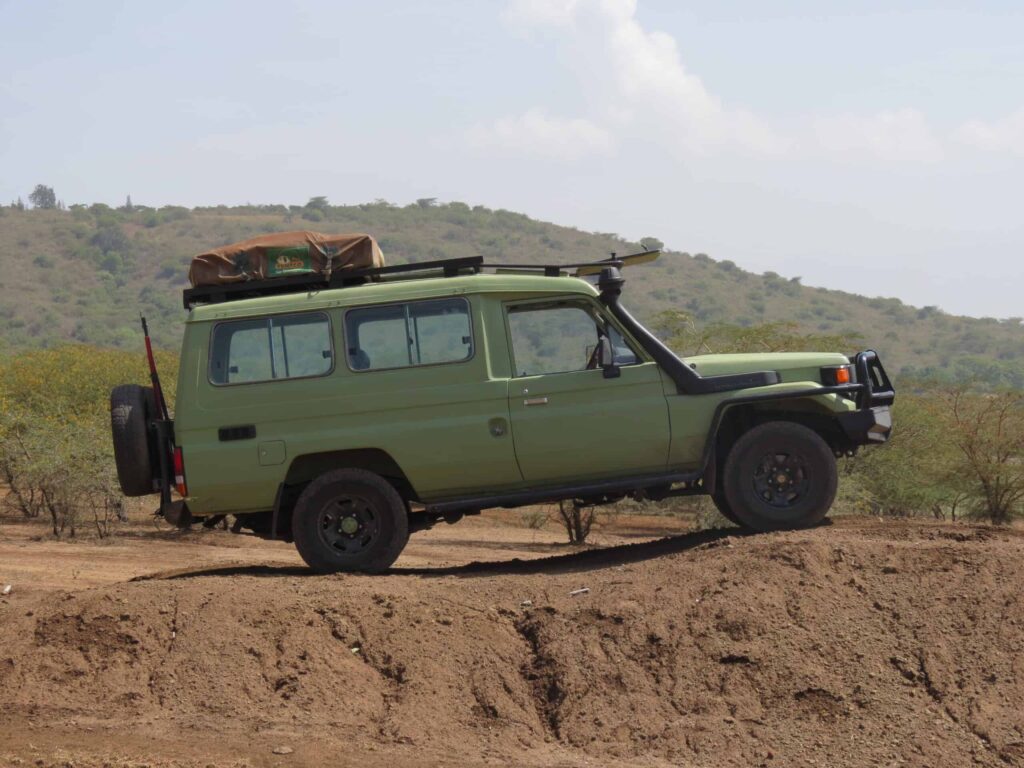
- A reliable 4×4 such as Toyota Land Cruiser, Land Rover Defender, Toyota Hilux, or Nissan Patrol
- Manual locking differentials highly recommended for deep sand and mud
- Minimum ground clearance of 250mm (10 inches)
- All-terrain tyres in good condition with good tread depth
- Full-size spare tyre (carry two spares for remote areas)
- Roof tent or camping gear storage capacity
- Snorkel recommended for water crossings in southern and western Tanzania
- Recovery points (front and rear) with recovery kit
Documentation Required
- Valid driver’s licence from your home country (English or with certified translation)
- International Driving Permit (IDP) — strongly recommended and required by some rental agencies
- Vehicle registration papers and insurance documents
- Comprehensive third-party insurance valid in Tanzania
- Carnet de Passage if bringing your own vehicle across borders
- Passport with valid Tanzania tourist visa (or EAC single tourist visa)
- Yellow Fever vaccination certificate (required for entry)
- Proof of TANAPA (Tanzania National Parks Authority) concession permit where required
Vehicle Rental Considerations
- Book well in advance (3–6 months for peak season) — reliable 4×4 rentals are in high demand
- Budget approximately USD $120–$250 per day for a fully-equipped 4×4 with camping gear
- Confirm: unlimited mileage, roof tent included, camping kitchen, navigation device, emergency contacts
- Request a full mechanical briefing before departure — test all systems
- Clarify breakdown procedures, 24/7 emergency contact, and vehicle swap policy
- Obtain a local Tanzanian SIM card (Vodacom or Airtel) for communication
Road Conditions by Region
| Arusha–Tarangire | Good tarmac |
| Tarangire–Ngorongoro | Mix of tarmac and good gravel |
| Serengeti internal tracks | 4WD required, sandy/rocky |
| Ruaha NP tracks | 4WD essential, very rough |
| Selous/Nyerere tracks | 4WD essential, may flood |
| Zanzibar roads | Tarmac and decent gravel |
Fuel Planning
- Fuel stations are scarce inside national parks — always fill up before entering
- Carry at least 40–60 litres of extra fuel in jerry cans for remote areas
- Key refuel towns: Arusha, Karatu, Mto wa Mbu, Makuyuni, Musoma, Iringa, Morogoro
- Diesel is widely available; petrol (gasoline) less so in remote areas
- Average fuel consumption: 12–18 litres/100km for loaded 4×4 on rough terrain
Navigation & Communication
- Download offline maps: Overlander, Maps.me, Tracks4Africa, or OsmAnd
- GPS device with East Africa maps loaded — do not rely solely on smartphone GPS
- Satellite communicator (Garmin inReach or SPOT) recommended for remote areas
- TANAPA park gate coordinates saved in advance
- Always inform someone of your daily route and expected arrival times
- VHF radio useful for communication with rangers in some parks
⛺ CAMPING REQUIREMENTS
Camping in Tanzania’s national parks is one of the most authentic and thrilling wildlife experiences available. Waking to the sounds of lions, elephants rustling through camp, and birdsong at dawn is unforgettable. However, it requires careful preparation and strict adherence to safety protocols.
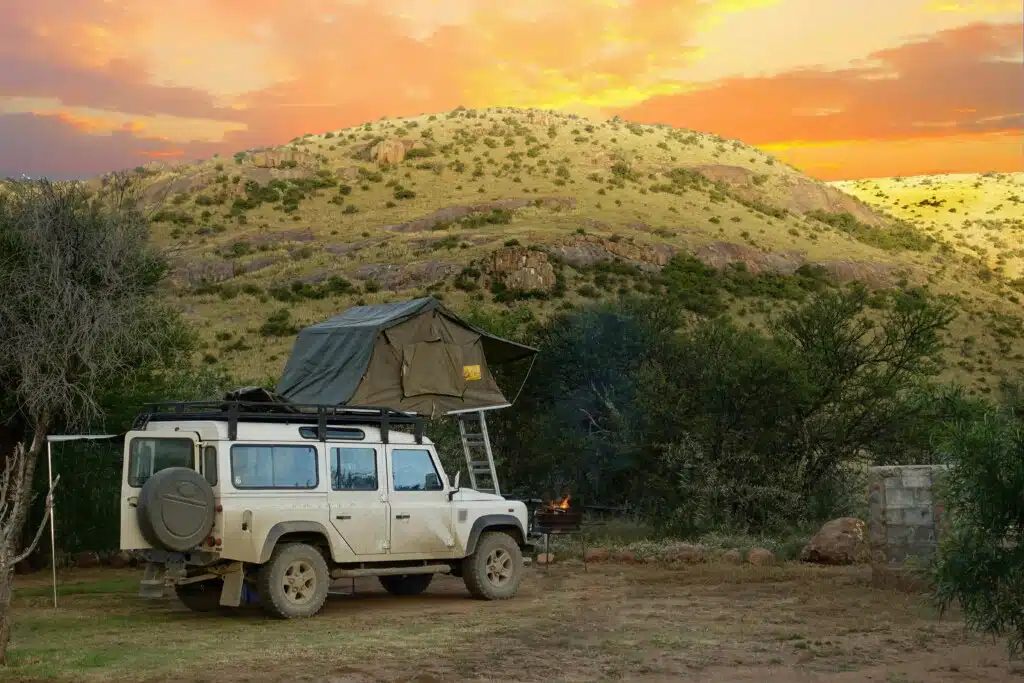
Types of Campsites
- Public Campsites — Basic TANAPA-run sites with pit latrines, occasionally running water; shared with other campers; affordable at USD $30–50 per person per night
- Special Campsites — Exclusive-use, remote, private sites within parks; no facilities; require advance booking; USD $50–80 per person per night; the most immersive experience
- Private/Concession Campsites — Run by private operators with better facilities (flush toilets, hot showers, electricity); USD $60–150 per person per night
- Community Campsites — Located outside park boundaries in villages and community lands; cheapest option; good cultural interaction
Essential Camping Gear Checklist
Shelter & Sleeping
- Rooftop tent (most practical for Tanzania — keeps you safe from wildlife and off muddy ground)
- Ground tent with heavy-duty groundsheet as backup
- Sleeping bag rated to 5°C (highlands get cold at night)
- Sleeping mat or camping mattress
- Mosquito net (treated with permethrin)
Kitchen & Food
- Portable gas stove (2-burner recommended) with sufficient gas canisters
- Cooking pots, pans, and utensils set
- Cutting board, sharp knife, and serving utensils
- Collapsible water containers (minimum 20 litres)
- Water purification: filter (Sawyer/LifeStraw), tablets, or UV purifier
- Cooler box/fridge (12V compressor fridge ideal) with ice or cooling packs
- Dry food supplies: rice, pasta, oats, canned goods, nuts, energy bars
- Camp kitchen/table setup — most rental 4x4s include a ‘chuck box’
Safety & First Aid
- Comprehensive first aid kit: bandages, antiseptic, tweezers, scissors, blister pads
- Prescription medications: anti-malarials (start before travel), antibiotics
- Snake bite kit and knowledge of how to use it
- Emergency whistle, signal mirror, and personal locator beacon
- Fire extinguisher (mandatory — keep accessible)
- Spare batteries, power bank (20,000 mAh minimum), and solar charging panel
Camp Security & Wildlife Safety
- Never leave food, toiletries, or waste outside your vehicle or tent
- Store all scented items (food, toothpaste, sunscreen) in sealed containers inside the vehicle
- Never approach or feed wildlife — even small animals like vervet monkeys
- Always zip tent fully — insects and small animals enter quickly
- Use a headlamp (not just phone torch) when moving at night
- Make noise when moving through camp at night to deter animals
- Never walk alone at night in or near national parks
- Respect fire restrictions — open fires prohibited in many areas; use camp stove
Camping Fees & Bookings
- Book through TANAPA official website (tanzaniaparks.go.tz) or authorized agents
- Book special campsites at least 3–6 months ahead for peak season (July–October)
- Public campsite fees (per person per night): Serengeti USD $50, Ngorongoro USD $50, Tarangire USD $35, Ruaha USD $30
- Children under 5: free; 5–15 years: half price
- Vehicle entry fees are separate from camping fees
- Payment accepted by credit card at major gates; carry USD cash as backup
- Keep all receipts — rangers will check them at internal checkpoints
🏕️ CAMPING GROUNDS IN TANZANIA NATIONAL PARKS
Serengeti National Park
- Seronera Public Campsite — Central Serengeti; basic facilities; great year-round wildlife; busy in peak season
- Lobo Valley Campsite — Northern Serengeti; near Lobo Kopjes; excellent big cat country
- Ndutu Special Campsite — Southern Serengeti; calving season hotspot; December–March ideal
- Kogatende Public Campsite — Far north; closest camp to Mara River crossings; August–October
- Moru Kopjes Special Campsite — Remote, exclusive, wild camping near ancient kopjes; rhino territory
- Soit Le Motonyi Special Campsite — High elevation with panoramic views; less visited
Ngorongoro Conservation Area
- Simba A & B Public Campsites — Crater rim; stunning sunrise views; elephants and buffalo wander through at night — stay in vehicle!
- Nainokanoka Public Campsite — Remote, quieter, community area
- Ndutu Camp Area — Southern NCA boundary; great for wildebeest calving
- Note: No camping inside the crater itself; only on the rim and outer areas
Tarangire National Park
- Tarangire Public Campsite — Main campsite near the park entrance; excellent elephant viewing along the Tarangire River
- Oliver’s Special Campsite — Remote and exclusive; superb dry-season elephant concentrations
- Boundary Hill Special Campsite — Elevated site with views over the park
Lake Manyara National Park
- Lake Manyara Public Campsite — Outside the park gate; basic facilities; flamingo and tree-climbing lion habitat nearby
- Maji Moto Special Campsite — Hot springs area; birding paradise
Ruaha National Park
- Mwagusi Public Campsite — Along the Great Ruaha River; enormous herds of elephant, buffalo, and lions
- Jongomero Special Campsite — Remote wilderness camping in Tanzania’s largest park
- Msembe Area Campsite — Near park headquarters; reliable predator sightings
Nyerere National Park (Selous Game Reserve)
- Mtemere Public Campsite — Near the northern entrance; boat safari access; hippos and crocodiles abound
- Beho Beho Special Campsite — Exclusive hillside site overlooking the floodplains
- Stiegler’s Gorge Area — Remote camping; massive wildlife; stunning gorge scenery
Mikumi National Park
- Mikumi Public Campsite — Accessible from Dar es Salaam; good for weekend campers; lion, elephant, and zebra
- Hippo Pool Area — Walk to the famous hippo pool with ranger escort
Arusha National Park
- Colobus Forest Campsite — Near Momela Lakes; flamingos, buffalo, and giraffe; excellent base for Kilimanjaro views
- Fig Tree Campsite — Riverside camping; colobus monkeys overhead
Mahale Mountains National Park
- Nkungwe Beach Campsite — Remote lakeside camping on Lake Tanganyika; accessible only by boat; chimpanzee trekking
Gombe Stream National Park
- Kasekela Public Campsite — Jane Goodall’s original research site; chimpanzee habituated troops
🗺️ 30-DAY SELF DRIVE ITINERARY
This itinerary begins and ends in Arusha, Tanzania’s safari capital, and loops through the Northern and Southern circuits. It is designed for the dry season (July–October) for the best self-drive conditions and wildlife viewing, including the Great Migration.
| ROUTE OVERVIEW
• Days 1–3: Arusha — Preparation & Acclimatisation • Days 4–6: Lake Manyara National Park • Days 7–9: Tarangire National Park • Days 10–13: Ngorongoro Conservation Area • Days 14–18: Serengeti National Park (Central & Northern) • Days 19–20: Lake Victoria — Musoma • Days 21–23: Return South — Arusha Rest • Days 24–26: Arusha NP & Kilimanjaro Region • Days 27–29: Day trips — Cultural & Community visits • Day 30: Zanzibar transfer & Farewell |
PHASE 1: NORTHERN CIRCUIT
Days 1–3: Arusha — Base Camp & Preparation
| DAY 1 | Arrival in Arusha — Vehicle Collection & City Orientation
Distance: City drives only | Overnight: Arusha — camp at Arusha National Park campsite or budget lodge Collect rental 4×4, vehicle briefing, stock up on supplies at Shoprite or Nakumatt, visit Clock Tower area, cultural centre |
| DAY 2 | Arusha — Supplies, Permits & Preparation
Distance: 20 km | Overnight: Arusha town campsite Purchase TANAPA park permits online or at TANAPA office, visit Cultural Heritage Centre, prepare food supplies, check all vehicle systems, pack camping gear |
| DAY 3 | Arusha National Park — Familiarisation Drive
Distance: 50 km | Overnight: Colobus Forest Campsite, Arusha NP Day drive in Arusha NP — giraffe, buffalo, flamingos at Momela Lakes, Kilimanjaro views on clear mornings; practice off-road driving in a safe environment |
Days 4–6: Lake Manyara National Park
| DAY 4 | Arusha to Lake Manyara NP
Distance: 130 km | Overnight: Lake Manyara Campsite (outside gate) Drive via Makuyuni, enter Lake Manyara NP — famous tree-climbing lions (morning sightings best), huge flocks of flamingos on the alkaline lake, hippo pools |
| DAY 5 | Lake Manyara — Full Day Game Drive
Distance: 80 km in park | Overnight: Lake Manyara Campsite Full day exploring the park — groundwater forest (baboons, colobus), open plains (wildebeest, zebra), pelican and stork colonies on the lake shore, night drive if available |
| DAY 6 | Lake Manyara to Karatu (Ngorongoro Gateway)
Distance: 45 km | Overnight: Karatu — budget campsite or Ngorongoro Farm House Camp Morning game drive, exit Lake Manyara; drive to Karatu — the Crater Highlands base town; stock up on fresh produce at local market; visit coffee farm |
Days 7–9: Tarangire National Park
| DAY 7 | Karatu to Tarangire National Park
Distance: 120 km | Overnight: Tarangire Public Campsite Drive back towards Makuyuni, enter Tarangire from the north; afternoon game drive along the iconic Tarangire River — massive elephant herds in dry season, baobab-studded landscape |
| DAY 8 | Tarangire — Full Day Exploration
Distance: 100 km in park | Overnight: Tarangire Public Campsite Early start — predators active at dawn; explore southern Tarangire (less visited); look for lions, leopard, wild dog; enormous herds of buffalo and elephant at the river |
| DAY 9 | Tarangire Southern Circuit to Karatu
Distance: 180 km | Overnight: Karatu campsite Drive through southern Tarangire — Lemiyon and Silale areas (4WD essential); afternoon exit and return to Karatu for fresh supplies before Ngorongoro ascent |
Days 10–13: Ngorongoro Conservation Area
| DAY 10 | Karatu to Ngorongoro Crater Rim
Distance: 35 km | Overnight: Simba A or B Public Campsite, Crater Rim Drive through NCA entrance gate, ascend to crater rim (2,300m elevation); stop at crater viewpoints; afternoon walk near rim with Maasai guide; prepare warm clothing — it gets cold! |
| DAY 11 | Ngorongoro Crater Full Day Drive
Distance: 80 km in crater | Overnight: Simba Campsite, Crater Rim Descend into the crater at dawn (7am gate opening); 8,300km² caldera — lions, black rhino (rare!), hippos, flamingos, leopard, cheetah, elephant; ascend before 6pm gate closure |
| DAY 12 | Ngorongoro — Olmoti Crater & Maasai Villages
Distance: 60 km | Overnight: Simba Campsite or Nainokanoka Campsite Guided walk to Olmoti Crater waterfall with armed ranger; visit authentic Maasai boma (village); afternoon drive through NCA highlands — stunning scenery and Maasai cattle herds |
| DAY 13 | Ngorongoro to Southern Serengeti — Ndutu Area
Distance: 130 km | Overnight: Ndutu Special Campsite Exit NCA through Naabi Hill Gate into Serengeti; drive through short grass plains; Ndutu area (calving season Dec–Feb; dry season — cheetah and lion hunting on open plains) |
Days 14–18: Serengeti National Park
| DAY 14 | Serengeti — Ndutu to Seronera (Central Serengeti)
Distance: 90 km | Overnight: Seronera Public Campsite Full morning game drive in short grass plains; afternoon drive to Seronera; kopjes (granite outcrops) — leopard and lion resting; visitor centre and Serengeti Museum stop |
| DAY 15 | Seronera — Seronera River Circuit & Kopjes
Distance: 100 km | Overnight: Seronera Public Campsite World-famous Seronera River — highest concentration of leopard in Africa; Maasai Kopjes cheetah families; afternoon sundowner at Barafu Kopjes viewpoint |
| DAY 16 | Central to Western Serengeti — Grumeti River
Distance: 160 km | Overnight: Grumeti area campsite or Kirawira Drive to western corridor (4WD tracks, sandy); Grumeti River — enormous crocodiles, hippos; migration river crossings at Grumeti (June–July prime); Ndabaka Gate area tsetse flies |
| DAY 17 | Western Serengeti to Northern Serengeti — Kogatende
Distance: 200 km | Overnight: Kogatende Public Campsite Long drive north on challenging tracks to Kogatende area; arrive late afternoon; Mara River sunset views; camp and prepare for river crossing game drives |
| DAY 18 | Northern Serengeti — Mara River Crossings
Distance: 80 km | Overnight: Kogatende Campsite This is the highlight! Position at Mara River crossing points from 8am; wildebeest crossings (Aug–Oct); lions and crocs hunting; afternoon drive back through the plains; stunning northern Serengeti scenery |
PHASE 2: LAKE VICTORIA & RETURN
Days 19–20: Lake Victoria — Musoma
| DAY 19 | Northern Serengeti to Musoma (Lake Victoria)
Distance: 180 km | Overnight: Musoma — lakeside campsite or guesthouse Exit Serengeti through Bolongwa Gate; drive to Musoma on Lake Victoria; boat trip on Africa’s largest lake at sunset; fresh Nile perch dinner at lakeside restaurant |
| DAY 20 | Musoma — Rest Day & Culture
Distance: City only | Overnight: Musoma campsite Rest day — vehicle maintenance check, laundry, food resupply; visit Musoma market; optional: boat to nearby islands; interact with local fishing communities |
Days 21–23: Return South to Arusha
| DAY 21 | Musoma to Arusha via Serengeti Highway
Distance: 380 km | Overnight: Arusha guesthouse or campsite Long drive day; drive south along Lake Victoria shore then east; lunch in Bunda or Shinyanga; arrive Arusha evening — hot shower, resupply, equipment check |
| DAY 22 | Arusha Rest & Resupply
Distance: 20 km | Overnight: Arusha campsite Full rest day — vehicle service check (oil, tyres, fluids); resupply food and water; visit Arusha National History Museum; evening at a local restaurant |
| DAY 23 | Arusha to Amboseli Border Region — Kilimanjaro Views
Distance: 120 km | Overnight: Arusha NP campsite or Ilkiama Camp Drive towards Namanga direction; views of Mount Kilimanjaro (5,895m — Africa’s highest peak); Amboseli ecosystem from Tanzanian side; elephant herds with Kili backdrop |
PHASE 3: CULTURAL FINALE & ZANZIBAR
Days 24–26: Arusha NP & Kilimanjaro Region
| DAY 24 | Arusha National Park — Mount Meru Forest
Distance: 60 km | Overnight: Colobus Forest Campsite, Arusha NP Full day in Arusha NP — guided walking safari with ranger to Ngurdoto Crater viewpoints; colobus monkeys, buffalo, giraffe; afternoon canoeing on Momela Lakes (hippos and flamingos) |
| DAY 25 | Kilimanjaro Region — Moshi & Marangu
Distance: 100 km | Overnight: Moshi campsite or Kilimanjaro Bush Camp Drive to Moshi town; visit Marangu — the gateway to Kilimanjaro; short acclimatisation hike on Kilimanjaro lower slopes (Marangu Route Day 1 trail — no permit needed); coffee plantation tour |
| DAY 26 | Moshi — Cultural Day & Return to Arusha
Distance: 100 km | Overnight: Arusha — town lodge Morning visit to Chagga Cultural Village; banana beer tasting; local market; afternoon drive back to Arusha; pack for Zanzibar; return rental vehicle if departing from Arusha |
Days 27–29: Community & Cultural Experiences
| DAY 27 | Maasai Boma Cultural Immersion — Monduli
Distance: 80 km | Overnight: Maasai community camp near Monduli Full day with Maasai community near Monduli Mountains; traditional dance, medicine walk, beadwork, spear throwing; overnight in authentic manyatta (traditional dwelling) if available |
| DAY 28 | Arusha Region — Coffee & Banana Culture
Distance: 100 km | Overnight: Arusha campsite Visit Arusha coffee cooperative — Tanzania produces world-class Arabica coffee; banana farm; Mt Meru foothills walk; Tengeru international market (largest in northern Tanzania, open Sundays) |
| DAY 29 | Arusha Final Day — Gear Pack & City Exploration
Distance: City only | Overnight: Arusha town accommodation Final vehicle inspection and handover; revisit souvenir shopping at Maasai Market; last Tanzanian meal; pack for Zanzibar transfer; sundowners celebrating your epic adventure |
Day 30: Transfer to Zanzibar
ESTIMATED BUDGET GUIDE
Costs are per person based on two people sharing a rental 4×4 and camping throughout. All costs in USD.
| Expense Category | Budget (USD) | Notes |
| 4×4 Vehicle Rental (30 days) | $3,600–$7,500 | $120–$250/day with camping kit |
| Fuel (~4,500 km) | $600–$900 | Diesel ~$1.40–1.60/litre |
| Park Entry Fees (30 days) | $2,100–$3,000 | $50–$100/day per person |
| Camping Fees (28 nights) | $840–$1,400 | $30–$50/person/night |
| Food & Supplies | $600–$900 | $20–$30/person/day |
| Visa & Admin | $150–$200 | Tourist visa + EAC entry |
| Travel Insurance (medical+evacuation) | $200–$400 | ESSENTIAL — don’t skip |
| Zanzibar flights & activities | $300–$500 | Internal flight + accommodation |
| Miscellaneous & Emergency Fund | $400–$600 | Always carry a buffer |
| TOTAL PER PERSON (2-person trip) | $8,790–$15,400 | Mid-range budget estimate |